
Explore our catalog of certified raw materials manufactured to meet global structural, thermal, and decorative engineering standards.
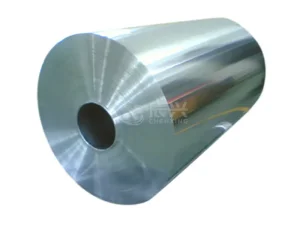
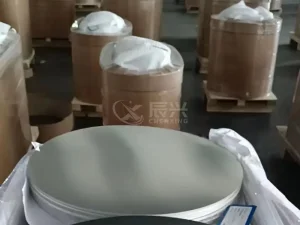
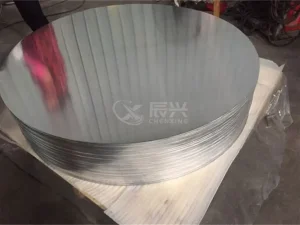
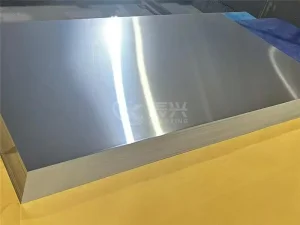
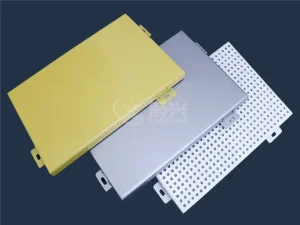
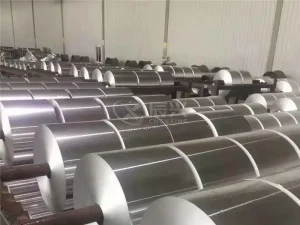
In the modern manufacturing environment, aluminum coil sheet acts as a core structural element. Global supply networks demand raw materials that satisfy strict weight, thermal, and mechanical criteria. Lightweighting in the automotive industry, green initiatives in structural design, and advanced packaging systems have driven the demand for high-grade non-ferrous alloys. As global supply corridors adjust to new carbon tariffs and strict environmental compliance metrics, choosing the right aluminum manufacturer has transitioned from a basic transactional decision to a key strategic move.
Current macro trends suggest that aluminum alloys are critical for meeting global decarbonization targets. Enterprises rely heavily on high-precision cold-rolled and hot-rolled coils (specifically 1xxx, 3xxx, 5xxx, 6xxx, and 8xxx series) to reduce structural mass while maintaining yield strength. By adjusting processing methods like cold reduction rates, annealing configurations, and surface treatments, manufacturers can tailor materials to specialized challenges, ensuring compatibility with advanced fabrication environments.
Procurement teams face the challenge of securing stable material supplies amid varying logistics pipelines and quality deviations. Managing thickness tolerances, mechanical properties, and surface quality requires strict engineering control over the entire production cycle. As a result, working with a manufacturer that maintains integrated processing lines—from direct casting to tension leveling—helps reduce material non-conformity risks.
Strategic Insight: Enterprise sourcing strategies are shifting toward mill-direct supply agreements that guarantee traceability, consistent metallurgical properties, and customized roll widths to minimize scrap loss during precision stamping and roll-forming processes.
Decades of refining rolling techniques, raw material sorting, and quality controls to deliver consistent industrial performance.
Providing customized rolling schedules, precision slitting, and deep drawing options for diverse industries.
Delivering to major industrial hubs across North America, Europe, Southeast Asia, and South America.

Comprehensive optical surface inspections, spectral chemical analysis, and full material batch traceability.

Quick-acting engineering support utilizing the 8D methodology to resolve quality or logistical discrepancies.
A detailed look at our rolling processes, alloy engineering, and structural finishing setups.
Our production workflow starts with selecting high-grade primary aluminum ingots. Using electromagnetic stirring and inline degassers, we minimize structural inclusions and hydrogen content, which helps prevent surface blistering during subsequent thermal processes. We offer options for both Direct Chill (DC) casting—ideal for high-elongation deep drawing applications—and Continuous Casting (CC), which offers a good balance of cost and mechanical strength for standard forming needs.
During hot rolling, our automatic gauge control (AGC) and shape control systems maintain uniform transverse thickness profiles across the coil. This process refines the dendritic cast structure into a dense, deformed matrix, laying the foundation for excellent mechanical properties.
To achieve high dimensional accuracy, the hot-rolled intermediate plates undergo cold reduction cycles. Our advanced multi-high cold rolling mills apply calculated reduction passes, inducing work hardening to boost yield and tensile strength. For tempers requiring high ductility (like O-temper or H22/H24 configurations), the coils are processed in protective-atmosphere annealing furnaces.
This thermal step allows recrystallization without excessive grain growth, which helps eliminate anisotropic orientation and reduces the occurrence of "earing" during complex deep drawing cycles (such as in aluminum circle pressing).
Surface quality is critical. Our tension levelers correct typical strip defects, including wavy edges, center buckles, and coil sets, resulting in high flat-strip yields. Depending on requirements, we offer specialized finishes:
Alloy formulations tailored for structural strength, thermal management, packaging barrier properties, and weather resistance.
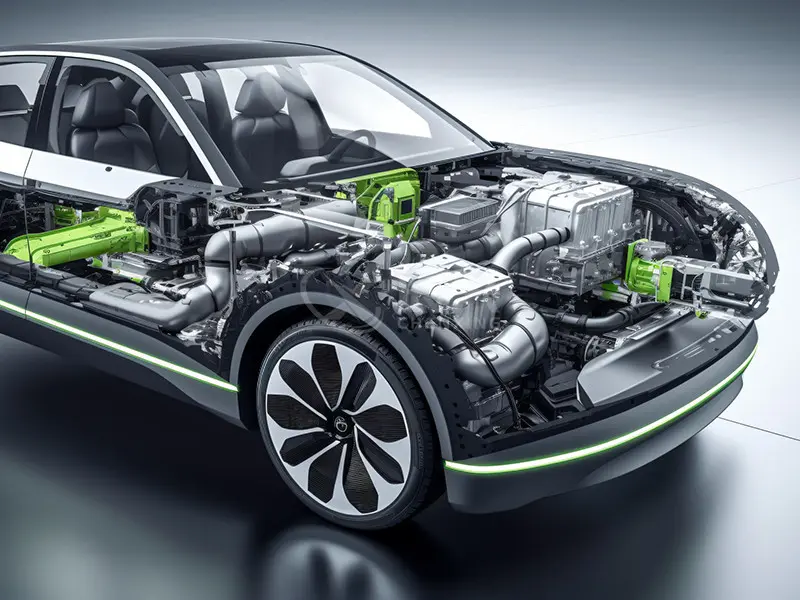
Medium-strength structural sheets (like the 5052 and 5083 series) configured for road tankers, marine components, and railcars. These alloys provide excellent fatigue resistance and weldability under dynamic stresses.
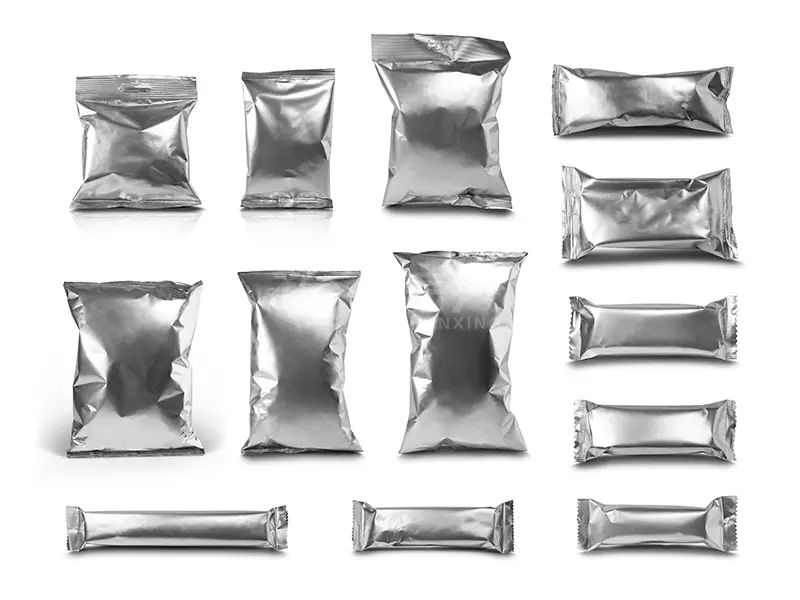
Flexible barrier foils and thin-gauge materials (such as 1235, 8011, and 8079 alloys) designed for food, beverage, and medical packaging, offering reliable barrier protection against light, moisture, and gases.

Alloys optimized for heat sinks, shielding, and component enclosures, featuring high electrical and thermal conductivity combined with good anodizing performance for clean surface finishes.

High-strength heat-treatable alloys (such as the 6xxx and 2xxx series) processed under strict quality controls to achieve the mechanical stability and stress-corrosion resistance required for structural applications.
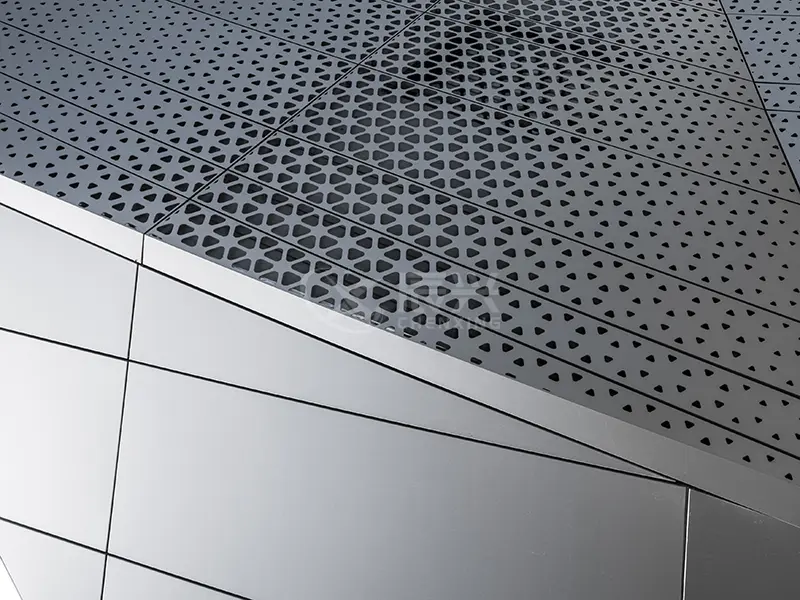
Flat, corrosion-resistant panels for architectural cladding, roofing, and curtain walls, treated with PVDF coatings to ensure long-term durability and color retention in outdoor environments.
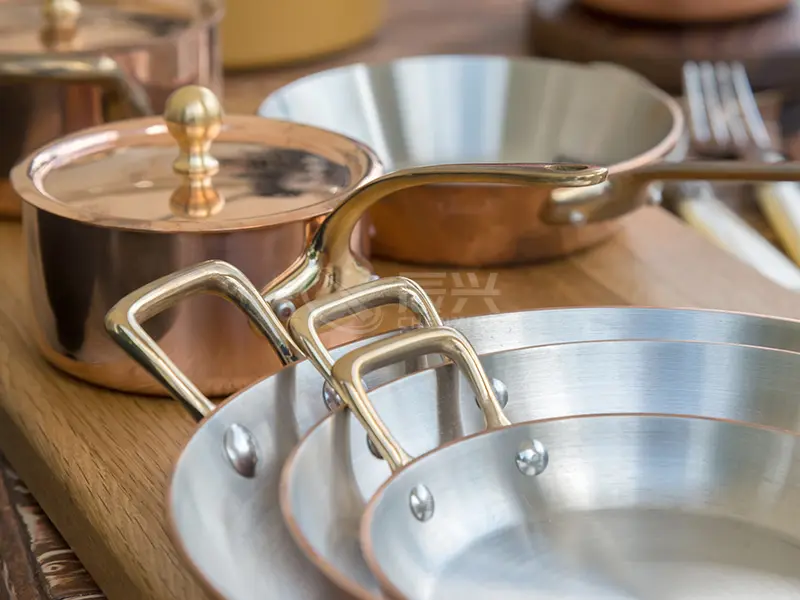
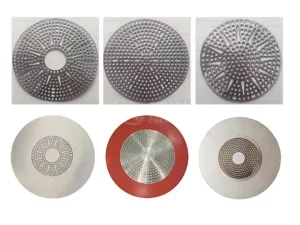
Anodized, brushed, and mirror-finished sheets designed for refrigerators, microwaves, and dynamic cooktops. These materials offer good formability, easy-to-clean surfaces, and modern visual styling.
Ensuring our products align with ASTM, EN, and JIS standards, protected by robust packaging for international shipping.
International sourcing involves managing diverse regulatory requirements, product testing protocols, and transit risks. Our manufacturing workflows are certified under ISO 9001, ISO 14001, and IATF 16949 systems, ensuring trace-to-source quality tracking. We supply certificates of analysis, physical test reports, and mill test certificates (MTC) conforming to ASTM B209, EN 485, and GB/T 3880 specifications with every shipment.
To prevent transit-related oxidation and mechanical damage during sea transport, we apply multi-layer preservation systems:
| Alloy Series | Key Specifications | Compliance Certificates |
|---|---|---|
| 1xxx Series | ASTM B209 / EN 485-2 | RoHS / REACH Compliant |
| 3xxx Series | ASTM B209 / GB/T 3880 | FDA Food-Grade Certification |
| 5xxx Series | EN 485-3 / Lloyd's Marine | CCS / ABS Class Certification |
| 8xxx Series | EN 546 / ASTM B209 | SGS Food Packaging Certified |
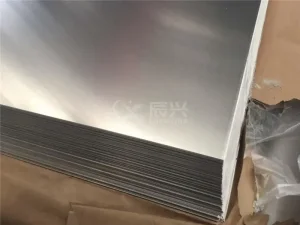
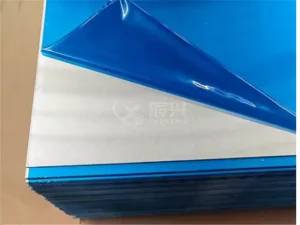
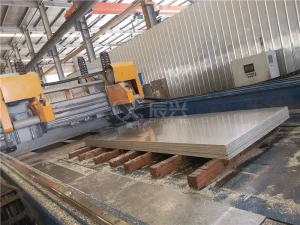
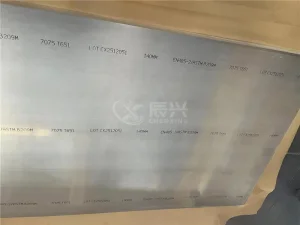
High-purity sheet metal, structural plates, and extruded solutions built for industrial manufacturing lines.
Technical analyses, regulatory developments, and market trends shaping the global non-ferrous metal supply chain.
Analysis of growing export volumes and structural shifts in regional demand pathways for rolled aluminum products.
Read Full Article
Reviewing mechanical and surface tension criteria for current collectors used in lithium-ion battery cells.
Read Full Article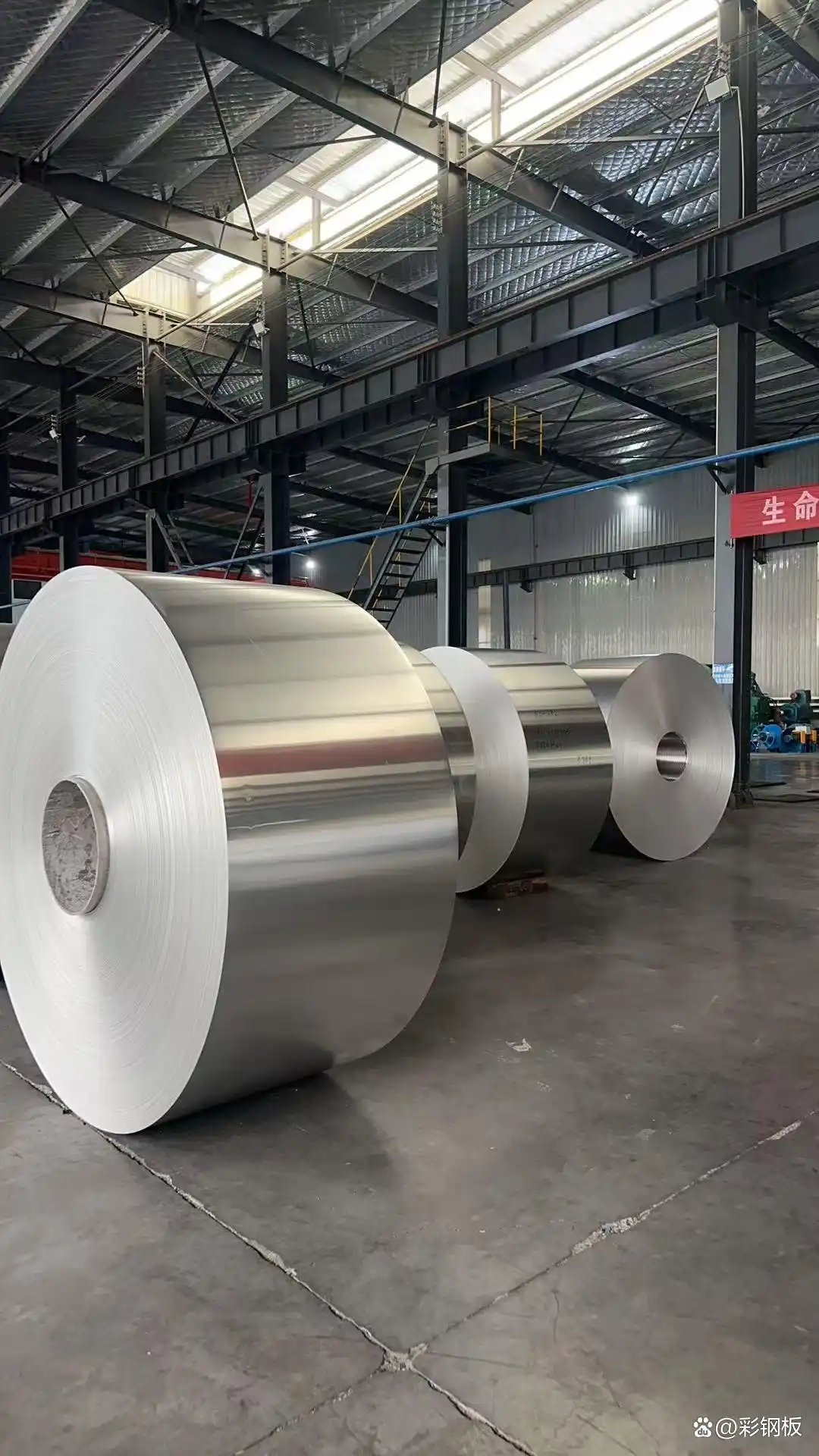
How shifting environmental regulations and carbon taxes are driving adoption of recycled and low-carbon primary alloys.
Read Full ArticleTechnical clarifications on alloy performance, thickness tolerances, global logistics, and quality assurance processes.
Direct Chill (DC) casting involves vertical solidification of casting ingots, which are later hot-rolled. This process yields a refined grain structure with minimal segregation, making it suitable for deep drawing applications (like aluminum circles for high-deformation cookware). Continuous Casting (CC) solidifies molten metal directly into strip form, which bypasses the primary hot-rolling step. While more economical, CC sheets are generally better suited for standard architectural facades, ductwork, and general sheet metal fabrications where extreme deformation is not required.
The 8D (Eight Disciplines) problem-solving methodology is a structured approach used to address quality deviations. In the event of a material non-conformance, it establishes a multidisciplinary team to implement containment actions within 24 hours. The process identifies the root cause of the issue and establishes permanent corrective actions, ensuring that structural defects (such as surface lines or tensile failure) are corrected at the source, preventing recurrences in subsequent batches.
The 5xxx series alloys (specifically 5052 and 5083) are highly recommended for marine environments. They contain magnesium as the primary alloying element, which provides excellent resistance to saltwater corrosion and alkaline degradation. 5083 is designed for high structural integrity in welded structures, while 5052 offers a balance of formability and strength, making it suitable for fuel tanks and marine sheet metal components.
Aluminum reacts readily with moisture, which can cause white rust or surface staining when trapped between coil wraps. To prevent this, we pack coils with integrated desiccant packs, seal them inside a vapor-barrier envelope (plastic film or laminated foil), and wrap them in reinforced protective paper. The coils are then secured on heavy-duty, moisture-tested wooden pallets designed to withstand changing humidity conditions during ocean transit.
Submit your dimensional, alloy, and chemical requirements to receive a detailed quote within 24 hours.