1 / 1

| Element | Content Range |
|---|---|
| Aluminium (Al) | Balance |
| Magnesium (Mg) | 4.0 – 4.9 |
| Manganese (Mn) | 0.4 – 1.0 |
| Chromium (Cr) | 0.05 – 0.25 |
| Silicon (Si) | ≤ 0.4 |
| Iron (Fe) | ≤ 0.4 |
| Copper (Cu) | ≤ 0.1 |
| Zinc (Zn) | ≤ 0.25 |
| Titanium (Ti) | ≤ 0.15 |
| Temper | Tensile Strength (MPa) | Yield Strength (MPa) | Elongation (%) |
|---|---|---|---|
| O (Annealed) | 270 – 310 | 110 – 145 | ≥ 20 |
| H111/H112 | 260 – 320 | 150 – 200 | 12 – 18 |
| H116 (Marine Grade) | 300 – 360 | 200 – 230 | 10 – 16 |
| H321 | 290 – 350 | 180 – 220 | 10 – 16 |
Top buyers are in marine, shipbuilding, and pressure vessel sectors: Hyundai Heavy Industries, Daewoo Shipbuilding, China State Shipbuilding Corporation (CSSC), Fincantieri. Also Maersk Tankers, Teekay, and global LNG/LPG carriers. Industrial buyers: Air Liquide, Linde (cryogenic tanks), China CRRC (railway), and BASF/Dow (chemical storage). All demand 5083 for its excellent corrosion resistance, weldability, and marine-grade performance.
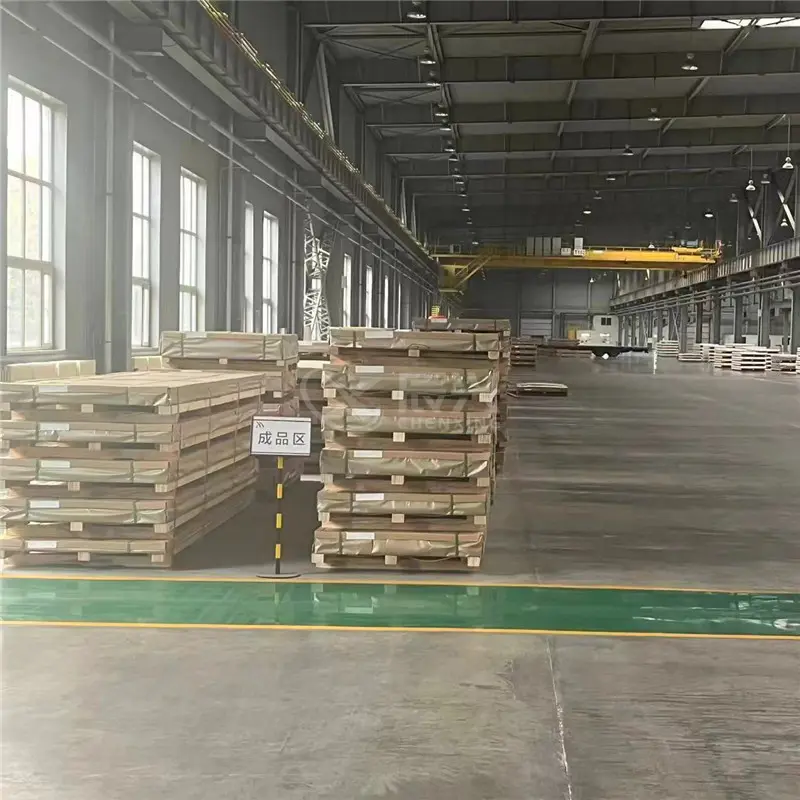
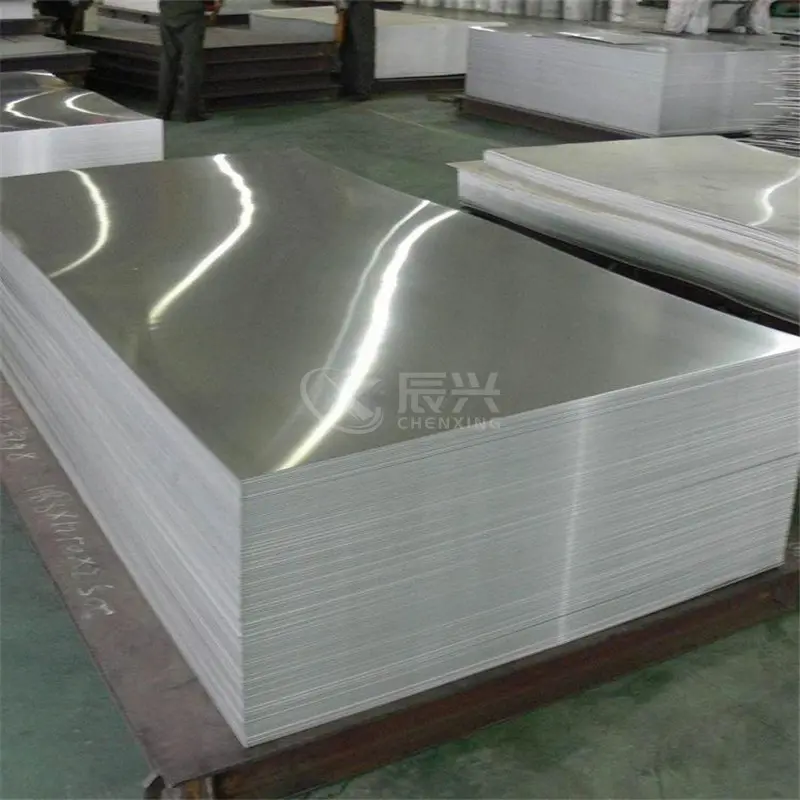
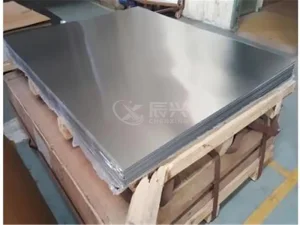
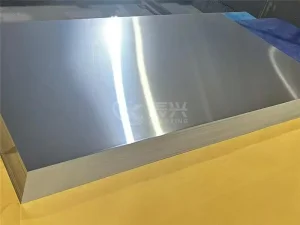
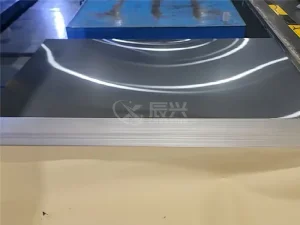
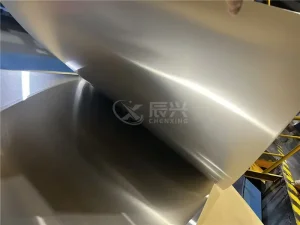
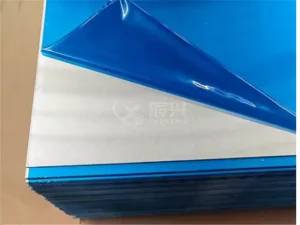
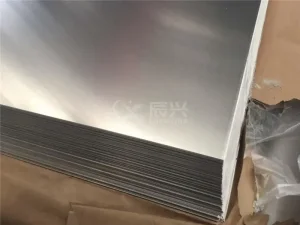
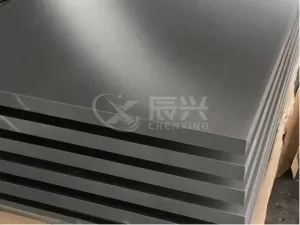
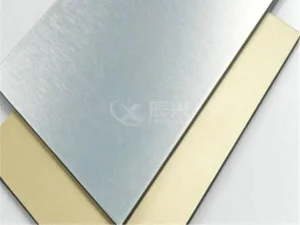
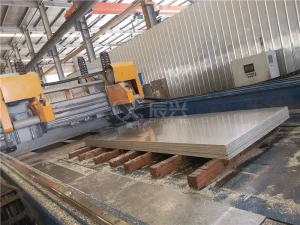
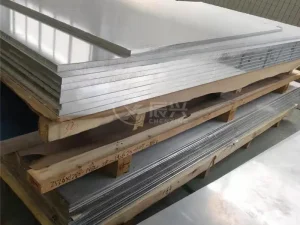
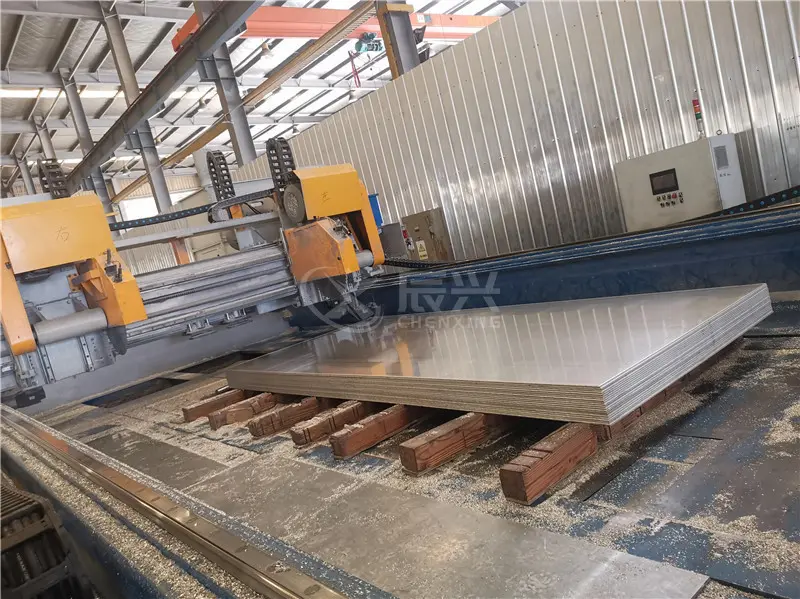
5083 aluminium sheet offers the highest strength among non-heat-treatable alloys, excellent weldability, and outstanding resistance to seawater and industrial chemical corrosion.
Common tempers include O (Annealed), H111/H112, H116, and H321. H116 and H321 are specifically recognized as marine-grade tempers, widely used in shipbuilding and offshore environments due to their superior corrosion resistance.
No, 5083 aluminium is not recommended for applications where service temperatures exceed 65°C (149°F), as it may lead to stress corrosion cracking.
It maintains excellent mechanical properties, strength, and ductility even at extremely low temperatures, making it ideal for cryogenic storage and containment systems.
The Magnesium (Mg) content in 5083 aluminium alloy typically ranges between 4.0% and 4.9% of the total mass, which is key to its high strength and corrosion resistance.