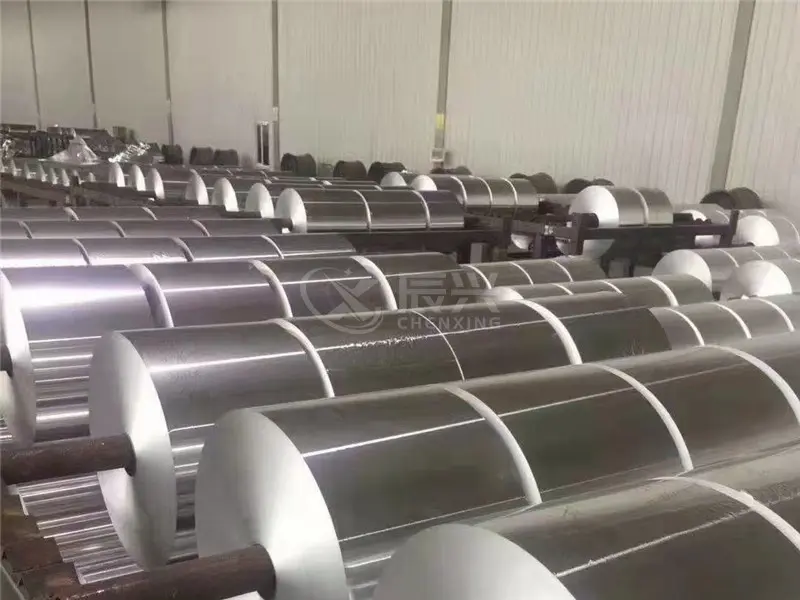

China Aluminium Foil Factory: Quality Suppliers of Ultra-Thin, Versatile Aluminum Products for Packaging and Industry

,

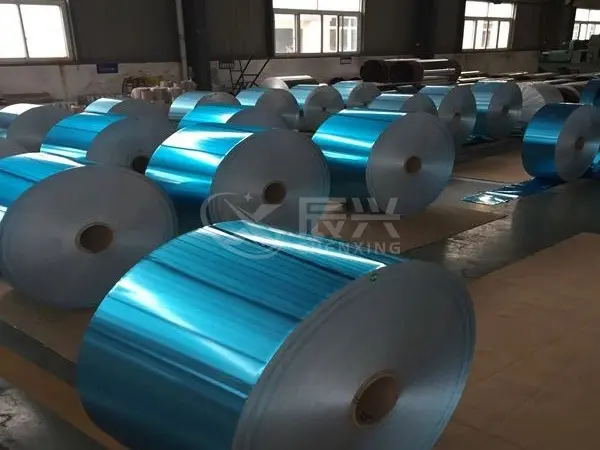
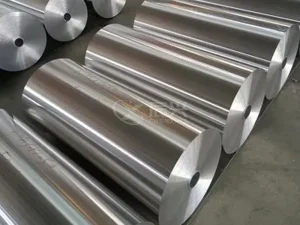
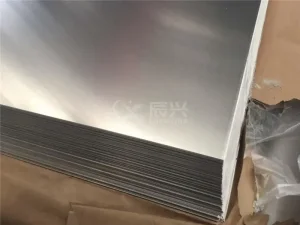
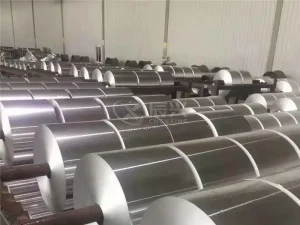
Aluminium Foil is a lightweight, ultra-thin aluminum product, typically less than 0.2mm in thickness. This essential material is produced by repeatedly cold rolling high-purity aluminum ingots or coils. Renowned for its remarkable barrier properties, excellent thermal conductivity, and outstanding formability, Aluminium Foil serves a vital role across various sectors, including packaging, electronics, aerospace, and industrial applications. As China’s leading suppliers and factory of Aluminium Foil, we are committed to providing high-quality products that meet the demands of both consumers and businesses. Below is an in-depth look at the features and applications of Aluminium Foil:

,

Product Description

Classification by Alloy Series

Aluminum Foil can be categorized based on multiple criteria such as thickness, alloy type, surface state, and application scenarios. The following table summarizes the main classification methods and corresponding characteristics:

Classification Criterion Category Key Specifications/Features Typical Uses
Thickness Thin Foil (Light Gauge Foil) Thickness: 0.006mm - 0.02mm; Lightweight, high flexibility Food wrapping, cigarette packaging, pharmaceutical blister packaging
Thick Foil (Heavy Gauge Foil) Thickness: 0.02mm - 0.2mm; Higher strength, better rigidity Baking trays, battery casings, industrial heat shields
Alloy Type 1000 Series (Pure Aluminum Foil) Aluminum content ≥ 99.0%; Excellent corrosion resistance, high thermal conductivity Food packaging, heat exchangers, decorative materials
8000 Series (Al-Li Alloy Foil) Added lithium element; Lightweight, high strength-to-weight ratio Aerospace components, high-end battery current collectors
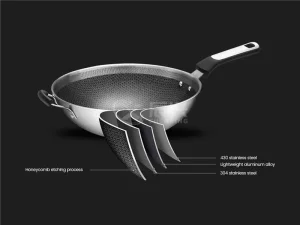
3000 Series (Al-Mn Alloy Foil) Added manganese element; Balanced strength and formability Industrial packaging, cooking utensils
Surface State Plain Foil No surface coating; Natural aluminum luster General packaging, household use
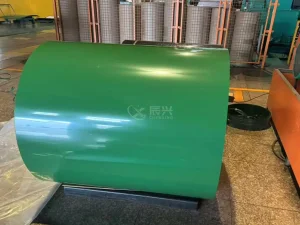
Coated Foil Coated with PE, PP, or adhesive; Enhanced barrier or adhesion Composite packaging, label materials, heat-sealable packaging

Key Physical & Mechanical Properties

Aluminum Foil's unique performance stems from its ultra-thin structure and the inherent properties of aluminum. The following are its core properties, with 1235 pure aluminum foil (commonly used in packaging) as a typical example:

Property Index Typical Value (1235 Foil, O State) Performance Description & Significance
Density (g/cm³) 2.70 Lightweight, reducing packaging or product weight without compromising performance
Thermal Conductivity (W/(m·K)) 190 - 200 Fast heat transfer, suitable for baking, heat preservation, and heat dissipation scenarios
Tensile Strength (MPa) 85 - 120 Adequate strength to resist tearing during processing and use
Elongation (%) ≥ 20 Good ductility, enabling folding, wrapping, and forming into complex shapes
Oxygen Transmission Rate (cm³/(m²·24h·0.1MPa)) ≤ 0.5 Excellent oxygen barrier, preventing oxidation and spoilage of packaged goods
Moisture Vapor Transmission Rate (g/(m²·24h)) ≤ 0.3 Superior moisture resistance, maintaining dryness of products

Core Advantages

  • 🛡️
    Superior Barrier Performance It can effectively block oxygen, moisture, light, bacteria, and odors, which is particularly critical for food, pharmaceuticals, and precision electronic components that require long-term preservation. Compared with plastic and paper packaging materials, aluminum foil has irreplaceable barrier advantages.
  • 🔥
    Excellent Thermal Performance On one hand, it has high thermal conductivity, making it suitable for baking and heating scenarios (e.g., household baking foil can evenly transfer heat to food); on the other hand, it can form an insulating layer when folded or compounded, used for heat preservation in catering and industrial fields.
  • 📐
    Exceptional Formability With ultra-thin thickness and good ductility, aluminum foil can be easily processed into various forms such as sheets, rolls, bags, and casings. It can closely fit the shape of the packaged object without cracking or breaking, adapting to diverse packaging needs.
  • ♻️
    Environmental Friendliness & Recyclability Aluminum foil is 100% recyclable, and the energy consumed in recycling is only about 5% of that required for primary aluminum production. It does not produce harmful substances during use and recycling, conforming to global environmental protection and sustainable development trends.
  • Safety & Hygiene Food-grade aluminum foil meets strict international standards (such as FDA and EU food contact material regulations), is non-toxic, odorless, and does not react with food or pharmaceuticals, ensuring product safety.

Major Application Fields

Aluminum Foil's diverse properties make it widely used in multiple industries. The following are the key application areas and specific scenarios:

Industry Specific Applications Preferred Foil Type
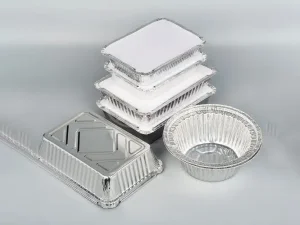
🍫 Food & Beverage Packaging Chocolate wrapping, instant noodle outer packaging, yogurt lids, takeaway heat preservation bags, baking trays 1000 Series plain or coated thin foil (0.008mm - 0.02mm)
💊 Pharmaceutical Industry Blister packaging for tablets/capsules, aluminum-plastic composite film for medicinal powder packaging, syringe packaging 1000 Series high-purity thin foil (0.01mm - 0.015mm), with strict impurity control
⚡ Electronics Industry Battery current collectors (lithium-ion batteries), capacitor casings, electromagnetic shielding materials, electronic component packaging 8000 Series or 1000 Series thick foil (0.015mm - 0.1mm)
✈️ Aerospace & Automotive Aerospace component heat shields, automotive exhaust heat shields, lightweight structural parts 8000 Series high-strength thick foil (0.05mm - 0.2mm)
🏠 Household & Daily Use Household wrapping foil, aluminum foil tape, decorative stickers, disposable tableware 1000 Series plain thin foil (0.01mm - 0.03mm)
🏭 Industrial Sector Heat exchanger fins, pipeline insulation layers, chemical corrosion-resistant linings, printing plates 3000 Series or 5000 Series thick foil (0.03mm - 0.2mm)

Quality Control & Storage Guidelines

Key Quality Control Indicators

To ensure the performance and usability of aluminum foil, strict quality control is implemented throughout the production process. The core indicators include:
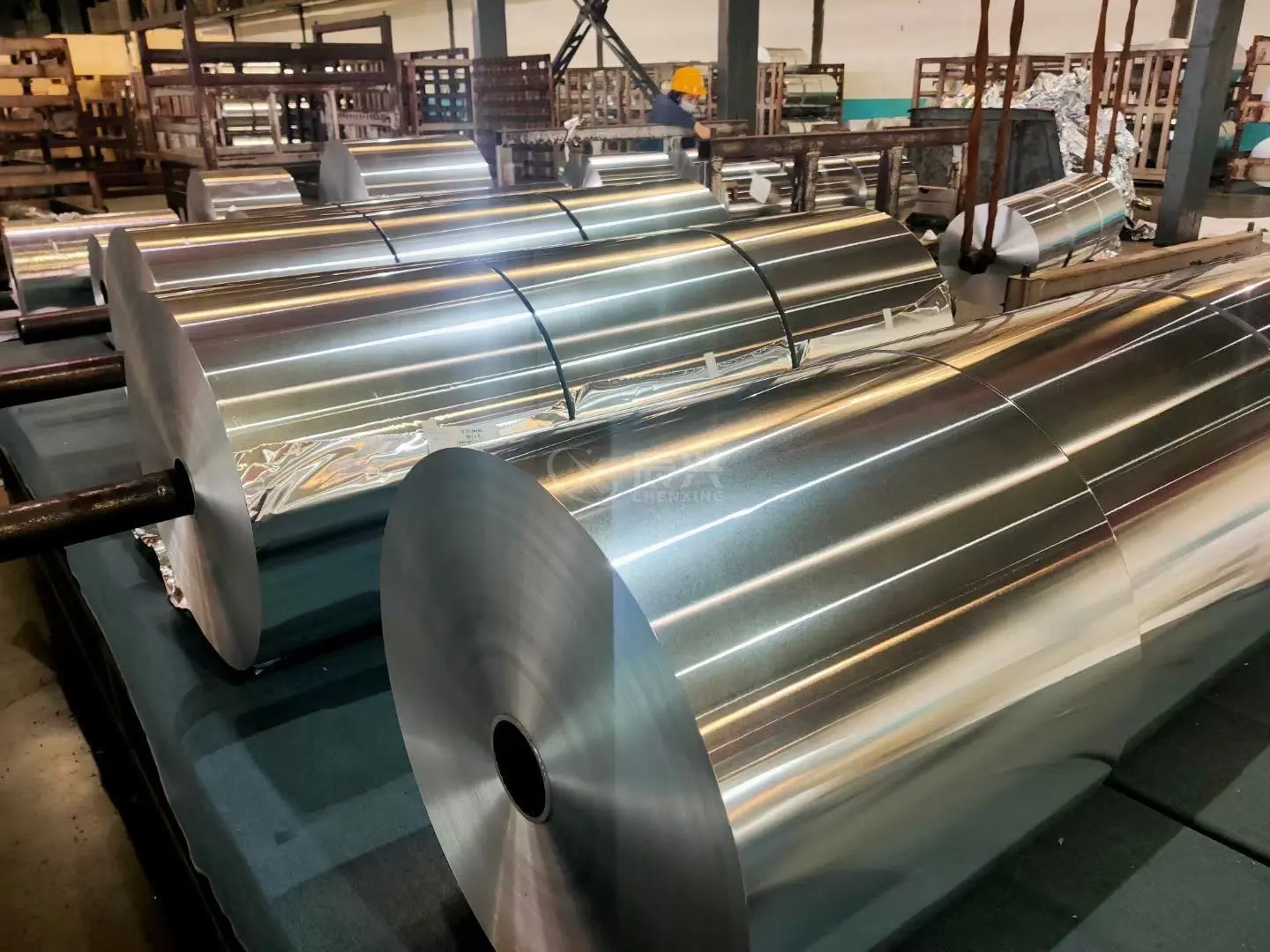
  • Thickness Uniformity: The thickness deviation of high-precision aluminum foil should be within ±0.001mm, which is tested by automatic thickness gauges at multiple points to avoid affecting barrier properties and processing performance.
  • Surface Quality: The surface should be smooth, clean, and free of defects such as pinholes, scratches, oil stains, oxidation spots, and wrinkles. Pinholes are strictly controlled in packaging foil (≤ 1 pinhole/m² for thin foil).
  • Mechanical Properties: Tensile strength and elongation are tested per batch to ensure they meet the requirements of different processing and application scenarios (e.g., higher elongation is required for deep-forming foil).
  • Barrier Performance: For packaging foil, oxygen transmission rate and moisture vapor transmission rate are tested using professional equipment to ensure compliance with product preservation requirements.

Storage & Handling Recommendations

  • Storage Environment: Store in a dry, well-ventilated, and clean warehouse with a temperature of 5°C - 30°C and relative humidity ≤ 60%. Avoid storing in damp or high-temperature environments to prevent oxidation and mildew.
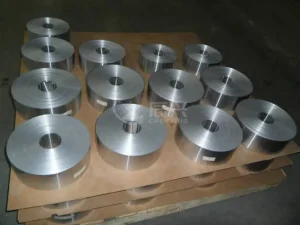
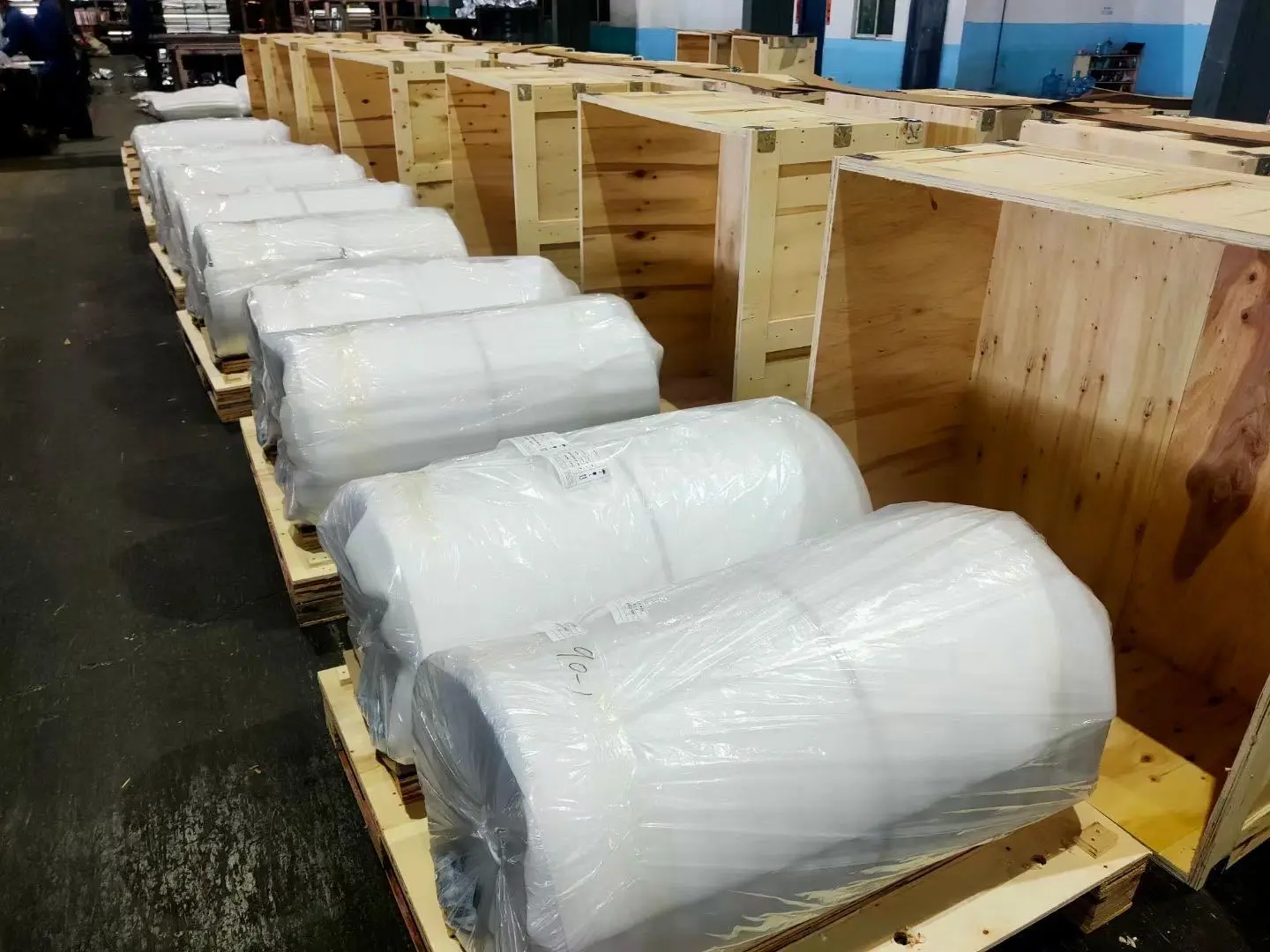
  • Stacking Method: Aluminum foil rolls should be placed on dedicated horizontal supports to prevent deformation. The stacking height should not exceed 2 meters to avoid crushing the lower rolls. For coated foil, avoid direct contact between rolls to prevent coating damage.
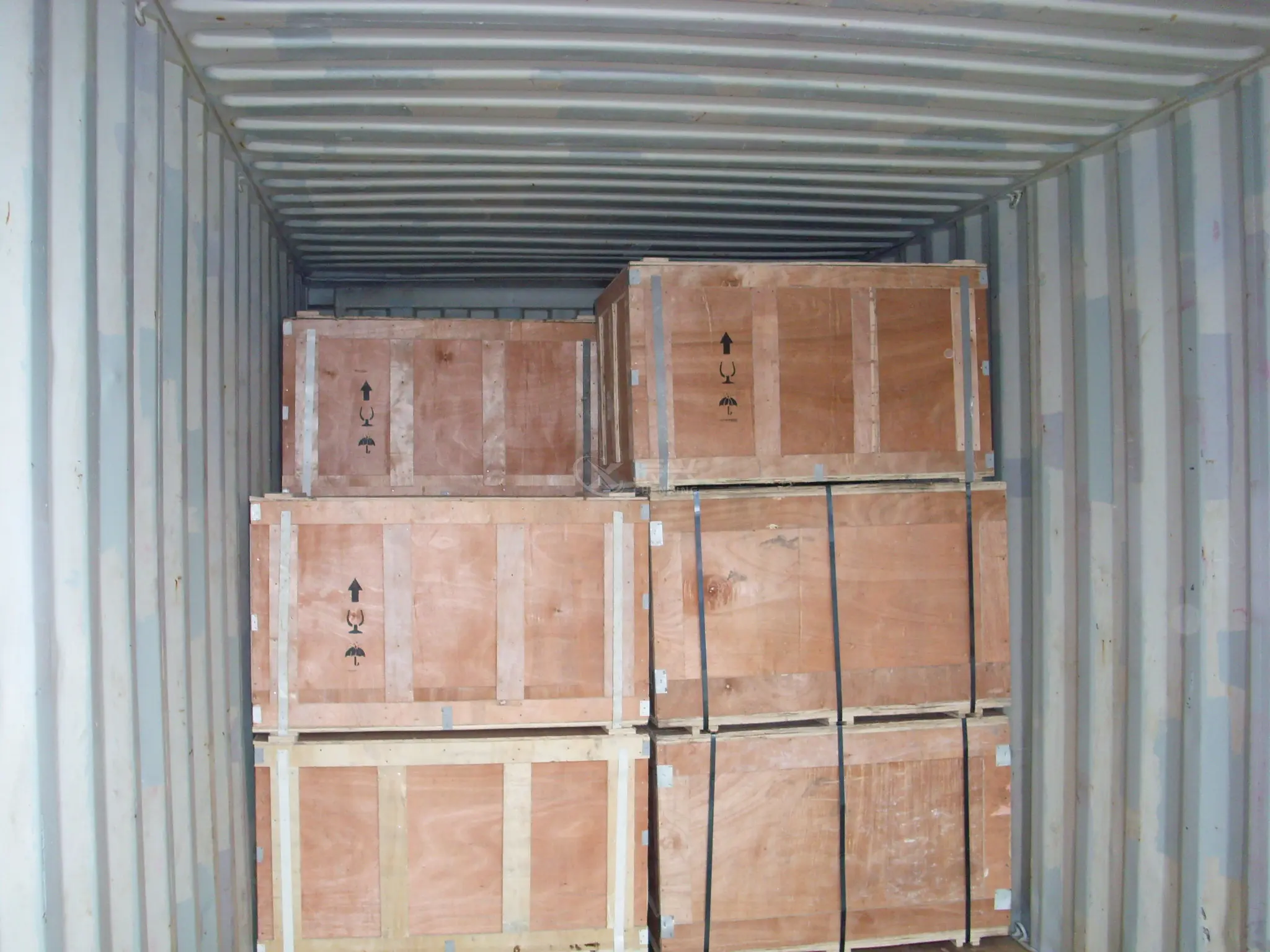
  • Handling Precautions: Use forklifts or cranes with soft pads to avoid scratching the surface. During transportation, fix the rolls to prevent collision and friction. Avoid sharp objects contacting the foil to prevent punctures.
  • Shelf Life: Under proper storage conditions, uncoated pure aluminum foil has a shelf life of 12 - 18 months; coated foil has a shelf life of 6 - 12 months due to the coating's aging resistance.

Market Trends & Development Prospects

📈
With the increasing emphasis on environmental protection and product quality, the aluminum foil market is showing three main development trends: First, the demand for high-purity aluminum foil (aluminum content ≥ 99.7%) in the electronic and pharmaceutical industries is growing rapidly, driven by the development of new energy batteries and precision medicine. Second, environmentally friendly coated foils (using water-based coatings) are gradually replacing traditional solvent-based coated foils to meet stricter environmental regulations. Third, customized aluminum foil products (such as pre-cut shapes, printed patterns) are becoming more popular to adapt to the personalized needs of food packaging and household use. In the future, the aluminum foil industry will continue to develop in the direction of high performance, environmental protection, and customization.

Detail Images

Detail 1
Detail 1
Detail 2
Detail 2
Detail 3
Detail 3
Detail 4
Detail 4

Frequently Asked Questions (FAQ)

Q What is the difference between 1000 Series and 8000 Series aluminum foil?
1000 Series aluminum foil is made from pure aluminum (≥99.0% aluminum content), offering excellent corrosion resistance and high thermal conductivity, making it ideal for food packaging and heat exchangers. 8000 Series aluminum foil contains added lithium, resulting in a higher strength-to-weight ratio, which makes it preferred for aerospace components and high-end battery current collectors where lightweight and durability are critical.
Q How thin can aluminum foil be manufactured, and what affects its minimum thickness?
Aluminum foil can be manufactured as thin as 0.006mm (6 microns). The minimum achievable thickness depends on the alloy composition, rolling mill precision, and surface quality requirements. Thinner foil demands tighter control over pinholes and surface defects, particularly for pharmaceutical and food packaging applications where barrier integrity is essential.
Q Is aluminum foil safe for direct food contact?
Yes. Food-grade aluminum foil complies with strict international standards including FDA regulations and EU food contact material directives. It is non-toxic, odorless, and chemically inert to most foods under normal conditions. It does not transfer harmful substances to food or pharmaceuticals, making it one of the safest packaging materials available.
Q What is the difference between plain foil and coated foil?
Plain foil has no surface treatment and retains its natural aluminum luster, making it suitable for general packaging and household use. Coated foil is laminated or coated with materials such as PE, PP, or adhesive layers, which enhances specific properties like moisture barrier performance, heat-sealability, or adhesion strength — making it ideal for composite packaging, label materials, and specialized industrial applications.
Q How should aluminum foil rolls be stored to maximize shelf life?
Aluminum foil rolls should be stored in a dry, clean, well-ventilated warehouse at temperatures between 5°C and 30°C, with relative humidity not exceeding 60%. Rolls should be placed on dedicated horizontal supports and stacked no higher than 2 meters. Avoid exposure to moisture, extreme heat, or sharp objects. Under these conditions, uncoated pure aluminum foil has a shelf life of 12–18 months, while coated foil lasts 6–12 months.
Q Can aluminum foil be recycled, and what are the environmental benefits?
Aluminum foil is 100% recyclable and can be recycled indefinitely without losing its material properties. The recycling process consumes only approximately 5% of the energy required to produce primary aluminum, significantly reducing carbon emissions. Aluminum foil does not release harmful substances during use or recycling, making it one of the most environmentally responsible packaging materials available today.

Related Products