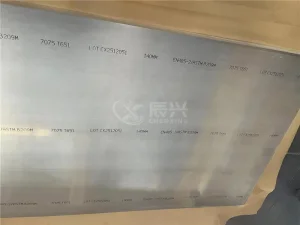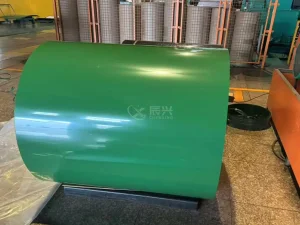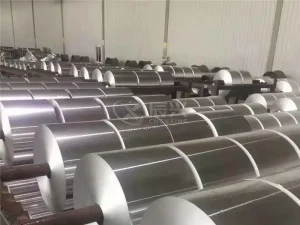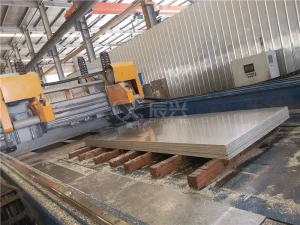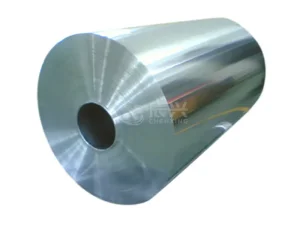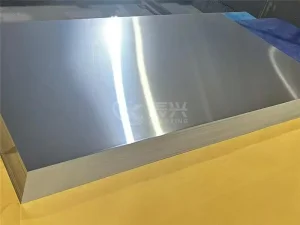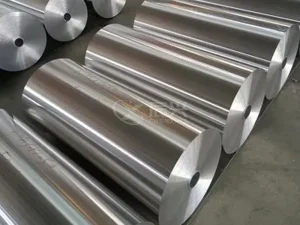
Explore our foundational mill-grade aluminum plates, coils, and specialty engineered foil materials ready for global distribution.
Strategic analysis of metallurgical supply chains, geopolitical developments, and technological transformations in 2026.
Modern industrial projects require resilient raw material pipelines. Our factory structures continuous casting and hot-rolling schedules to bypass global transport bottlenecks. By coordinating primary extraction with customized alloy formulation, we insulate aerospace, defense, and automotive enterprises from price volatility and localized supply challenges.
Decarbonization is transforming metal sourcing. We utilize clean energy grids and hydro-powered smelting arrays to produce ultra-low-carbon aluminum plates. Under the Carbon Border Adjustment Mechanism (CBAM) framework, our detailed carbon footprint accounting ensures cross-border operations remain tariff-compliant and audit-ready.
Off-the-shelf grades often fail in challenging operating environments. Our facility leverages precise chemistry control to modify grain structures, control intermetallic distributions, and provide tailored anodizing responses. From cryogenic applications to extreme thermal cycling, we engineer components suited for specific engineering tolerances.
In response to international carbon reduction mandates, automotive and packaging industries are dramatically increasing their utilization of post-industrial and post-consumer recycled scrap. Secondary aluminum alloy production requires only 5% of the energy inputs of primary smelting, presenting a massive reduction in Scope 3 greenhouse gas emissions. However, maintaining mechanical parity (specifically yield strength and elongation limits) requires sophisticated electromagnetic filtering and vacuum degassing during the melting phase.
Simultaneously, the global automotive market's shift toward Electric Vehicles (EVs) has accelerated lightweighting requirements. Thick structural plate products are increasingly deployed in EV battery enclosures, structural cross-members, and crash-management systems. Using marine-grade 5xxx series alloys (such as 5083 and 5052) and high-strength 6xxx structural profiles, manufacturers can shed up to 40% of standard steel frame weight, translating directly to enhanced range and battery pack safety profiles.
Pioneering advanced casting, rolling, and thermal treating technologies since 2005.
Serving critical markets in the Americas, EU, Asia-Pacific, and Middle East.
Direct optical emission spectrometry and ultrasonic scanning for internal defect prevention.
Dedicated engineering teams resolve technical challenges and logistics questions in real time.
Aligning manufacturing capabilities with global industrial standards for seamless integration into localized production lines.
We ensure all shipments comply with localized industry designations including ASTM (United States), EN (Europe), JIS (Japan), and GB/T (China). Every batch is accompanied by EN 10204 3.1 Mill Test Certificates detailing accurate chemical compositions and mechanical testing indicators.
Products conform to RoHS (Restriction of Hazardous Substances) and REACH directives. Our facility controls trace elements, verifying that zero lead, mercury, hexavalent chromium, or polybrominated flame retardants are present within structural sheets and foil products.
We provide regional supply support by delivering precision slitting, custom sheet cutting, specialized paper-interleaving, and moisture-barrier protective packaging to prevent oxidation during maritime transport and localized warehousing.
Our quality assurance program is built on real-time statistical process tracking. From initial charge melt analysis in the holding furnace to final thickness tolerances measured by automated laser sensors, every step is logged. Ultrasonic testing per ASTM B594 is applied to thick plates destined for mold fabrication and aviation machining to guarantee internal structural soundness, eliminating micro-voids, porosity, and non-metallic inclusions.
How our custom-tailored aluminum products integrate with specific industrial sectors worldwide.
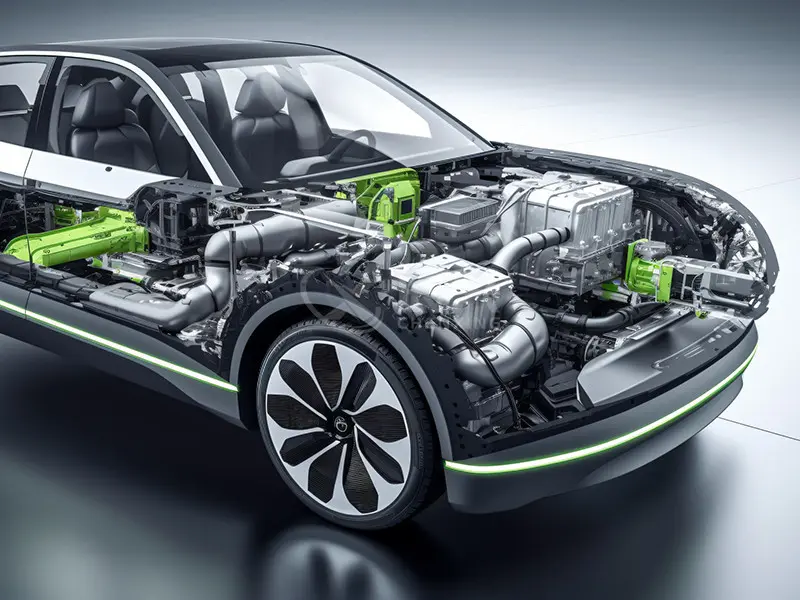
High fatigue strength, crashworthiness, and lightweight structures for rail, automotive chassis, and commercial trucks.
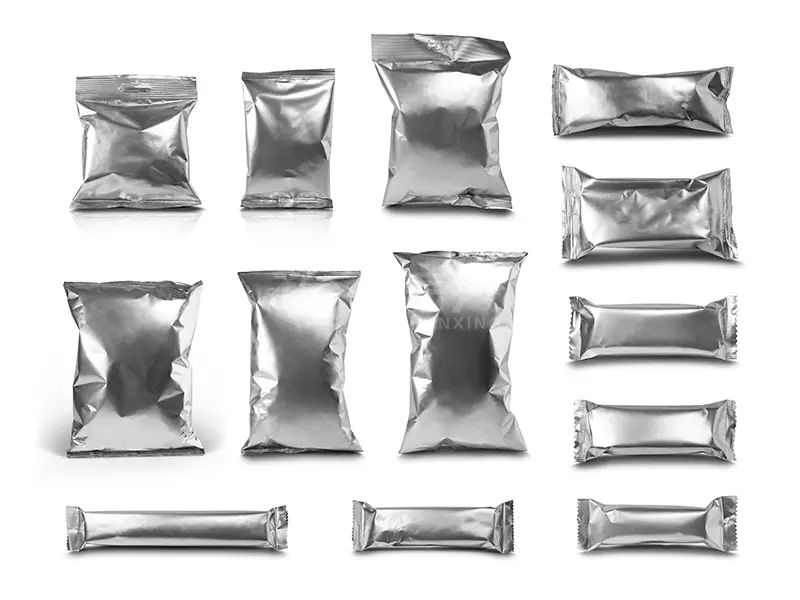
High barrier protection, food-safe processing, and chemical compatibility for foil wraps and containers.

Excellent thermal dissipation, non-magnetic performance, and fine surface finishing for high-density electronic chassis.

High yield strength, stress corrosion cracking resistance, and precise plate flatness for defense and aerospace skin panels.
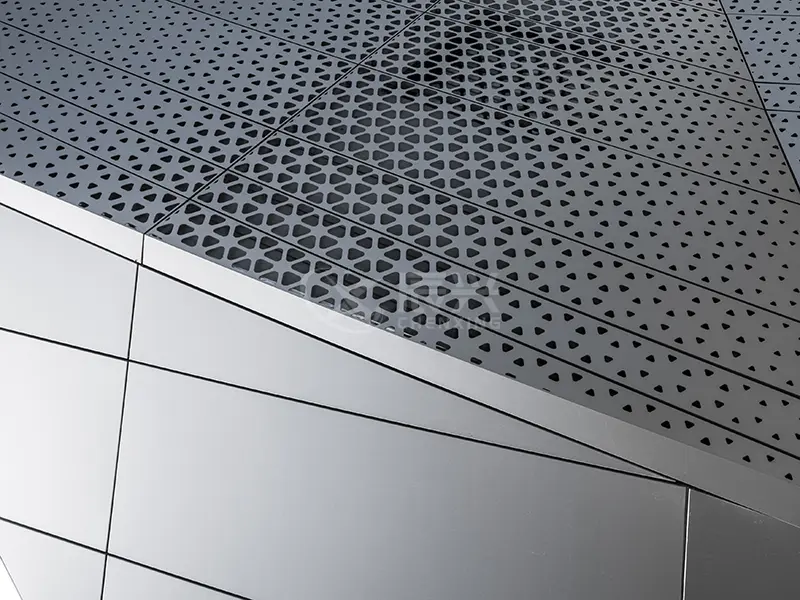
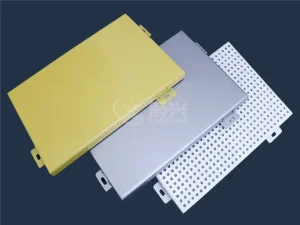
Anodized weathering durability, PVDF architectural coatings, and modern aesthetics for exterior curtain walls.

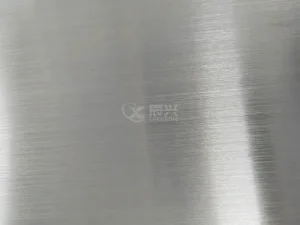
Precision formability, thermal transfer capabilities, and brushed surface profiles for high-end home appliances.
Continuous investment in next-generation material science, manufacturing equipment, and production efficiency.
Deploying electromagnetic casting tools to minimize segregation zones in ultra-thick aerospace plate billets. Exploring trace transition metal additions (scandium, zirconium) to improve heat-affected zones in structural welding setups.
Integrating artificial intelligence algorithms with inline thermal cameras and rolling mills. Continuous processing optimization allows real-time grain size prediction, keeping thickness tolerances tighter than ASTM requirements.
Establishing closed-loop recycling networks with major international OEMs. We aim to source 80% of process energy from renewable hydrogen and photovoltaic generation, helping clients hit Scope 3 sustainability targets.
Premium aluminum foils, specialized coatings, and circular products manufactured under tight structural specifications.
Receive engineered alloy catalogs, dimension tables, structural calculations, and custom production estimates within 24 hours.
Submit Design RequirementsStay updated on capacity shifts, process developments, and emerging market dynamics.
Our facility has expanded direct shipments of high-temper structural sheets to international markets, stabilizing supply networks against volatile maritime schedules.
Read Full Insight →Analyzing carbon-coated battery foils in lithium energy storage systems. High conductivity and purity levels remain crucial to extending cell operating life.
Read Full Insight →Architectural demand is moving toward fully recyclable pre-painted coils. PVDF coat profiles ensure lasting exterior performance in varying climates.
Read Full Insight →Direct engineering answers addressing material selection, manufacturing tolerances, and ordering procedures.