
China Aluminum Plate Suppliers and Factory - High-Quality Plates for Diverse Industrial Applications

,

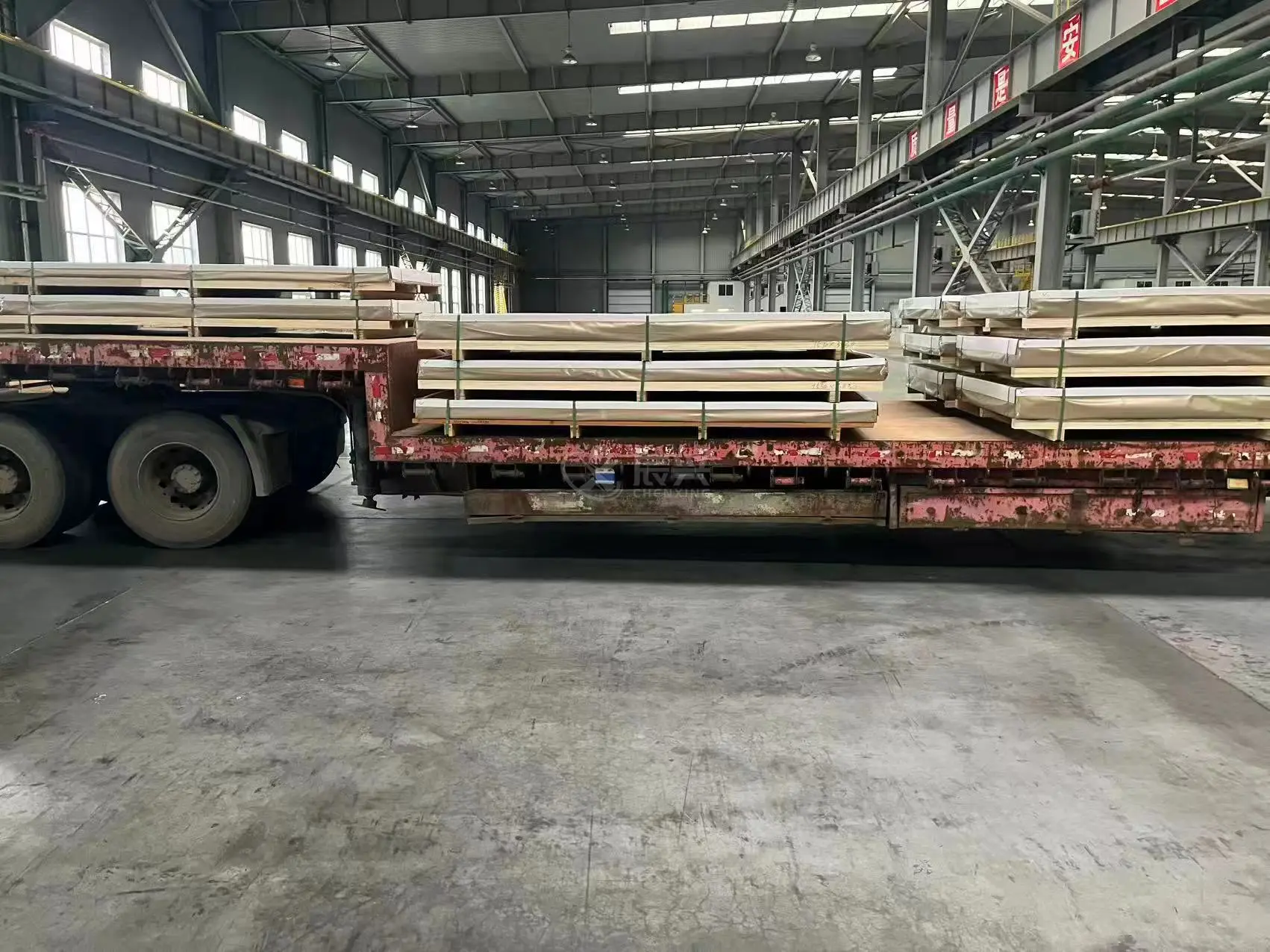
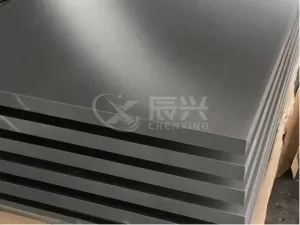
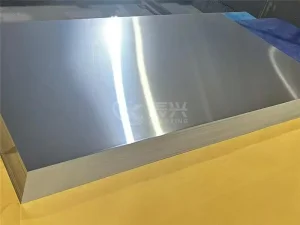
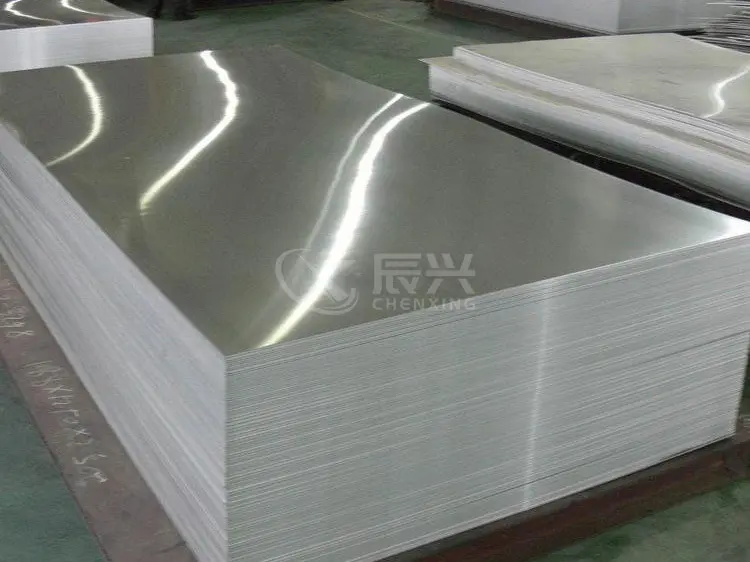
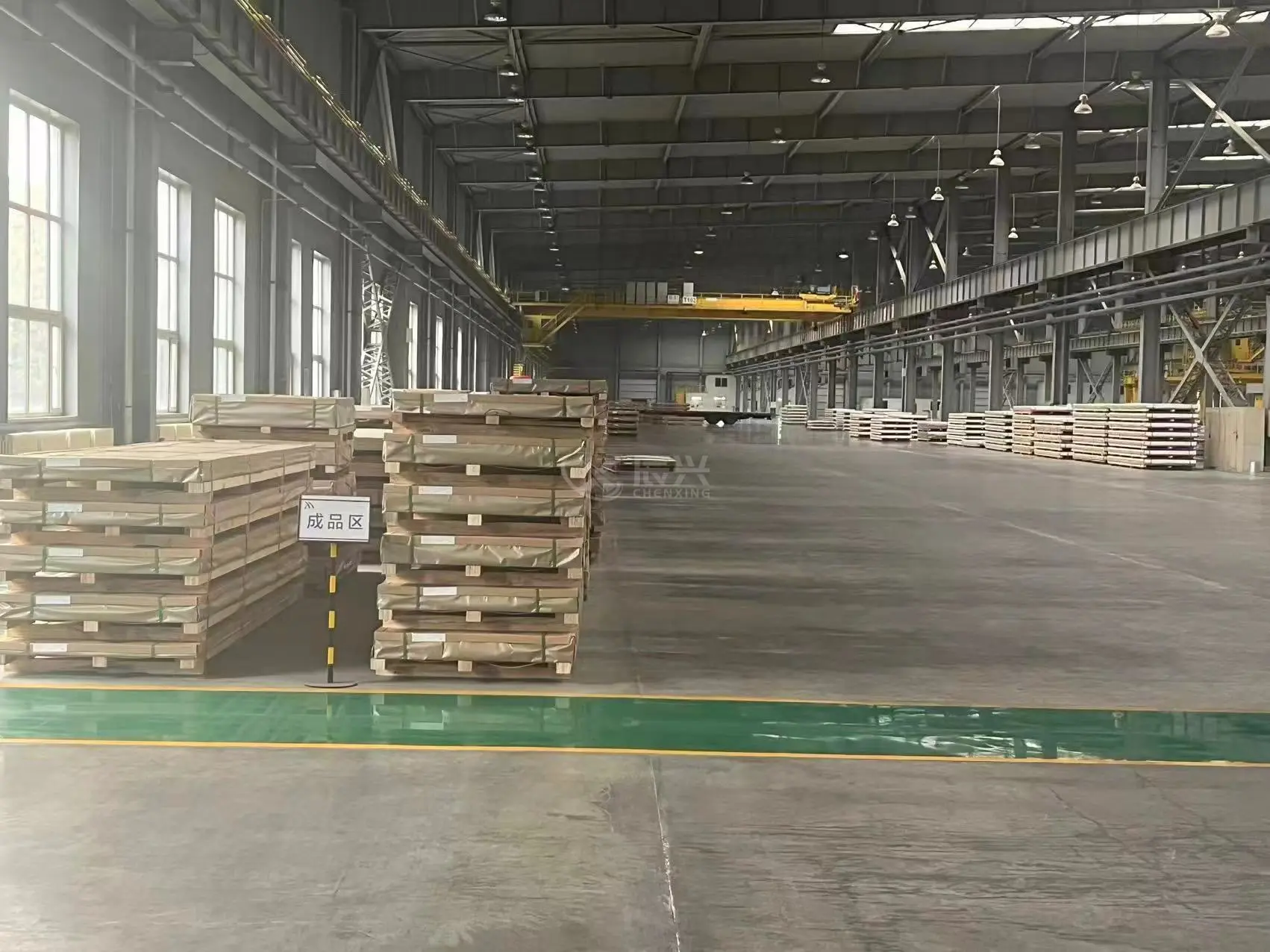
Aluminum Plate is a robust, flat sheet product primarily crafted from aluminum and its alloys, setting it apart from aluminum sheets due to its increased thickness and enhanced structural stability. This versatile industrial material is a top choice for various sectors, including manufacturing, construction, transportation, aerospace, marine engineering, and electrical applications. Its unique physical, mechanical, and chemical properties make it highly valued in the market. Generally defined by a thickness of 6mm and above (with thinner products categorized as aluminum sheets or foils), aluminum plates are manufactured through advanced processes such as hot rolling, cold rolling, or continuous casting. Our factory in China specializes in producing aluminum plates with customizable dimensions, surface treatments, and alloy grades, ensuring we meet diverse application requirements. As leading suppliers, we are committed to delivering high-quality aluminum plates tailored to your needs.

,

Product Description

Core Properties & Advantages
Lightweight & High Strength

Aluminum has a density roughly one-third that of steel, making aluminum plate extremely lightweight while maintaining impressive structural strength, especially alloy-grade plates, which deliver enhanced load-bearing capacity and durability for heavy-duty applications.

Superior Corrosion Resistance

Natural aluminum forms a thin, protective oxide layer on its surface that prevents rust and oxidation; this resistance can be further improved via anodizing, powder coating, or galvanizing treatments, ideal for outdoor, marine, and humid environments.

Excellent Machinability & Formability

Aluminum plate is easy to cut, drill, bend, weld, stamp, and machine into custom shapes and components, supporting high-precision processing without compromising material integrity.

Thermal & Electrical Conductivity

It offers good thermal conductivity for heat dissipation applications and reliable electrical conductivity, suitable for electrical enclosures, heat sinks, and conductive components.

Recyclability & Sustainability

Aluminum plate is 100% recyclable with no loss of material performance, requiring minimal energy for recycling compared to primary aluminum production, aligning with global green manufacturing and environmental protection standards.

Aesthetic Versatility

Available in smooth, brushed, polished, or coated finishes, aluminum plate provides a clean, modern appearance and can be customized for both functional and decorative use.

Common Alloy Grades & Typical Uses

Aluminum plate is manufactured in various alloy series, each engineered for specific performance traits:

Alloy Series Key Properties Typical Applications
1000 Series
Pure Aluminum
High purity, excellent corrosion resistance, soft texture Decorative panels, electrical insulation, general-purpose non-structural components
3000 Series
Al-Mn Alloy
Moderate strength, outstanding corrosion resistance and formability Roofing, siding, storage tanks, and automotive parts
5000 Series
Al-Mg Alloy
High strength, exceptional corrosion resistance, weldable, fatigue-resistant Marine vessels, shipbuilding, offshore structures, and pressure vessels
6000 Series
Al-Mg-Si Alloy
Balanced strength and formability, heat-treatable, good corrosion resistance Construction, aerospace frames, automotive body panels, and industrial machinery
7000 Series
Al-Zn Alloy
Ultra-high strength, heat-treatable High-load aerospace components, military equipment, and heavy-duty structural applications
Key Applications Across Industries

Aluminum plate serves as a foundational material in countless industries, including commercial building facades and structural supports, aircraft fuselage and wing components, ship hulls and marine decking, automotive chassis and body parts, industrial machinery casings, heat exchange equipment, electrical enclosures, and custom fabricated industrial parts. Its adaptability and reliable performance make it a top choice for projects requiring lightweight durability, corrosion protection, and long service life.
Building & Construction Aerospace Marine & Shipbuilding Automotive Electrical & Electronics Industrial Machinery
Detail Images
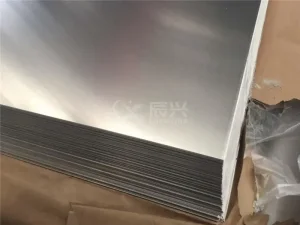
Aluminum Plate Detail 1
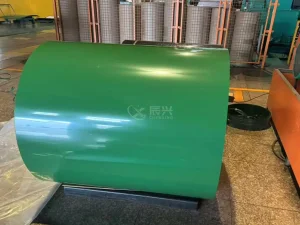
Aluminum Plate Detail 2
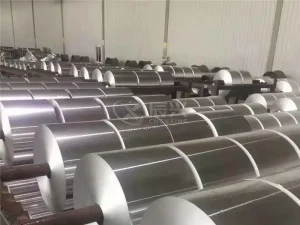
Aluminum Plate Detail 3
Frequently Asked Questions
Q What is the difference between aluminum plate and aluminum sheet?
Aluminum plate typically refers to material with a thickness of 6mm (0.25 inches) or greater, while aluminum sheet refers to thinner material, generally under 6mm. Plates are used in heavy-duty structural and industrial applications, whereas sheets are more common in lightweight fabrication, packaging, and decorative uses.
Q Which aluminum alloy grade is best for marine applications?
The 5000 Series (Al-Mg Alloy) is widely regarded as the best choice for marine environments. It offers exceptional corrosion resistance against saltwater, high strength, excellent weldability, and fatigue resistance, making it ideal for ship hulls, offshore platforms, and marine decking.
Q Can aluminum plate be welded and machined easily?
Yes. Aluminum plate is known for its excellent machinability and formability. It can be cut, drilled, milled, bent, stamped, and welded using standard industrial processes. Alloy grades such as 6000 Series are particularly favored for their balance of strength and ease of processing, supporting high-precision fabrication without cracking or deforming.
Q How does aluminum plate resist corrosion without special coatings?
Aluminum naturally forms a thin, stable oxide layer on its surface when exposed to air. This self-protective layer acts as a barrier against moisture, oxygen, and chemical attack, preventing rust and oxidation. For more demanding environments, additional treatments such as anodizing, powder coating, or galvanizing can significantly enhance this inherent corrosion resistance.
Q Is aluminum plate a sustainable and eco-friendly material?
Absolutely. Aluminum plate is 100% recyclable and can be reprocessed repeatedly without any degradation in material performance. Recycling aluminum requires only about 5% of the energy needed to produce primary aluminum, significantly reducing carbon emissions and supporting global green manufacturing initiatives and environmental sustainability goals.
Q What surface finishes are available for aluminum plate?
Aluminum plate is available in a wide range of surface finishes to meet both functional and aesthetic requirements. Common options include mill finish (as-rolled), brushed, polished, anodized, powder-coated, and painted finishes. These finishes not only enhance visual appearance but also provide additional protection against corrosion, abrasion, and UV exposure.

Related Products