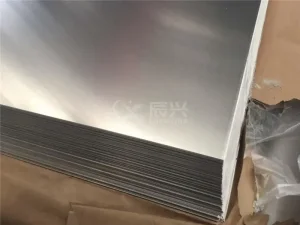
Direct supply from leading metallurgy mills offering high strength-to-weight structural materials
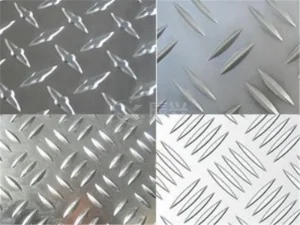
In modern structural and architectural design, minimizing deadweight while maintaining mechanical structural integrity remains a constant design goal. Embossed aluminum (often designated as Stucco, Diamond, or Orange Peel patterned alloy) has emerged as a premium solution. By putting a cold-rolled flat aluminum coil or sheet through high-pressure engraving rollers, manufacturers modify the surface topography of the metal, altering its mechanical properties through strain hardening (work hardening).
This structural transformation yields several distinct advantages over standard flat sheet products:
Data compiled based on 3003-H14 stucco profile assessments compared to mill-finish flat alloys of identical gauge.
A proven track record of engineering precision, rigorous quality control, and global logisitical support

Deep experience in continuous roll forming, alloy temper optimization, and custom profile engraving.

Reliable logistics, seaworthy wood-pallet packaging, and full compliance with international standards.
Real-time thickness tolerances checks, visual laser inspection systems, and full traceablity.
24-hour customer support with structural technical advice and 8D troubleshooting feedback.
Different applications require specific chemical and mechanical properties. Sourcing specialists must match the correct alloy designation and temper condition to their production processes. The main series utilized in the production of embossed aluminum sheets and coils include:
1xxx Series Alloys (1050, 1060, 1100): Composed of 99.5% minimum pure aluminum, these variations provide excellent thermal conductivity and corrosion resistance. While they have lower mechanical strength than other series, they are highly workable and ideal for deep-drawing, thermal heat sinks, chemical vessels, and cooling duct components.
3xxx Series Alloys (3003, 3105): Alloyed primarily with Manganese (approx. 1.0-1.5%), the 3xxx series represents the most widely selected grade for general stucco and diamond-plated industrial materials. It offers roughly 20% higher yield limit than the 1xxx series, alongside superior weldability and formability, making it the industry standard for refrigerator liners, caravan exterior walls, and HVAC casing assemblies.
5xxx Series Alloys (5052, 5754, 5083): Alloyed with Magnesium, these alloys provide exceptional structural strength and resistance to marine atmospheres and corrosion. They are widely used in heavy-duty commercial flooring, marine deck structures, and rugged industrial enclosures.
| Alloy Grade | Yield Strength (MPa) | Corrosion Resistance | Key Application |
|---|---|---|---|
| 1050-H14 | 80 - 105 | Excellent | Evaporator, Lighting reflectors |
| 3003-H14 | 120 - 150 | Very High | Refrigerator liners, HVAC casings |
| 5052-H32 | 190 - 230 | Excellent (Marine) | Tread plates, Fuel tanks |
| 6082-T6 | 260 - 310 | High | Heavy-duty structural frames |
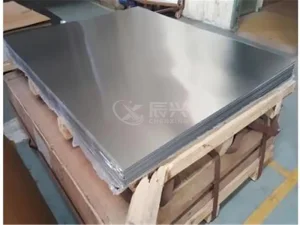
Explore our highly-regarded selection of aluminum foils, circles, coils, and specialty sheets
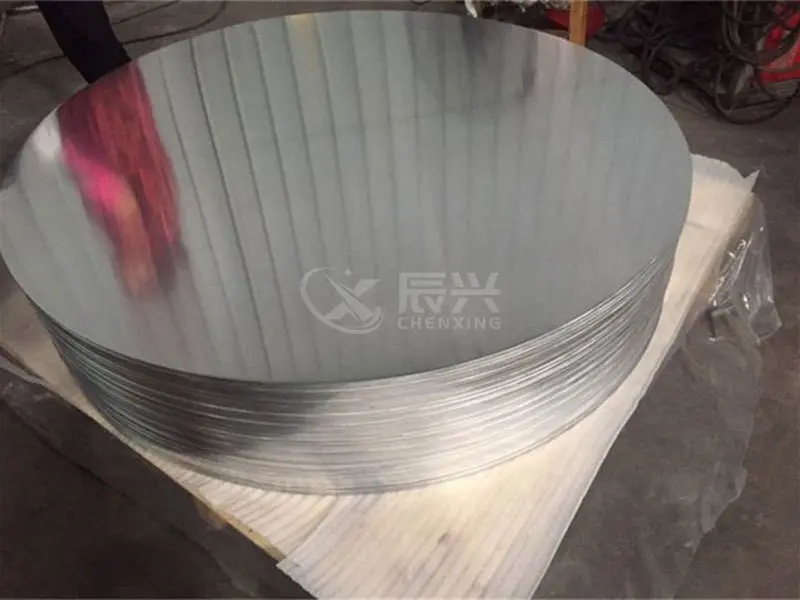
Excellent deep-drawing capabilities with high-purity properties for cookware and lighting reflectors.
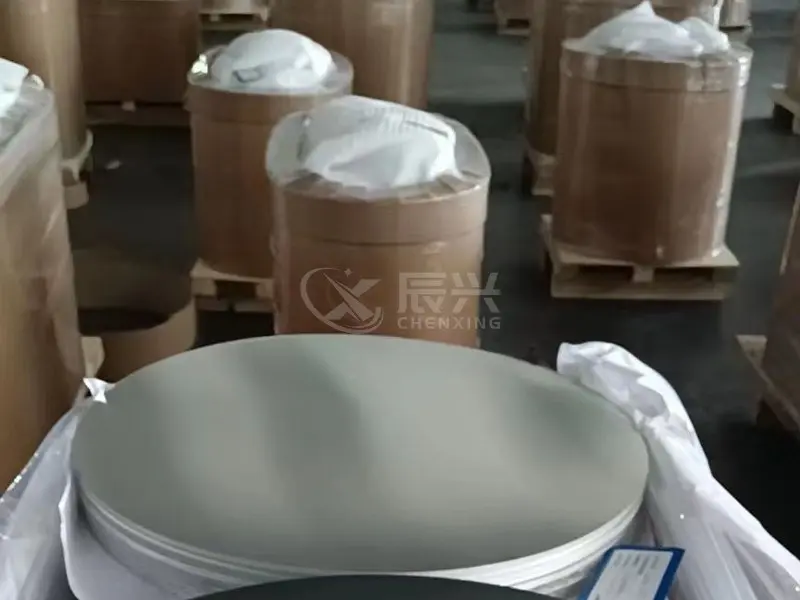
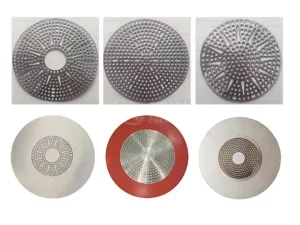
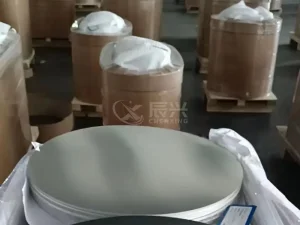
Manganese-alloyed circles offering high corrosion resistance and strength for heavy-duty cookware.
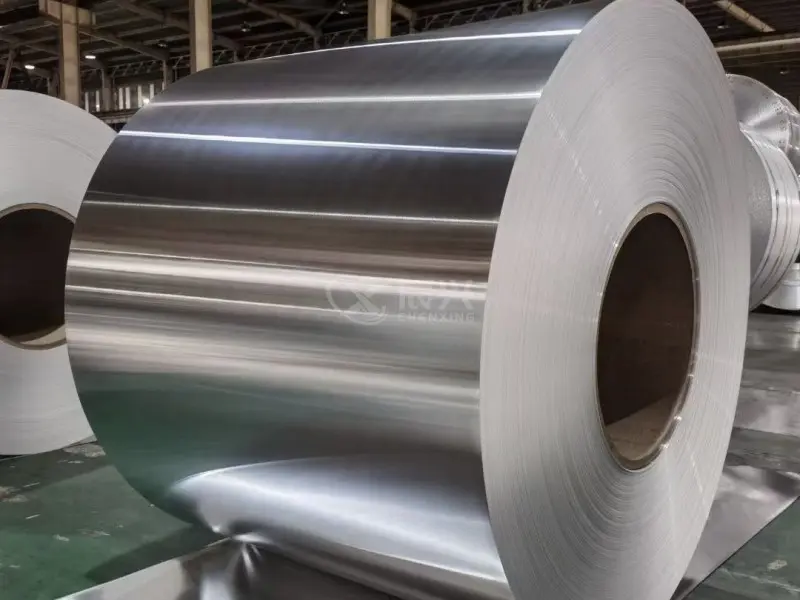
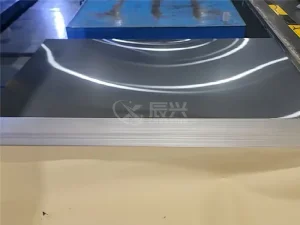
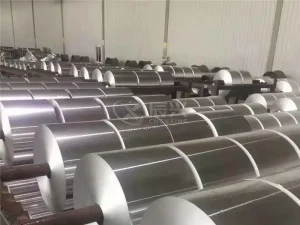
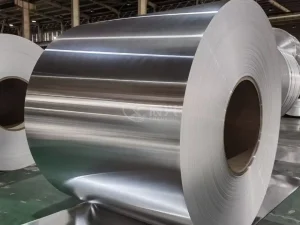
Continuous cold-rolled coils available in various widths, tempers, and gauges for custom lines.
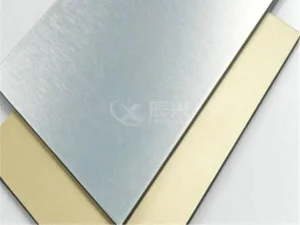
Aesthetically enhanced brushed surface treatments for premium electrical cladding and home appliances.
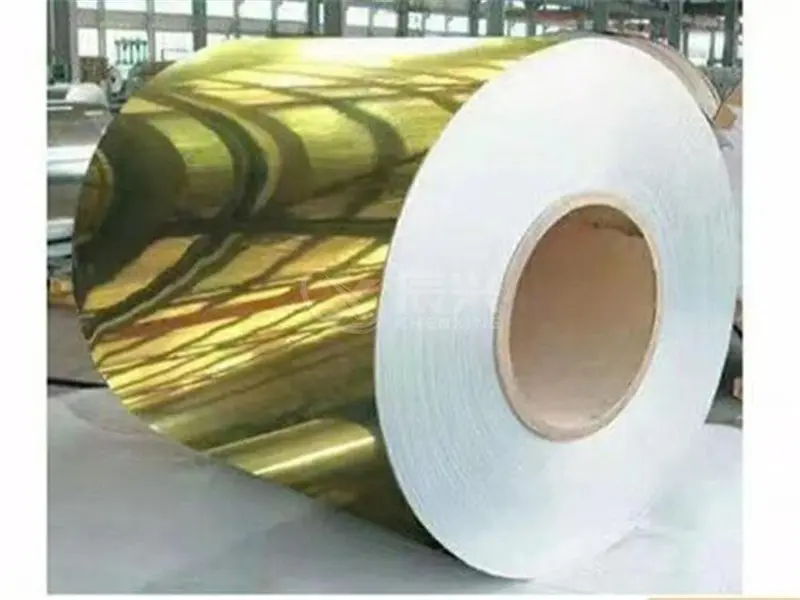
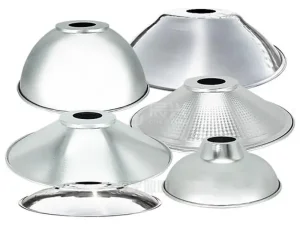
High specular reflectance (over 85%) for clean solar reflection and high-efficiency lighting arrays.
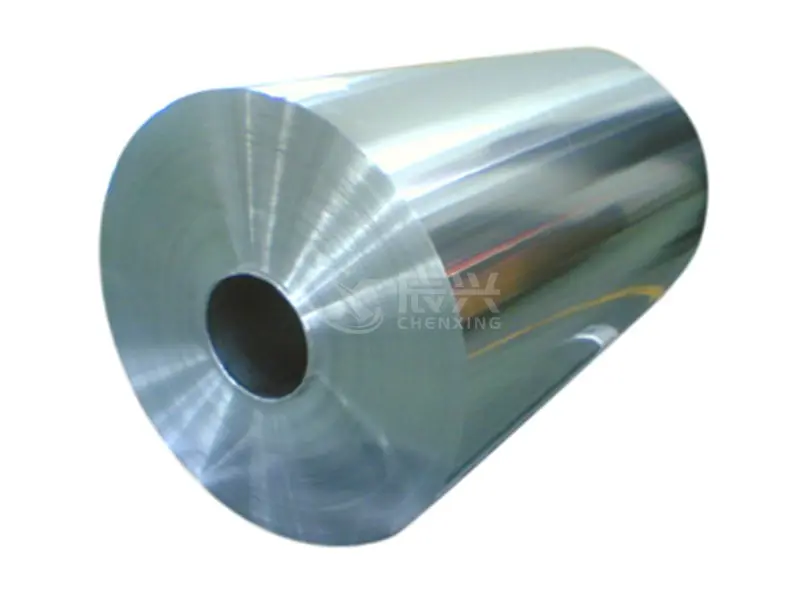
Hydrophilic and bare foil options designed to maximize heat exchange efficiency in HVAC units.
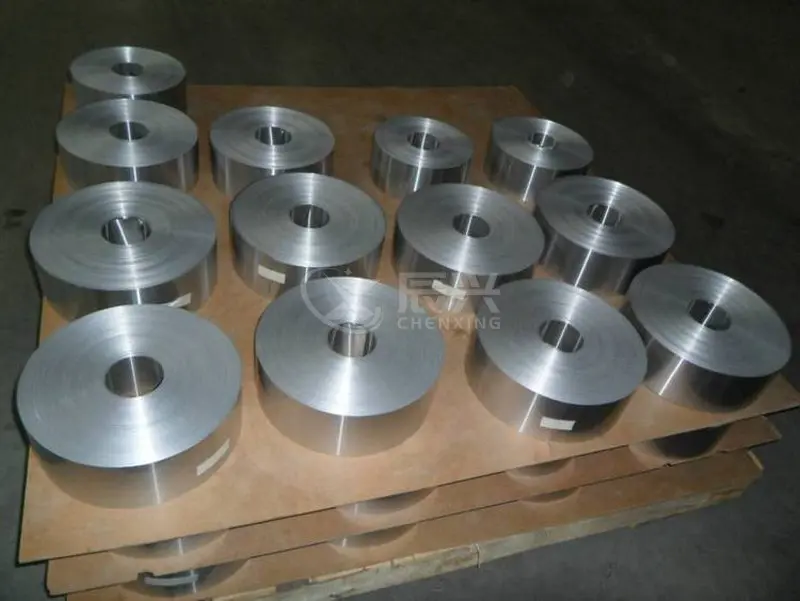
Flexible, flame-resistant structural foil for ventilation systems and composite piping insulation.
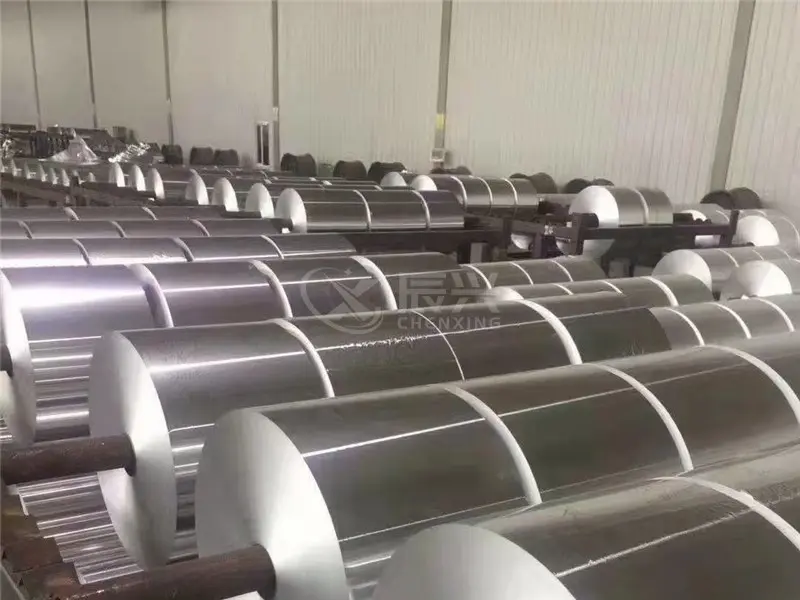
High barrier property foil grades suitable for flexible packaging, household, and pharmaceutical fields.
The global embossed aluminum market is experiencing significant changes driven by green initiatives, stricter energy efficiency standards, and supply chain updates. To stay competitive, manufacturers must design their sourcing systems to match these ongoing changes:
1. Sourcing Eco-Friendly and Recycled Content: Industrial buyers in Europe and North America are focusing heavily on the carbon footprint of their raw materials. Smelting operations powered by clean energy and using recycled scrap are highly preferred to reduce overall scope 3 emissions. Low-carbon processes are now a core requirement in major OEM requests for proposals.
2. Thin-Gauge Engineering (Down-Gauging): Modern rolling technologies permit high pattern consistency even on very thin materials. Thin-gauge embossing allows manufacturers to decrease wall thickness without sacrificing structural stiffness, reducing material weight and production costs.
3. Advanced Protective Coating Systems: Combining mechanical embossing with chemical treatments is becoming standard practice. Standard coils now often feature anti-fingerprint coatings, antimicrobial finishes for food-contact cold-rooms, and multi-layer PVDF systems to withstand UV exposure in outdoor construction.
The production of high-grade embossed aluminum requires advanced equipment and reliable process control. Leading manufacturing centers in China have adopted Factory 4.0 technologies to provide reliable, cost-effective, and high-quality solutions for global projects:
Automated Precision Rolling: Advanced cold rolling mills feature Automatic Gauge Control (AGC) and Automatic Flatness Control (AFC). These computerized systems measure sheet thickness and flatness in real-time, making micro-adjustments to ensure uniform dimensions.
Continuous In-Line Inspection: High-resolution optical sensors scan the moving metal surface at high speeds, automatically identifying and flagging pinholes, oil residues, and indentation marks to ensure consistent quality.
Reliable Supply Chain Integration: Integrated facilities house casting, rolling, embossing, and coating processes in a single location. This minimizes transport time, reduces energy use, and allows for rapid customization to match custom requirements.
Reliable performance across demanding commercial, mechanical, and architectural fields

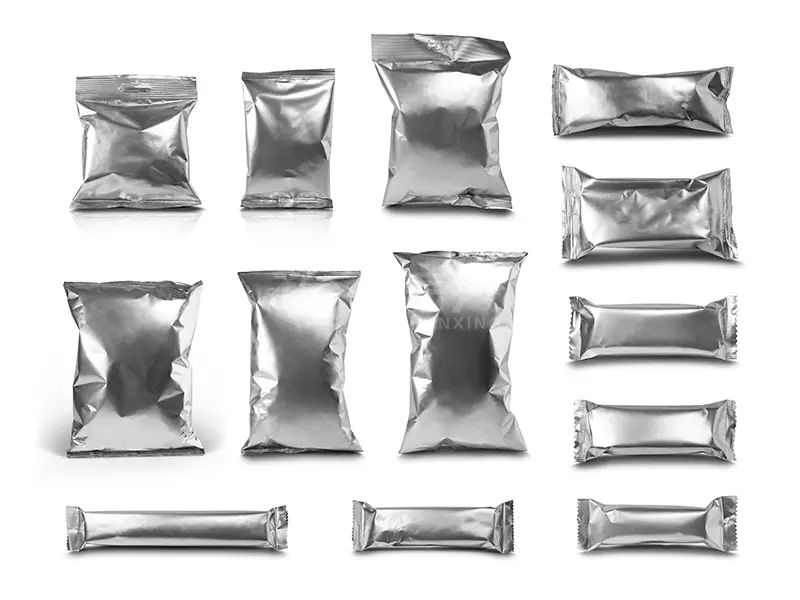


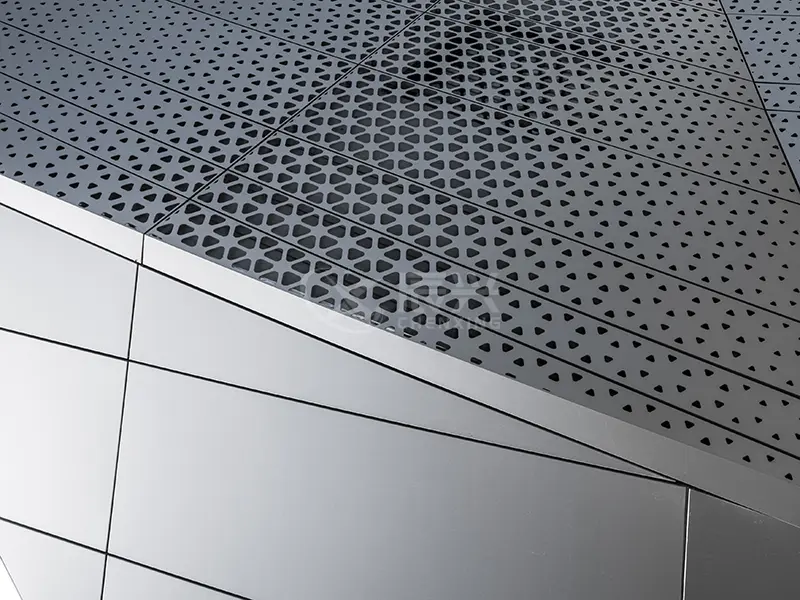

Embossed aluminum is widely used in multiple key industries:
Refrigeration & HVAC Systems: In walk-in freezers, industrial cold storage rooms, and domestic refrigerators, stucco embossed sheet serves as the primary internal lining. The textured pattern prevents direct contact scratches, diffuses surface condensation, and improves heat exchange efficiency compared to smooth liners.
Transportation Flooring and Trims: Stucco and diamond pattern sheets are popular choices for ambulance interiors, passenger bus floors, train steps, and utility trailers. The textured surface provides reliable anti-slip protection and increases mechanical wear resistance.
Architectural Exterior and Interior Cladding: Large-scale commercial projects use stucco embossed alloys to minimize specular glare, which can impact local environments. The texturing also helps hide surface irregularities that may occur during installation on uneven framing structures.
Insights into international trade trends, technical developments, and industrial supply lines
Global demand for structural metal shapes continues to rise, driving plant expansions and upgraded rolling lines.
Read Article
Discover the technical parameters and purity requirements for EV battery cell current collectors.
Read Article
Green building regulations drive the adoption of recyclable structural metal coatings worldwide.
Read ArticleGet in touch with our engineering team for customized alloy tempers, pattern samples, and competitive quotes.
Technical guidance and answers for professional procurement teams
Stucco embossed sheet features a textured surface that increases the active surface area by 15% to 22% compared to flat sheets. This extra area increases thermal dissipation efficiency, which is helpful in evaporators and refrigerators. Additionally, the pattern diffuses condensation and resists visible scratches during routine cleaning.
The 3003-H14 alloy is the industry standard for general industrial use. It contains 1.0-1.5% Manganese, which provides about 20% higher yield strength than 1xxx pure series sheets while maintaining excellent workability, structural strength, and corrosion resistance.
Yes, mechanical embossing alters the overall height of the sheet. For example, a 0.5mm flat sheet will have a greater pattern depth height (typically 0.7mm to 0.95mm depending on the pattern configuration) after embossing. Sourcing agents should specify both the base sheet thickness (e.g. 0.5mm base) and the required post-embossed profile depth.
Aluminum reacts with humidity in closed spaces, causing oxidation. To prevent this, export orders are packed using Volatile Corrosion Inhibitor (VCI) paper, moisture-proof plastic wrap, heavy-duty desiccant packs, and sturdy wood pallets. Secure, tightly banded packaging blocks salty air and moisture from entering.
Yes, both pre-painted and bare coils can be embossed. Pre-painted coatings (like PVDF or Polyester) are highly flexible and designed to bend without cracking or peeling under high pressure. Embossing pre-coated sheets adds texture while preserving the protection of the base color system.
Passing flat aluminum sheet between engraving rollers at room temperature work hardens the metal. The process changes the molecular arrangement, increasing the yield point and structural rigidity. This allows engineers to use thinner sheets while maintaining the strength of thicker flat plates.
Explore our high-performance alloys and industrial sheet materials