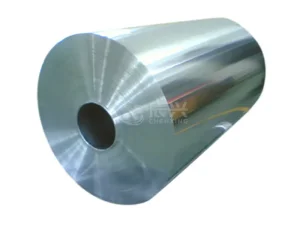
In the modern era of structural engineering and manufacturing, aluminum profiles have emerged as a foundational material across critical industries. The unique characteristics of extruded aluminum profiles—combining high strength-to-weight ratios, intrinsic corrosion resistance, excellent thermal/electrical conductivity, and near-infinite recyclability—have fueled their global market expansion. According to industrial trade analysis, the global market for aluminum extrusions is projected to reach unprecedented demand, driven by transition frameworks in clean energy, electrified logistics, and modular real estate construction.
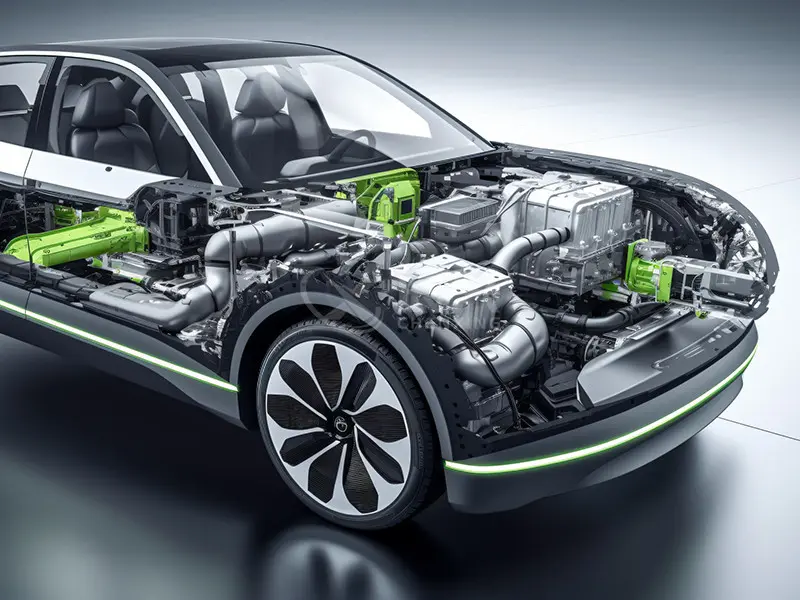
Historically, steel dominated structural architecture. However, the commercial push toward carbon neutrality and efficiency metrics has placed lightweighting at the top of the engineering priority list. Automotive sectors utilize complex profiles for electric vehicle (EV) battery enclosures and crumple zones; solar companies deploy custom structural profiles for solar panel mounting frames; and structural architects rely on curtain wall extrusions to build lighter, seismically resilient high-rise buildings.
"The shift toward high-precision aluminum extrusions represents more than a change in raw materials; it is an overhaul of manufacturing scalability, enabling downstream assembly speed, lower freight overheads, and circular lifecycle design."
The production cycle of aluminum profiles spans upstream bauxite mining and primary smelting, midstream billet production, and downstream precision extrusion, surface treatment, and CNC fabrication. While raw mining is distributed across Oceania, South America, and Africa, the precision processing sector—namely, extrusion capability—is highly clustered. Major industrial markets are concentrated across the Asia-Pacific region, North America, and Europe. Today, procurement managers weigh regional production capability based on energy reliability, domestic tariff environments, logistical proximity, and tooling capabilities.


China stands as the global epicentre of aluminum extrusion, commanding over 50% of the world’s manufacturing output. The core competitive edge of China’s factories lies in their highly integrated vertical supply chains. Within single localized industrial zones (such as those in Guangdong, Shandong, and Henan), primary smelters sit adjacent to secondary billet casting facilities, die design centers, extrusion lines, surface treatment facilities, and advanced CNC machining shops. This geographical configuration eliminates intermediate logistical steps, lowering transportation emissions and reducing lead times from months to weeks.
The production of high-performance profiles requires significant capital investment in extrusion presses. Standard applications utilize extrusion presses ranging from 600 to 2,500 metric tons. For heavy industrial sectors like high-speed rail, shipbuilding, and solar energy infrastructure, Chinese manufacturers deploy large-scale direct extrusion presses ranging from 5,000 to over 12,000 metric tons. These heavy-duty presses permit the extrusion of wider, hollow profiles with thin walls and intricate internal geometries, which are impossible to achieve with lower-capacity machinery.
| Alloy Series | Primary Alloy Elements | Standard Temper | Key Attributes | Typical Industrial Applications |
|---|---|---|---|---|
| 1xxx Series (e.g. 1100, 1050) | Pure Al (≥99.0%) | H14, O | High formability, excellent corrosion resistance, high electrical conductivity. | HVAC condensers, lighting assemblies, food-grade cookware, chemical equipment. |
| 3xxx Series (e.g. 3003, 3104) | Manganese (Mn) | H18, H24 | Moderate strength, highly workable, superior moisture barrier. | Cookware blanks, heat exchangers, pharmaceutical foil, deep-drawn container shells. |
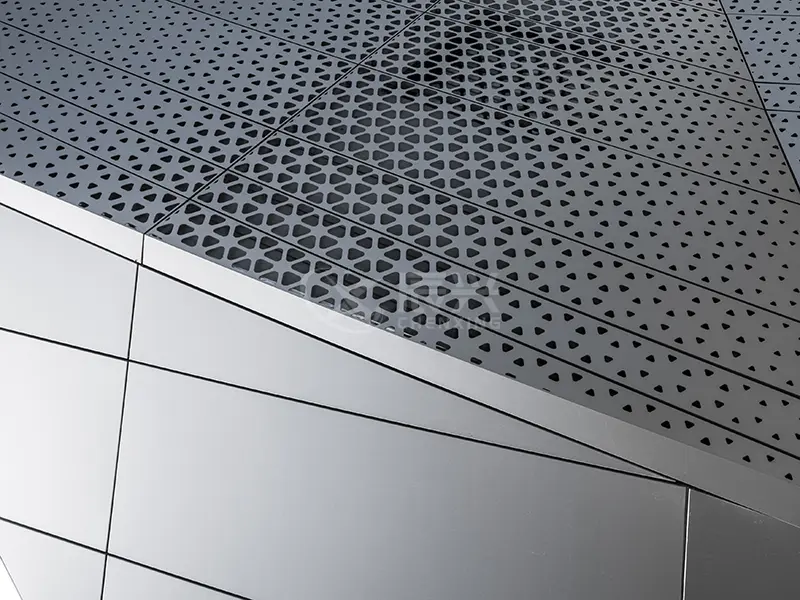
| 6xxx Series (e.g. 6063, 6061, 6082) | Magnesium & Silicon (Mg-Si) | T4, T5, T6 | Heat-treatable, high structural strength, excellent finish, easy to extrude. | Architectural framing, EV battery housings, solar frame profiles, window and door frames. |
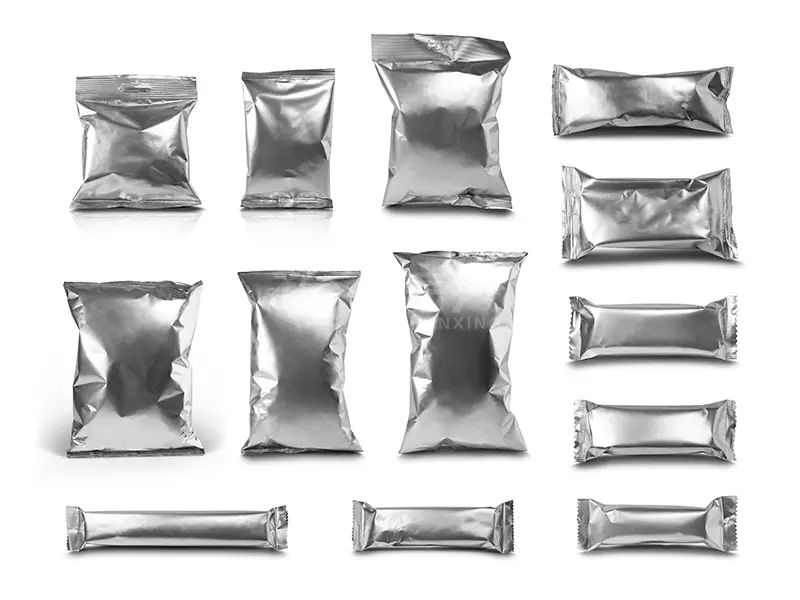
| 8xxx Series (e.g. 8011) | Iron & Silicon (Fe-Si) | O, H18 | Thin-gauge capability, high tensile strength in thin foils, excellent barrier. | Aseptic packaging, pharmaceutical blister packs, household wrapping foils. |
A crucial differentiator among top-tier manufacturers is their capability in surface treatment. Raw aluminum profiles naturally develop an oxide layer, but industrial requirements demand enhanced aesthetic appeal, wear protection, and resistance to environmental stress. High-grade surface treatments include:



B2B buyers face several challenges, including fluctuating raw material premiums (LME spot indexing), shipping logistics bottlenecks, and strict quality tolerances. The current procurement dynamic prioritizes manufacturers that offer a complete suite of services: from tooling design and prototyping to fabrication (cutting, drilling, tapping, CNC routing) and packaging.
As we look towards the next decade, three key trends are redefining the commercial aluminum extrusion landscape:
Global regulatory developments, such as the EU's Carbon Border Adjustment Mechanism (CBAM), require manufacturers to track the carbon footprint of their products. Using scrap post-consumer recycled (PCR) aluminum and smelting with clean hydroelectric power can reduce emissions from approximately 16-18 tonnes of CO2 per tonne of aluminum to less than 4 tonnes.
Advancements in metallurgy enable micro-alloying, where trace elements like zirconium or scandium are added to 6xxx or 7xxx series alloys. This improves structural integrity and weldability without compromising lightweighting efficiency, making them suitable for high-stress aerospace and automotive applications.
Top-tier manufacturing facilities deploy intelligent automated monitoring systems. Sensors track real-time variables like billet temperature, run-out speed, cooling fan rates, and profile dimensions. Machine learning loops adjust these parameters dynamically, resulting in consistent product dimensions across production batches.
When vetting international suppliers or factories, buyers should look beyond pricing to assess engineering capabilities. Use this checklist during factory audits:
6061 and 6063 are the most common alloys for structural extrusions. 6061 offers higher tensile and yield strength, making it ideal for high-stress applications like aerospace components, structural frames, and heavy machinery. 6063 provides superior surface finish options, making it the preferred choice for architectural windows, doors, and visual trims where aesthetic appeal is critical.
Temper designations (like T4, T5, and T6) represent the thermal and mechanical treatments applied to the alloy. T4 indicates solution heat treatment followed by natural aging. T5 indicates cooling from an elevated temperature shaping process followed by artificial aging. T6 represents solution heat treatment followed by artificial aging, providing the highest mechanical strength and hardness for structural applications.
Standard tolerances are governed by international guidelines such as EN 755-9 and DIN EN 12020. Standard commercial extrusions have dimensional tolerances within ±0.15mm to ±0.50mm depending on cross-sectional size. High-precision applications require tolerances within ±0.05mm, which are achieved through optimized die designs and calibrated cooling runs.
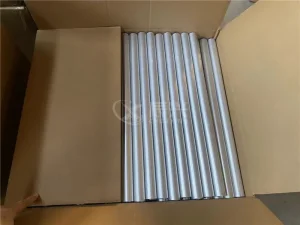
Maritime environments expose profiles to high humidity and salinity, which can cause surface corrosion. We prevent this by applying protective films, wrapping bundles in moisture-resistant plastics, using silica gel desiccant packs inside the crates, and packing products in sealed seaworthy wooden cases.
To provide an accurate quote, factories require: engineering drawings (2D CAD files like DWG/DXF, or 3D files like STEP/IGS), specified alloy composition and temper requirements, surface finish specifications (anodizing, powder coating, or mill finish), order volume, and packaging and shipping preferences.
For inquiries about our products or pricelists, please contact us and we will respond within 24 hours.