
Explore our primary manufacturing outputs featuring exact dimensional tolerances and optimized temper states for manufacturing, aerospace, and energy storage.
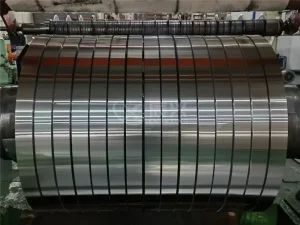
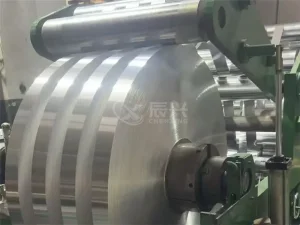
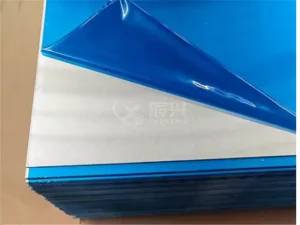
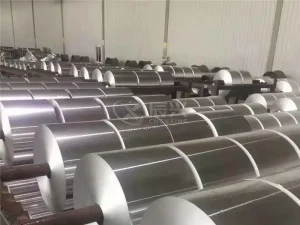
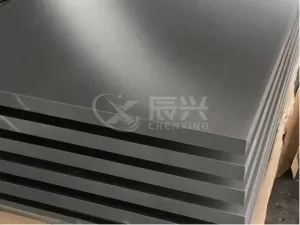
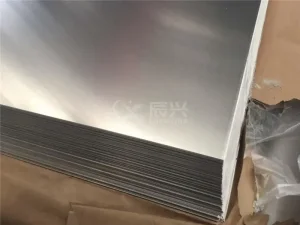
As the international manufacturing sector transitions toward decarbonization and lightweight structural engineering, the requirement for premium-grade aluminum strips is growing exponentially. Aluminum strip, derived through the precise slitting of master coils, serves as the structural and electrical backbone for multi-billion-dollar industries, including electric vehicles (EV), high-density battery packs, telecommunications, HVAC, and building insulation systems.
We work with clean chemistry limits across 1xxx (1050/1060), 3xxx (3003/3104), and 5xxx (5052/5754) series alloys, assuring optimized grain structures, superior drawability, and maximum electrical conductivity.
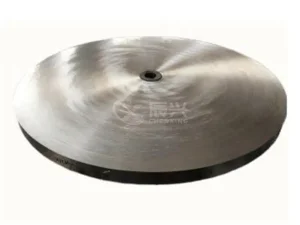
Our ultra-modern slitting machines maintain width tolerances down to ±0.05 mm and thickness deviations within micrometric thresholds, avoiding edge burrs and deformation.
In accordance with global net-zero emissions mandates, our factories emphasize low-carbon primary smelting, scrap-loop recycling integration, and closed-loop process water systems.
Every batch comes with full material tracing reporting, including Mill Test Certificates (MTC) conforming to EN 10204 3.1, chemical analysis spectrographs, and mechanical stress test validations.
Modern industrial purchasing agents prioritize reliability, chemical purity, and structural consistency. The global aluminum strip market is evolving due to changes in product standards and end-user requirements. Key areas of growth include:
Demands for high-efficiency heat dispersion require ultra-thin aluminum foil strips (alloy 8011/3003) capable of withstanding intense thermal cycling without micro-cracking or atmospheric oxidation.
Aluminum strips are widely utilized as shielding wraps for high-voltage cables. Standard requirements demand uniform tensile strength and consistent elongation properties to prevent tearing during high-speed wrapping operations.
Replacing copper with aluminum in transformers offers a cost-effective, lightweight alternative. This requires burr-free edges (round edges or finished chamfering) to prevent electrical breakdown across interleaving films.
As a leading industrial manufacturer, we have integrated intelligent systems within our processing lines. Our manufacturing facilities utilize digital twins, automated raw-material tracking, and real-time slitting diagnostics. This guarantees that every ton of aluminum strip produced adheres strictly to international ASTM, EN, and GB standards.
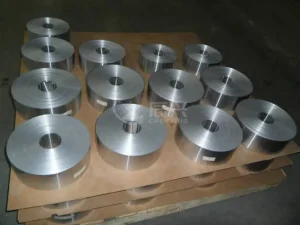
Operating near major logistics ports, we coordinate closely with ocean carrier alliances to guarantee stable freight paths and predictable lead times. Our moisture-barrier export packaging, incorporating vacuum-sealed plastic bags, silica gel desiccant packs, and heavy-duty steel-strapped wooden pallets, ensures that our aluminum strips arrive dry and free from corrosion.
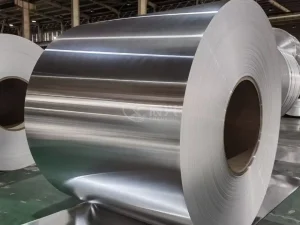
Our processing lines include multi-roll tension leveling systems that eliminate residual strip stress, ensuring flat, wave-free strips. We utilize online chemical degreasing systems to remove processing oils, preparing the surface for subsequent coating, lamination, or welding operations.
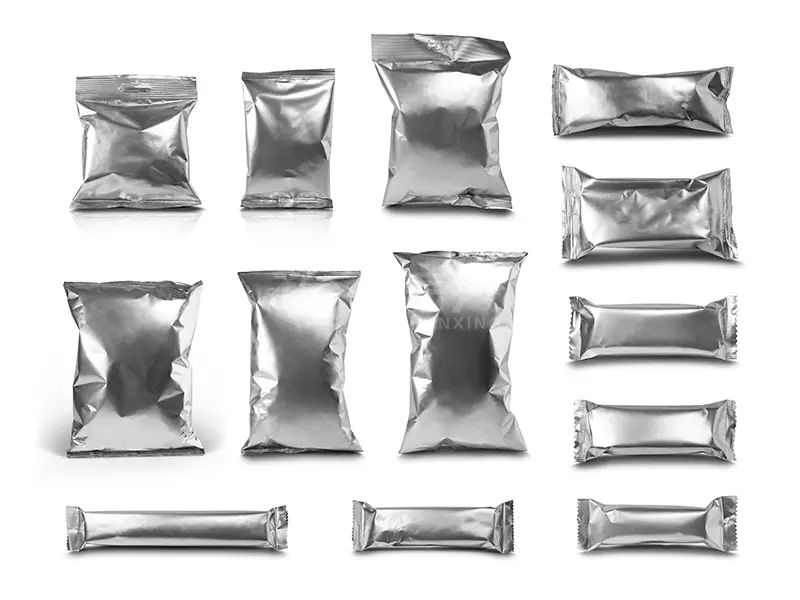
From deep-sky aerospace engineering to daily household conveniences, our aluminum solutions adapt to diverse specifications.



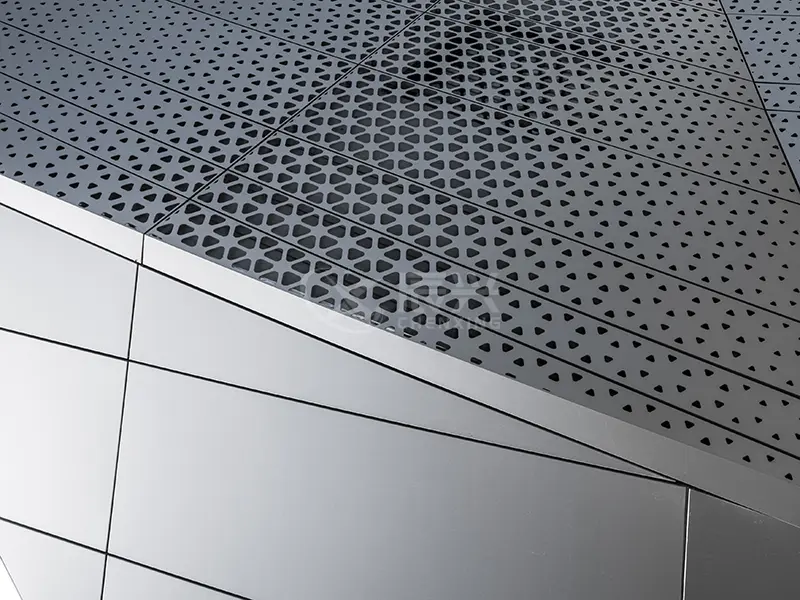

Stay informed with updates regarding trade developments, pricing shifts, and technical innovations.
Ongoing dynamics in global trade tariffs drive demand adjustments across key processing facilities.
More news
The expansion of global EV gigafactories accelerates the requirement for carbon-coated battery foils.
More news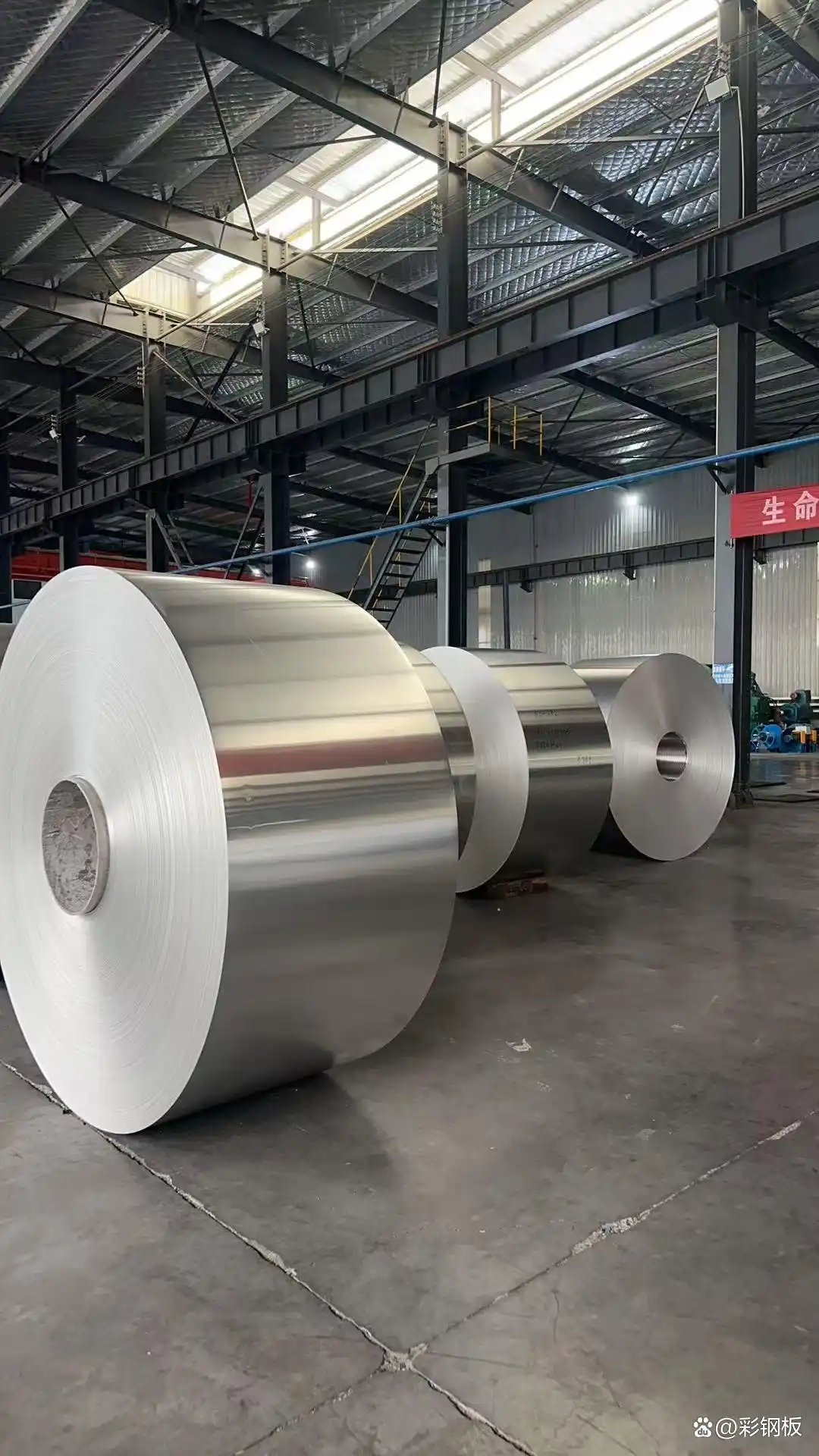
Global infrastructure projects drive demand for coated aluminum coil products.
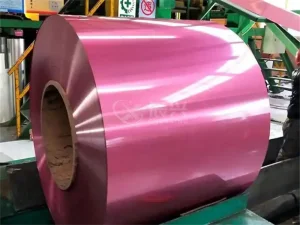
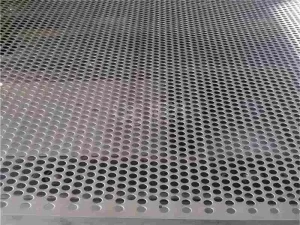
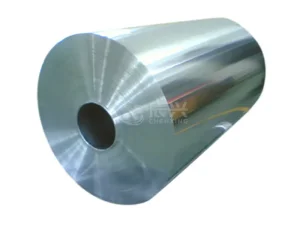
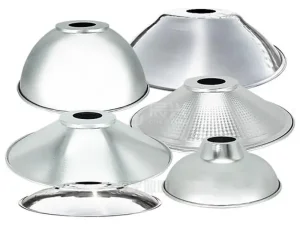
More newsFrom precision perforated sheets to specialty coated foils, discover our comprehensive processing capabilities.
Technical information compiled by our metallurgy and quality assurance teams.
Slit-edge strips are produced using standard rotary shear cutters, resulting in a square-cut edge that is suitable for general applications but may retain micro-burrs. Round-edge (or deburred) aluminum strips undergo secondary mechanical edge-conditioning to remove sharp edges. This is critical for electrical applications like transformer windings, where burrs could puncture insulating films and cause electrical failure.
For composite tubes (such as PEX-AL-PEX pipes), the 3003 and 5052 alloys are most common. 3003 aluminum offers excellent workability and corrosion resistance at a competitive cost. If higher pressure ratings are required, 5052 provides greater tensile strength and fatigue limit, though it requires precise control of welding parameters.
To prevent oxidation, we use moisture-barrier packaging. This includes wrapping the coils in plastic film, adding desiccant packs, and enclosing the assembly in heavy-duty wooden crates. Additionally, controlling the storage environment before shipping is critical to prevent condensation between the tightly wound wraps.
Our advanced CNC slitting lines can maintain width tolerances of ±0.05 mm on thin-gauge strips. Thickness tolerances are controlled closely to conform to ASTM B209 and EN 485 standards, minimizing raw material variance during roll-forming or stamping operations.
Submit your required alloy grade, thickness, width, and quantity. Our engineers will reply within 24 hours.