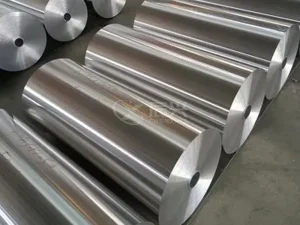
Two decades of continuous metallurgical refining and cold-rolling processing capability.
Active supply contracts with tier-one clients in North America, the EU, and East Asia.

Real-time inline surface inspections and complete traceability profiles for every coil.

Accelerated corporate engineering support to address product configuration requirements.
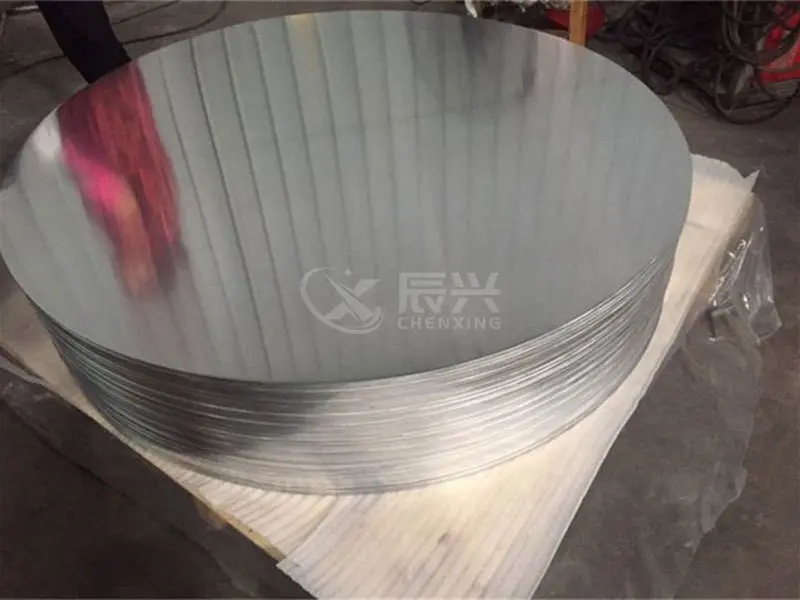
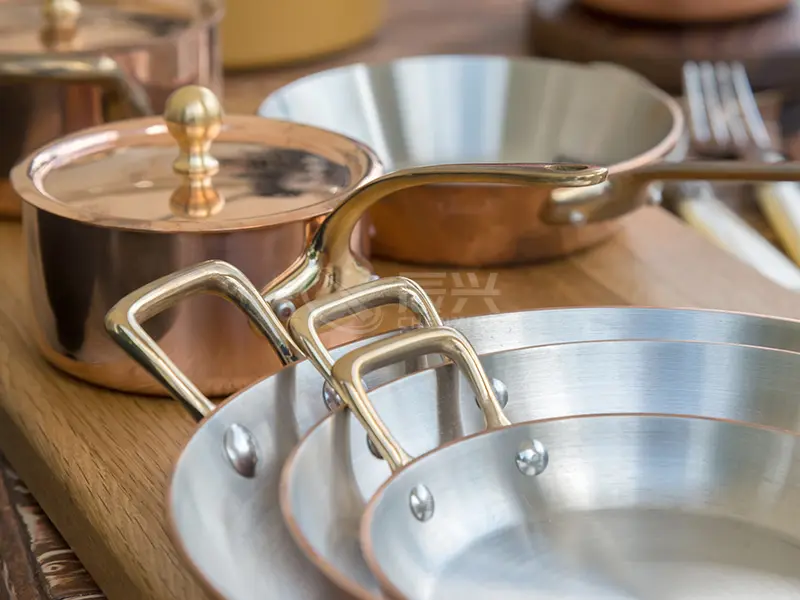
Highly pure ductile alloy optimized for spun cookware, reflectors, and light stamping.
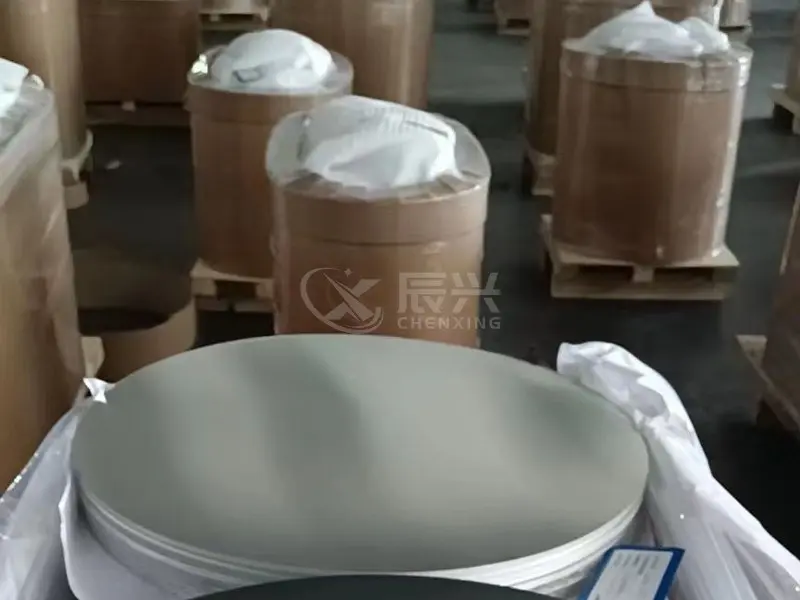
Manganese-doped alloy providing superior strength over pure aluminum for industrial pressure vessels.
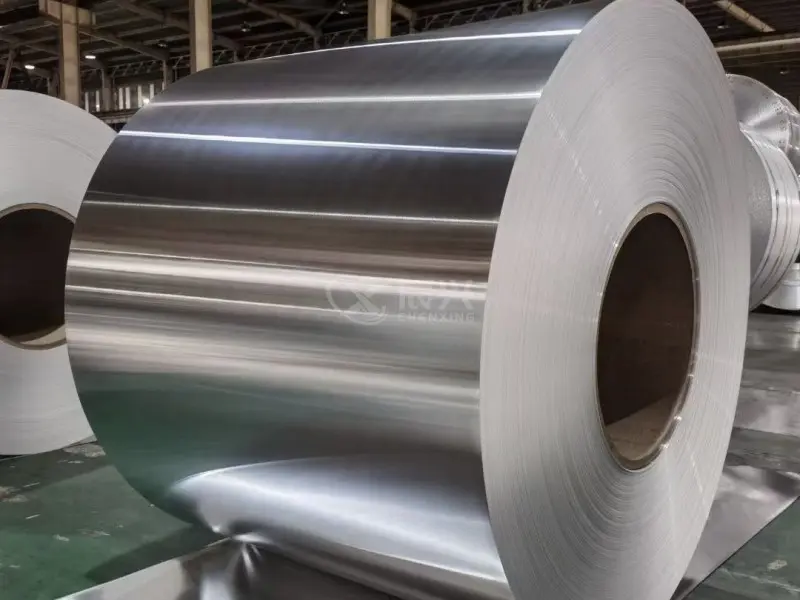
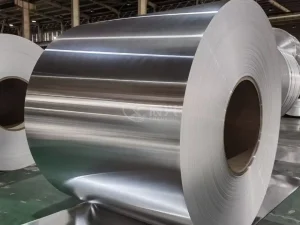
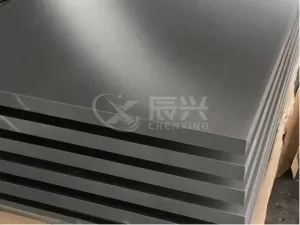
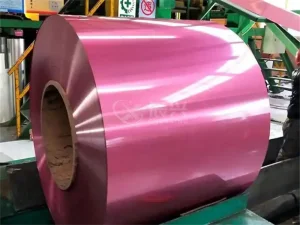
General structural rolled coils available in custom widths and temper specifications.
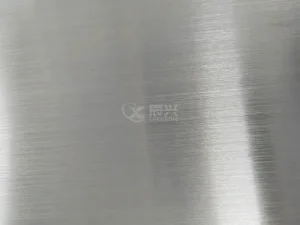
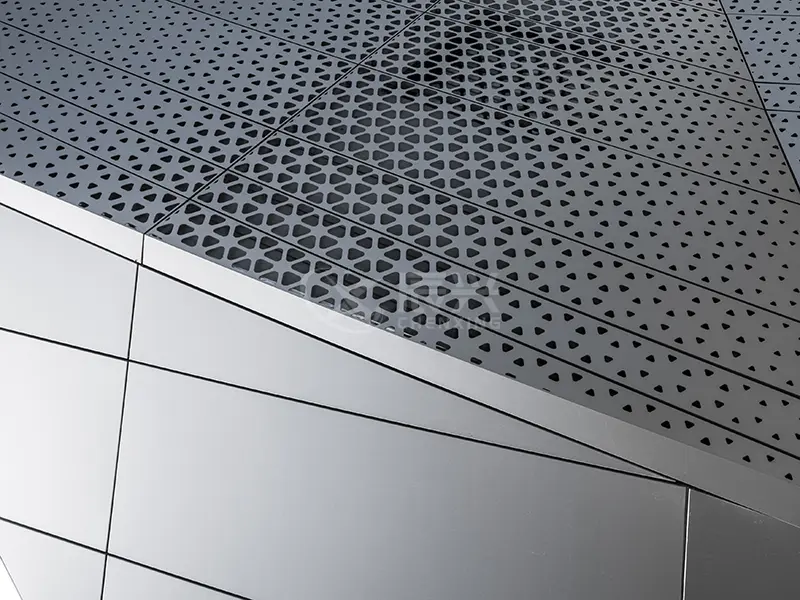
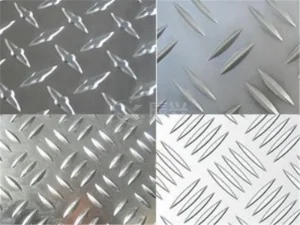
Engineered surface textures with premium anodizing options for electronic casings.
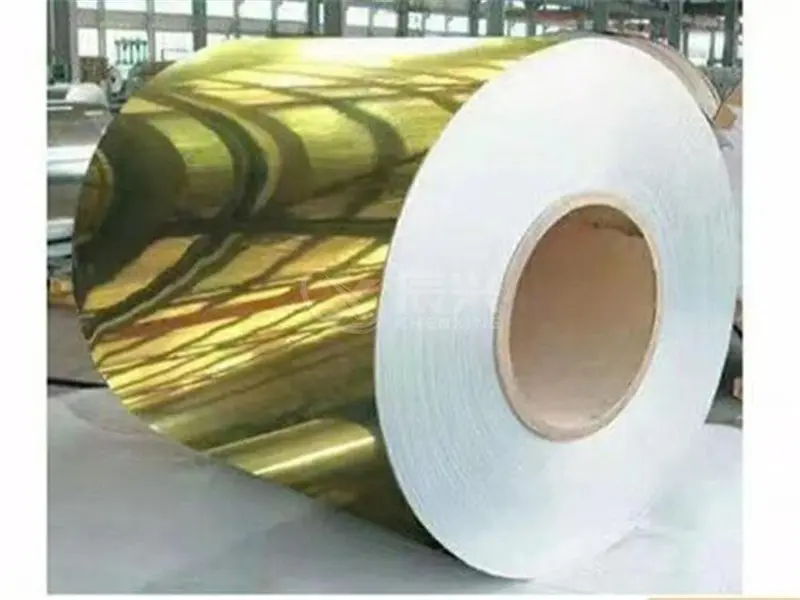
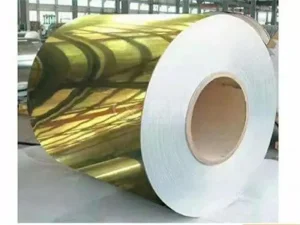
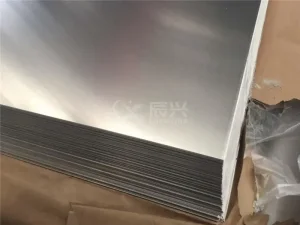
Highly reflective aluminum sheet engineered for lighting structures and solar thermal collectors.
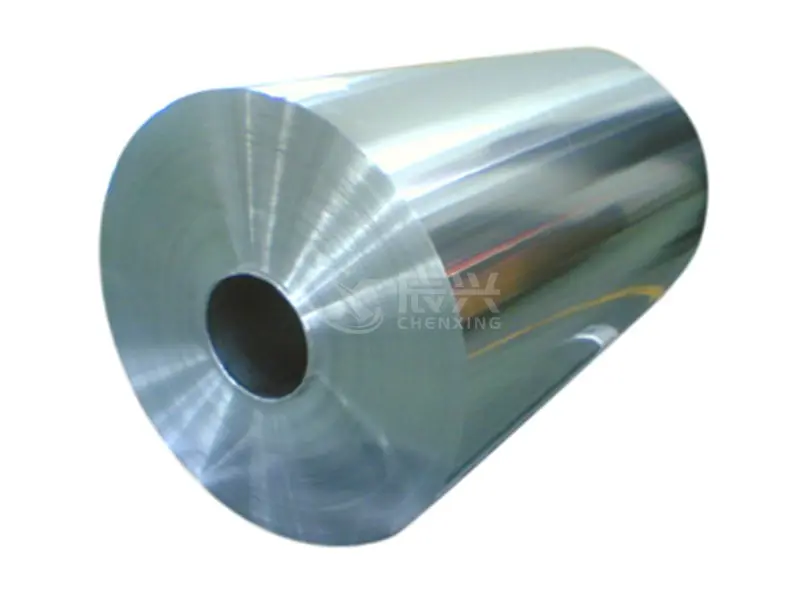
Hydrophilic coated foil designed specifically to maximize heat-exchange efficiency in HVAC evaporators.
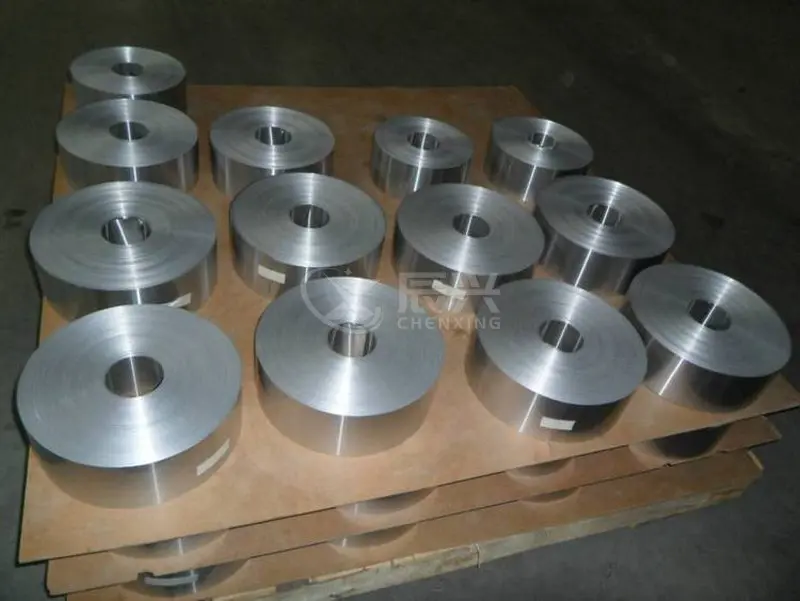
Reinforced laminated foil offering puncture resistance and high thermal protection inside flexible ductways.
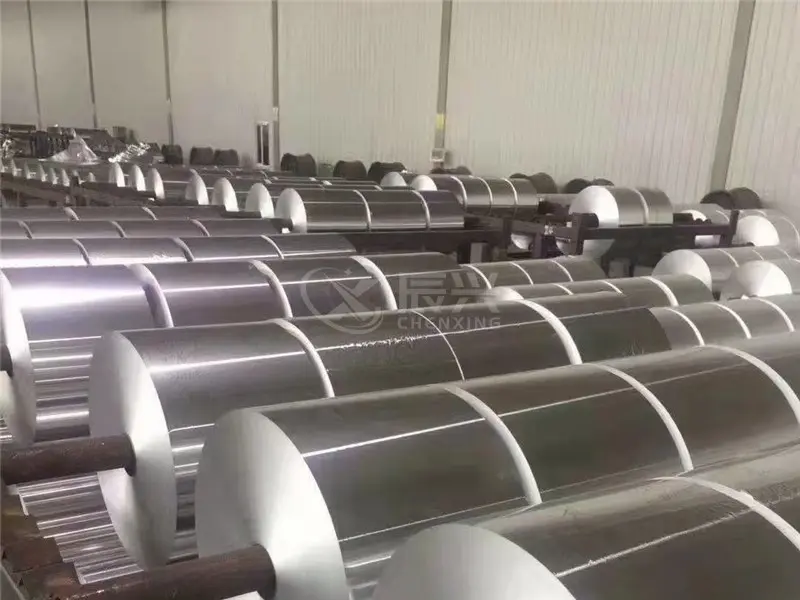
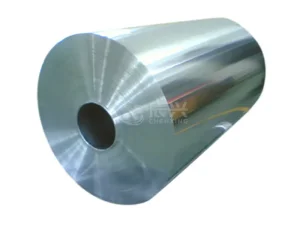
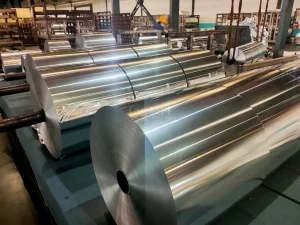
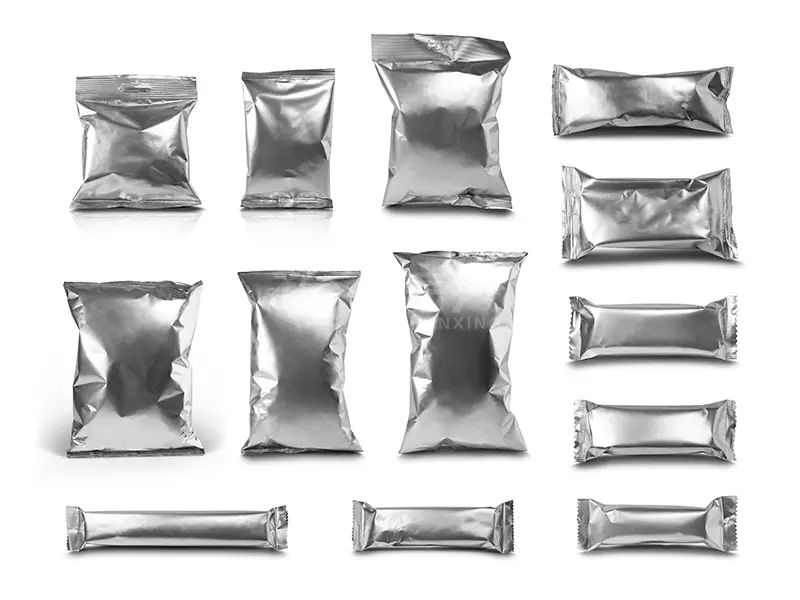
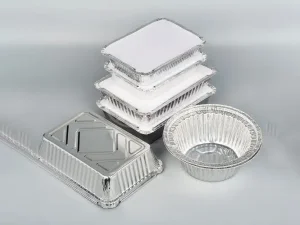
High-grade metallurgical barrier foil optimized for food container, pharmaceutical packaging, and industrial shielding.
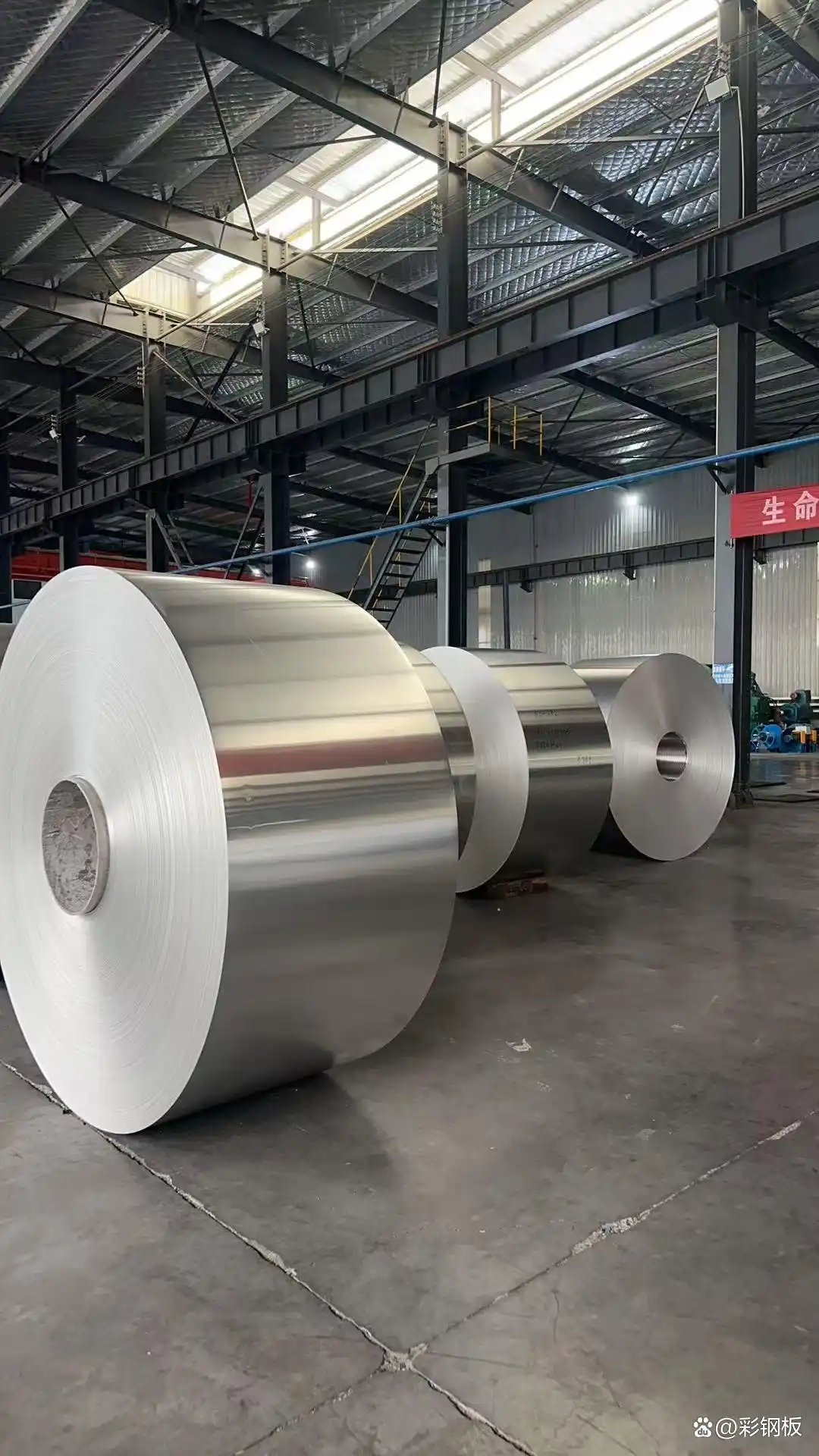
In modern global manufacturing ecosystems, high-quality aluminum coils serve as the primary raw feedstock across a variety of demanding industrial sectors, including automotive outer structures, structural aerospace frames, food-grade packaging barriers, and heavy duty HVAC heat exchangers. As leading global aluminum coil manufacturers, our operations are optimized to produce cold-rolled and hot-rolled coils that satisfy exact mechanical tolerances, uniform chemical configurations, and high surface integrity.
Understanding the microstructural behaviors, alloy compositions, and post-rolling tempering processes is necessary for procurement engineers and project managers to choose the correct material grade. This technical report provides detailed insights into our smelting operations, alloy options, finish processing techniques, and quality-assurance systems, establishing a clear pathway to maximize performance while minimizing overall lifetime component costs.
The modern aluminum coil supply chain is subject to shifting geopolitical considerations, logistics constraints, and environmental compliance targets. For global buyers, finding a high-capacity aluminum coil manufacturer involves more than evaluating unit prices. It requires choosing a partner with deep logistical expertise, clear pricing mechanisms, and cross-border regulatory compliance.
With the implementation of carbon-accounting regulations such as the European Union’s Carbon Border Adjustment Mechanism (CBAM) and the global push toward clean manufacturing, we have integrated carbon-efficient practices directly into our production lines. By sourcing primary ingots from smelters powered by renewable hydroelectric energy and incorporating recycled aluminum scrap, we assist our partners in meeting Scope 3 emission targets without sacrificing material performance.
Our international shipping channels are protected by regional warehousing strategies and direct ocean-freight partnerships. Whether navigating tariff structures in North America or meeting standard certification requirements in Europe, our documentation process ensures clear shipping flows, avoiding customs delays and maintaining supply security for just-in-time (JIT) production lines.
Selecting the appropriate aluminum alloy series requires balancing structural strength, formability, corrosion resistance, and post-processing capabilities. Below, we examine the technical characteristics of the primary alloys manufactured on our rolling lines:
| Alloy Family | Primary Alloying Elements | Mechanical Properties | Core Industrial Applications |
|---|---|---|---|
| 1xxx Series (e.g., 1050, 1060, 1100) | Pure Aluminum (≥ 99.0%) | High ductility, superior thermal/electrical conductivity, excellent corrosion resistance. Lower tensile strength. | HVAC fins, chemical process vessels, electrical busbars, transformer windings. |
| 3xxx Series (e.g., 3003, 3105) | Manganese (Mn) | Moderate strength, good formability, excellent drawability, highly resistant to environmental exposure. | Appliance casings, stamped beverage cans, architectural siding, automotive heat shields. |
| 5xxx Series (e.g., 5052, 5754, 5083) | Magnesium (Mg) | High tensile strength, exceptional weldability, outstanding resistance to marine atmospheric corrosion. | Marine hulls, pressure vessels, vehicle chassis panels, inner structural brackets. |
| 6xxx Series (e.g., 6061, 6082) | Magnesium & Silicon (Mg-Si) | Precipitation-hardenable, high structural strength, great machinability, high impact resistance. | Heavy-duty structural components, transport vehicles, structural frames. |
| 7xxx Series (e.g., 7075) | Zinc (Zn) | Ultra-high yield and tensile strength, comparable to mild steels. High fatigue limits. | Aerospace bulkheads, military armor, high-stress structural components, tooling plates. |
Our tempering process determines the final mechanical behavior of the material. Whether our customers require an O (annealed) temper for deep drawing, an H14/H24 (strain hardened) temper for general forming, or a T6 (solution heat-treated and artificially aged) state for structural strength, our continuous thermal furnaces guarantee uniform cross-sectional properties across the entire coil width.
In many applications, the performance of the aluminum coil depends on its surface properties. Our state-of-the-art coating lines provide architectural, protective, and functional coatings tailored to different service environments:
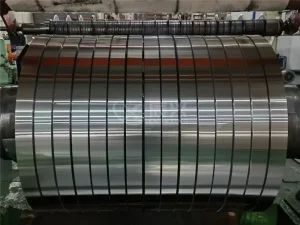
Our surface processing lines also include tension levelers, slitting equipment, and cut-to-length shears. This ensures that every shipped coil maintains tight flatness parameters, preventing edge wave or center buckle during automated roll-forming and stamping.
Our aluminum coil configurations are engineered to meet the unique structural requirements and local compliance frameworks of different markets:
HVAC and Condenser Fin Stock: In regions with harsh marine climates or high pollution levels, standard HVAC fins degrade quickly. We manufacture hydrophilic and epoxy-coated 1100 and 8011 foils that resist atmospheric salts, keeping heat transfer rates stable over decades of operation.
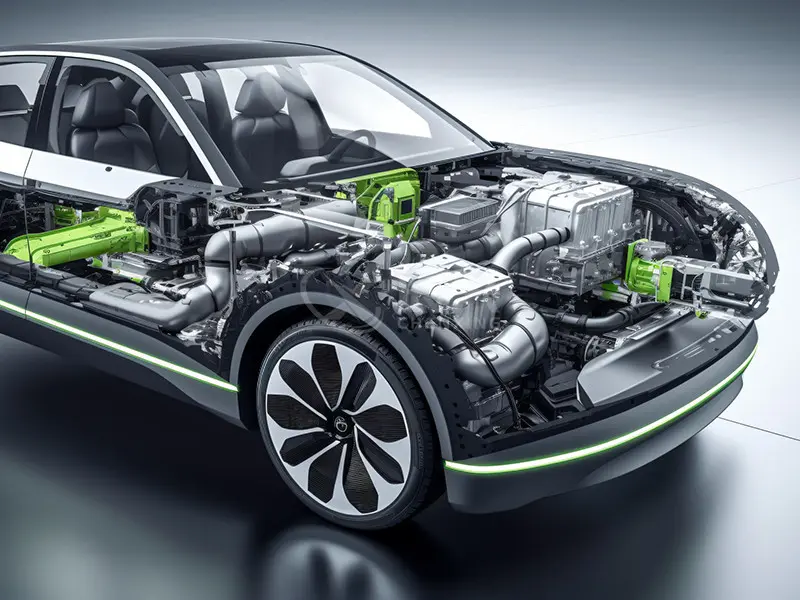
Electric Vehicle (EV) Battery Casings and Foils: The global transition to electric mobility requires battery-grade foil with uniform thickness and high surface cleanliness. Our specialized cleanrooms produce ultra-thin battery foils with low oil residues, ensuring strong bonding and stable electrical transfer in lithium-ion batteries.
Architectural Exterior Cladding: Under regional building safety codes, exterior materials must meet strict fire and wind resistance standards. Our aluminum composite panel (ACP) feedstocks comply with ASTM, EN, and GB fire safety certifications, providing building designers with reliable structural performance.
As engineering demands evolve, we continue to invest in R&D to improve the mechanical performance and environmental profile of our aluminum coils:
Inline AI Defect Recognition: By deploying high-resolution optical inspection cameras paired with machine learning algorithms, we identify surface irregularities, slivers, and roll marks during the cold-rolling process. This ensures that only high-quality material is packaged and shipped.
High-Performance Recycled Alloys: Historically, utilizing recycled scrap meant accepting mechanical compromises due to trace element accumulation. Our refined purification and sorting processes allow us to produce high-percentage recycled content coils that match the mechanical properties of virgin alloys.
Micro-Alloying Research: By introducing trace elements of scandium, zirconium, and titanium, our metallurgists are developing next-generation alloys. These new materials offer higher fatigue resistance and weld joint strength, optimizing structural components for automotive weight reduction.
Our cold-rolling lines maintain a thickness tolerance of down to ±0.01 mm for standard gauges, and thinner ranges for foil products. Width tolerances are kept within ±0.5 mm using automated rotary slitting knives. We provide certified inspection sheets with every shipment to verify batch uniformity.
Water staining (white rust) occurs when moisture gets trapped between tightly wound coil wraps. To prevent this, we pack our coils with high-grade desiccant packs, wrap them in vapor-corrosion inhibitor (VCI) film, and seal them in durable wooden crates. This packaging is designed to withstand sea freight and variable humidity conditions.
For severe stamping and deep-drawing processes, such as food container production or complex enclosures, we recommend the 1xxx series (e.g., 1050 or 1060) or the 3003 alloy in an annealed "O" temper state. These configurations offer high elongation properties and minimize split rates during forming.
Every batch is shipped with a Mill Test Certificate (MTC) compliant with EN 10204 3.1. This certificate details the chemical composition (percentages of Si, Fe, Cu, Mn, Mg, Zn, Ti), tensile strength, yield strength, elongation percentages, and confirms compliance with RoHS, REACH, and relevant ASTM/EN standards.
We operate in compliance with ISO 14001 environmental management standards. We calculate our carbon footprint per ton of aluminum produced and offer low-carbon options utilizing hydroelectric smelting and recycled scrap feeds. We provide complete carbon-accounting sheets to help our clients meet regional environmental import requirements.
For inquiries about our product specifications, alloy choices, lead times, or customized pricing, contact our engineering support team. We will respond within 24 hours with a comprehensive 8D engineering response.
Submit Inquiry Now