China Air Conditioning Aluminum Foil Suppliers - Factory Direct Heat Sink Aluminum Foil for Efficient Cooling Solutions

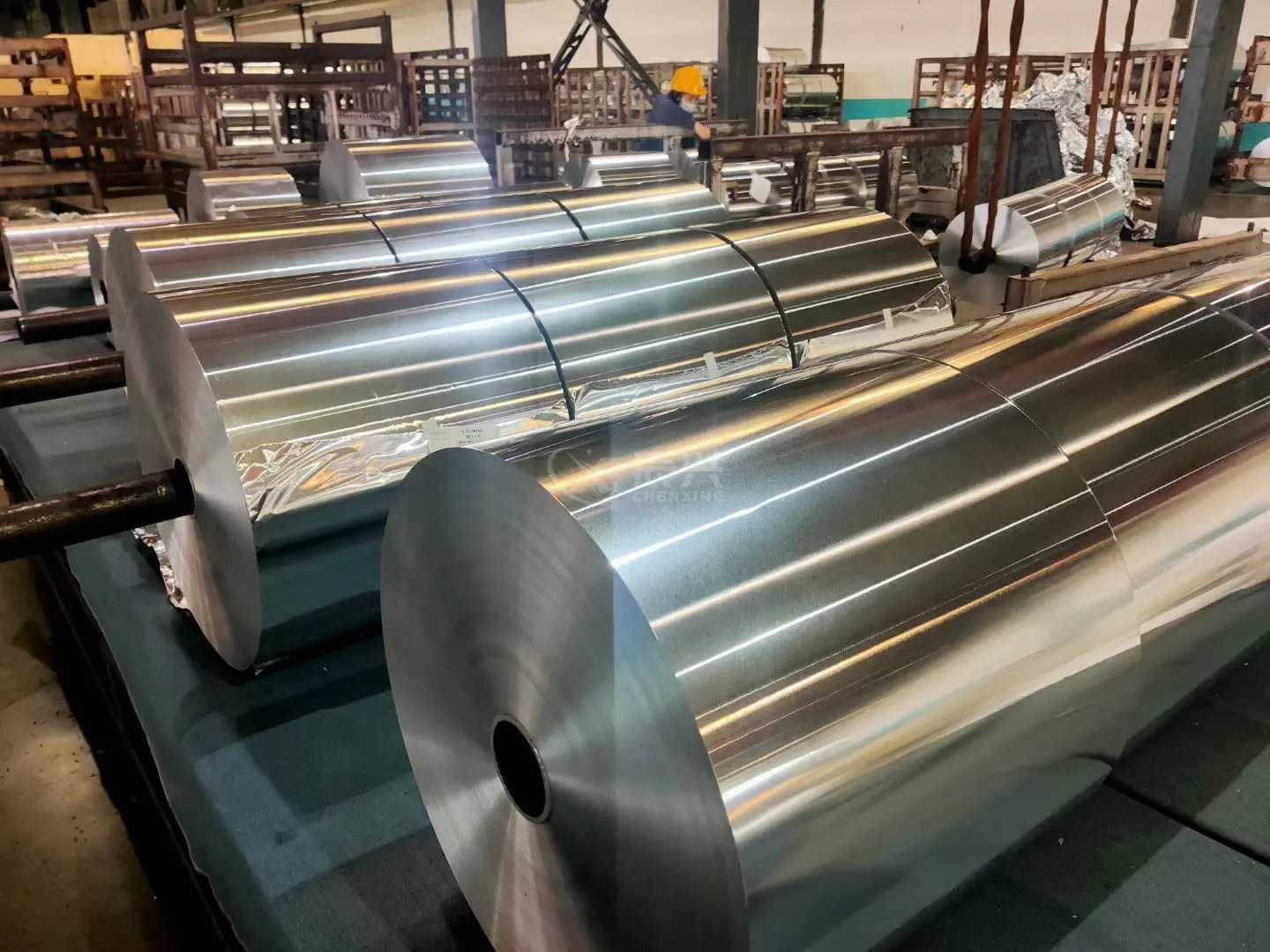
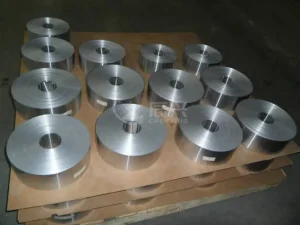
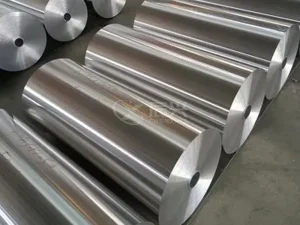
Air conditioning aluminum foil, often referred to as air conditioner heat sink aluminum foil, is a specialized material essential for efficient heat dissipation in air conditioning systems. This high-performance foil is available in two main varieties: plain air conditioning aluminum foil and coated air conditioning aluminum foil. Sourced from reputable suppliers in China, our factory produces top-quality aluminum foil that ensures optimal performance and durability in your HVAC applications. Trust our expert manufacturing capabilities to provide you with the best air conditioning aluminum foil solutions available on the market

Product Description

🔬 Key Technical Indicators
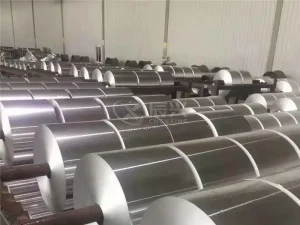
Uncoated Aluminum Foil

Mainly includes chemical composition, tensile strength, elongation and cupping value and other mechanical performance indicators.

Coated Aluminum Foil

In addition to the performance indicators of uncoated aluminum foil, it also includes plate shape, coating thickness, coating adhesion, hydrophilic performance and corrosion resistance.


⚙️ Applications

In air conditioning systems, it is mainly used in evaporators and condensers as heat sinks to improve heat exchange efficiency. In cooling mode, it helps absorb heat from the indoor environment and transfer it outdoors. In heating mode, it transfers heat from the outdoors to the indoors. It can also be used in air conditioning duct systems to reduce energy loss during air flow.


📋 Description
  • Air Conditioning Aluminum Foil is also known as AC foil, HVAC aluminum foil, heat exchanger aluminum foil, fin stock aluminum foil, condenser aluminum foil.
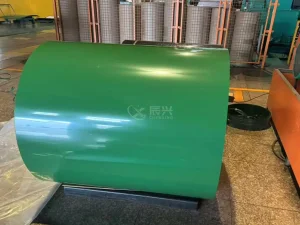
  • Main types include plain aluminum foil and hydrophilic aluminum foil, with hydrophilic coated foil being the most widely used for its anti-corrosion and anti-fogging performance. Common colors are silver (original color), blue, light green, yellow and gray, with blue and light green being the most popular due to good hydrophilicity and heat-dissipation appearance.
  • It is mainly used for air conditioner evaporators, condensers, radiator fins, refrigeration heat exchangers and HVAC cooling components.
  • Common thickness ranges from 0.07 mm to 0.15 mm, with standard widths of 100 mm–1200 mm in various coil sizes. For air conditioning systems, 0.09–0.11 mm hydrophilic blue or green foil is the most recommended for stable heat transfer, long service life and cost efficiency.
Global demand for air conditioning aluminum foil is growing steadily at 8% CAGR (2024–2030), driven by HVAC expansion, energy efficiency upgrades, and aluminum-for-copper substitution. Asia-Pacific leads, with China growing fastest at 12.3% CAGR.

🖼️ Detail Image
Detail 1
Detail 1
Detail 2
Detail 2
Detail 3
Detail 3
Detail 4
Detail 4

Frequently Asked Questions
Q What is air conditioning aluminum foil and what are its common names?
Air conditioning aluminum foil is a thin aluminum material used in HVAC heat exchange components. It is also widely known as AC foil, HVAC aluminum foil, heat exchanger aluminum foil, fin stock aluminum foil, and condenser aluminum foil.
Q What is the difference between plain aluminum foil and hydrophilic aluminum foil for air conditioners?
Plain aluminum foil has no surface coating and relies on its base mechanical properties. Hydrophilic aluminum foil features a special coating that improves anti-corrosion, anti-fogging, and water drainage performance, making it the most widely used type in modern air conditioning systems.
Q What thickness and width are recommended for air conditioning aluminum foil?
Common thickness ranges from 0.07 mm to 0.15 mm, with standard widths of 100 mm to 1200 mm. For most air conditioning applications, a thickness of 0.09–0.11 mm hydrophilic blue or green foil is the most recommended for optimal heat transfer, durability, and cost efficiency.
Q What are the key technical indicators for coated aluminum foil?
For coated aluminum foil, key technical indicators include all the mechanical performance indicators of uncoated foil (chemical composition, tensile strength, elongation, cupping value), plus plate shape, coating thickness, coating adhesion, hydrophilic performance, and corrosion resistance.
Q How is air conditioning aluminum foil used in HVAC systems?
It is primarily used in evaporators and condensers as heat sink fins to enhance heat exchange efficiency. In cooling mode, it absorbs indoor heat and transfers it outdoors; in heating mode, it transfers outdoor heat indoors. It is also used in duct systems to minimize energy loss during airflow.
Q What is the market growth trend for air conditioning aluminum foil?
Global demand is growing at a steady 8% CAGR from 2024 to 2030, fueled by HVAC market expansion, energy efficiency upgrades, and the substitution of copper with aluminum. Asia-Pacific is the leading region, with China experiencing the fastest growth at 12.3% CAGR.

Related Products