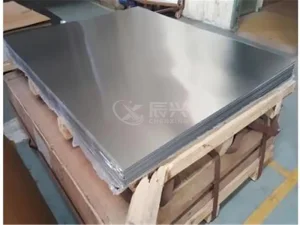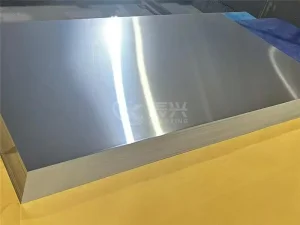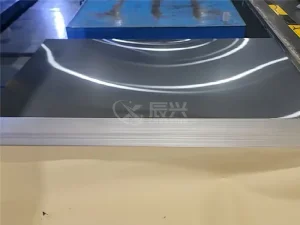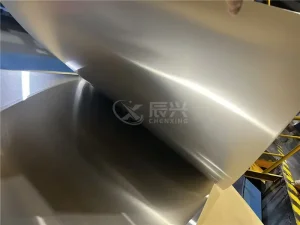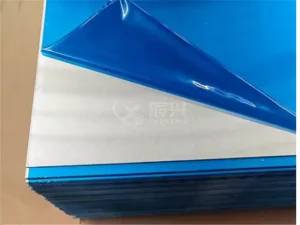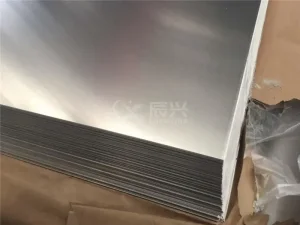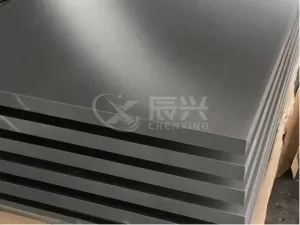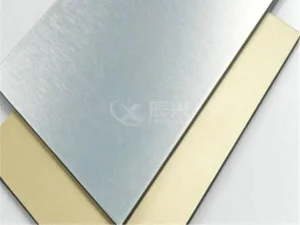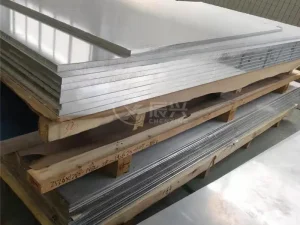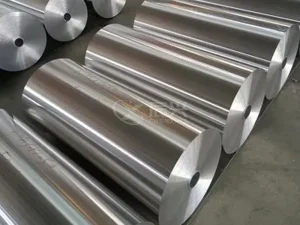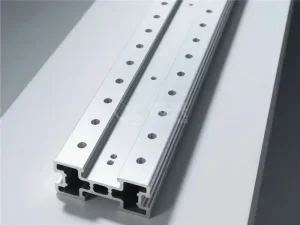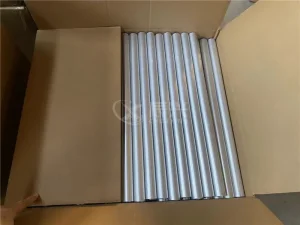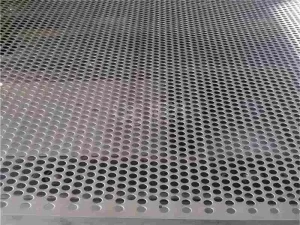
The global aluminum sheet manufacturing landscape is experiencing a paradigm shift driven by technological convergence, environmental regulations, and lightweighting initiatives across major heavy industries. As a critical material, aluminum sheets (varying from 1xxx to 8xxx alloy series) provide the perfect balance between mechanical strength, electrical conductivity, corrosion resistance, and recyclability. The modern global market demands high precision, consistent metallurgy, and streamlined supply chains capable of meeting exact specifications defined by standards such as ASTM, EN, and JIS.
In the context of the green transition, European and North American procurement strategies are heavily focused on Low-Carbon Aluminum (LCA). Decarbonizing the smelting process and increasing post-consumer recycled content are no longer secondary metrics; they are pivotal procurement directives. Aluminum sheet manufacturers have adapted by integrating smart melting furnaces, electromagnetic stirrers, and continuous casting systems that reduce overall energy footprint by up to 20% compared to traditional hot rolling operations.
| Alloy Series | Primary Elements | Mechanical Strengths | Key Properties | Primary Industry Applications |
|---|---|---|---|---|
| 1xxx (e.g., 1050, 1100) | Al ≥ 99.0% / 99.5% | Low (Tensile 75-110 MPa) | High thermal/electrical conductivity, excellent workability | Power transmission, industrial chemical equipment, reflectors |
| 3xxx (e.g., 3003, 3104) | Manganese (Mn) | Medium (Tensile 110-190 MPa) | Exceptional formability, high corrosion resistance | Beverage cans, HVAC heat exchangers, roofing & cladding |
| 5xxx (e.g., 5052, 5754, 5083) | Magnesium (Mg) | Medium-High (Tensile 190-340 MPa) | Superior saltwater corrosion resistance, excellent weldability | Marine hulls, pressure vessels, fuel tanks, transport bodies |
| 6xxx (e.g., 6061, 6082) | Magnesium & Silicon | High (Tensile 290-370 MPa) | Heat-treatable, excellent machinability, structural strength | Structural framing, automotive body-in-white (BIW), rail cars |
| 7xxx (e.g., 7075) | Zinc (Zn) | Ultra-High (Tensile 480-570 MPa) | High yield strength-to-weight ratio, structural fatigue resistance | Aerospace bulkheads, military armor plates, high-stress tooling |
When sourcing aluminum sheets for challenging stamping or deep-drawing processes (such as 3104 for beverage can bodies or 5052 for complex automotive casings), buyers must analyze the sheet's planar anisotropy (r-value) and strain-hardening exponent (n-value). Substandard thermal processing at the factory level results in severe "earing" during deep drawing, causing material waste and tooling jams. High-tier Chinese manufacturers employ precision cold-rolling gauges and continuous annealing lines (CAL) to produce highly isotropic crystalline structures, ensuring flawless metal flow under high dynamic stress.
China has evolved from a volume-based supplier to an advanced technology partner in aluminum fabrication. The efficiency of China's aluminum mills is grounded in structural and technological factors:
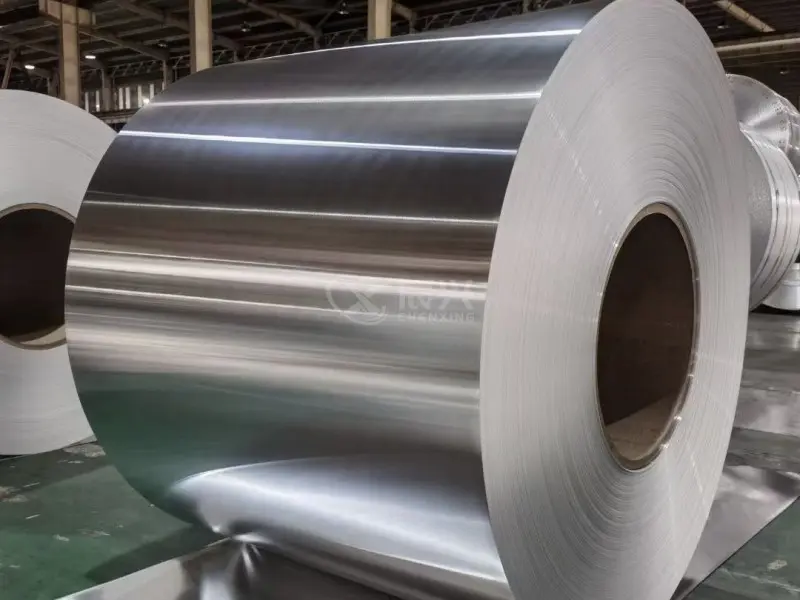
Chinese facilities feature integrated processes from raw liquid aluminum input to finished cold-rolled coils, minimizing energy loss from re-heating and optimizing processing efficiency.
Integration of real-time surface detection systems. High-resolution laser scanners scan 100% of sheet surfaces at speeds up to 1500m/min, automatically identifying micro-cracks, pinholes, or deviations.
Proximity to deepwater ports (such as Qingdao, Tianjin, and Shanghai) combined with multi-modal rail networks enables efficient dispatch times, cutting transit margins by 25-30%.
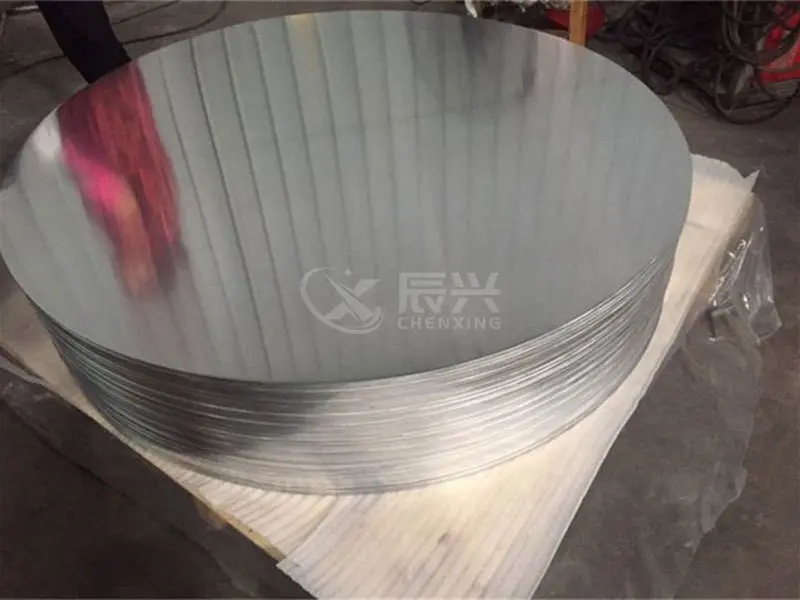
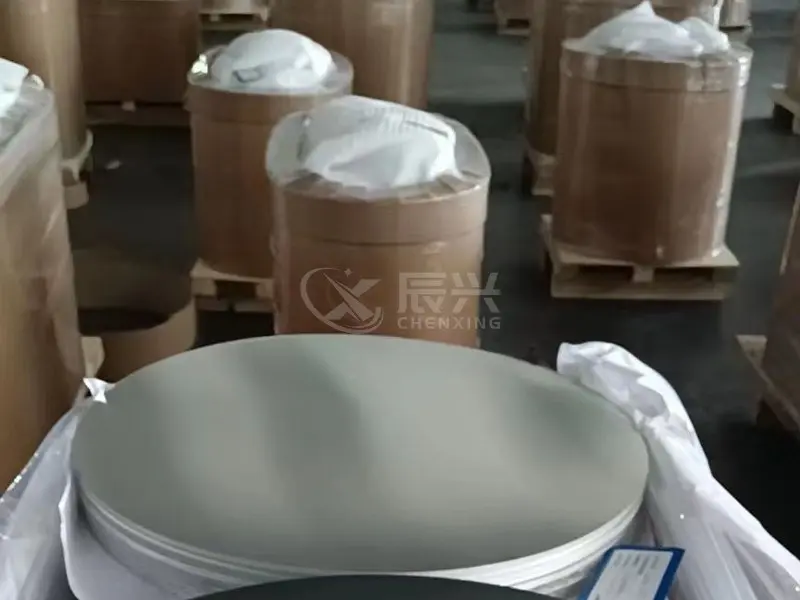
Beyond standard sheeting, our metallurgical facilities process custom-engineered aluminum formats tailored for high-demand industrial application fields.
Modern aluminum sheets are engineered for structural integrity in localized, high-stress environments. By optimizing alloy chemistry and grain structure, manufacturers ensure that their materials meet the specific operational demands of diverse industrial fields.
With the rapid adoption of Electric Vehicles (EVs), reducing structural weight is critical to extending battery range. 5052 and 6082 aluminum sheets are widely selected for body panels, battery enclosures, and structural chassis members due to their excellent balance of weldability, structural fatigue resistance, and crash-energy absorption properties.
Hygiene, non-toxicity, and moisture-barrier properties make aluminum foils and thin-gauge sheets (such as 8011 and 1235 alloys) the standard in high-purity barrier packaging. These materials protect sensitive goods from light, oxygen, and contamination while remaining lightweight and recyclable.
High heat dissipation is vital for computational stability in high-performance computing devices and EV power units. Anodized 1050 and 3003 alloys are commonly integrated into cooling structures and shielding to handle high heat generation and manage EMI.
Aerospace environments demand high strength-to-weight ratios and crack resistance under cyclical stress loads. 7075-T6 plates are selected for critical structural components, wing skins, and fuselage supports, offering high yield strength and reliability in extreme temperatures.
Corrosion resistance and wind-load stability are key parameters in civil engineering. Anodized, PVDF-coated, and perforated aluminum sheets are widely used for curtain walls, roofing structures, and acoustic paneling, combining long-term durability with structural versatility.
Kitchen range hoods, refrigerator interiors, and high-efficiency washing machine tubs utilize corrosion-resistant 3003 and 5052 sheets. These materials offer high formability, allowing for seamless stamping, deep drawing, and structural integration.
Procuring industrial metals from international factories requires balancing technical standards and logistical risks. When sourcing high-volume aluminum sheets, buyers should follow these verification steps:
Need specific alloy grades, custom dimensions, or mill-direct pricing? Our technical engineering team will reply with a detailed quote within 24 hours.
Submit Inquiry NowRead our analysis on international raw material flows, changes in tariff structures, and our mill’s capacity additions for 2026.
More news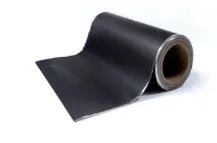
Explore the technical parameters of current collector foils for lithium-ion and solid-state batteries in EVs.
More news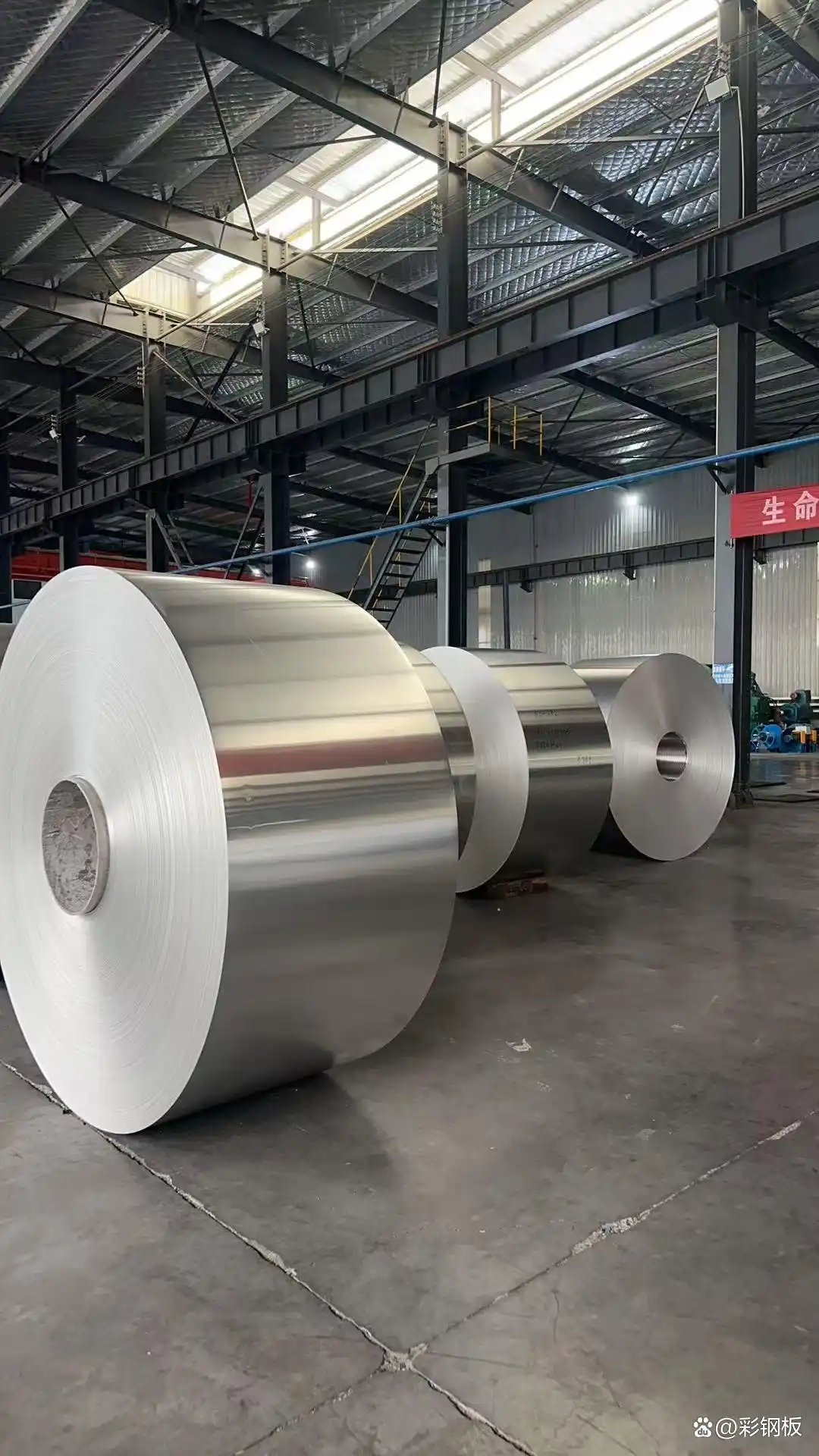
A study on how building energy regulations are driving demand for pre-painted and architectural-grade coil products.
More newsBoth are non-heat treatable aluminum-magnesium alloys. However, 5754 has a higher magnesium content (2.6%-3.6% compared to 2.2%-2.8% in 5052) and tighter limits on impurities. 5754 provides higher corrosion resistance in industrial atmospheres and marine environments, making it the preferred choice for European automotive stamping projects.
Anodizing electrochemically thickens the natural oxide film on the aluminum surface, creating an open-pored structure that can be dyed or sealed. This layer reaches a hardness comparable to sapphire, protecting the core metal against abrasive wear, environmental oxidation, and galvanic corrosion.
For critical industrial applications (e.g. battery foils or deep drawn components), standard commercial tolerances of ±0.05mm are often insufficient. Buyers should specify fine-precision tolerance structures down to ±0.01mm, which require advanced automatic gauge control (AGC) during cold rolling.