Q
What is 1050 aluminum circle used for?
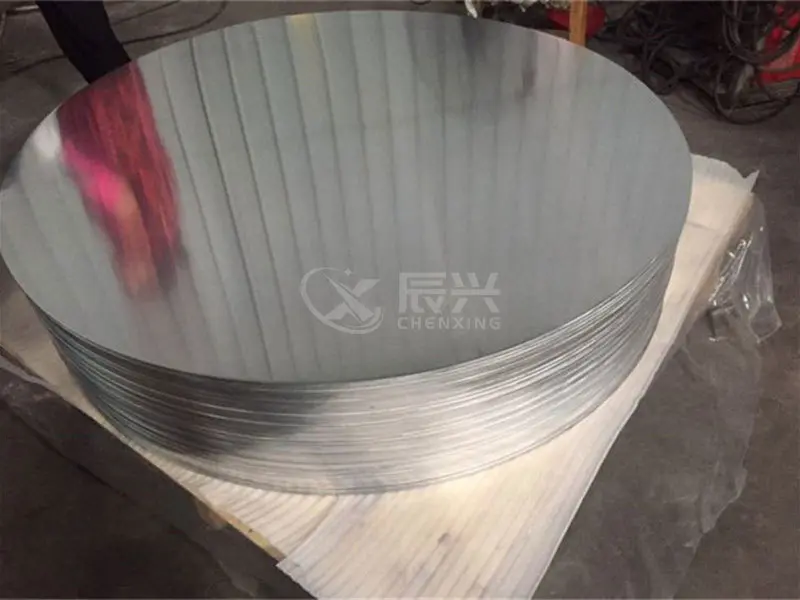
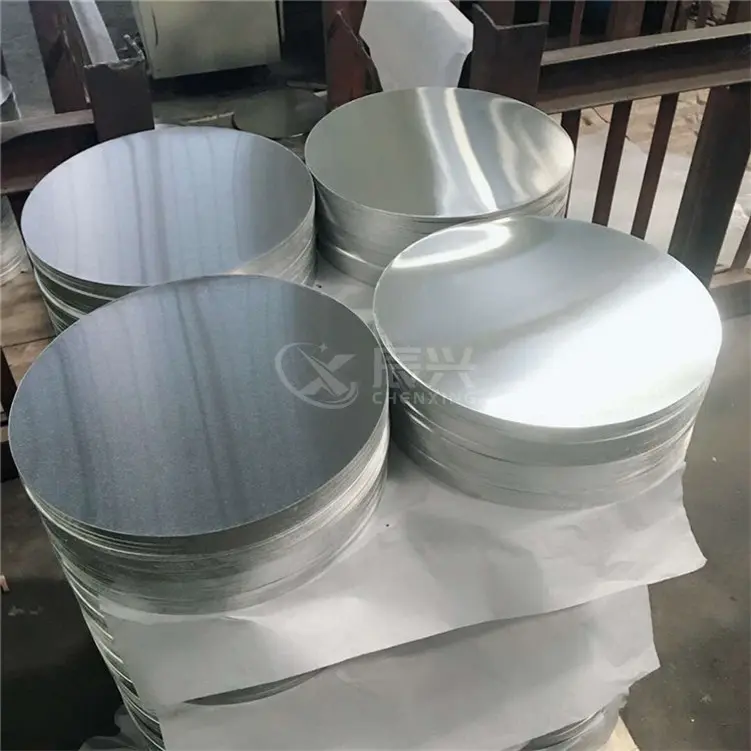
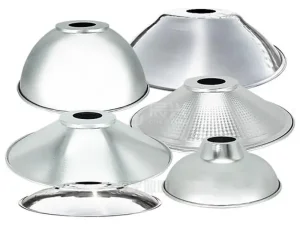
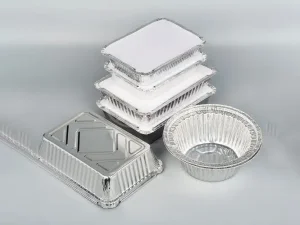
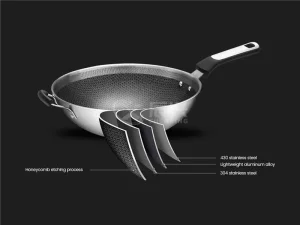
1050 aluminum circle is widely used in household kitchen utensils such as pots, pans, pressure cookers, rice cookers, and fry pans. It is also used in lighting reflectors, lamp covers, traffic signs, and various industrial applications including heat preservation and machine manufacturing.
Q
What alloys are available for aluminum circles besides 1050?
Besides 1050, commonly available alloys include 1060, 1100, 3003, 3004, 5052, and 5083. Pure aluminum alloys (1050, 1060, 1100) offer excellent formability; 3003 and 3004 provide higher strength and corrosion resistance; 5052 and 5083 are marine-grade with superior durability.
Q
What thickness and diameter range is available for 1050 aluminum circles?
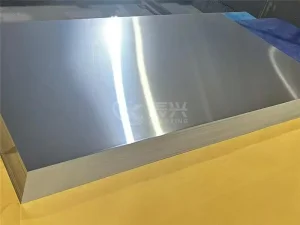
1050 aluminum circles are available in thicknesses ranging from 0.25 mm to 6.0 mm and diameters from 50 mm to 1200 mm, in both CC (Continuous Cast) and DC (Direct Chill) types, with various tempers including O, H12, H14, H16, H18, H22, H24, H26, and H32.
Q
Which countries are the major buyers of aluminum circles?
Major purchasing countries and regions include India, Indonesia, Malaysia, Thailand, Vietnam, UAE, Saudi Arabia, Egypt, Turkey, Mexico, and Brazil. Demand is primarily driven by the cookware manufacturing, construction, lighting, and household appliance industries.
Q
How should 1050 aluminum circles be packaged and stored?
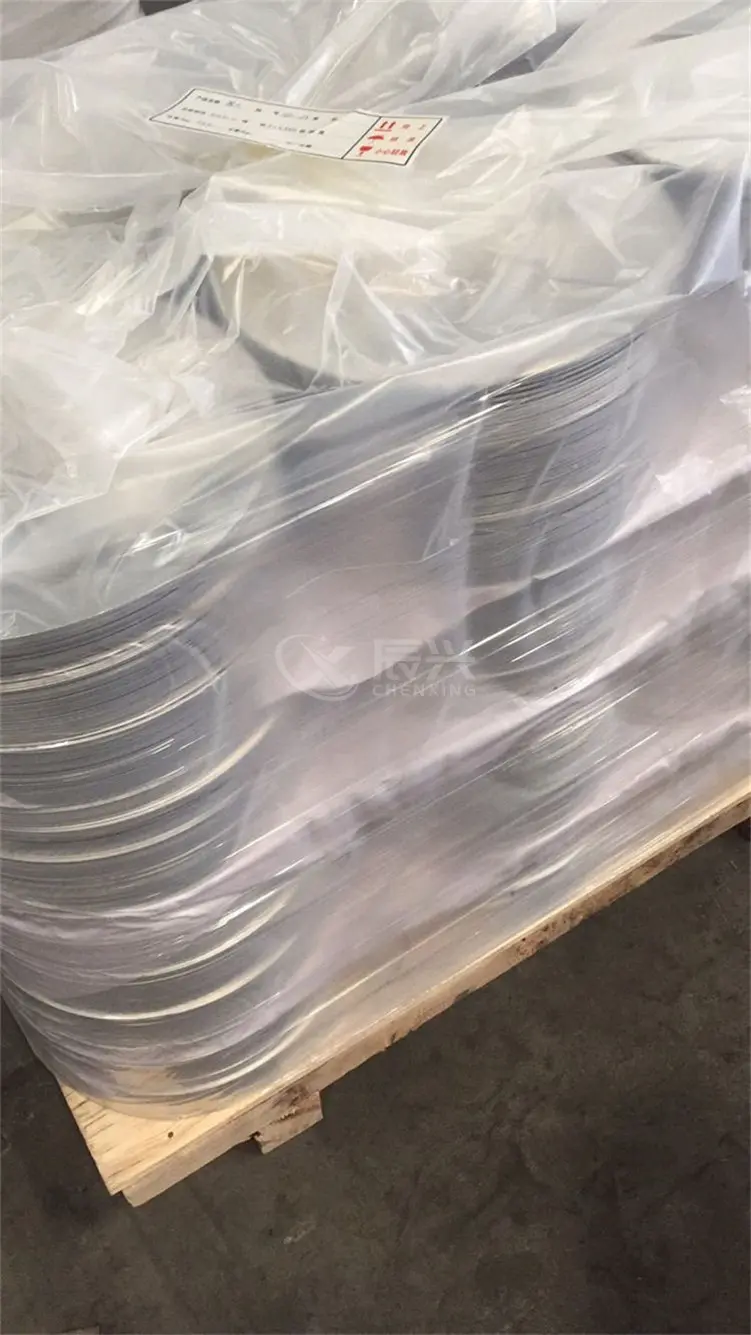
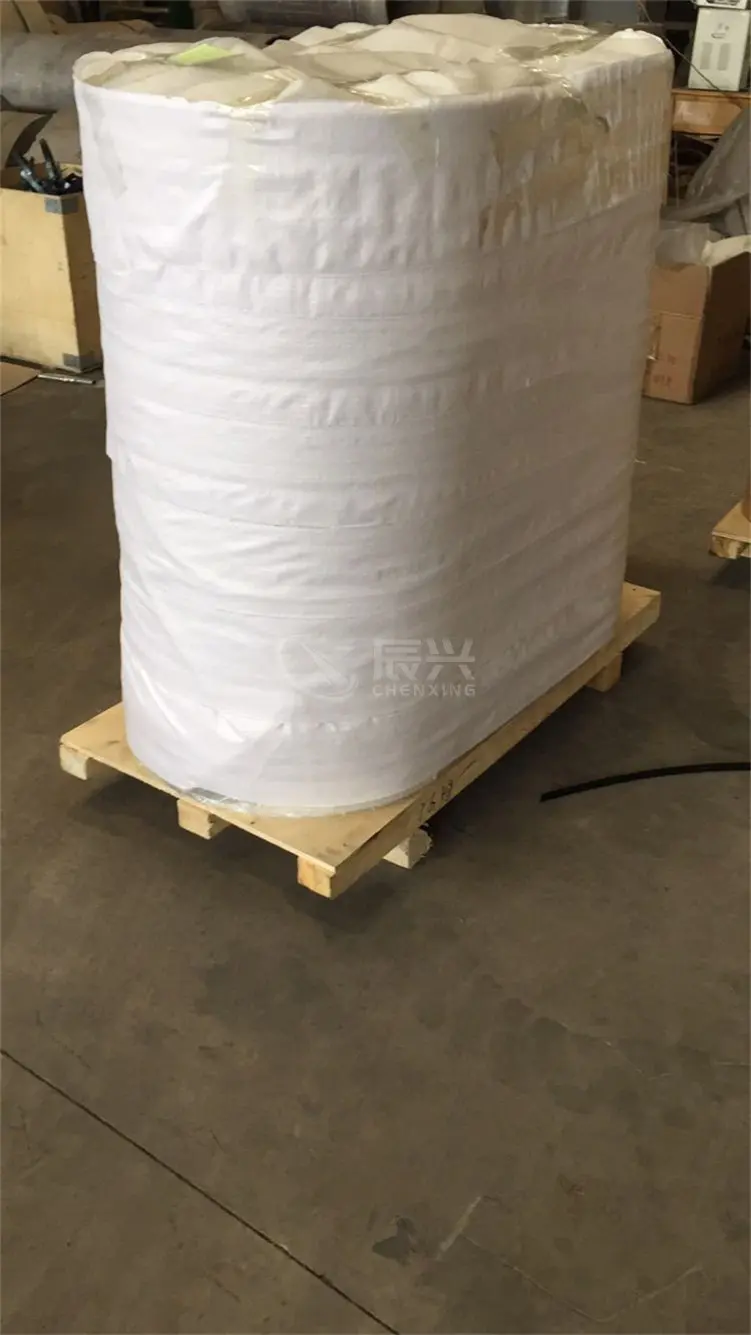
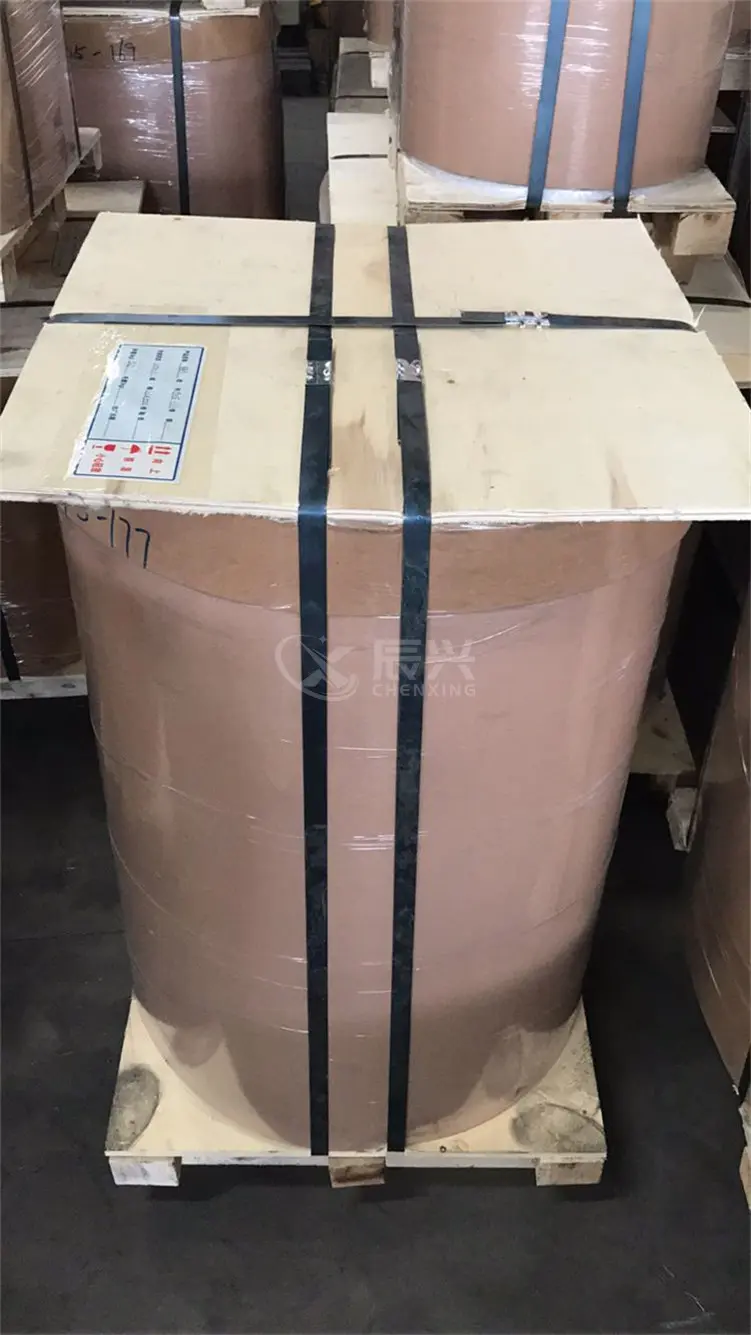
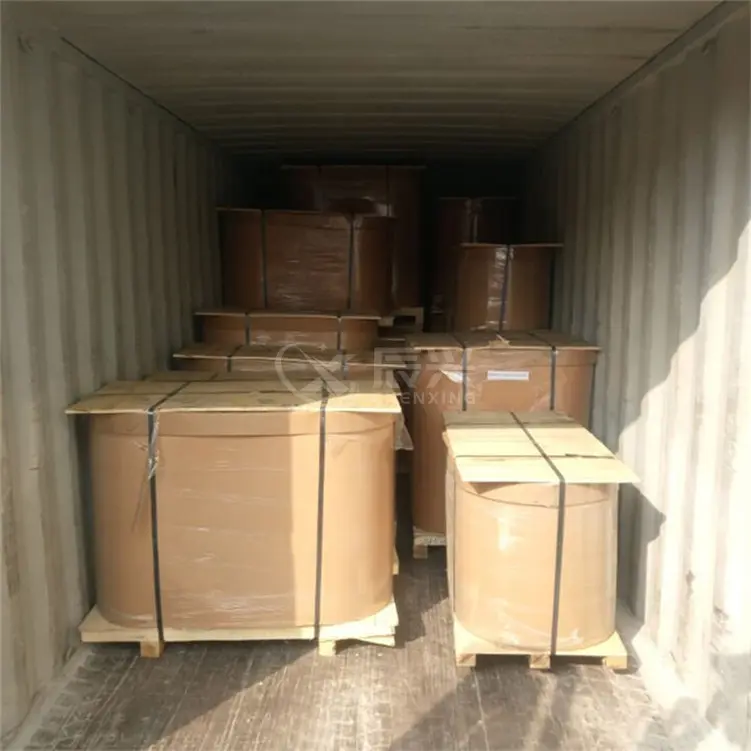
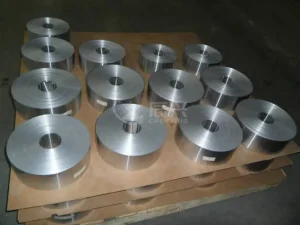
They should be wrapped with anti-rust paper and plastic film, placed on sturdy wooden pallets, with each layer separated by foam or paper. Pallets must be securely strapped and covered with waterproof cloth. Store in dry, ventilated indoor areas away from corrosive gases, direct sunlight, and moisture. Keep pallets elevated off the ground to prevent oxidation.
Q
What is the difference between CC and DC type aluminum circles?
CC (Continuous Cast) aluminum circles are produced through a continuous casting and rolling process, offering cost efficiency and suitability for general-purpose cookware. DC (Direct Chill) aluminum circles are cast using a more controlled process, resulting in better surface quality, higher uniformity, and superior mechanical properties, making them ideal for demanding applications.