
Buy Solid Aluminum Panel from China - High-Performance Aluminum Veneer by Leading Suppliers and Factory Factories, Factory

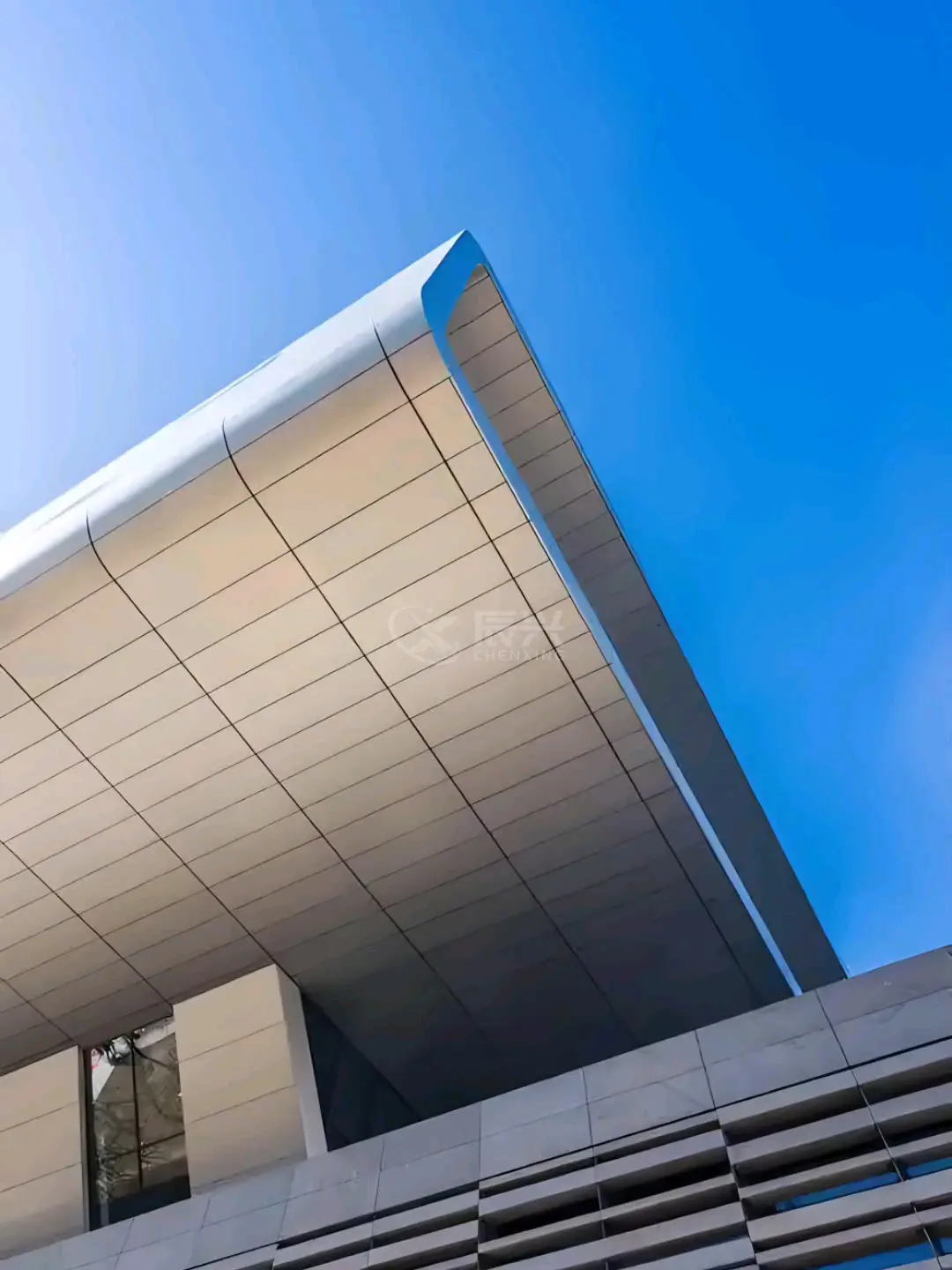
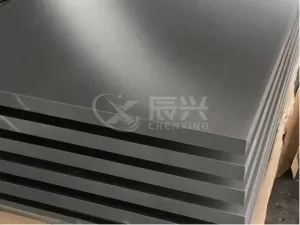
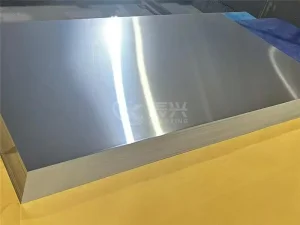
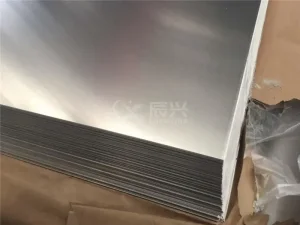
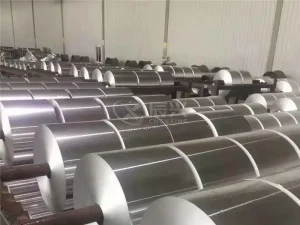
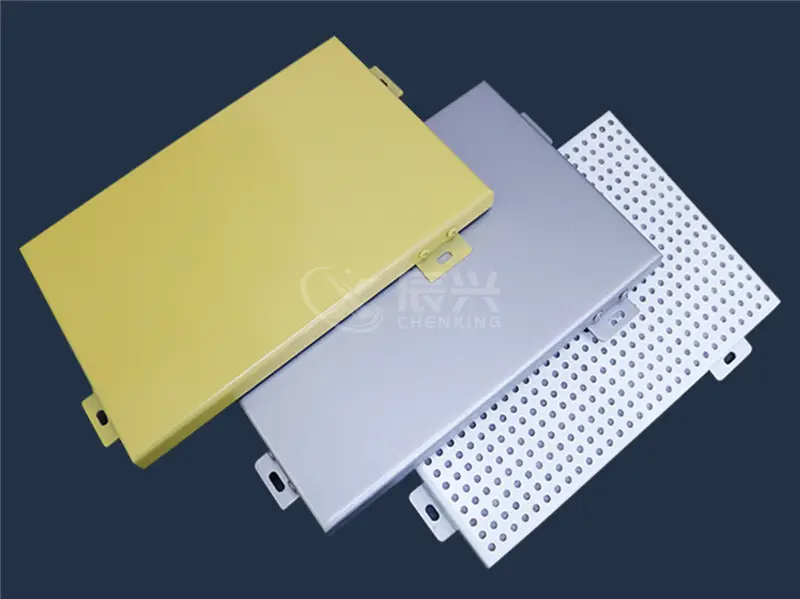
Solid aluminum panels, also known as aluminum veneer or aluminum panels, are high-performance flat aluminum products made from pure aluminum (1xxx series) or aluminum alloys (3xxx, 5xxx, 6xxx series). These panels are produced through processes such as hot rolling, cold rolling, and precision cutting. With their dense solid structure, solid aluminum panels offer superior durability and strength, setting them apart from hollow aluminum profiles and composite panels, As leading suppliers in China, our factory specializes in the production of premium solid aluminum panels that meet various industry needs. Our commitment to quality and precision ensures that our products not only satisfy aesthetic demands but also provide exceptional performance in a variety of applications. Whether you are looking for a reliable partner for construction, architectural projects, or any other application, our solid aluminum panels are the ideal choice. Choose our China-based factory for superior quality and service in the aluminum panel industry

Product Description

Key Manufacturing Process

The production of aluminum roofing sheets involves precise process control to ensure thickness uniformity, surface quality, and performance stability. The main steps are as follows:

  • 1
    Raw Material Selection

    High-quality aluminum ingots or alloy billets (typically 1xxx, 3xxx, or 5xxx series) are selected based on the intended application. For example, 5xxx series (Al-Mg alloy) is preferred for coastal areas due to its superior corrosion resistance.

  • 2
    Hot Rolling

    The aluminum billets are heated to 400–500°C and rolled into thick sheets (1–5mm) using hot rolling mills. This step refines the grain structure and improves the material's formability.

  • 3
    Cold Rolling

    The hot-rolled sheets are further rolled at room temperature to reduce the thickness to the target range (0.2–1.2mm for roofing applications). Cold rolling enhances the sheet's strength, surface smoothness, and dimensional precision.

  • 4
    Surface Treatment (Optional) – Coating

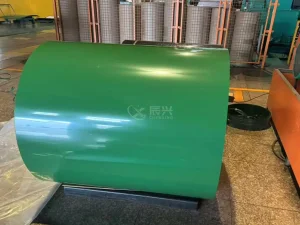
    PVDF (fluorocarbon) coating, polyester coating, or acrylic coating is applied via roller coating to improve weather resistance and aesthetics.

💡 PVDF coating is the premium option for harsh environments, offering superior UV resistance and long-term color retention.
  • 5
    Anodizing

    The sheets are treated with electrolysis to form a thicker oxide film (5–20μm) on the surface, enhancing corrosion resistance and allowing for dyeing into various colors.

  • 6
    Embossing

    The sheets are passed through embossing rolls to create decorative patterns, which also improve slip resistance and hide minor surface defects.

  • 7
    Cutting & Packaging

    The treated sheets are cut into standard sizes (e.g., 1000mm × 2000mm, 1220mm × 2440mm) or custom lengths. They are then packaged with moisture-proof film and cardboard to prevent scratches and damage during transportation.

Key Specifications
Specification Category Detailed Parameters Typical Alloys Typical Applications Quality Control Requirements
Thickness Thin: 0.2mm – 0.5mm 1060, 3003 Residential awnings, small sheds, temporary buildings Thickness deviation ≤ ±0.02mm, no pinholes
Medium: 0.5mm – 0.8mm 3003, 5052 Residential roofs, commercial buildings (shops, offices), agricultural greenhouses Thickness deviation ≤ ±0.03mm, tensile strength ≥ 150MPa
Thick: 0.8mm – 1.2mm 5052, 5083 Industrial workshops, large-span buildings, coastal area roofs Thickness deviation ≤ ±0.04mm, elongation ≥ 5%
Surface Treatment PVDF Coated 3003, 5052 Coastal buildings, high-end commercial buildings, industrial areas Coating thickness 20–30μm, weather resistance ≥ 20 years
Polyester Coated 1060, 3003 Residential roofs, inland commercial buildings Coating thickness 15–25μm, weather resistance ≥ 10 years
Anodized / Embossed 1060, 3003 Decorative roofs, awnings, cultural buildings Anodized film thickness 8–15μm, pattern uniformity
Size (Width × Length) Standard Size: 1000mm × 2000mm, 1220mm × 2440mm, 1250mm × 3000mm 1060, 3003, 5052 Batch construction of residential and commercial buildings Size deviation ≤ ±5mm, flat surface without waves
Custom Size: Width 500–1500mm, Length up to 6000mm 3003, 5052, 5083 Special-shaped roofs, large-span industrial buildings No creases, surface scratch depth ≤ 0.01mm
Alloy Types 1xxx Series (1060, 1100) 1060 (99.6% Al) Indoor awnings, temporary buildings, decorative roofs Good corrosion resistance, low strength
3xxx Series (3003) 3003 (Al-Mn) Residential roofs, commercial buildings, agricultural greenhouses Enhanced strength vs. 1xxx, excellent weldability
5xxx Series (5052, 5083) 5052 (Al-Mg), 5083 (Al-Mg-Mn) Coastal buildings, industrial workshops, high-wind areas Superior corrosion resistance, high tensile strength
Detail Images
Detail1
Detail1
Aluminum Roofing Sheet Detail
Frequently Asked Questions
Q
What aluminum alloy series is best for coastal roofing applications?
The 5xxx series (such as 5052 and 5083, both Al-Mg alloys) is the best choice for coastal environments. These alloys offer superior corrosion resistance against salt air and humidity, along with high tensile strength to withstand high-wind conditions common in coastal areas.
Q
What is the difference between PVDF coating and polyester coating on aluminum roofing sheets?
PVDF (fluorocarbon) coating offers a higher level of weather resistance – typically ≥ 20 years – with a coating thickness of 20–30μm. It is the premium choice for harsh environments such as coastal or industrial areas. Polyester coating provides 10+ years of weather resistance at 15–25μm thickness and is more cost-effective for residential or inland commercial projects.
Q
What thickness of aluminum roofing sheet should I choose for an industrial workshop?
For industrial workshops and large-span buildings, a thick aluminum roofing sheet in the range of 0.8mm–1.2mm is recommended. Alloys such as 5052 or 5083 are ideal, as they meet the required elongation (≥ 5%) and thickness deviation (≤ ±0.04mm) standards for heavy-duty structural applications.
Q
Can aluminum roofing sheets be ordered in custom sizes?
Yes. In addition to standard sizes (e.g., 1000mm × 2000mm, 1220mm × 2440mm, 1250mm × 3000mm), custom sizes are available with widths ranging from 500mm to 1500mm and lengths up to 6000mm. Custom orders are suitable for special-shaped roofs and large-span industrial buildings, and are subject to strict quality controls including no creases and surface scratch depth ≤ 0.01mm.
Q
What is the purpose of the embossing process in aluminum roofing sheet production?
The embossing process passes the aluminum sheets through embossing rolls to create decorative surface patterns. This serves two main purposes: it enhances the aesthetic appeal of the roofing material, and it improves slip resistance on the sheet surface. Additionally, embossing can help conceal minor surface defects that may occur during earlier production stages.
Q
How is quality controlled during the manufacturing of aluminum roofing sheets?
Quality control is applied at multiple stages of production. Key checkpoints include: thickness deviation control (ranging from ≤ ±0.02mm for thin sheets to ≤ ±0.04mm for thick sheets), tensile strength verification (≥ 150MPa for medium-thickness sheets), coating thickness measurement (15–30μm depending on the coating type), anodized film thickness inspection (8–15μm), and final dimensional checks ensuring size deviation ≤ ±5mm with flat, wave-free surfaces.

Related Products