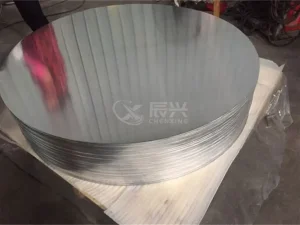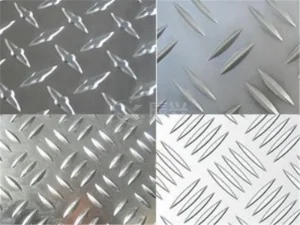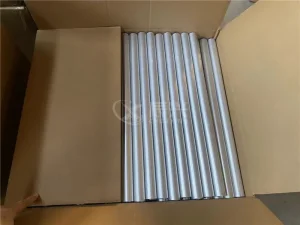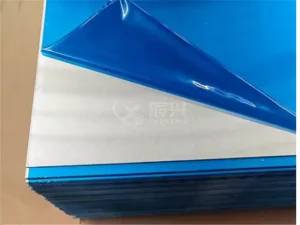
Explore our highly-requested industrial metal blanks, high-purity foils, and structural alloy sheets direct from our ISO 9001:2015 certified manufacturing facilities.
Ensuring compliance, high dimensional precision, and material traceability across critical supply chains.


The global industrial demand for high-purity aluminum alloys is undergoing a fundamental structural transition. Driven by strict energy-efficiency frameworks and target carbon-neutrality goals, primary sectors including automotive packaging, aerospace engineering, and high-capacity battery manufacturing require raw materials with tight metallurgical characteristics. Modern aluminum smelting and processing are no longer simple commodity productions. They now depend heavily on the control of microscopic crystalline structures, reduction of intergranular contaminants, and consistent surface stability.
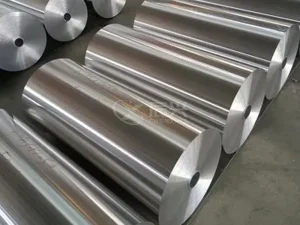
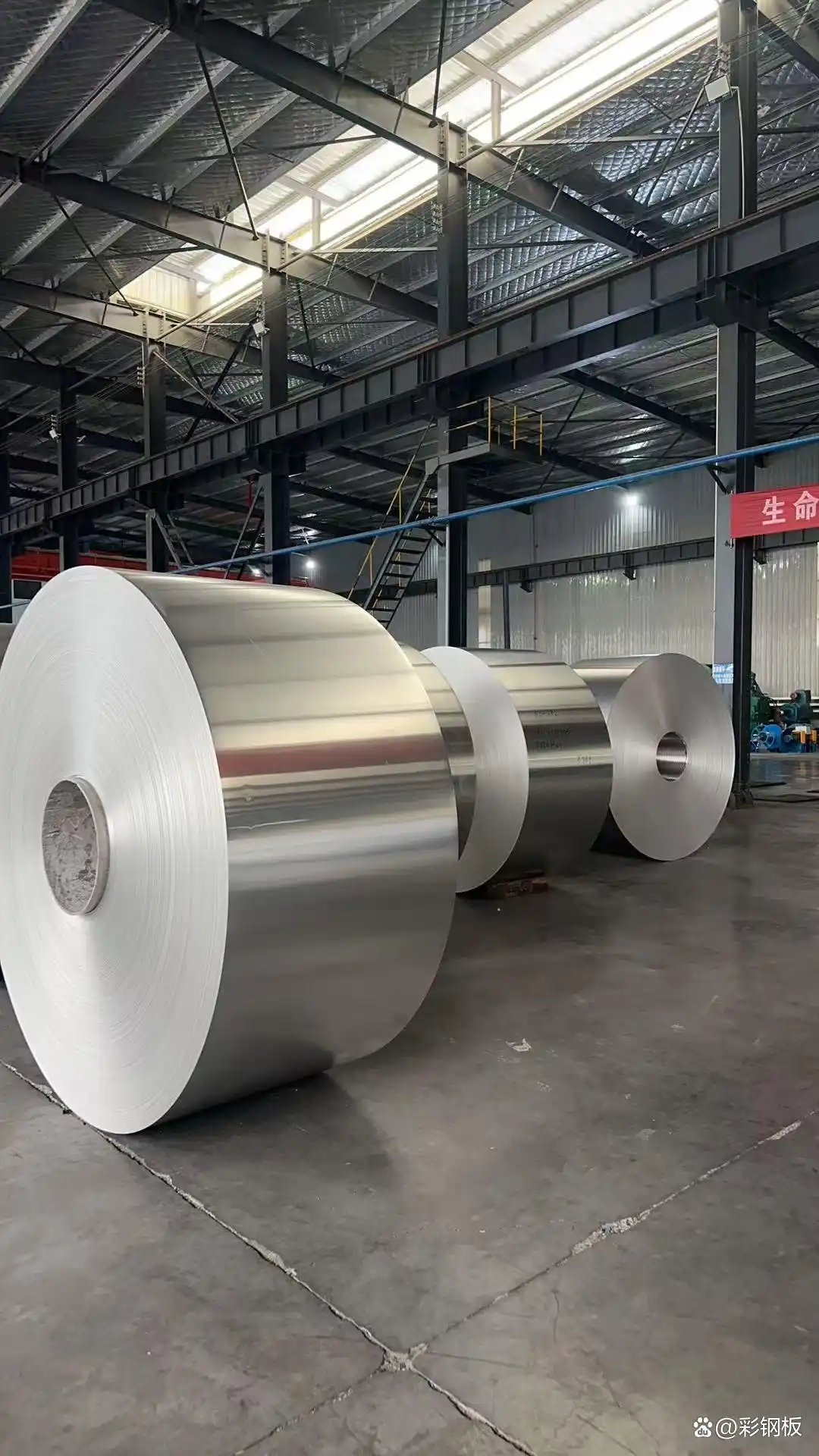
As a leading supplier, we balance international raw material volatility with reliable production processes. By employing advanced cold-rolling machinery, tension levelers, and continuous annealing ovens, we ensure every sheet, coil, and circle adheres to strict tolerances. Our manufacturing methodologies are tailored to minimize thickness deviations down to the micron level, providing the reliability required by high-speed automated manufacturing lines globally.
Modern procurement divisions are shifting away from unstable spot-market trading to long-term direct collaborations with integrated factories. This mitigation strategy minimizes risks related to LME price fluctuations and ensures strict material compliance under regulatory frameworks like Europe’s CBAM (Carbon Border Adjustment Mechanism).
Selecting the optimal alloy configuration involves balancing structural integrity, oxidation resistance, and drawability properties.
Selecting the correct aluminum grade requires evaluating structural requirements, chemical exposure, and fabrication methods. For example, 7075-T6 offers high mechanical strength comparable to structural steel, whereas 5052-H32 provides excellent saltwater corrosion resistance and formability. The table below details key specifications for our primary commercial alloys.
| Alloy Grade | Primary Temper | Tensile Strength (MPa) | Yield Strength (MPa) | Elongation (%) | Primary Target Applications |
|---|---|---|---|---|---|
| 7075 Alloy | T6, T651 | 572 | 503 | 11% | Aerospace bulkheads, military armor, high-stress structural parts |
| 6082 Alloy | T6 | 310 | 260 | 10% | Structural bridges, trusses, marine cranes, transport chassis |
| 5052 Alloy | H32, H34 | 230 | 193 | 12% | Marine enclosures, chemical storage tanks, automotive stampings |
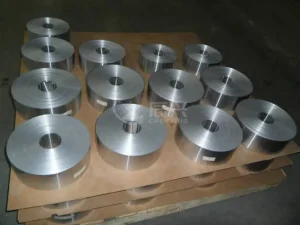
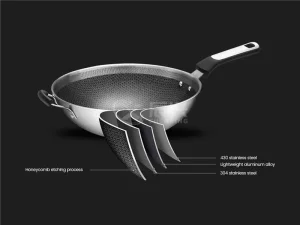
| 3003 Alloy | H14, O | 150 | 145 | 16% | Heavy-duty cookware blanks, heat exchangers, food processing parts |
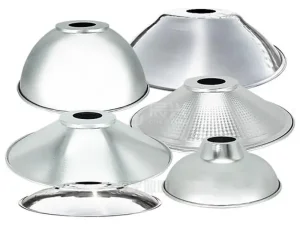
| 1100 / 1050 Alloy | O, H14 | 110 | 105 | 25% | Chemical storage systems, lighting reflectors, electrical busbars |
Providing high-precision aluminum components across diverse industrial sectors.
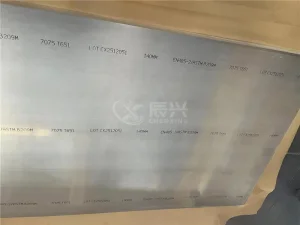
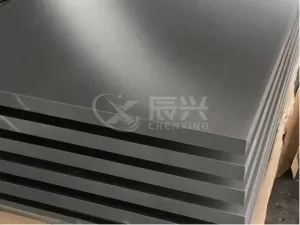
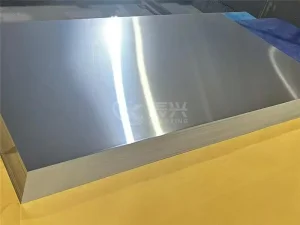
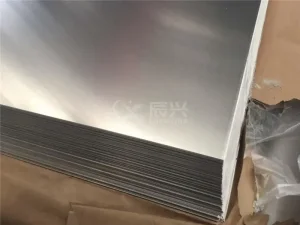
Our 7075-T6 aluminum sheets are engineered to meet strict aviation standards. Precise control of the zinc-magnesium-copper chemical balance allows these alloys to withstand high stress, extreme temperatures, and fatigue cycles.
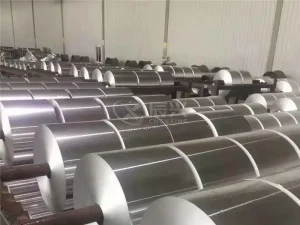
We supply high-purity battery foil designed for lithium-ion cathode collectors. This thin, uniform foil supports high conductivity and adhesion to active materials, critical for cell performance.
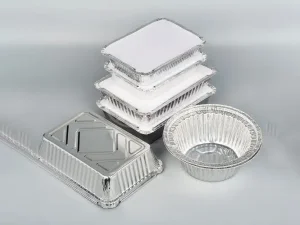
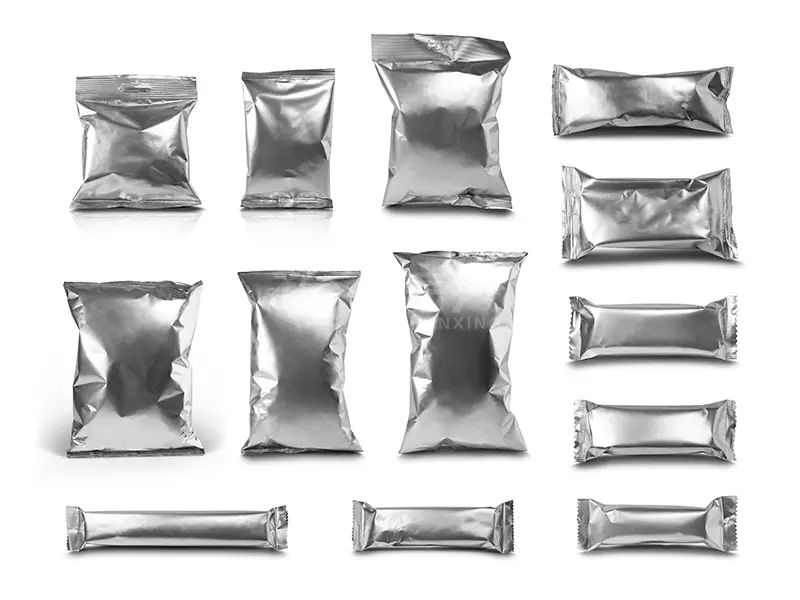
Our aluminum packaging materials are certified to international hygiene standards. They offer high barrier protection against moisture, gas, and light transmission, helping preserve product shelf-life.
How our structural sheets, foil barriers, and deep-drawing circles are implemented by global engineering firms.




Our developmental investments focus on two key areas: improving mechanical properties and reducing overall environmental impact. By upgrading our hot-rolling lines to use advanced thermodynamic monitoring, we can produce plates with improved crystalline grain alignment. This development reduces processing time and waste in downstream fabrication.
For energy-storage applications, we are testing ultra-thin 8-micron foil substrates. These are designed to increase volumetric energy density in solid-state and lithium-sulfur battery designs. We are also increasing the proportion of recycled metal used in our structural extrusion runs, helping customers meet their sustainability targets without compromising on material performance.
Our products conform to major international testing standards, ensuring smooth integration into regulated industries.
All structural plates and sheets undergo testing to verify compliance with American Society for Testing and Materials standards. We verify tensile properties, yield strengths, and elongation values to ensure reliability.
Our laminates and coils conform to European standards for dimensional tolerances and chemical compositions. This alignment simplifies integration into EU transport and infrastructure projects.
Our packaging materials and structural alloys are certified safe for food contact and pharmaceutical barrier applications, meeting strict global environmental and safety standards.
Insights into market conditions, factory process updates, and technological advancements.
Find answers to common technical queries regarding alloy selection, tempering, certifications, and production limits.
The primary difference lies in the alloying elements. 7075 utilizes zinc as the primary alloying agent, enabling high mechanical tensile strength (typically up to 572 MPa) suitable for aerospace structures. 6082 is a silicon-manganese-magnesium alloy offering medium strength (310 MPa) but with superior weldability and corrosion resistance, making it ideal for structural engineering and general industrial frames.
Our food-grade aluminum products are manufactured under strict sanitary conditions. We avoid the use of chemical lubricants that contain heavy metals during processing, and we ensure compliance with international food-contact safety standards (including FDA and EU requirements). The alloy sheets undergo precise surface washing to eliminate residual organic solvents.
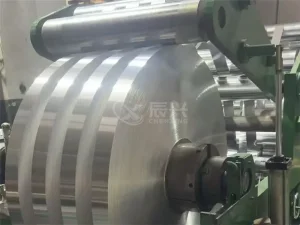
We process specialized 8011 grade aluminum strips tailored for multi-layer PEX, PERT, and PPR piping systems. Standard thicknesses range from 0.15mm to 0.50mm, with custom slitting options to match automated production line requirements.
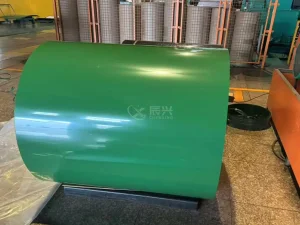
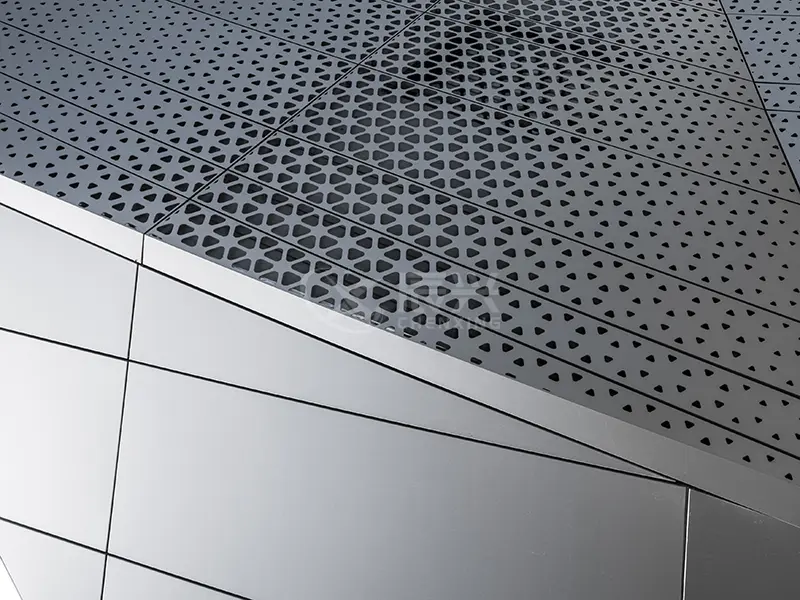
Polyvinylidene Fluoride (PVDF) coatings offer high resistance to weathering, UV degradation, and chemical exposure. This makes them ideal for building façades and cladding systems in harsh industrial or coastal environments, maintaining color stability over long exposure periods.
Contact our engineering support team for detailed chemical breakdowns, dimensional tolerance confirmations, or custom packaging options. We provide 8D analysis response reports for all technical inquiries.
Explore our coated, laminated, and precision-slit specialty aluminum products designed for demanding industrial applications.