1 / 1

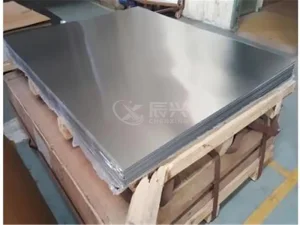
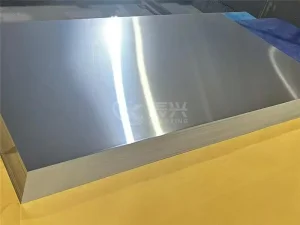
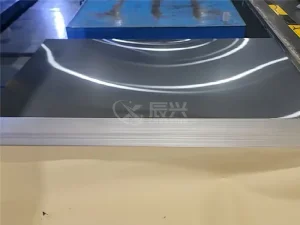
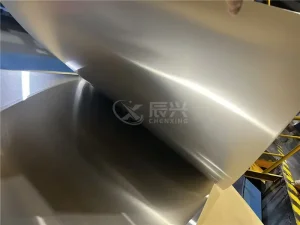
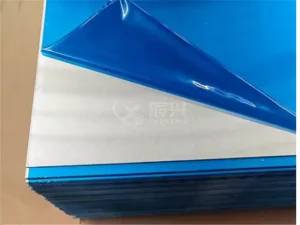
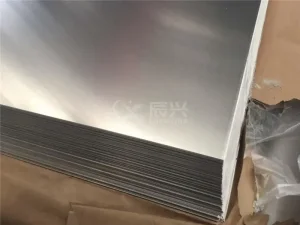
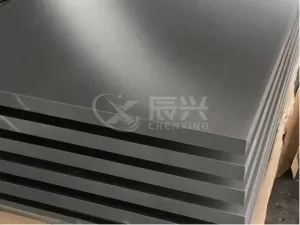
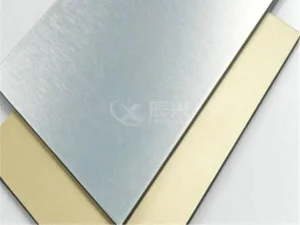
| Product Name | 5052 Aluminium Sheet/Plate | ||||
|---|---|---|---|---|---|
| Typical Alloys | Material Status | Thickness (mm) | Width (mm) | Type | Application Fields |
| 5052 | O, H32, H34, H112, etc. | 0.3 - 600 | 50 - 1200 | DC / CC |
|
| Si | Fe | Cu | Mn | Mg | Cr | Zn | Ti | Al |
|---|---|---|---|---|---|---|---|---|
| 0.095 | 0.345 | 0.0282 | 0.068 | 2.386 | 0.1725 | 0.023 | 0.013 | 96.86 |
Common 6-series aluminum sheets include 6061, 6063, 6082, 6101, and 6060. Understanding their key properties helps in making the right material selection based on specific structural and aesthetic demands.
The most widely used alloy. Offers high strength, excellent weldability, and corrosion resistance. Ideal for structural parts, profiles, machinery, and automotive components.
Features excellent extrudability and superior surface finish. Mainly utilized for architectural profiles, doors, windows, and decorative parts.
Possesses higher strength characteristics than 6061, making it highly suitable for heavy-duty structural parts and engineering applications.
Specifically designed for high surface quality profiles and applications requiring specific electrical conductivity properties.
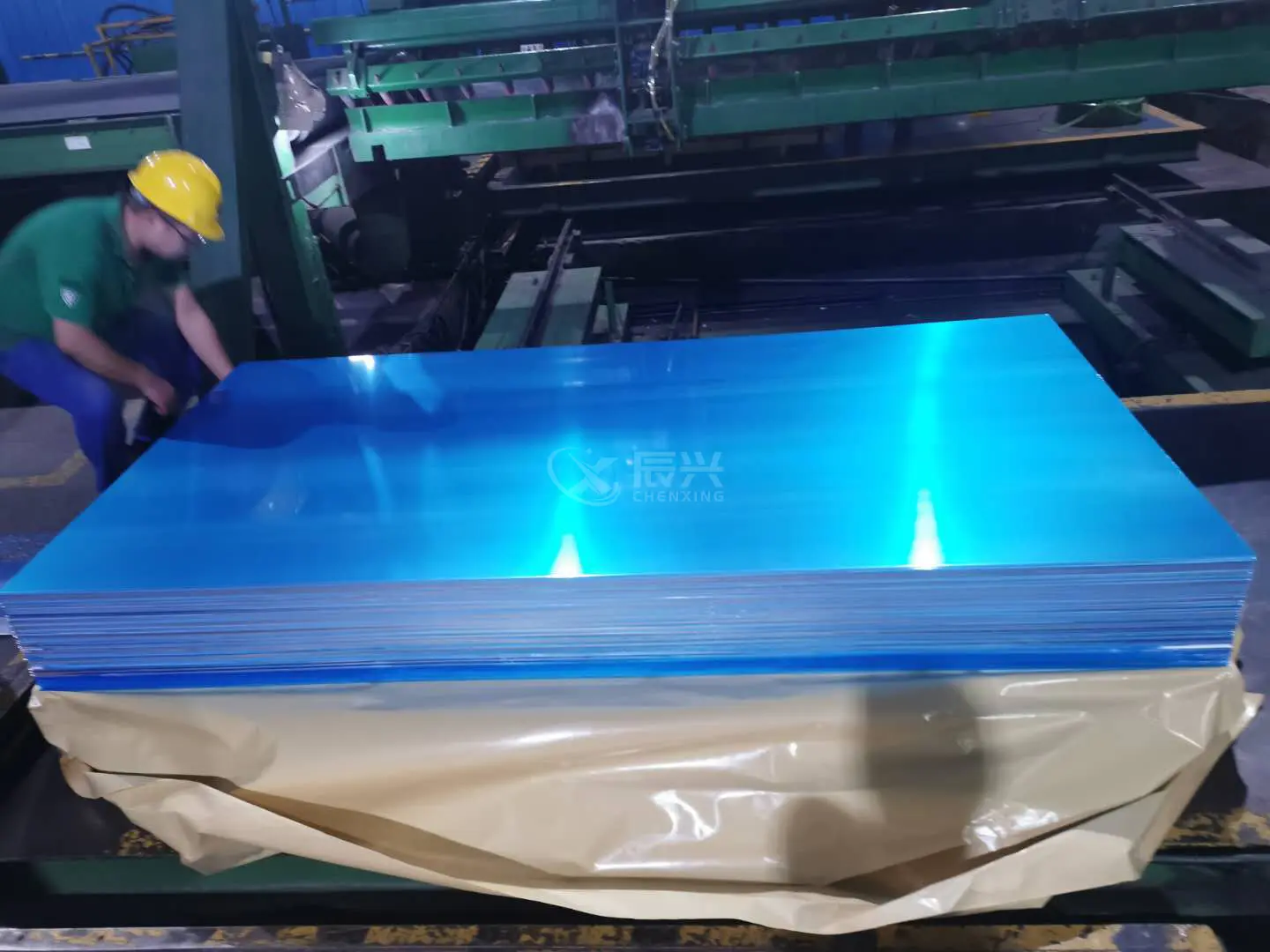
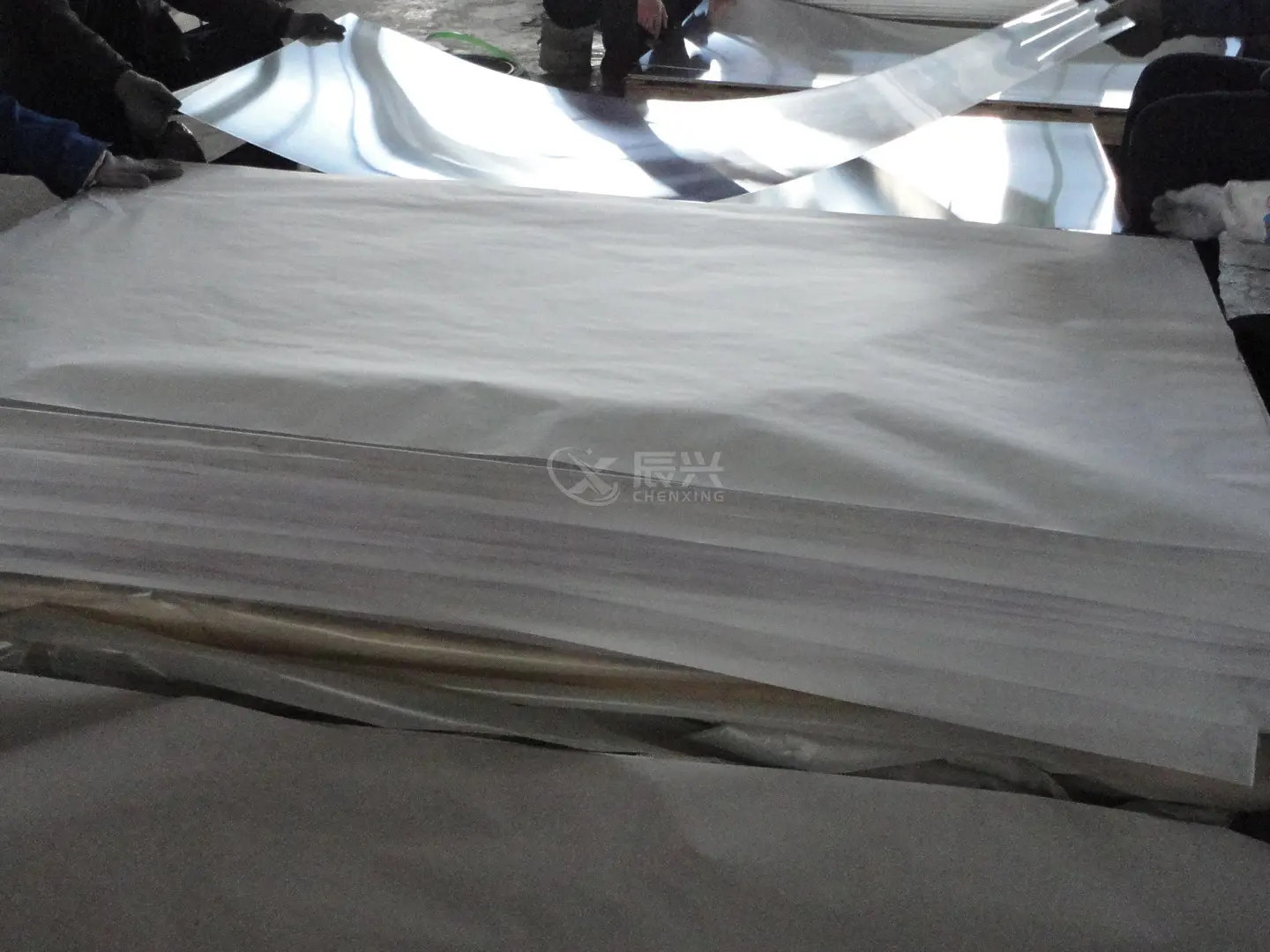
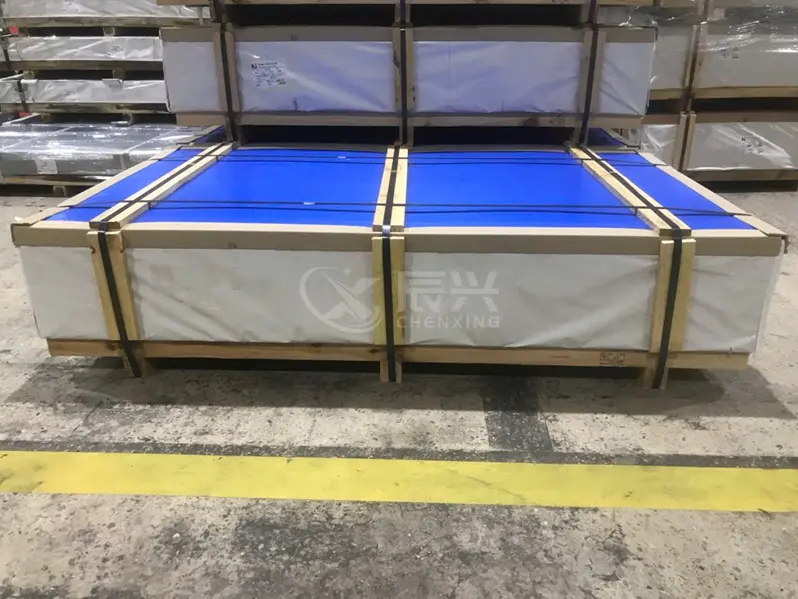
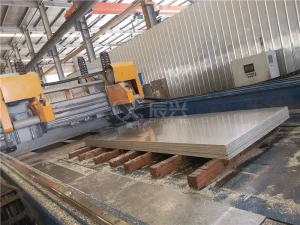
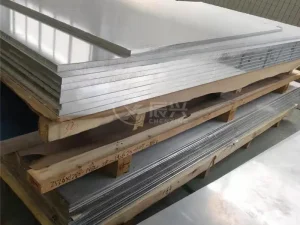
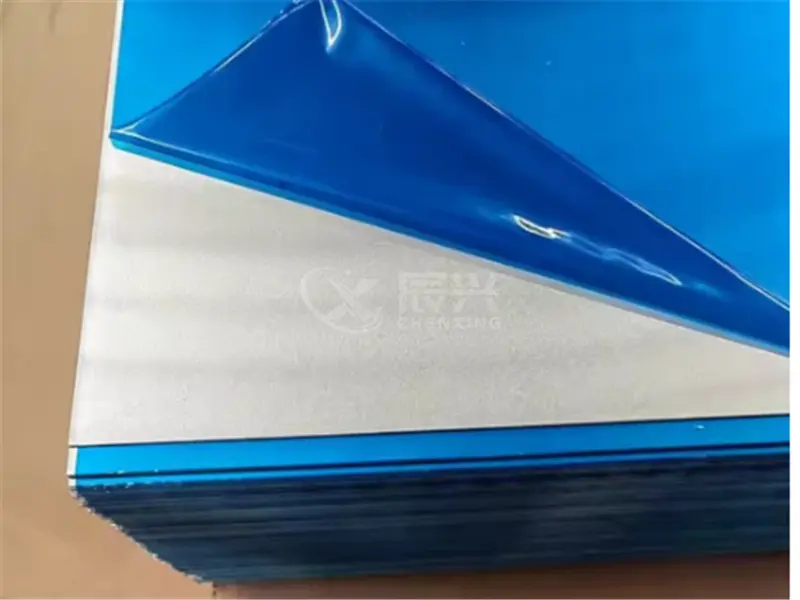
5052 aluminium sheet is highly versatile. It is widely used in the marine industry (hulls and deck plates), architecture (curtain walls and ceiling panels), industrial use (chemical storage tanks and heat exchangers), transportation (truck body panels), and daily necessities (cookware and electronic casings).
Typical material tempers available for 5052 aluminium include O, H32, H34, H112, and others, depending on the required flexibility and structural strength of your application.
6061 alloy is optimized for high strength, weldability, and structural performance. In contrast, 6063 alloy offers superior extrudability and an excellent surface finish, making it the preferred choice for architectural profiles and windows.
Choose 6082 alloy when your application demands higher structural strength than what 6061 provides, as it is engineered specifically for heavy-duty structural components.
5052 aluminium consists of approximately 96.86% Aluminium (Al), 2.386% Magnesium (Mg), 0.345% Iron (Fe), 0.1725% Chromium (Cr), and trace amounts of Silicon (Si), Copper (Cu), Manganese (Mn), Zinc (Zn), and Titanium (Ti).