1. Technical Overview of Modern Aluminum Circle Manufacturing
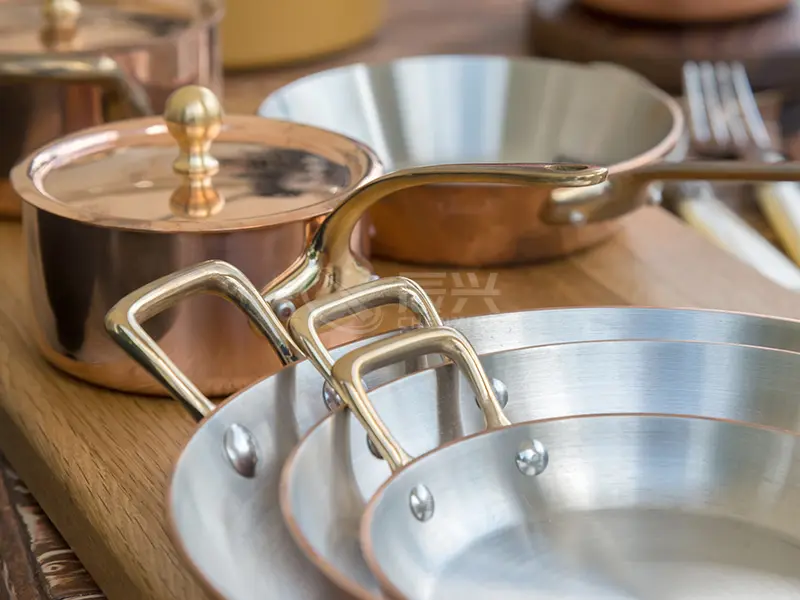
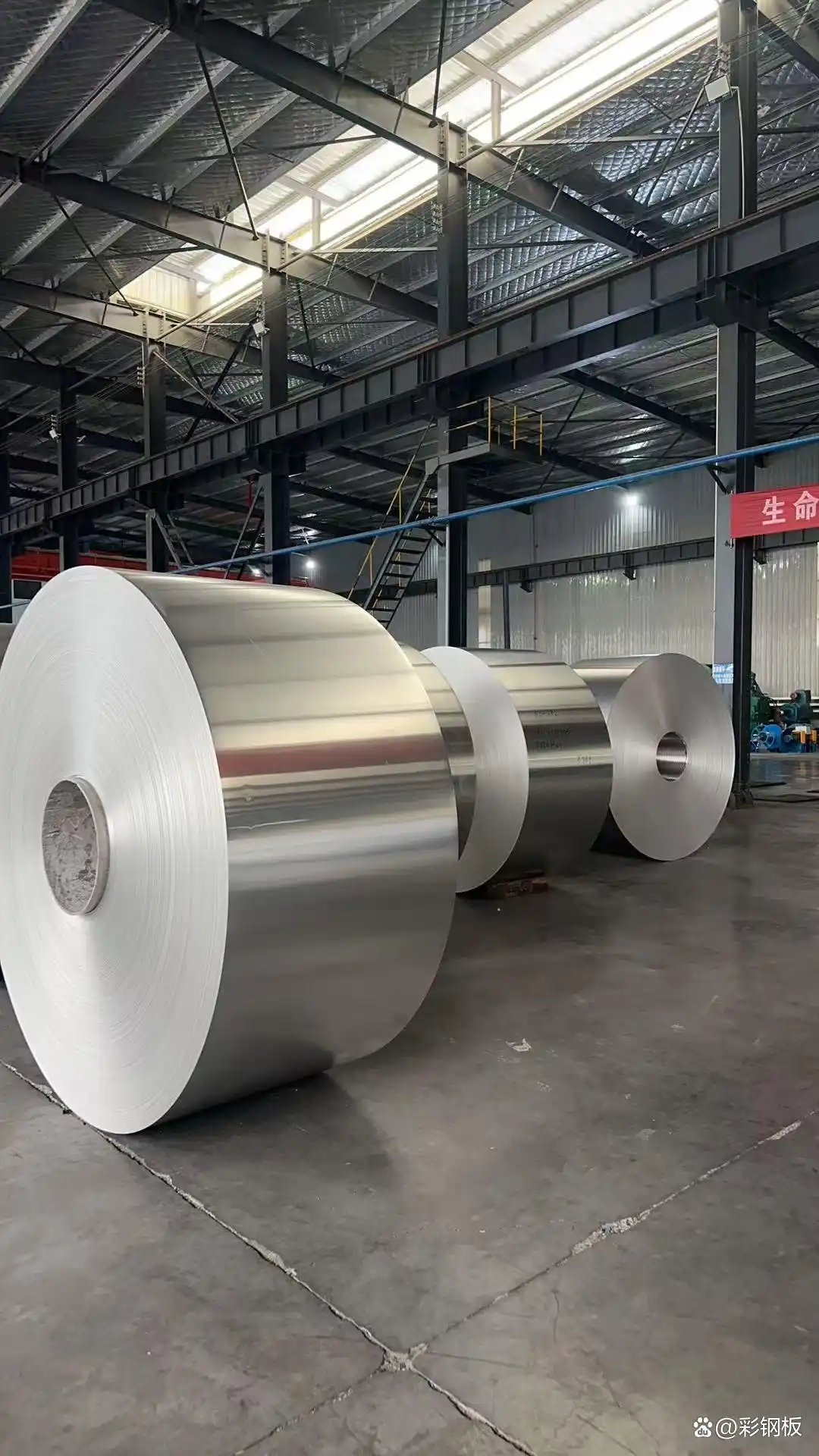
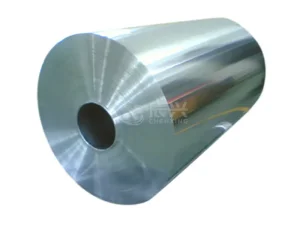
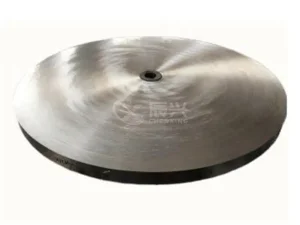
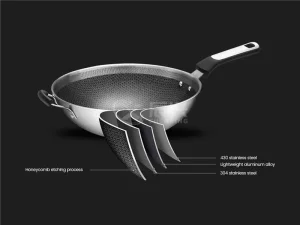
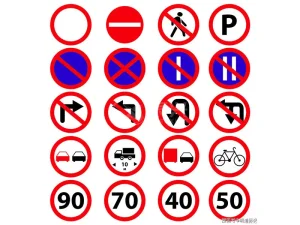
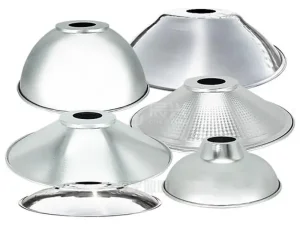
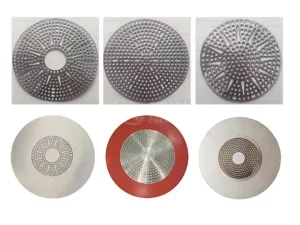
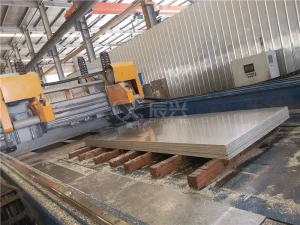
Aluminum circles (discs) serve as the foundation for critical industrial sectors, notably cookware fabrication, road markings, architectural lighting reflectors, and aerospace enclosures. The manufacturing journey begins with raw primary aluminum ingots, typically alloyed according to standardized chemical criteria (e.g., 1050, 1100, 3003, or 5052 series). In contemporary smelting mills, two primary pathways govern production: Direct Chill (DC) hot-rolling systems and Continuous Casting (CC) cold-rolling operations.
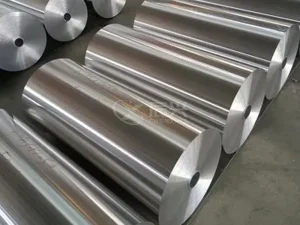
The DC rolling route provides a superior microstructural layout, critical for components requiring deep drawing. Through hot mechanical reduction, the crystalline structure is refined, yielding highly isotropic properties. Conversely, the CC route offers high cost-efficiency, ideal for standard-performance applications. For global procurement specialists, specifying the casting method is pivotal in maintaining consistent earing rate profiles during mechanical processing.
Understanding "Earing" and Deep-Draw Anisotropy
During the deep drawing of aluminum cups or shells, material flow fluctuates based on rolling-induced directional layout. An optimal earing rate (ideally under 2-3%) reduces post-draw edge-trimming waste. Earing control relies on precise annealing processes (O-temper recrystallization temperatures) designed to balance the cube and shear textures of the metal matrix.
2. Mechanical & Chemistry Matrix across Key Alloy Series
Selecting the appropriate alloy grade ensures the mechanical performance and environmental endurance of the end product. Below is the specification breakdown:
| Alloy Series | Standard Temper | Tensile Strength (MPa) | Elongation (%) | Typical Industrial Applications |
|---|---|---|---|---|
| 1050 / 1060 | O / H12 / H14 | 75 - 120 | ≥ 30 (for O temper) | Non-stick cookware, light reflectors, traffic signs, heat sinks. |
| 1100 | O / H14 | 80 - 130 | ≥ 28 (for O temper) | Chemical equipment blanks, precision spins, dials. |
| 3003 | O / H14 / H16 | 100 - 180 | ≥ 25 (for O temper) | Pressure cookers, electrical rice cooker inner liners, clad bottoms. |
| 5052 / 5083 | H32 / H34 | 210 - 290 | ≥ 12 - 18 | Marine enclosures, high-pressure vessels, safety covers. |
3. Modern Solutions & Global Sourcing Demands
Procurement teams face issues with thickness variation, surface micro-scratches, and poor anodizing response in raw blanks. Premium manufacturers mitigate these problems by incorporating inline tension levelers, electrostatic oilers, and advanced nesting programs during die-cutting.
Ensuring zero surface defects is critical for high-end cookware and reflector applications. When aluminum circles undergo anodizing, minor impurities or grain-boundary mismatches can result in visible banding. Utilizing 99.5% pure primary aluminum ingots with controlled trace elements (Fe < 0.25%, Si < 0.15%) remains the standard for premium surface finishing.
4. Technical Roadmap & Green Sustainability (2026-2030)
The aluminum sector is transitioning toward carbon-neutral production, driven by global ESG criteria and carbon import regulations like Europe's CBAM. The technical roadmap highlights two main pathways:
Phase 1: High-Recycle Scrap Closed-Loop Systems
Integrating pre-consumer manufacturing scrap directly back into the melting furnace. This process consumes only 5% of the energy compared to refining primary aluminum from bauxite ore.
Phase 2: Transition to Hydrogen-Fueled Smelting
Implementing clean hydrogen systems inside holding furnaces to replace natural gas, lowering Scope 1 emissions throughout the rolling stage.
Phase 3: Smart Metrology & Automated Nesting
Deploying AI-driven optical systems to scan raw aluminum sheets in real time, detecting micro-cracks and adjusting die-cutting placement to reduce scrap by up to 15%.