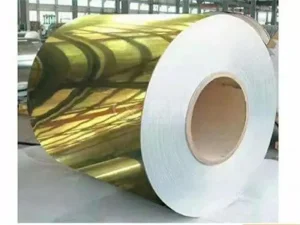
Premium flat-rolled, extruded, and precision-processed raw materials sourced directly from our standard-compliant factories.
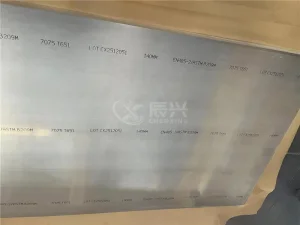
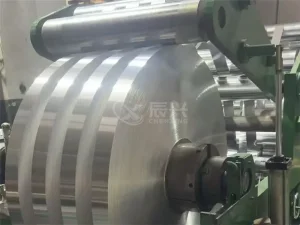

Providing world-class supply chain intelligence, advanced thermal processing, and verifiable traceability standards.


In the contemporary B2B metallurgy landscape, procurement of Alloy 6061 (Al-Mg-Si series) has shifted from simple transactional sourcing to highly strategic co-engineering partnerships. As a structural alloy dominant across aerospace, automotive, marine, and defense sectors, its chemical footprint must be governed strictly to optimize processing windows, weldability, and structural performance. Enterprise purchasers are not just buying material; they are evaluating supplier capacities for chemical consistency, isotropic mechanical properties, and structural compliance.
Modern global logistics require factories to maintain deep integration with supply chains. Factors such as energy grid transition in aluminum smelting, geographical supply limits, trade compliance (e.g., AD/CVD duties, CBAM directives), and geopolitical shifts significantly alter total cost of ownership (TCO). Procurement teams look for mills capable of offering localized warehousing, buffer stocks, and mill test certificates (MTC) compliant with EN 10204 3.1 standards. By purchasing directly from structured factories, enterprises circumvent middle-tier markups and ensure consistent batch chemistry, which is vital for automated welding and CNC machining processes.
| Element / Parameter | Composition Limits (%) | Mechanical Property (T6 Temper) | Standard Value |
|---|---|---|---|
| Magnesium (Mg) | 0.80 – 1.20% | Tensile Strength (Ultimate) | ≥ 310 MPa (45,000 psi) |
| Silicon (Si) | 0.40 – 0.80% | Yield Strength (Offset 0.2%) | ≥ 276 MPa (40,000 psi) |
| Iron (Fe) | Max 0.70% | Elongation at Break | 12% – 17% (depending on gauge) |
| Copper (Cu) | 0.15 – 0.40% | Shear Strength | 207 MPa (30,000 psi) |
| Chromium (Cr) | 0.04 – 0.35% | Modulus of Elasticity | 68.9 GPa (10,000 ksi) |
| Zinc (Zn) / Titanium (Ti) | Max 0.25% / Max 0.15% | Thermal Conductivity | 167 W/m-K |
How our integrated factory capacities address highly specialized domain-specific requirements globally.

High-strength structures, rail cars, and structural chassis components engineered to withstand dynamic stress while minimizing system weight.
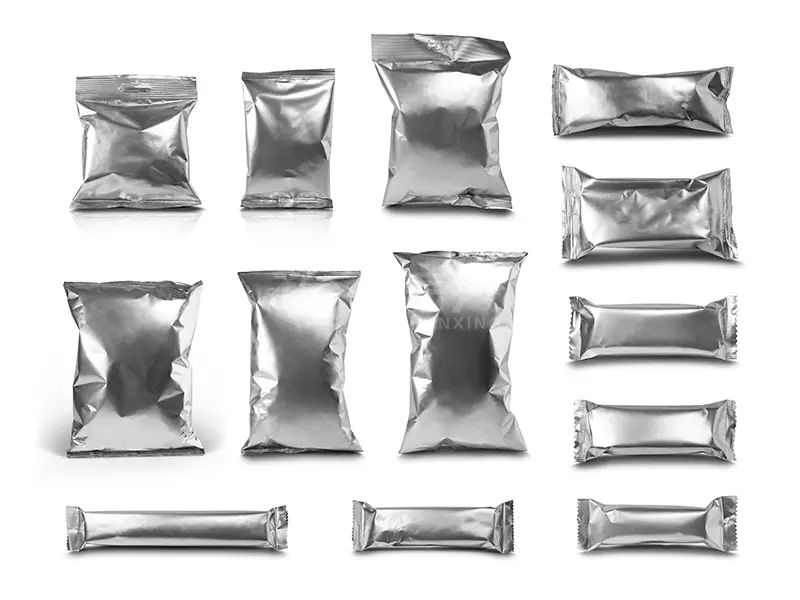
Excellent barrier performance and forming capabilities, vital for aseptic drug packing, food preservation, and chemical containment systems.

High thermal conductivity alloys tailored for heat sinks, semiconductor backplates, and mobile computing structural chassis.

Exceptional strength-to-weight ratios with high resistance to structural fatigue under low-temperature, high-altitude atmospheric cycles.
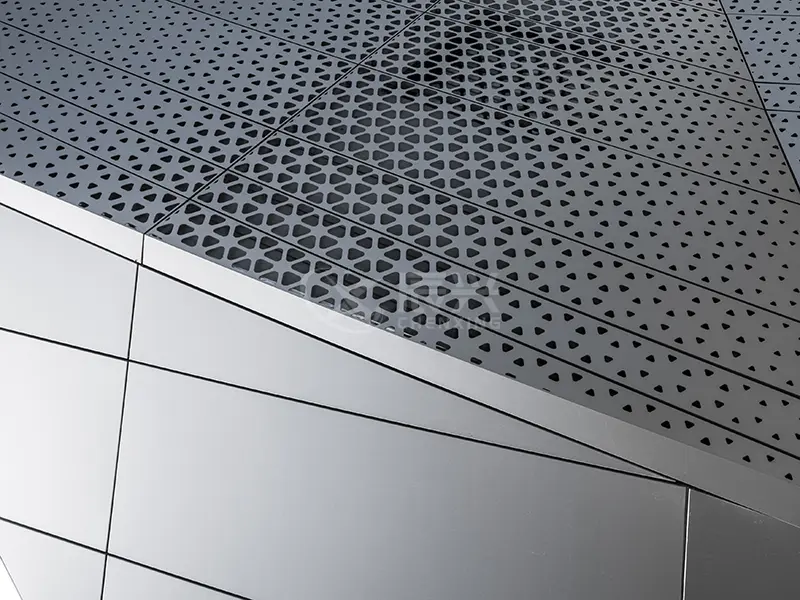
High corrosion resistance, custom anodizing finishes, and structural profiles designed for sustainable building frameworks.

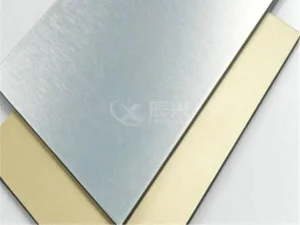
Combines aesthetic design surfaces (brushed, mirror) with structural reliability for consumer appliances and interior components.
The manufacturing future of Alloy 6061 is centered around decarbonization and precision heat treatments. While standard T6 tempering remains the workhorse of current design manuals, advanced processing windows such as T651 (stress-relieved stretching) and customized retrogression and re-aging (RRA) treatments are being developed to counter stress corrosion cracking in extreme marine and chemical settings.
Furthermore, the push toward circular metal economies requires next-generation smelting lines capable of utilizing up to 85% post-consumer scrap without compromising chemical integrity. Traces of iron impurities must be strictly managed with electromagnetic purification setups during continuous casting. Below is the active research and processing roadmap our factory utilizes to align with global high-tech procurement demands over the next decade.
Integrating online inline rotary degassing systems and advanced filtering mechanisms to reduce hydrogen inclusions and metal defects, ensuring recycled aluminum matrices match virgin mechanical values.
Upgrading heating controls to prevent structural variation during continuous extrusion billet casting, resulting in highly uniform grain structures and isotropic mechanical properties during forging.
Implementing real-time physical sensors along the rolling, extrusion, and quenching stages to construct live digital replicas of processing parameters, predicting structural properties before the metal leaves the line.
Operating a global supply footprint requires deep adherence to international safety and structural standards. Every batch of Alloy 6061 leaving our factory floors is traceable to the source billet, providing complete transparency across chemistry, heat treatment profile, and mechanical load parameters.
Our operational framework matches key regional and sector certifications, including:
Addressing engineering questions and global supply constraints for Alloy 6061 procurement.
Our production line controls the magnesium-to-silicon ratio (Mg:Si) within the optimal range of 1.1:1 to 1.5:1. By monitoring solution heat treatment temperature zones and rapid water quench rates, we ensure maximum solute retention. During artificial aging at 160°C–175°C, we trigger a high density of needle-like β" (Mg2Si) precipitates within the grain structure, maximizing mechanical hardness and yield parameters.
We supply Mill Test Certificates (MTC) matching EN 10204 3.1 standards. These reports detail ladle analysis chemical composition, tensile testing results (UTS, Yield, Elongation), ultrasonic flaw detection metrics, and dimensional profile conformance checks.
Alloy 6061 in the T6 temper possesses high strength but limited cold-forming ductility. For projects involving tight-radius bending, we recommend purchasing the alloy in the T4 temper. This state allows for cold-forming operations, after which the parts can be artificially aged to the T6 temper to regain full mechanical strength.
We offer specialized surface treatments including Type II (sulfuric acid) anodizing, Type III (hardcoat) anodizing, and chemical conversion treatments (e.g., chromate-free Alodine coatings). These processing options boost surface wear resistance and provide long-term protection against high-salinity marine environments.
Keep track of the global shifts in raw material pricing, supply constraints, and technology breakthroughs.
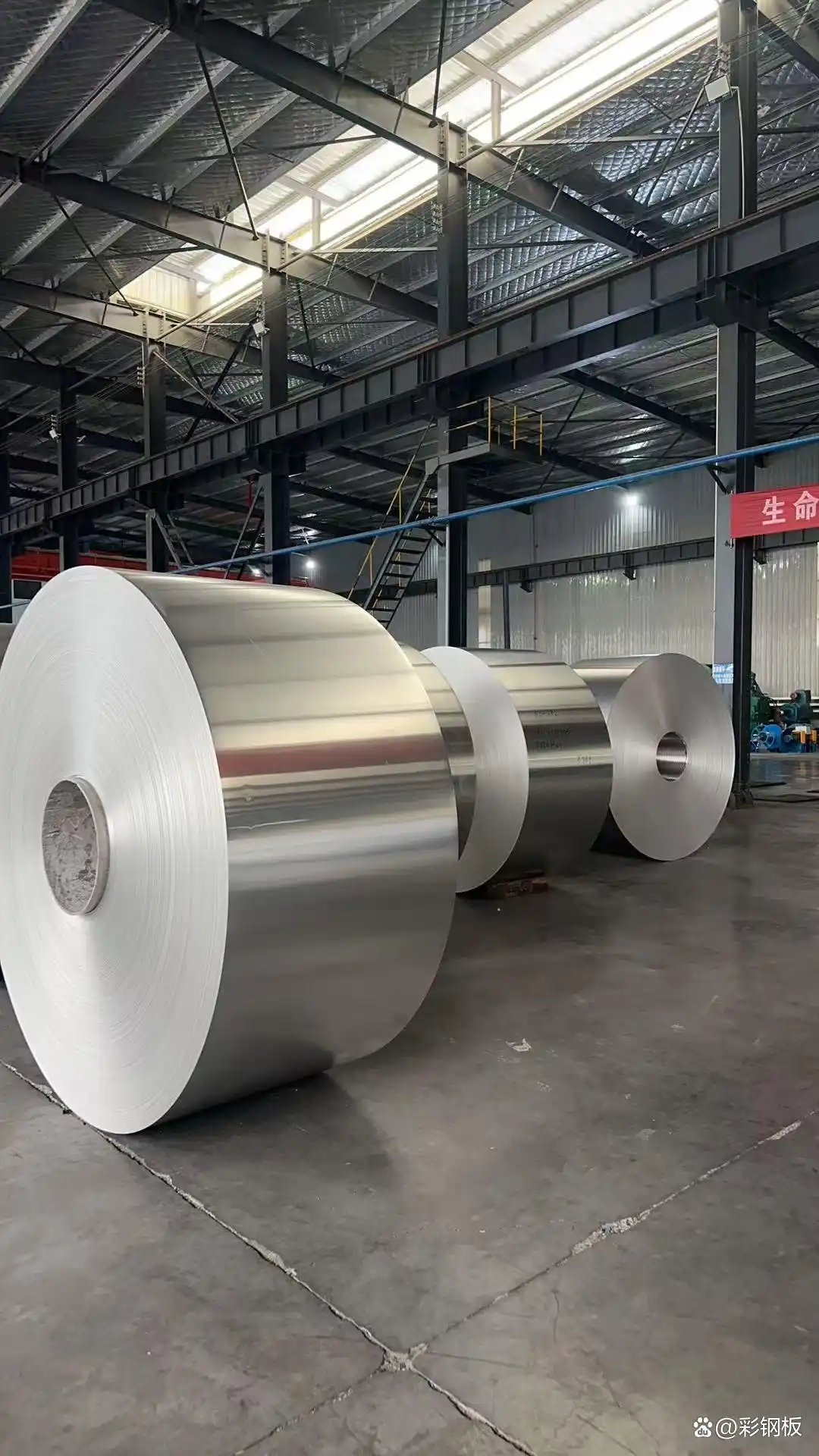
Submit your chemical specifications, temper requirements, and target volumes. Our technical sales engineers will respond with a formal quotation and processing plan within 24 hours.
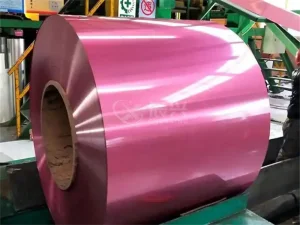
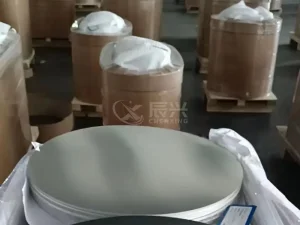
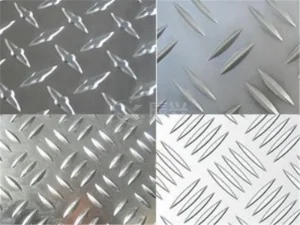
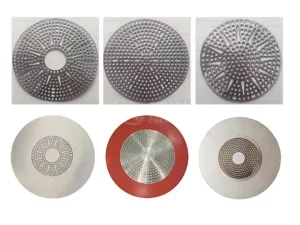
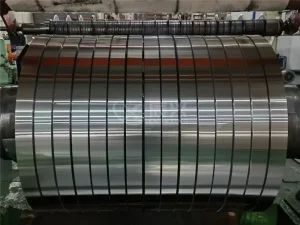
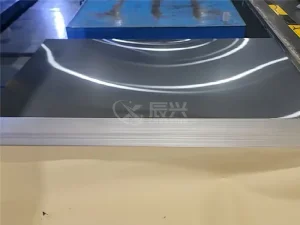
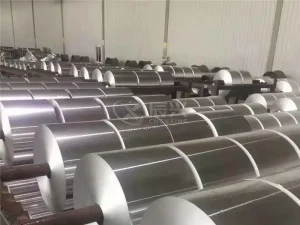
Supporting diverse applications with precision-rolled coil, foil, circles, and surface-treated sheets.