
China Round Aluminum Tube Suppliers - High-Quality Factory Manufacturing for Versatile Applications

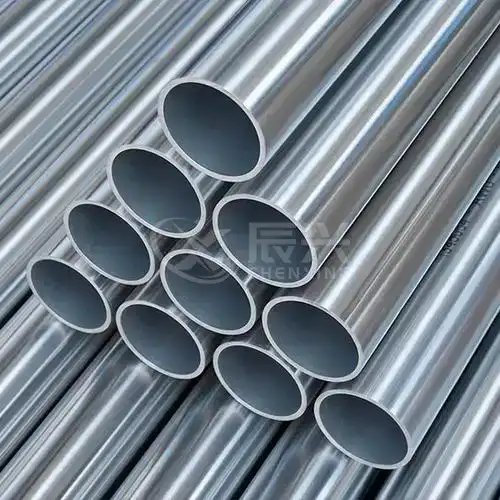
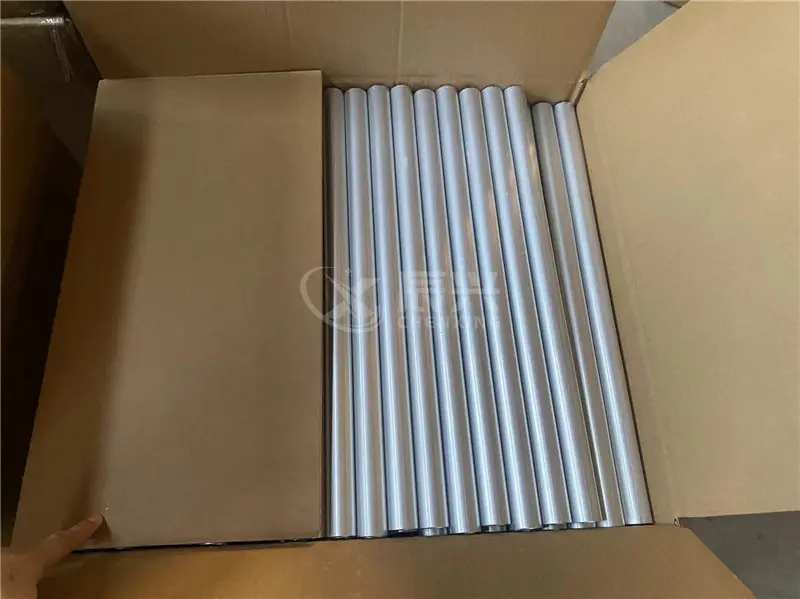
Introducing our round aluminum tube, a highly versatile hollow cylindrical product expertly crafted in our China factory. Manufactured through advanced extrusion, drawing, or rolling processes using pure aluminum or high-quality aluminum alloys, our tubes feature the remarkable advantages of aluminum: lightweight design, excellent corrosion resistance, high thermal conductivity, and outstanding formability, The hollow structure not only enhances the strength-to-weight ratio but also promotes material efficiency, making it ideal for a variety of applications. As a fundamental component in industrial, architectural, and consumer markets, our round aluminum tubes are widely utilized in construction, transportation, machinery manufacturing, and everyday necessities. As key suppliers, we are dedicated to providing high-quality aluminum solutions tailored to meet your needs

Product Description

Key Specifications

Round aluminum tube specifications are customized based on application scenarios, with alloy type, diameter, wall thickness, and precision being core parameters:

Specification Category Detailed Parameters Typical Alloys Typical Applications Quality Control Requirements
Outer Diameter (OD) Small: ≤ 20mm 1060, 3003, 6061 Electrical conductors, medical instruments, small heat exchangers Tolerance ±0.05mm, no surface scratches
Medium: 20mm – 200mm 3003, 5052, 6061, 6063 Architectural handrails, furniture frames, automotive parts, hydraulic tubes Tolerance ±0.1mm, straightness ≤ 0.5mm/m
Large: ≥ 200mm 5083, 6061, 7075 Industrial pipelines, marine structures, architectural columns Tolerance ±0.2mm, wall thickness uniformity ≤ 5%
Wall Thickness (WT) Thin: ≤ 1mm 1060, 3003 Heat exchange fins, decorative tubes, small containers Thickness tolerance ±0.03mm, no pinholes
Medium: 1mm – 10mm 3003, 5052, 6061 Handrails, automotive exhaust pipes, furniture, general machinery Thickness tolerance ±0.05mm, weld strength ≥ 80% of base metal (for welded tubes)
Thick: ≥ 10mm 5083, 6061, 7075 Load-bearing structures, marine components, high-pressure pipelines Tensile strength ≥ 250MPa, impact toughness ≥ 20 J/cm²
Alloy Types Pure Aluminum (1xxx Series) 1060, 1100 (99.6%/99.0% Al) Electrical conductors, heat exchangers, decorative applications High conductivity, good corrosion resistance, low strength
Non-Heat-Treatable Alloys (3xxx, 5xxx) 3003 (Mn), 5052 (Mg), 5083 (Mg-Mn) Marine parts, chemical pipelines, architectural structures Excellent corrosion resistance, good weldability
Heat-Treatable Alloys (6xxx, 7xxx) 6061 (Al-Mg-Si), 6063 (Al-Mg-Si), 7075 (Al-Zn-Mg-Cu) Aerospace components, automotive parts, high-load structures High strength after heat treatment, good machinability

Typical Applications

Round aluminum tube's versatility makes it a staple in multiple industries, driven by its unique combination of strength, weight, and functionality:

Architectural & Construction

Used for handrails, balustrades, curtain wall supports, ceiling frames, and decorative columns. Its lightweight reduces structural load, while anodized or coated surfaces enhance aesthetics and durability.

Transportation Industry

Applied in automotive (exhaust pipes, fuel lines, frame components), aerospace (hydraulic tubes, structural parts), marine (hull supports, piping systems), and railway (interior trim, cooling tubes). Its light weight improves fuel efficiency.

Mechanical & Industrial Equipment

Used in heat exchangers (air conditioners, refrigerators, industrial coolers), hydraulic and pneumatic pipelines, conveyor rollers, and machine frames. Its thermal conductivity and corrosion resistance ensure reliable performance.

Electrical & Electronics

Used as electrical conductors (power transmission lines, bus bars), heat sinks for electronic devices, and casings for electrical equipment. Its conductivity and lightweight meet efficiency requirements.

Consumer Products

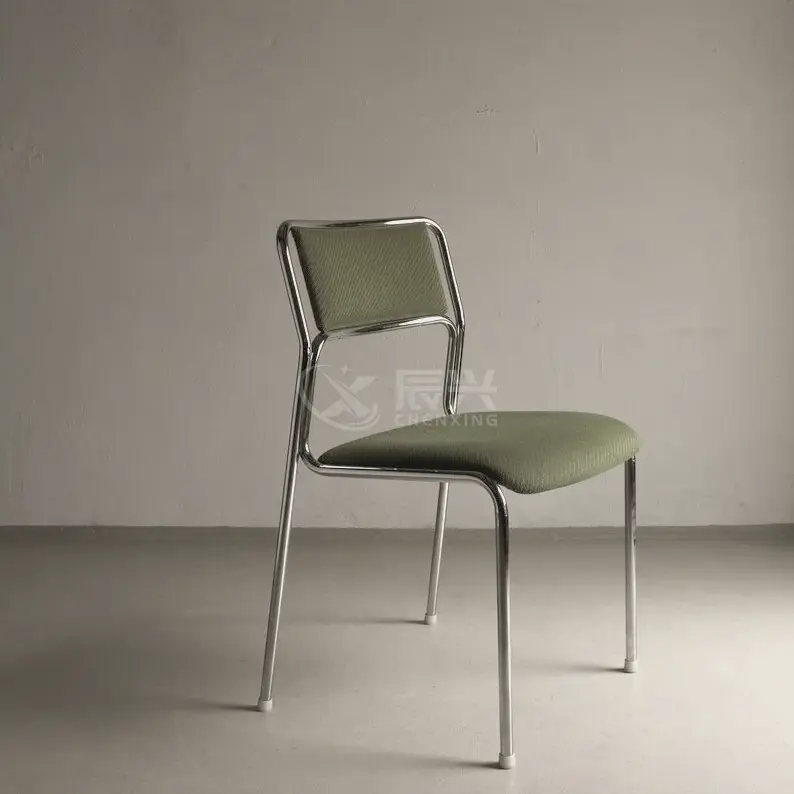
Found in furniture (chair frames, table legs), sports equipment (bicycle frames, tent poles), kitchenware (cookware handles, ventilation tubes), and decorative items. Its formability and aesthetics cater to diverse design needs.

Medical & Pharmaceutical

Used in medical instruments (surgical tools, diagnostic equipment components) and pharmaceutical pipelines. Its corrosion resistance and easy sterilization meet hygiene standards.

Advantages Over Alternative Materials

Compared with traditional materials like steel, copper, and plastic tubes, round aluminum tube offers distinct competitive advantages:

Alternative Material Advantages of Round Aluminum Tube Key Reason
Steel Tube Lighter (1/3 weight), better corrosion resistance (no rust without coating), higher thermal conductivity, easier processing Steel is prone to rust and heavier; aluminum's natural oxide film and low density reduce maintenance and transportation costs.
Copper Tube Lower cost (1/2–1/3 of copper), lighter weight, more abundant resources, better formability for complex shapes Copper is expensive and scarce; aluminum meets most conductivity/thermal requirements at a lower cost.
Plastic Tube Higher strength, better heat resistance (withstands -40°C to 150°C vs. plastic's 60–100°C), non-toxic (no chemical leaching), recyclable Plastic is brittle at low temperatures, degrades at high temperatures, and is non-recyclable in many cases.
Brass Tube Lighter, lower cost, better corrosion resistance in marine environments, easier to recycle Brass is heavy, contains lead (environmentally hazardous), and has higher production costs.

Detail Images

Detail 1
Detail 1
Detail Image 2
Detail 2
Detail Image 3
Detail 3

Frequently Asked Questions

Q1 What alloy series is most suitable for round aluminum tubes used in marine environments?
For marine environments, the 5xxx series alloys — particularly 5052 and 5083 — are the most recommended. These alloys contain magnesium (Mg) and manganese (Mn), which provide excellent corrosion resistance against saltwater and humid conditions. 5083 is especially preferred for structural marine applications due to its higher strength and superior weldability.
Q2 What is the standard wall thickness tolerance for round aluminum tubes?
Wall thickness tolerances vary by tube size: thin-wall tubes (≤ 1mm) maintain a tolerance of ±0.03mm; medium-wall tubes (1mm–10mm) allow ±0.05mm; and thick-wall tubes (≥ 10mm) are controlled to ensure wall thickness uniformity within ≤ 5%. Precision applications such as medical instruments or hydraulic systems typically require tighter tolerances negotiated at the time of order.
Q3 How does round aluminum tube compare to steel tube in terms of weight and corrosion resistance?
Round aluminum tube weighs approximately one-third of a comparable steel tube, significantly reducing transportation and installation costs. Unlike steel, aluminum forms a natural oxide layer that protects against corrosion without requiring additional coatings or treatments. This makes aluminum tubes a lower-maintenance and longer-lasting solution in most environments.
Q4 Can round aluminum tubes be customized in diameter and length?
Yes. Round aluminum tubes are available in a wide range of outer diameters — from small sizes under 20mm up to large industrial diameters exceeding 200mm — and can be cut to custom lengths. Wall thickness, alloy type, temper, and surface finish (mill finish, anodized, powder-coated) can all be specified according to project requirements.
Q5 What temperature range can round aluminum tubes withstand?
Round aluminum tubes generally perform reliably across a temperature range of -40°C to 150°C, making them suitable for both cold-climate applications and moderate heat environments. This is a significant advantage over plastic tubes, which typically degrade or become brittle outside the 0°C to 100°C range. For higher-temperature industrial uses, specific alloys and tempers should be selected accordingly.
Q6 Are round aluminum tubes recyclable and environmentally friendly?
Yes. Aluminum is one of the most recyclable materials available — it can be recycled repeatedly without loss of quality. Recycling aluminum requires only about 5% of the energy needed to produce primary aluminum, making round aluminum tubes an environmentally sustainable choice compared to plastic tubes (which are often non-recyclable) or brass tubes (which contain lead and pose environmental hazards).

Related Products