
China Polyester-Coated Color Aluminum Coil - Trusted Suppliers & Quality Factory Production

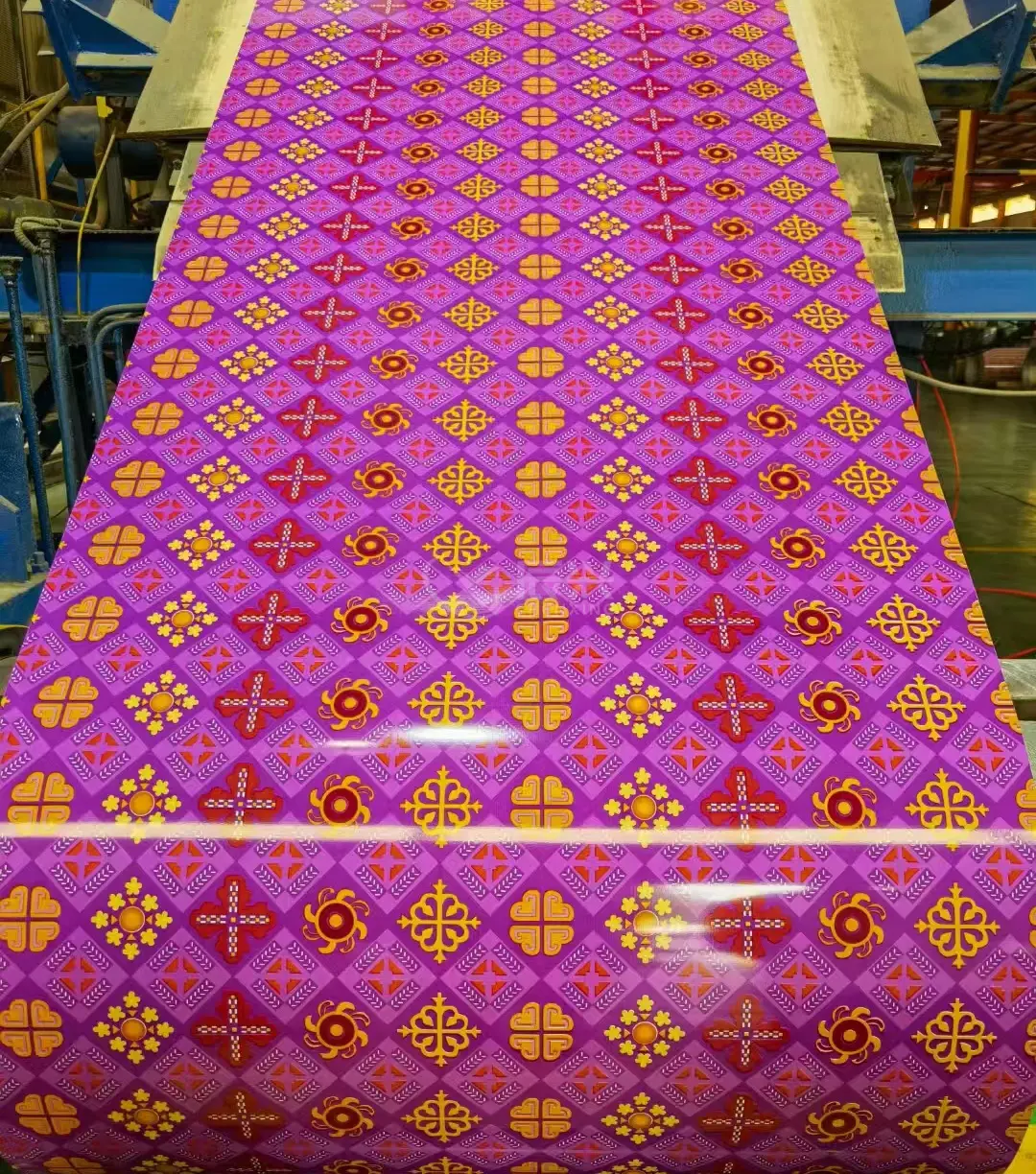
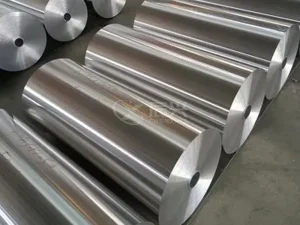
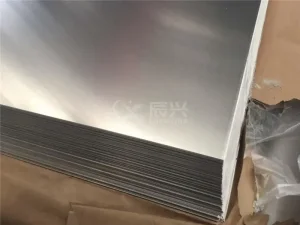
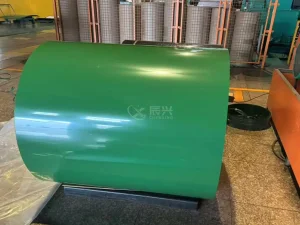
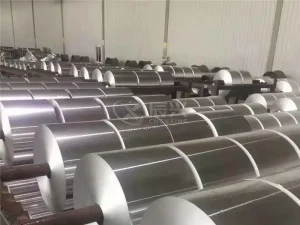
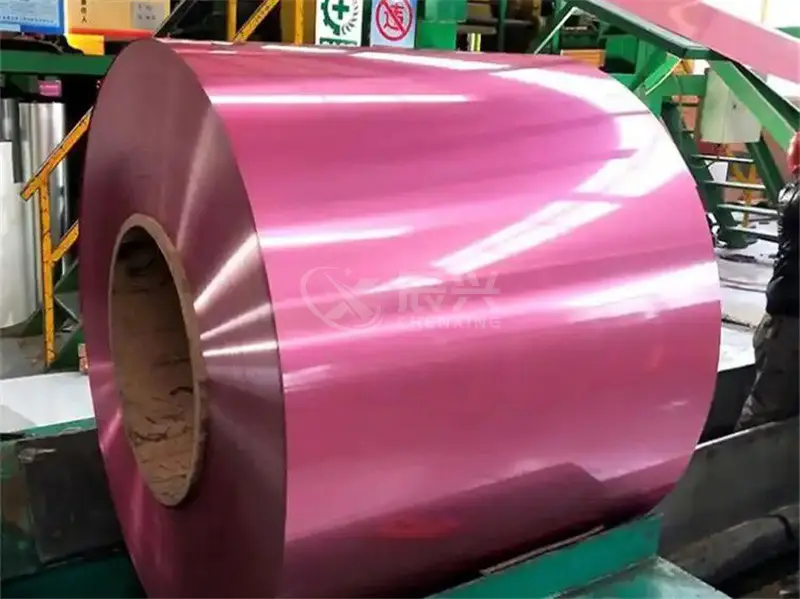
Polyester-coated color aluminum coil, also known as PE color aluminum coil or polyester color aluminum coil, is a premium aluminum product offered by leading suppliers in China. This high-value item undergoes surface pretreatment processes, including degreasing and chemical conversion, before a durable layer of polyester resin paint is applied using advanced roller coating technology. The result is a product that combines the lightweight and corrosion-resistant properties of aluminum with the vibrant colors, weather resistance, and aesthetic appeal of polyester coatings. Widely utilized in architectural decoration, home appliances, signage, and transportation sectors, this polyester-coated aluminum coil is a preferred choice for modern decorative and functional applications. As a well-established factory in China, we pride ourselves on delivering top-quality aluminum solutions to meet diverse market needs

Product Description

Key Specifications

Polyester-coated color aluminum coil specifications are customized according to application scenarios and processing requirements. The main specifications are shown in the following table:

Specification Category Detailed Parameters Typical Applications Quality Control Requirements
Substrate Thickness Thin: 0.15mm – 0.3mm Home appliance panels (refrigerator side panels, washing machine covers), thin signage Thickness deviation ≤ ±0.02mm, good flexibility
Medium: 0.3mm – 1.2mm Architectural decoration (ceiling panels, wall cladding, door panels), advertising light boxes Thickness deviation ≤ ±0.03mm, flat surface without waves
Thick: 1.2mm – 3.0mm Transportation parts (automotive trim, trailer panels), outdoor billboards, cabinet frames Tensile strength ≥ 150MPa, good stamping performance
Coating Parameters Thin Coating: Total thickness 20–30μm (primer 5–8μm, topcoat 15–22μm) Indoor decoration (interior wall panels, furniture panels), small home appliances Adhesion ≥ 4B, pencil hardness ≥ 2H
Standard Coating: Total thickness 30–40μm (primer 8–10μm, topcoat 22–25μm) Outdoor architectural decoration, medium-sized home appliances, signage Color difference ΔE ≤ 1.5, neutral salt spray test ≥ 500h
Thick Coating: Total thickness 40–50μm (primer 10μm, topcoat 25–30μm, backcoat 5–10μm) Harsh environment applications (coastal architectural cladding, industrial workshop walls) Neutral salt spray test ≥ 1000h, weather resistance test ≥ 2000h
Width & Length Standard Width: 1000mm, 1220mm, 1500mm, 1600mm Batch production of architectural materials, home appliances, and signage Width deviation ≤ ±0.5mm, no edge warping
Custom Width: 500mm – 1600mm; Length: 50–3000kg/roll Special-sized architectural projects, customized home appliances, and transportation parts Uniform coil tension, no creases or scratches
Alloy Types 1050/1060 Alloy (≥ 99.5% Al) Indoor decoration, home appliances, and low-stress applications Excellent ductility, easy to process into complex shapes
3003 Alloy (with Mn 1.0–1.5%) / 5052 Alloy (with Mg 2.2–2.8%) Outdoor decoration, transportation parts, and high-stress applications Enhanced corrosion resistance and tensile strength

Advantages Over Alternative Materials

Compared with traditional decorative materials such as steel plates, wood, and ceramic tiles, polyester-coated color aluminum coil has obvious comprehensive advantages:

Alternative Material Advantages of Polyester-Coated Color Aluminum Coil Key Reason
Galvanized Steel Plate Lighter weight (1/3 of steel), better corrosion resistance, richer colors, and no rust Galvanized steel is prone to rust after the zinc layer is damaged; aluminum substrate has natural corrosion resistance, and the polyester coating enhances protection.
Solid Wood No deformation, no moth-eaten, water-resistant, fire-resistant, and longer service life (15–20 years vs. 5–10 years of wood) Wood is easily affected by moisture and temperature, leading to deformation and moth-eaten; polyester-coated aluminum is stable in physical properties and not affected by the environment.
Ceramic Tile Lighter weight (reduces building load), easier to install (no need for cement bonding), and better formability (can be bent) Ceramic tile is heavy and brittle, easy to break during transportation and installation; it cannot be processed into curved shapes.
PVDF-Coated Aluminum Coil Lower cost (about 30–50% of PVDF), sufficient performance for general applications, and more color options PVDF coating has better weather resistance but higher cost; polyester coating meets the needs of most non-harsh environment applications at a lower cost.

Detail Images

Detail 1
Detail 1
Detail 2
Detail 2
Detail 3
Detail 3
Detail 4
Detail 4
Detail 5
Detail 5

Frequently Asked Questions

Q What thickness of polyester-coated color aluminum coil is most suitable for outdoor architectural decoration?
For outdoor architectural decoration such as wall cladding, ceiling panels, and door panels, a medium substrate thickness of 0.3mm–1.2mm with a standard coating of 30–40μm is typically recommended. This combination ensures structural rigidity, weather resistance (neutral salt spray test ≥ 500h), and color stability (ΔE ≤ 1.5), making it ideal for most exterior building applications.
Q How does polyester-coated aluminum coil compare to PVDF-coated aluminum in terms of durability and cost?
PVDF-coated aluminum offers superior weather resistance and is better suited for extreme environments such as coastal or highly polluted areas. However, polyester-coated aluminum costs approximately 30–50% less than PVDF and provides sufficient performance for most general outdoor and indoor applications. For projects without extreme environmental exposure, polyester coating is the more cost-effective choice.
Q Can polyester-coated color aluminum coil be customized in width and color?
Yes. Custom widths ranging from 500mm to 1600mm are available, and coil weights can range from 50 to 3000kg per roll to suit different production scales. In addition, a wide range of colors can be applied through the polyester coating process, offering more color options compared to PVDF alternatives, making it suitable for both standard batch production and special architectural or industrial projects.
Q Which aluminum alloy is best for high-stress or outdoor applications?
For outdoor decoration, transportation components, and high-stress applications, 3003 alloy (containing 1.0–1.5% Mn) or 5052 alloy (containing 2.2–2.8% Mg) is recommended. These alloys offer enhanced corrosion resistance and tensile strength compared to pure aluminum alloys like 1050/1060, which are better suited for indoor decoration and low-stress environments due to their excellent ductility.
Q What are the key quality control standards for polyester-coated color aluminum coil?
Quality control covers multiple dimensions: coating adhesion must be ≥ 4B, pencil hardness ≥ 2H, and color difference ΔE ≤ 1.5 for standard applications. For harsh environments, the neutral salt spray test must exceed 1000 hours and weather resistance tests must exceed 2000 hours. Dimensional tolerances are also strictly controlled, with thickness deviation ≤ ±0.02–0.03mm and width deviation ≤ ±0.5mm, ensuring consistent performance across all batches.
Q Why is polyester-coated aluminum coil preferred over solid wood or ceramic tile for wall cladding?
Polyester-coated aluminum coil offers significant advantages over both materials. Compared to solid wood, it resists moisture, temperature changes, deformation, and pest damage, with a service life of 15–20 years versus 5–10 years for wood. Compared to ceramic tile, it is much lighter (reducing structural load), easier to install without cement bonding, and can be bent or formed into curved shapes — making it far more versatile for modern architectural design.

Related Products