1 / 1

The anodized oxide film (mainly aluminum oxide) acts as a reliable barrier, effectively isolating the aluminum substrate from air, moisture, acids, alkalis, and other corrosive substances. Compared with unprocessed aluminum sheets, it has significantly improved resistance to rust and corrosion, making it suitable for long-term use in harsh environments such as coastal areas, industrial zones, and outdoor settings.
The oxide film formed by anodization has higher hardness (Mohs hardness 3–5, depending on the anodization process) than the aluminum substrate. It can withstand friction and abrasion from external objects, reducing surface scratches and wear, thus maintaining the product's appearance and performance for a longer time.
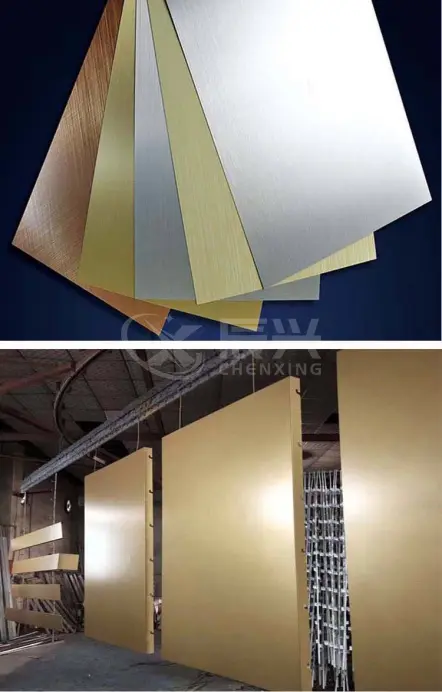
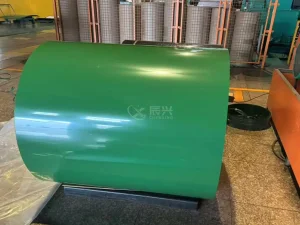
The porous structure of the anodized film allows for easy adsorption of dyes, enabling the aluminum sheet to be colored into a variety of colors (such as silver, gold, black, red, blue, and green) with uniform color and good light fastness. Additionally, through processes like sandblasting, brushing, or engraving before anodization, it can achieve diverse surface textures, meeting personalized decorative needs.
The aluminum oxide film has good heat resistance, which can withstand high temperatures up to 200–300°C without decomposing or discoloring. At the same time, it has excellent electrical insulation performance, making it an ideal material for electronic product casings and electrical components.
The anodization process is environmentally friendly, producing no harmful pollutants. The anodized aluminum sheet is non-toxic, odorless, and recyclable. Its oxide film is not easy to peel off or fade, with a service life of up to 10–30 years (depending on the application environment and film thickness), reducing the need for frequent replacement.
| Process Type | Characteristics | Typical Applications |
|---|---|---|
| Sulfuric Acid Anodization | Most common process, low cost, uniform film thickness (5–20 μm), good dyeability, and high transparency | Architectural decoration, furniture panels, electronic product casings, daily necessities |
| Chromic Acid Anodization | Thin film (2–5 μm), good adhesion to paint and adhesives, excellent corrosion resistance in harsh environments | Aerospace components, automotive parts, industrial equipment that requires secondary coating |
| Hard Anodization | Thick film (20–100 μm), high hardness (Mohs hardness 5–7), excellent wear resistance and heat resistance | Mechanical parts, tool surfaces, cylinder liners, mold components |
| Boric Acid Anodization | Good electrical insulation, low toxicity, suitable for precision electronic components | Printed circuit boards, semiconductor components, electrical insulation parts |
Architectural Decoration
Electronic & Electrical Industry
Automotive & Aerospace Industry
Furniture & Daily Necessities
Industrial Equipment