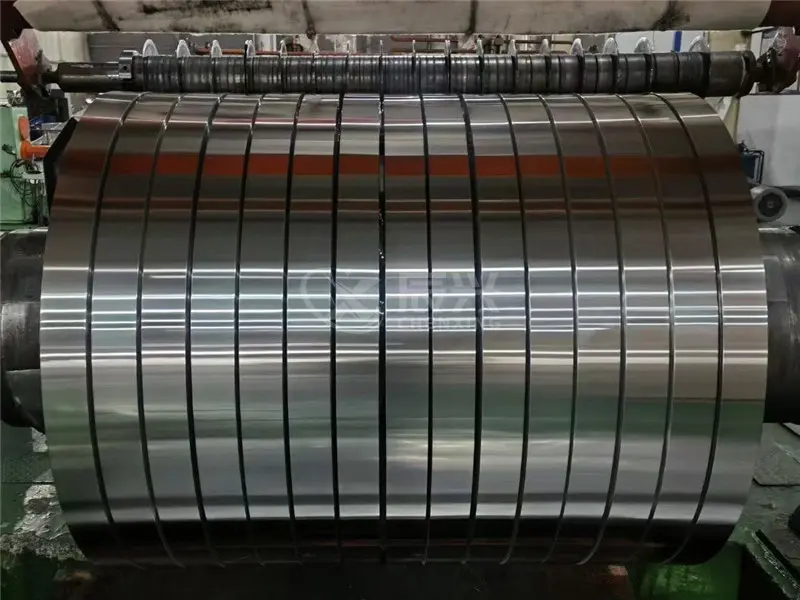
1 / 1

Aluminum Strip is classified based on alloy series, processing temper, and application scenarios, each with distinct characteristics to meet specific usage requirements. The key classifications are summarized in the table below:
| Classification Criterion | Category | Key Features | Typical Applications |
|---|---|---|---|
| Alloy Series | 1000 Series (Pure Aluminum Strip) | Aluminum ≥99.0%, high conductivity, good corrosion resistance | Heat sinks, electrical conductors, food packaging edges |
| 3000 Series (Al-Mn Alloy Strip) | Manganese 1.0%-1.5%, balanced strength and formability | Cookware edges, decorative strips, automotive trim | |
| 5000 Series (Al-Mg Alloy Strip) | Magnesium 1.0%-5.0%, high strength, excellent corrosion resistance | Marine components, structural brackets, pressure vessel parts | |
| 6000 Series (Al-Mg-Si Alloy Strip) | Heat-treatable, high strength after aging | Automotive structural parts, architectural profiles, hardware | |
| Processing Temper | O State (Annealed) | High ductility, easy to bend and stamp | Complex forming parts, decorative components |
| H14 State (Semi-Hard) | Moderate strength and ductility | General structural parts, packaging clips | |
| T6 State (Heat-Treated) | High strength, good rigidity | Automotive load-bearing parts, industrial brackets |
Aluminum Strip has strict dimensional control to ensure processing accuracy, and its mechanical properties vary with alloy and temper. Typical specifications and performance data are shown below:
| Alloy & Temper | Thickness Range (mm) | Width Range (mm) | Tensile Strength (MPa) | Elongation (%) |
|---|---|---|---|---|
| 1060-O | 0.1-6.0 | 5-200 | 75-105 | ≥25 |
| 3003-H14 | 0.2-8.0 | 10-300 | 130-180 | ≥5 |
| 5052-H32 | 0.3-10.0 | 15-400 | 170-210 | ≥10 |
| 6061-T6 | 0.5-12.0 | 20-500 | 310-380 | ≥8 |
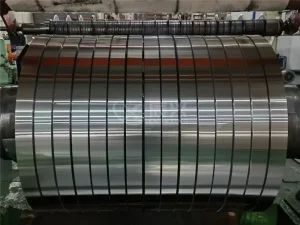
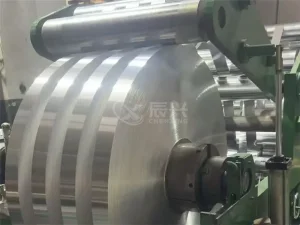
Manufactured by high-precision slitting equipment, the thickness tolerance is controlled within ±0.02mm and width tolerance within ±0.1mm, ensuring consistency in batch processing.
It can be easily subjected to bending, stamping, welding, and surface treatment (anodizing, powder coating), adapting to diverse manufacturing needs.
With a density of 2.7g/cm³, it is lighter than steel while providing sufficient strength (especially heat-treatable 6000 series), reducing product weight.
The natural oxide film on the surface and alloying elements (magnesium, manganese) enhance corrosion resistance, suitable for indoor and outdoor applications.
The slitting process has high material utilization rate, and the stable performance reduces post-processing costs, making it ideal for mass production.
Used as heat sink strips for LED lights, conductor strips for transformers, and battery connecting strips, leveraging its good thermal and electrical conductivity.
Applied in architectural decorative strips, door and window frames, and ceiling edge strips, benefiting from its corrosion resistance and aesthetic appeal after surface treatment.
Utilized for automotive trim strips, heat shield strips, and structural reinforcement strips, contributing to vehicle lightweighting and corrosion resistance.
Used as can body strips, bottle cap sealing strips, and packaging box edge strips, due to its formability and food safety (for food packaging).
Manufactured into fastener strips, spring strips, and tool parts, relying on its balanced strength and ductility.
Dimensional accuracy (tested by calipers and width gauges), surface quality (no scratches, burrs, or oxidation), and mechanical properties (batch sampling for tensile and elongation tests).
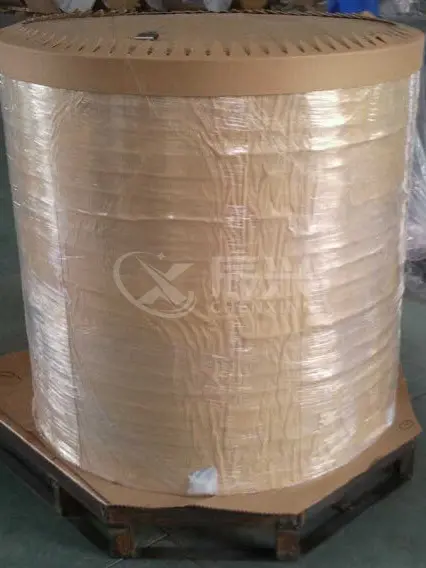
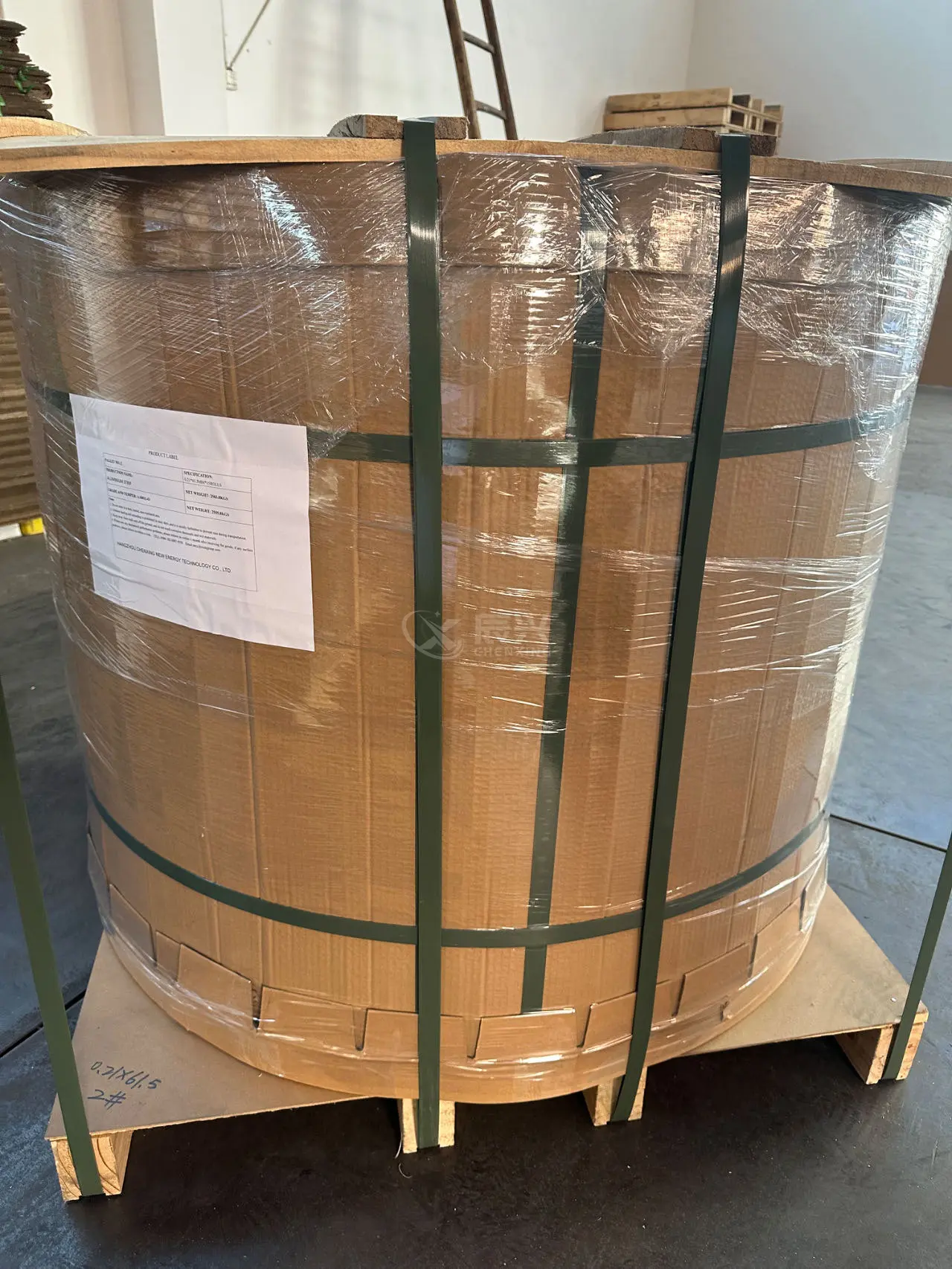
Store in a dry, well-ventilated warehouse to prevent oxidation; place on flat supports to avoid bending; separate different alloys and tempers to prevent confusion; cover with dustproof cloth to avoid contamination.
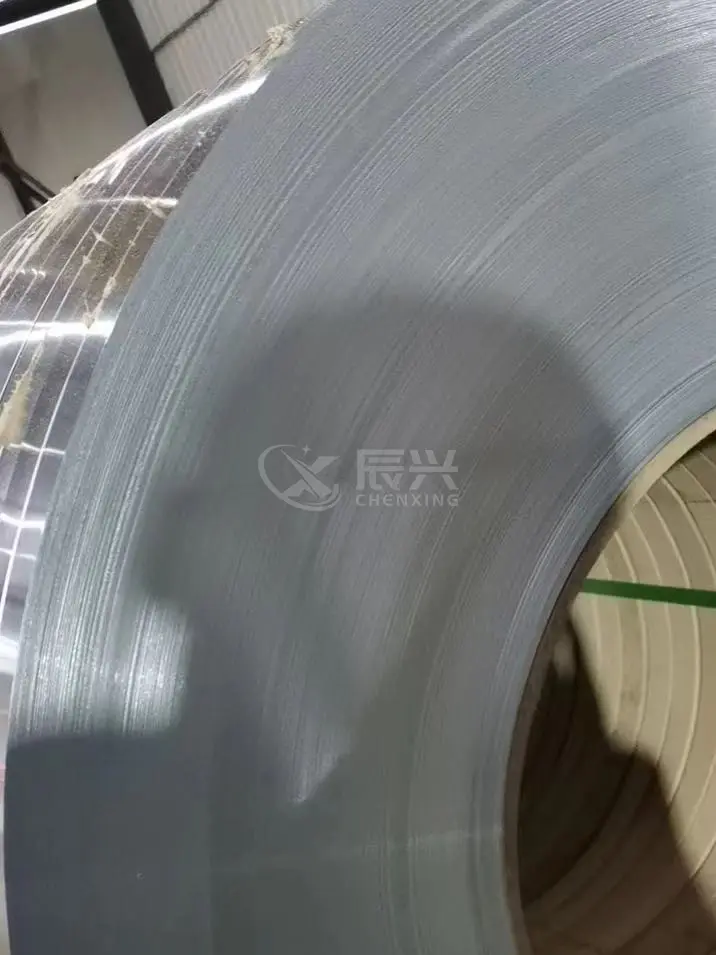
The main series include the 1000 Series (pure aluminum with high conductivity), 3000 Series (Al-Mn alloy with balanced strength and formability), 5000 Series (Al-Mg alloy with high strength and corrosion resistance), and 6000 Series (Al-Mg-Si alloy, heat-treatable and strong).
Processing temper determines the hardness and ductility. The O State (annealed) is highly ductile and easy to bend, H14 State (semi-hard) offers moderate strength, and T6 State (heat-treated) provides high strength and structural rigidity.
High-precision slitting equipment keeps the thickness tolerance within ±0.02mm and the width tolerance within ±0.1mm, ensuring high consistency during automated processing.
They are widely used in the electronics industry (heat sinks, conductors), construction (decorations, window frames), automotive (trim, heat shields), packaging (can bodies, caps), and various industrial hardware parts.
Store them in a dry, well-ventilated warehouse on flat supports to prevent bending. Different alloys and tempers should be separated to avoid confusion, and they should be covered with dustproof cloth to prevent contamination and oxidation.
Quality control includes checking dimensional accuracy with calipers/gauges, assessing surface quality to ensure no scratches, burrs, or oxidation, and conducting batch sampling for tensile strength and elongation tests.