1 / 1

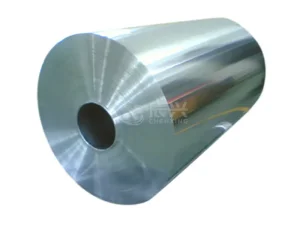
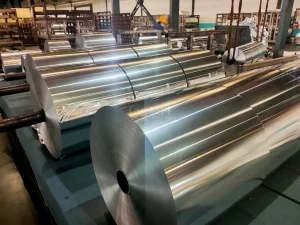
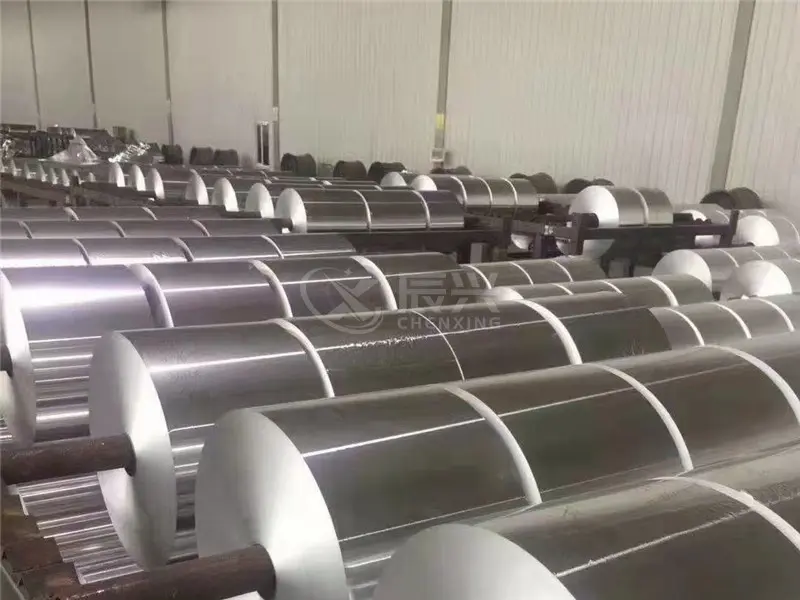
Rolled from pure aluminum, mainly used for simple sealing or as a composite base material.
Combined with plastic films (e.g., PVC, PE) or paper, integrating the barrier property of aluminum foil and the flexibility of other materials. It is widely used in blister packaging (PTP aluminum foil).
Coated with pharmaceutical-grade adhesives and protective layers on the surface to improve sealing performance and printing adaptability.
Cooperates with plastic blisters to individually package each tablet or capsule, facilitating portability and administration.
Serves as the inner barrier material of composite pouches for large packaging of granular preparations and powders.
Used as aluminum foil gaskets for medicine bottle mouths to enhance sealing effect and prevent drugs from dampening and deteriorating.
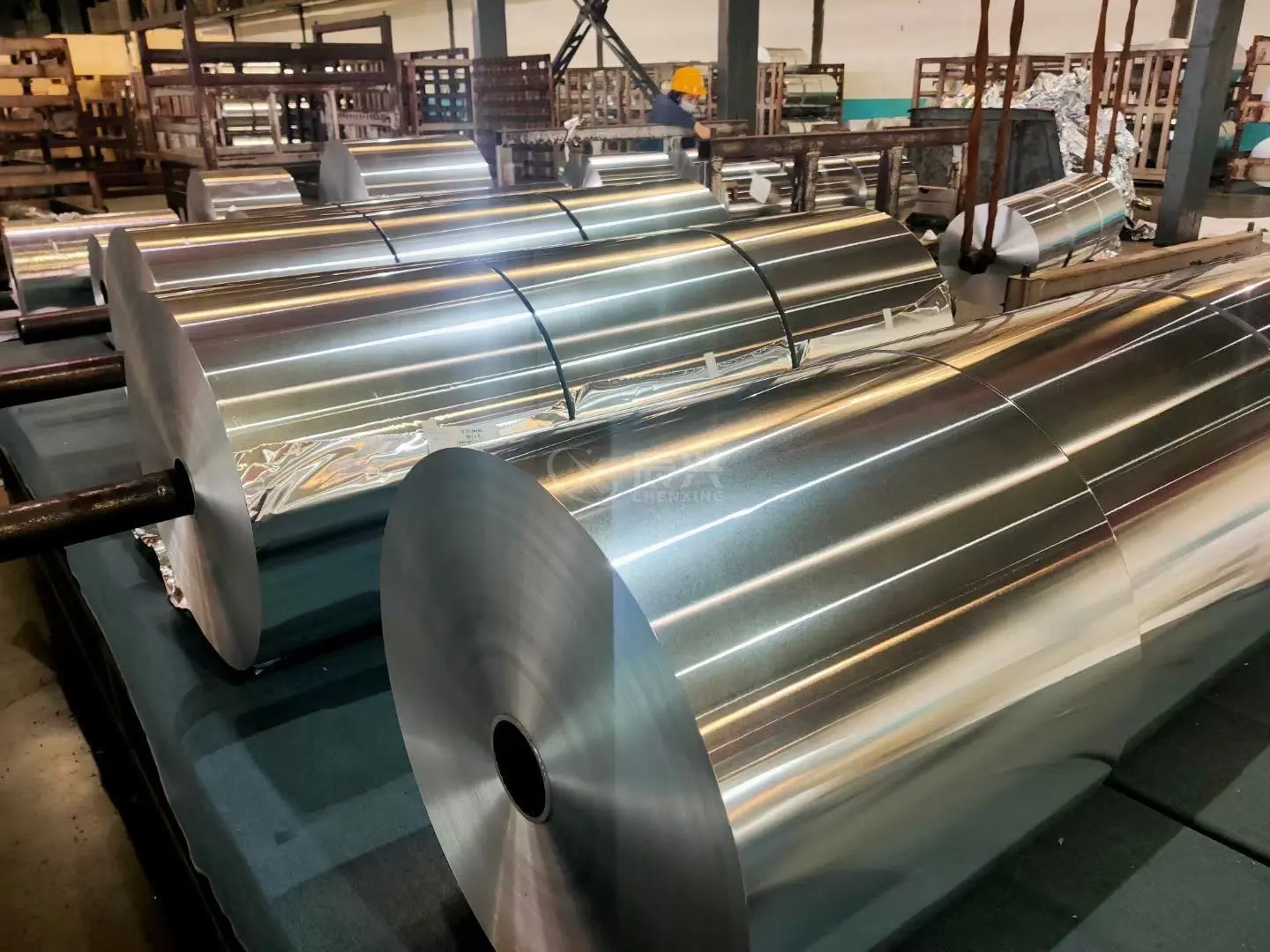
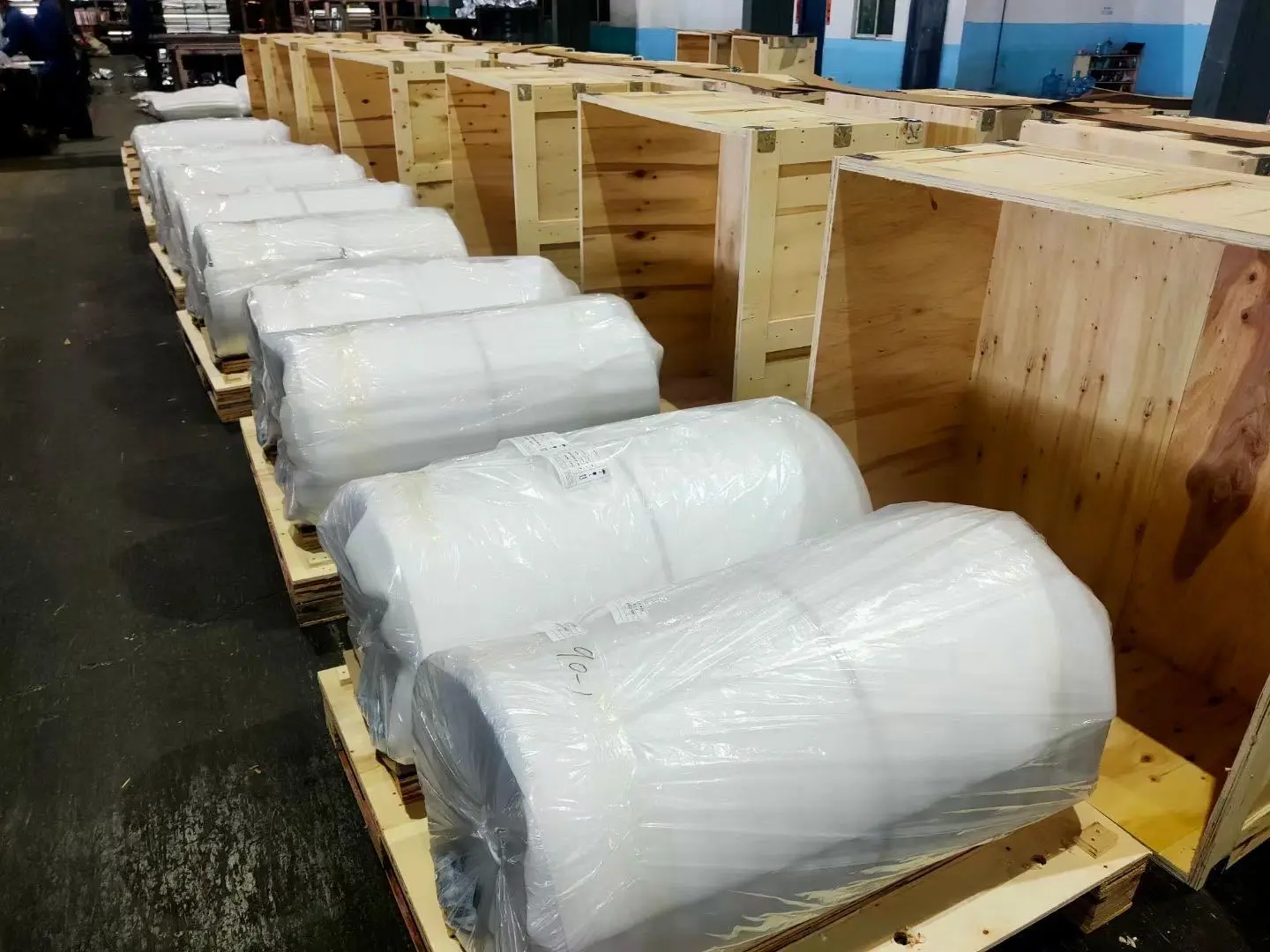
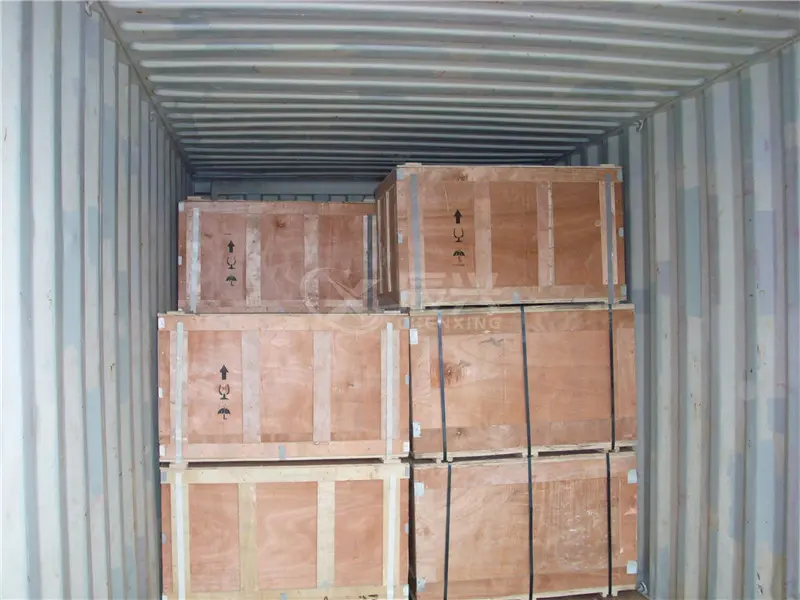
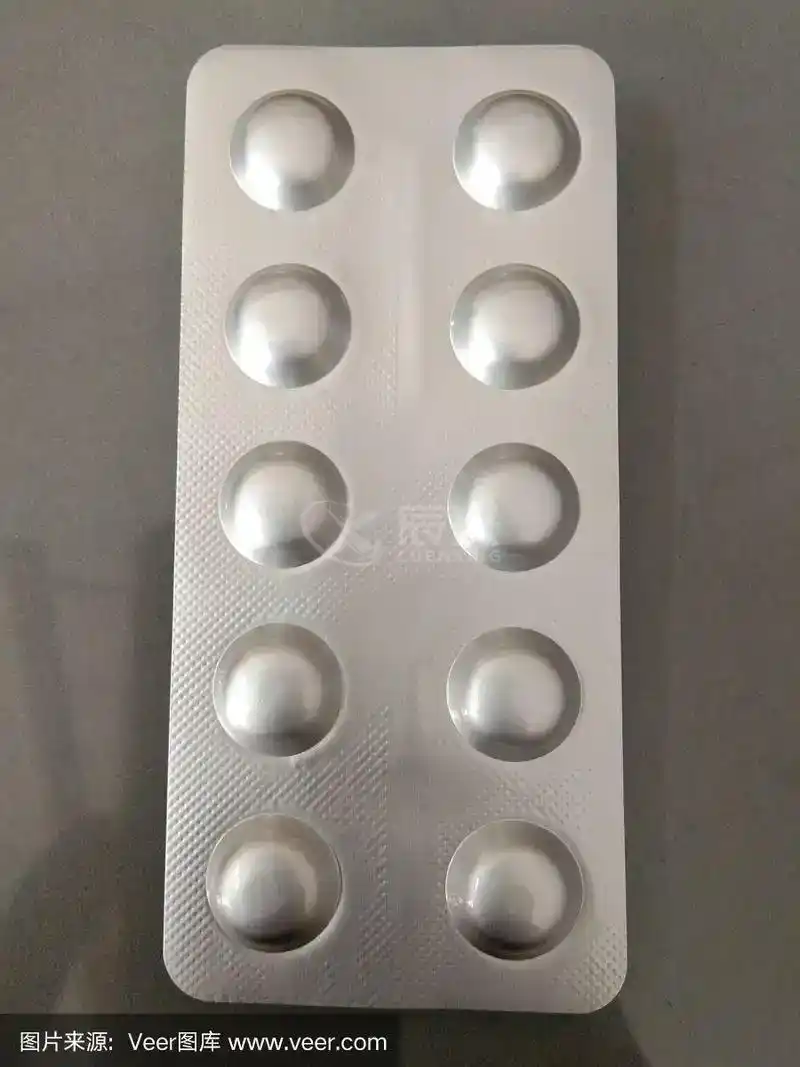
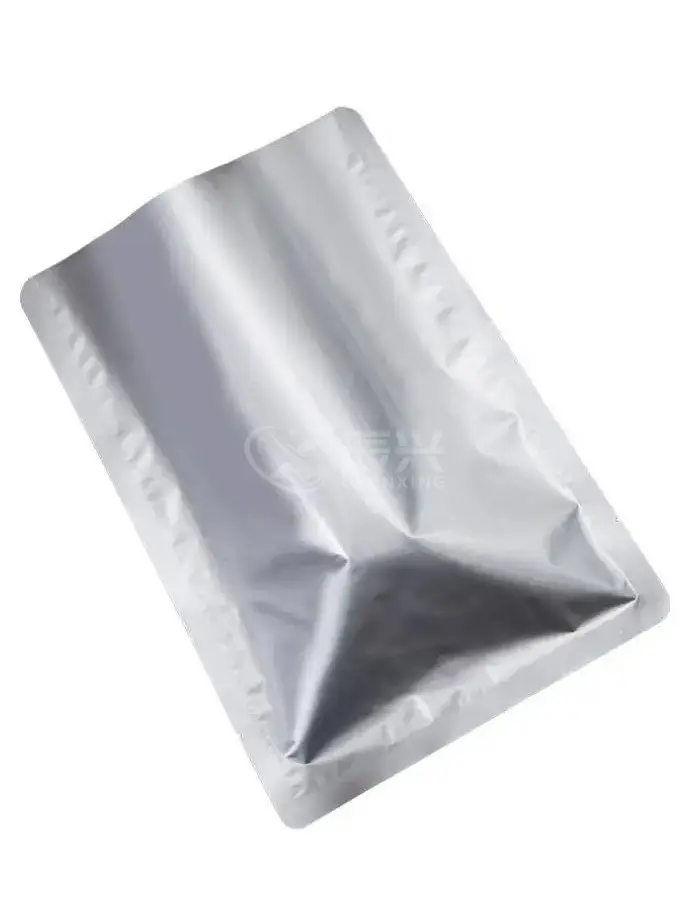
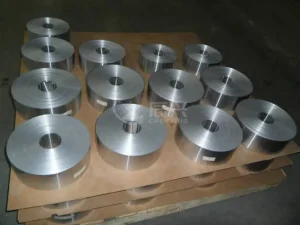
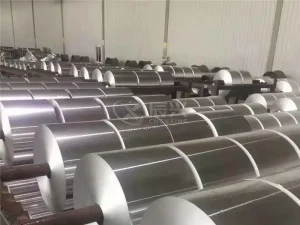
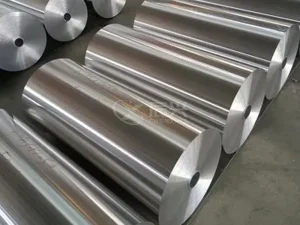
Pharmaceutical aluminum foil generally comes in three types: single-layer foil (pure aluminum), composite foil (combined with plastic films like PVC or PE, commonly used for blister packaging), and coated foil (which features adhesives and protective layers to improve sealing and printing).
It is primarily used in blister packaging for tablets and capsules, pouch packaging for granular preparations or powders, and bottle cap sealing to protect liquid or solid medicines from moisture.
By combining aluminum foil with materials like PVC, PE, or paper, composite foil integrates the excellent barrier properties of pure aluminum with the structural flexibility of other materials, ensuring better protection and durability.
Coated aluminum foil features pharmaceutical-grade adhesives and surface protective layers. This specialized coating enhances both the heat-sealing strength and the overall printing adaptability for product labeling.
When used as gaskets for bottle mouths, aluminum foil creates a secure hermetic seal that prevents moisture and air from entering the bottle, which significantly stops the drugs from dampening or deteriorating.