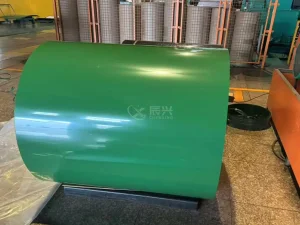
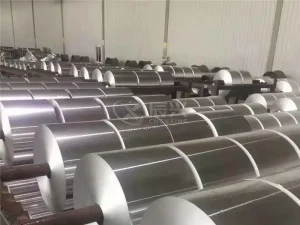
Common Alloys & Specifications
Different alloys are selected based on application requirements for strength, corrosion resistance, and formability:
| Alloy |
Main Features |
Typical Applications |
| 1050/1060 |
High purity (≥99.5% Al), excellent reflectivity, good ductility |
Decorative mirrors, lighting reflectors, signage |
| 1100 |
Slightly higher strength than 1050/1060, better corrosion resistance |
Kitchen appliances, cosmetic cases |
| 3003 |
Added manganese (1.0–1.5%), enhanced corrosion resistance and strength |
Outdoor signage, automotive trim, refrigeration equipment |
| 5052 |
Added magnesium (2.2–2.8%), high strength, excellent marine corrosion resistance |
Ship interiors, outdoor architectural cladding |
Specifications
Thickness
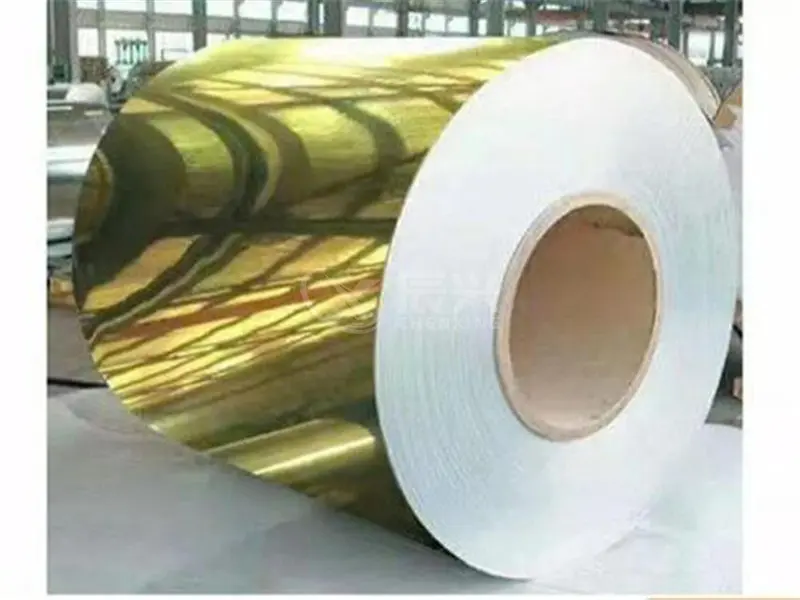
Coils: 0.1mm – 3.0mm
Sheets: 0.2mm – 6.0mm
Width
Coils: 100mm – 1600mm (customizable)
Common sheets: 1220mm, 1500mm, 1600mm
Length
Sheets: 2440mm, 3000mm, or custom
Coils: 500–3000kg rolls
Reflectivity Grade
-
Standard
80–85% — For general decoration
-
High-Reflectivity
86–90% — For lighting and signage
-
Premium
≥92% — For high-end furniture and automotive lighting
Typical Applications
🏢
Decorative Industry
Interior decoration, ceiling panels, wall cladding, elevator doors, furniture, exhibition stands.
💡
Lighting Industry
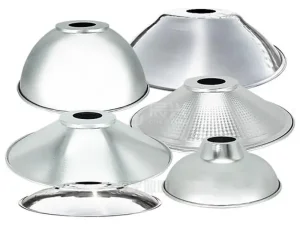
Reflectors for LED lamps, stage lights, automotive headlights, and solar water heaters.
🏗️
Architectural Industry
Outdoor curtain walls, facade panels, and canopy cladding.
🚗
Automotive & Transportation
Car trim, motorcycle fuel tanks, and train interior panels.
🏢
Household Appliances
Refrigerator doors, microwave ovens, and air conditioner panels.
📢
Signage & Advertising
Light boxes, billboards, and logo plates—high visibility due to reflective properties.
Advantages Over Alternative Materials
Compared to traditional reflective materials like glass mirrors, stainless steel, or chrome-plated metal, mirror aluminum coil/sheet offers distinct benefits:
| Material |
Advantage of Mirror Aluminum Coil/Sheet |
| Glass Mirror |
Lighter (easy to install), shatterproof (safer for public areas), and more formable (can be bent into curves). |
| Stainless Steel |
Lower cost, higher reflectivity (especially for visible light), and lighter weight—reducing structural load. |
| Chrome-Plated Metal |
No risk of chrome peeling (environmental and durable), better corrosion resistance, and easier recycling. |
💡 In summary, mirror aluminum coil/sheet is a high-performance, multi-functional material that balances aesthetics, durability, and sustainability—driving its growing demand across global industries.
Frequently Asked Questions
What is the maximum reflectivity of mirror aluminum coil/sheet?
Premium-grade mirror aluminum coil/sheet can achieve a reflectivity of ≥92%, which is comparable to glass mirrors. Standard grades typically range from 80–85%, while high-reflectivity grades reach 86–90%, suitable for lighting and signage applications.
Which alloy is best for outdoor applications?
For outdoor use, alloy 3003 (with added manganese) and 5052 (with added magnesium) are recommended. Both offer enhanced corrosion resistance against moisture and atmospheric conditions. Combined with PVDF coating, they are ideal for architectural facades, outdoor signage, and marine environments.
Can mirror aluminum sheet be cut or bent without damaging the surface?
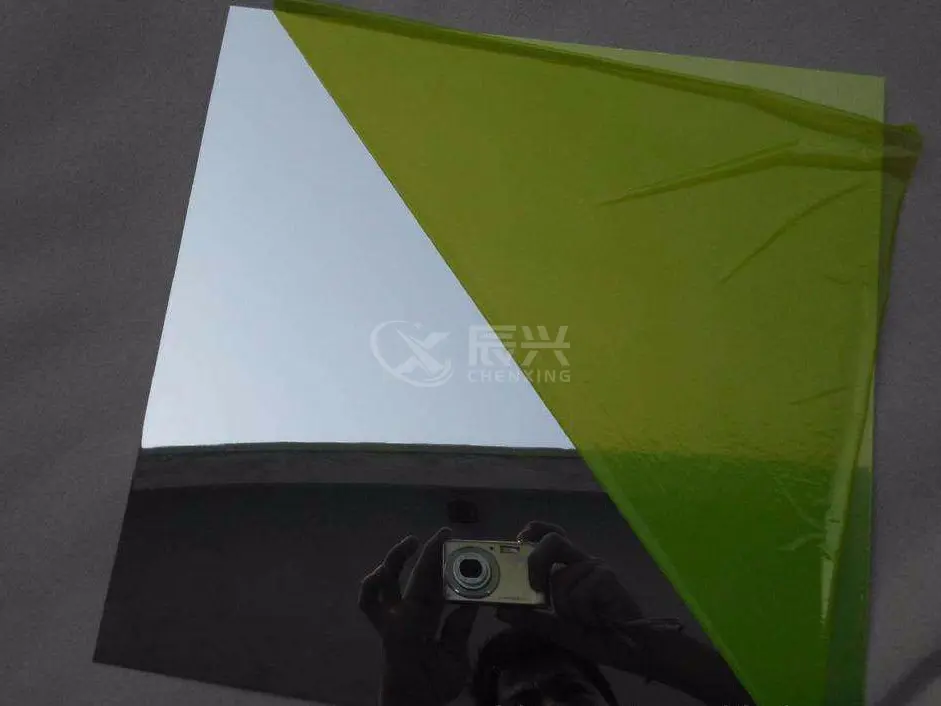
Yes. Mirror aluminum sheet has good formability and can be processed via cutting, bending, rolling, stamping, or welding. The protective PE film applied during production helps prevent surface scratches during fabrication and installation. Proper tooling and handling are recommended to maintain the mirror finish.
What surface protection options are available for mirror aluminum?
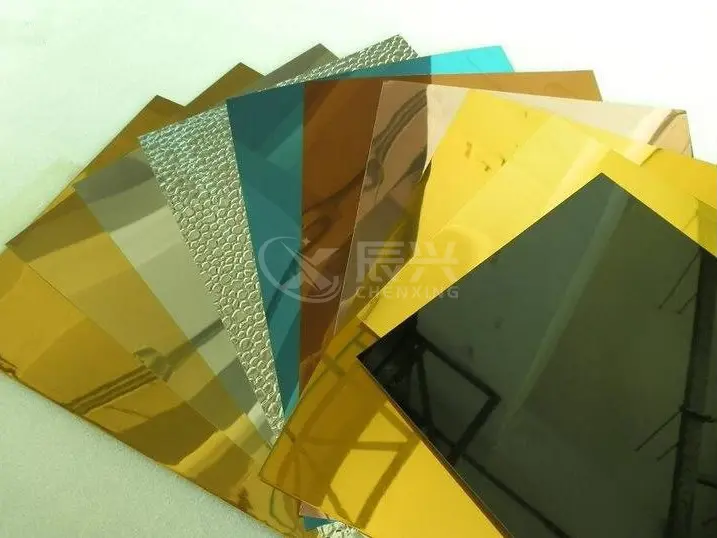
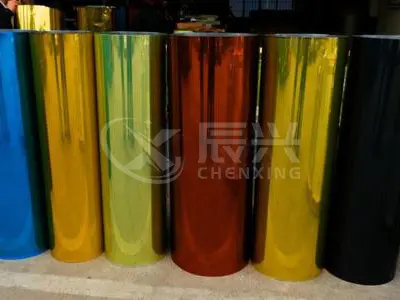
Three main surface protection methods are available: Anodizing (forming a 5–20μm oxide layer for scratch resistance and optional color customization), PE/PVDF Coating (for UV resistance and color stability, ideal for outdoor use), and PE Film Lamination (a temporary protective film for safe transportation and installation).
How does mirror aluminum compare to stainless steel in terms of cost and performance?
Mirror aluminum is generally more cost-effective than stainless steel while offering higher reflectivity for visible light. It is also significantly lighter (density ~2.7g/cm³ vs. ~8g/cm³ for steel), which reduces structural load and installation costs. Additionally, aluminum is easier to recycle, making it a more sustainable choice.
What are the standard thickness and width specifications for mirror aluminum coil?
Mirror aluminum coils are commonly available in thicknesses from 0.1mm to 3.0mm and widths from 100mm to 1600mm (customizable). Sheets typically range from 0.2mm to 6.0mm in thickness, with common widths of 1220mm, 1500mm, and 1600mm, and lengths of 2440mm or 3000mm. Custom dimensions can be arranged based on project requirements.