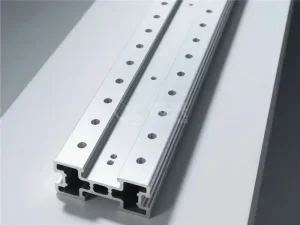
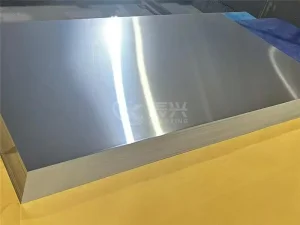
Engineered to comply with JIS H 4000 standards. Optimized for Kansai's precision manufacturing clusters.
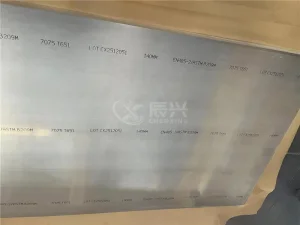
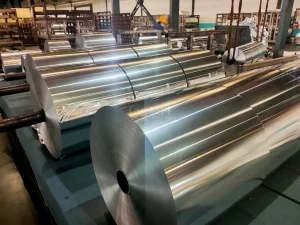
Combining high-volume extrusion capabilities with rigorous quality assurance systems.


Analyzing local alloy microstructures, stress-relieving requirements, and supply chains for Japan's premier tooling region.
The Kansai region, anchored by Osaka, represents one of the most sophisticated precision engineering and manufacturing clusters globally. Historically recognized as the capital of Japan's Monozukuri (the art of manufacturing), Osaka houses thousands of small-to-medium enterprises (SMEs) alongside major conglomerates specialized in automotive tooling, high-precision machining, consumer electronics, and heavy marine vessel construction. The region's demands for aluminum plates are highly complex, requiring tight mechanical tolerance envelopes, superior surface flatness, and isotropic structural characteristics that minimize dimensional deformation during high-speed CNC milling.
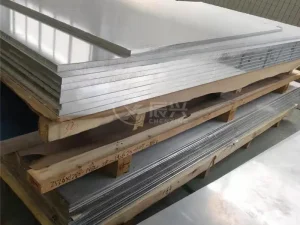
In municipal hubs such as Higashiosaka and Sakai, precision machine tooling shops rely extensively on 5000 and 6000 series aluminum plates. Specifically, 5052-H32 and 6061-T651 alloys are the backbones of pneumatic manifolds, semiconductor vacuum chambers, and automated assembly line jigs. Because these tooling houses operate at micro-meter tolerances, milled aluminum plates must be completely free of residual internal stresses. Standard plates often warp after cutting; thus, our factory supplies custom stress-relieved plates (stretched using precision tensioning processes) to guarantee dimensional stability. This reduces scrap rates for local Osaka manufacturers by up to 14%, offering a distinct operational advantage.
Osaka Port serves as a major trade and shipbuilding node. Marine engineering companies in the Sakai-Semboku port area require high-thickness 5083 and 5754 aluminum alloys certified by major shipping registries (such as Nippon Kaiji Kyokai - ClassNK). These plates must exhibit superior resistance to stress corrosion cracking (SCC) in saline environments. Additionally, Kansai's rolling stock manufacturers, who supply components for the Shinkansen (bullet trains) and local rapid transit networks, are transitioning to 6000 and 7000 series alloys to reduce structural weight, thereby supporting Japan's national decarbonization mandates by optimizing traction energy consumption.
Evaluating the LME-MJP price correlation, decarbonized smelting, and cross-border logistics optimization.
The global aluminum industry is undergoing a structural transformation. Volatile raw material inputs, fluctuating energy costs in primary smelting nodes, and the integration of carbon-border adjustment mechanisms (CBAM) have reshaped standard procurement procedures. For Osaka industrial buyers, securing steady supply rates requires understanding how the London Metal Exchange (LME) base metal price interacts with the Main Japanese Ports (MJP) premium.
Under Japan's Green Growth Strategy Through Achieving Carbon Neutrality in 2050, corporate procurement guidelines increasingly mandate audited calculations of the embedded carbon footprint of raw metals. As a primary exporter and factory partner, we utilize state-of-the-art electrolysis systems powered by clean energy. By using green bauxite sources and optimizing anode consumption, our factory-direct aluminum plates carry a significantly lower carbon footprint per ton compared to standard coal-fired smelters, directly supporting the ESG reporting requirements of public manufacturers in Osaka, Kyoto, and Kobe.
To mitigate international logistics volatility, our distribution pipeline employs optimized container consolidation and roll-on/roll-off shipping routes direct to the Port of Osaka. By partnering with customs brokers at Osaka Bay, we bypass typical distribution delays. Our supply chain handles comprehensive documentation—including mill test certificates complying with EN 10204 3.1, precise chemical composition readouts, and mechanical property testing documentation—ensuring smooth customs clearance and immediate integration into local manufacturing lines.
Explore our core catalog. High purity circles, heavy structural coils, and precision-engineered foils.
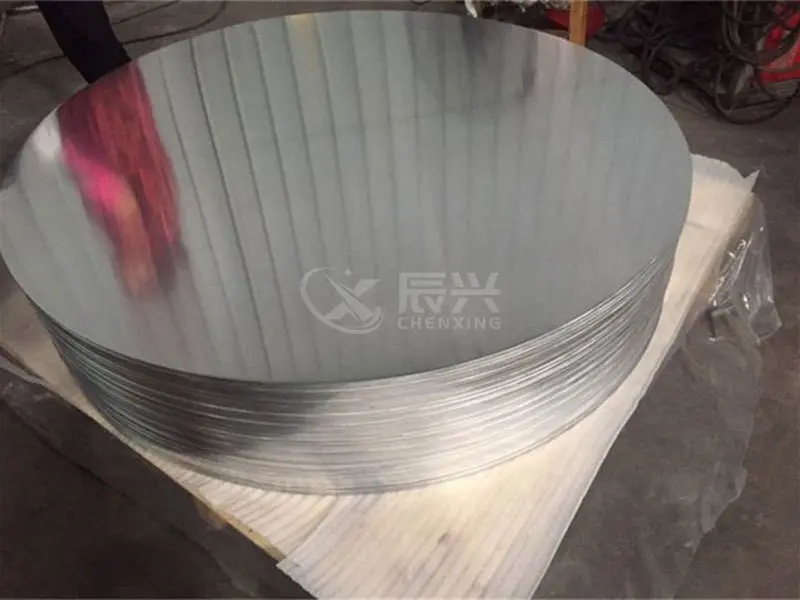
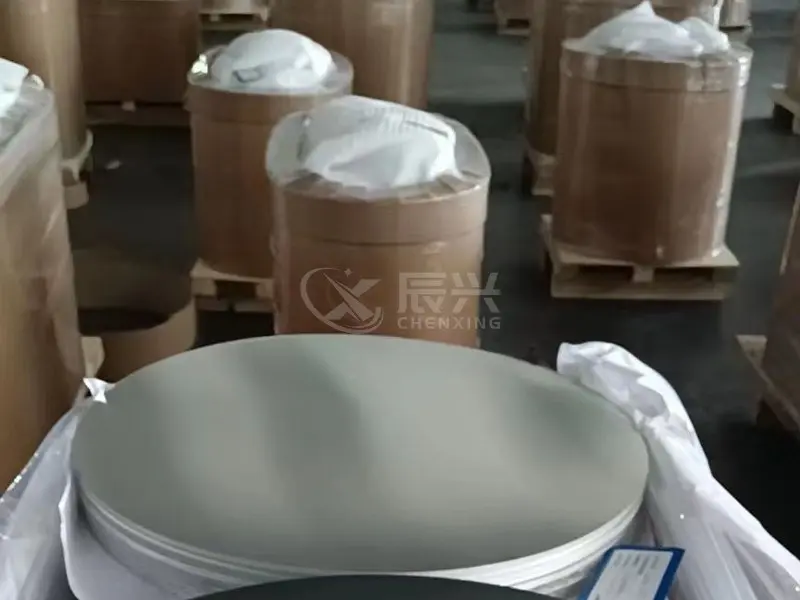
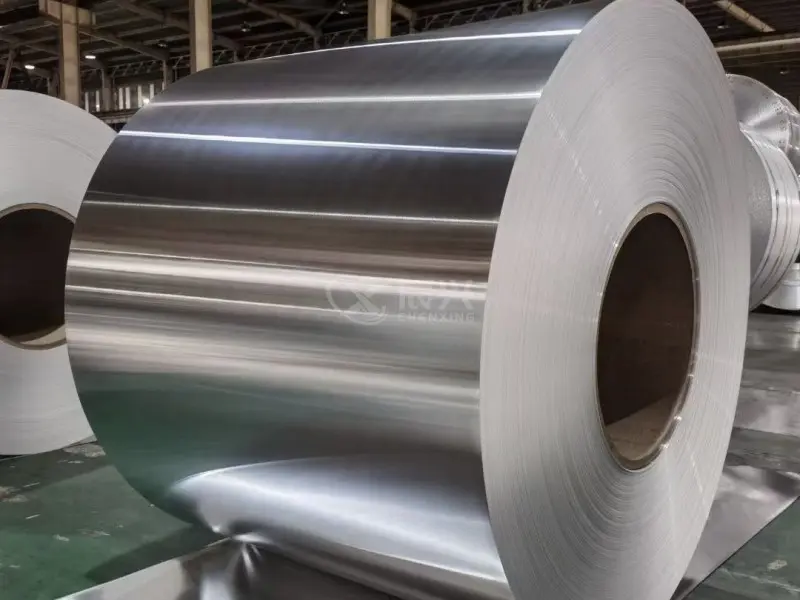
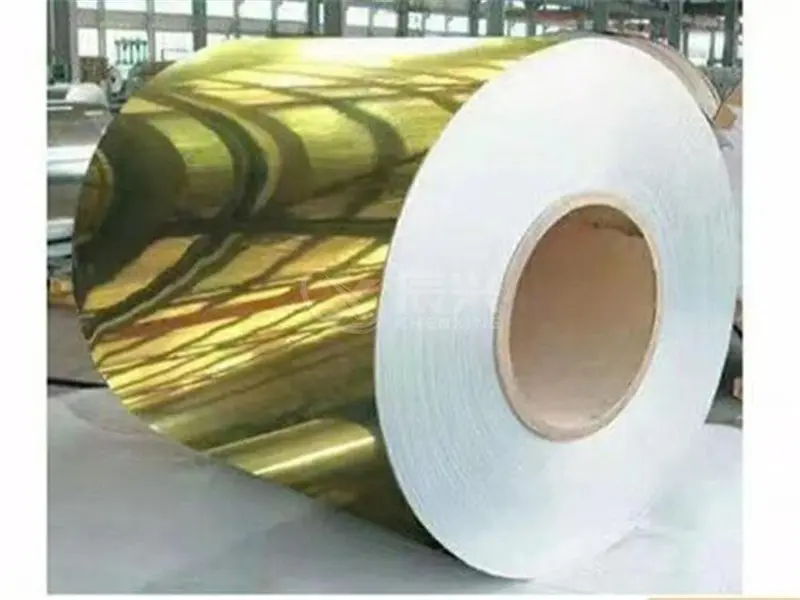
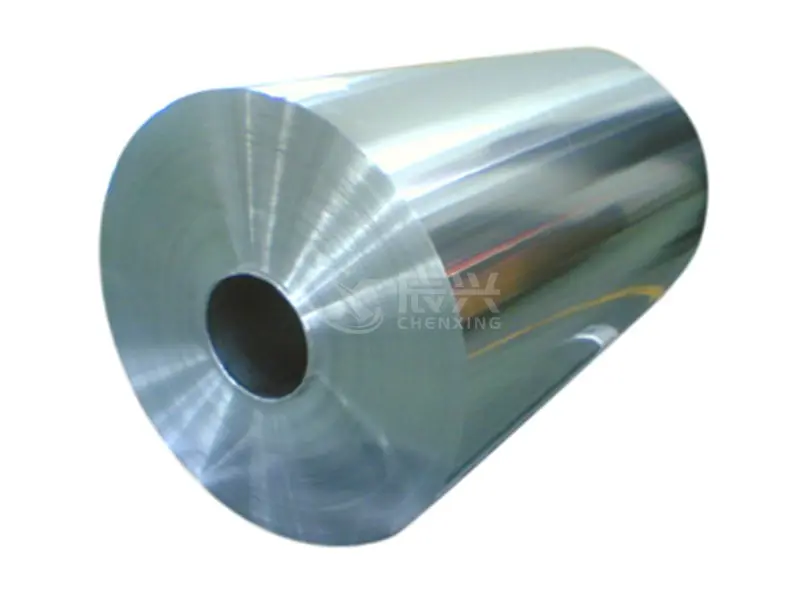
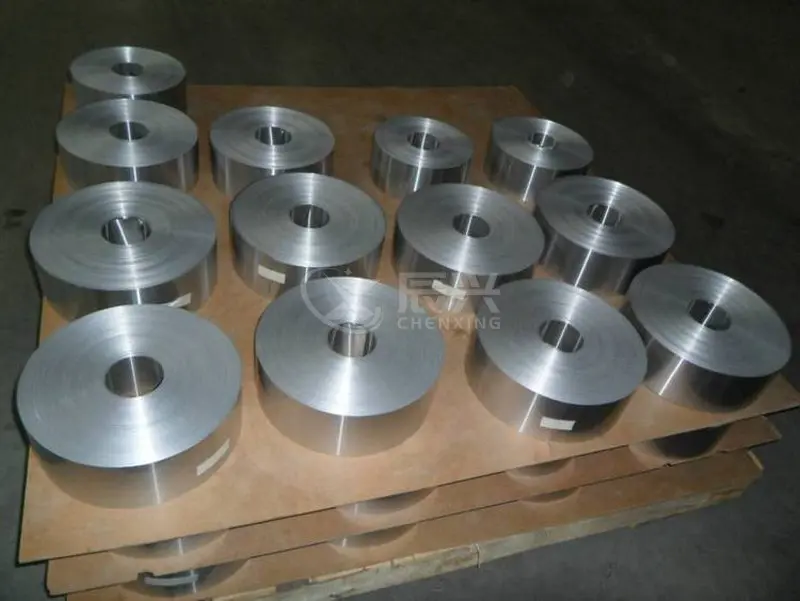
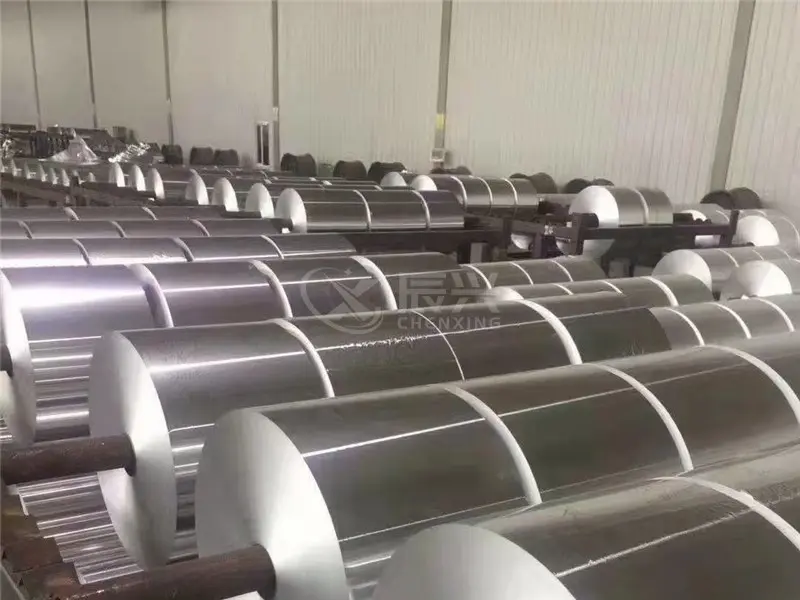
Developing high-integrity structural systems across key manufacturing and engineering sectors.
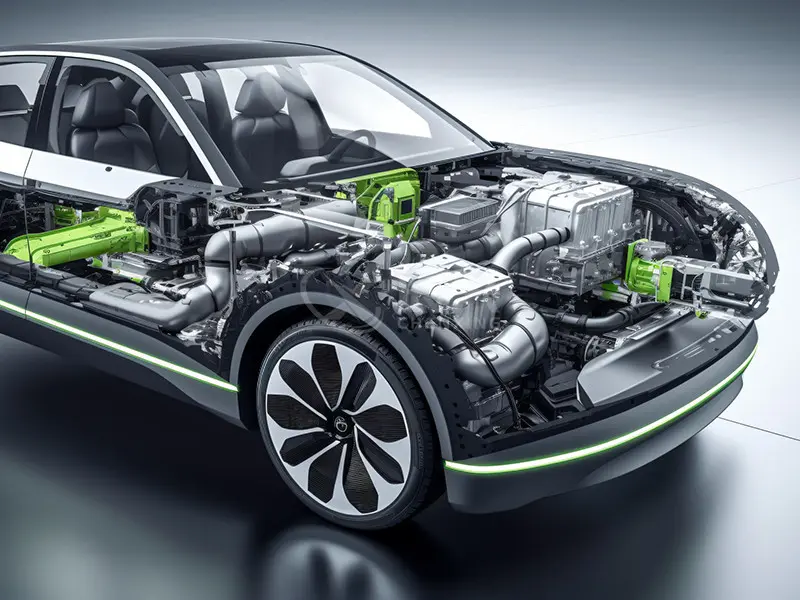


Pioneering next-generation grain structure refinement and micro-alloyed structural materials.
To maintain our position at the forefront of the structural materials sector, our R&D team targets physical metallurgy breakthroughs that directly resolve industrial pain points. Our engineering team focuses on three key technological areas:
Looking ahead, we are testing micro-alloying recipes incorporating Scandium and Zirconium. These additions increase recrystallization thresholds, allowing weld zones to retain high mechanical strength. This is highly useful for automotive and railway manufacturing systems utilizing Friction Stir Welding (FSW).
Factory-direct supply lines with complete certification for global and Osaka procurement networks.
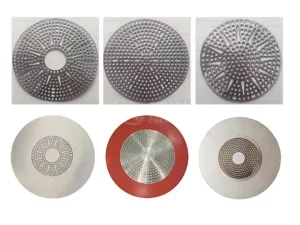
Keeping you up-to-date with international market adjustments, new standards, and factory milestones.
With international demand escalating for structural extrusions, our factory has scaled output to guarantee consistent export rates.
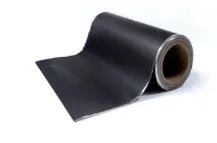
As clean energy transport transitions forward, micro-thickness battery foils are seeing high growth across automotive assembly loops.
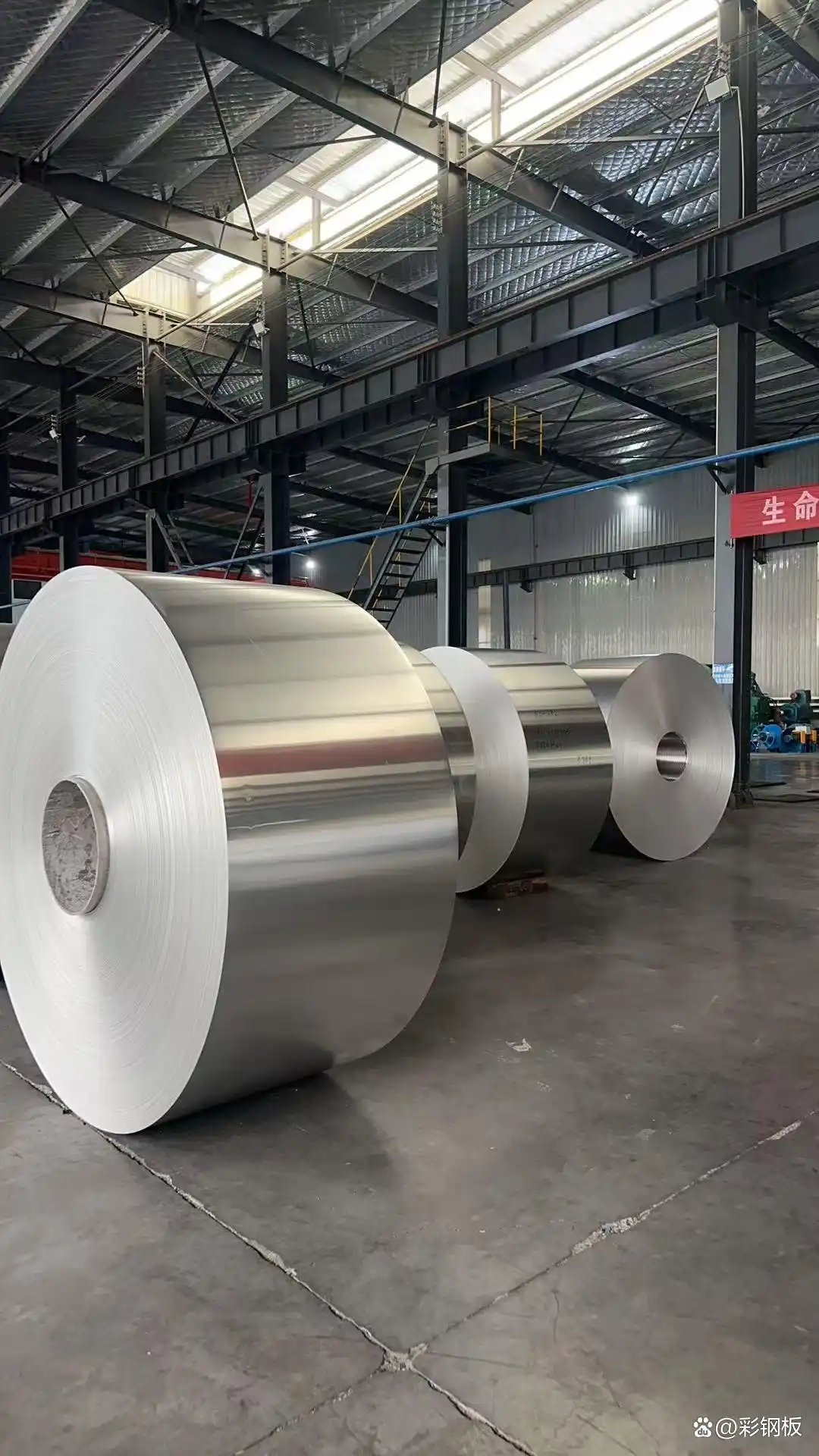
Decarbonization targets drive structural shifts towards high-purity recycled aluminum inputs in major manufacturing lines.
Answering technical, metallurgical, and logistical queries from engineering managers in Osaka.