1 / 1

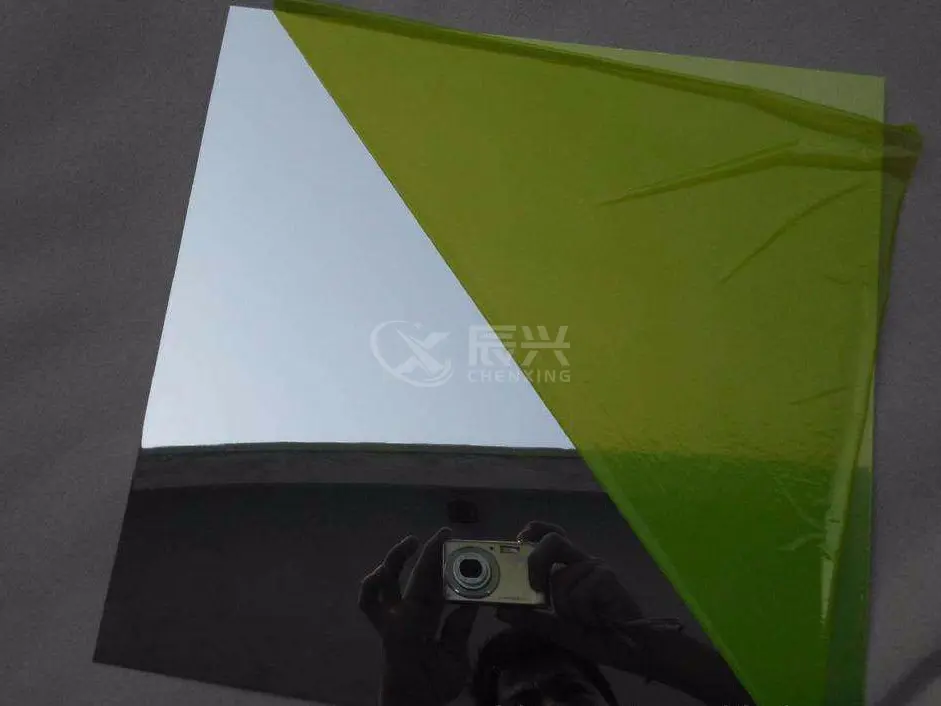
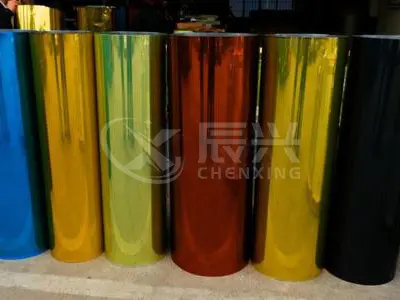
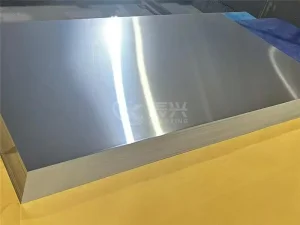
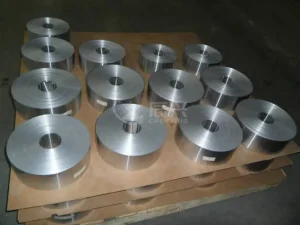
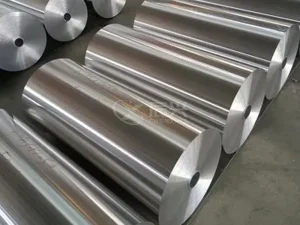
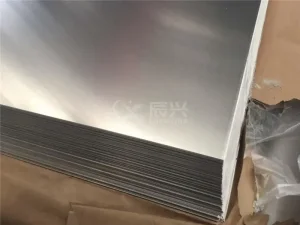
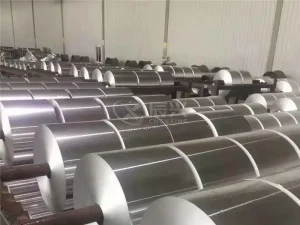
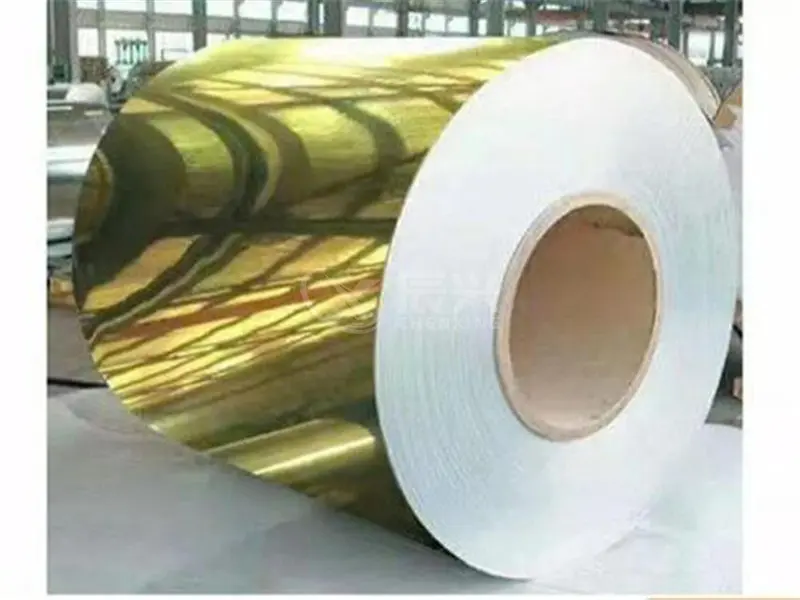
The manufacturing of mirror aluminum coil/sheet involves strict, multi-step processing to ensure surface smoothness and reflectivity:
Different alloys are selected based on application requirements for strength, corrosion resistance, and formability:
| Alloy | Main Features | Typical Applications |
|---|---|---|
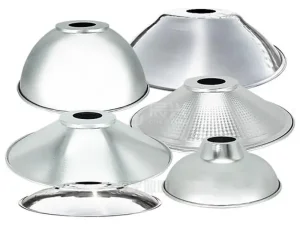
| 1050 / 1060 | High purity (≥99.5% Al), excellent reflectivity, good ductility | Decorative mirrors, lighting reflectors, signage |
| 1100 | Slightly higher strength than 1050/1060, better corrosion resistance | Kitchen appliances, cosmetic cases |
| 3003 | Added manganese (1.0–1.5%), enhanced corrosion resistance and strength | Outdoor signage, automotive trim, refrigeration equipment |
| 5052 | Added magnesium (2.2–2.8%), high strength, excellent marine corrosion resistance | Ship interiors, outdoor architectural cladding |
Reflectivity Grade:
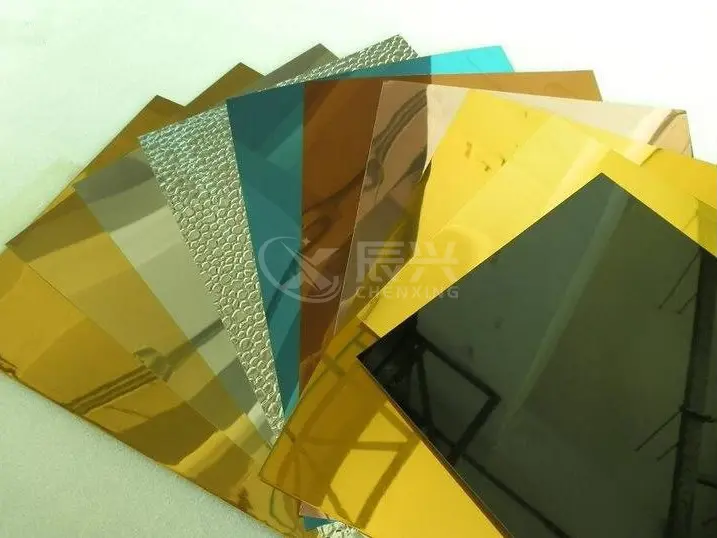
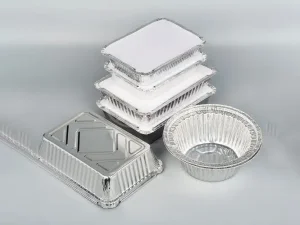
Mirror aluminum coil/sheet is widely adopted across multiple industries thanks to its versatile properties:
Compared to traditional reflective materials like glass mirrors, stainless steel, or chrome-plated metal, mirror aluminum coil/sheet offers distinct benefits:
| Material | Advantage of Mirror Aluminum Coil/Sheet |
|---|---|
| Glass Mirror | Lighter (easy to install), shatterproof (safer for public areas), and more formable (can be bent into curves). |
| Stainless Steel | Lower cost, higher reflectivity (especially for visible light), and lighter weight—reducing structural load. |
| Chrome-Plated Metal | No risk of chrome peeling (environmental and durable), better corrosion resistance, and easier recycling. |