1 / 1

Mainly includes chemical composition, tensile strength, elongation and cupping value and other mechanical performance indicators.
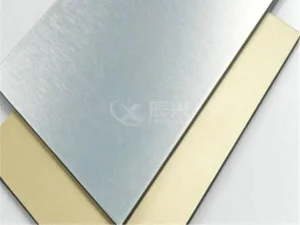
In addition to the performance indicators of uncoated aluminum foil, it also includes plate shape, coating thickness, coating adhesion, hydrophilic performance and corrosion resistance.
In air conditioning systems, it is mainly used in evaporators and condensers as heat sinks to improve heat exchange efficiency. In cooling mode, it helps absorb heat from the indoor environment and transfer it outdoors. In heating mode, it transfers heat from the outdoors to the indoors. It can also be used in air conditioning duct systems to reduce energy loss during air flow.
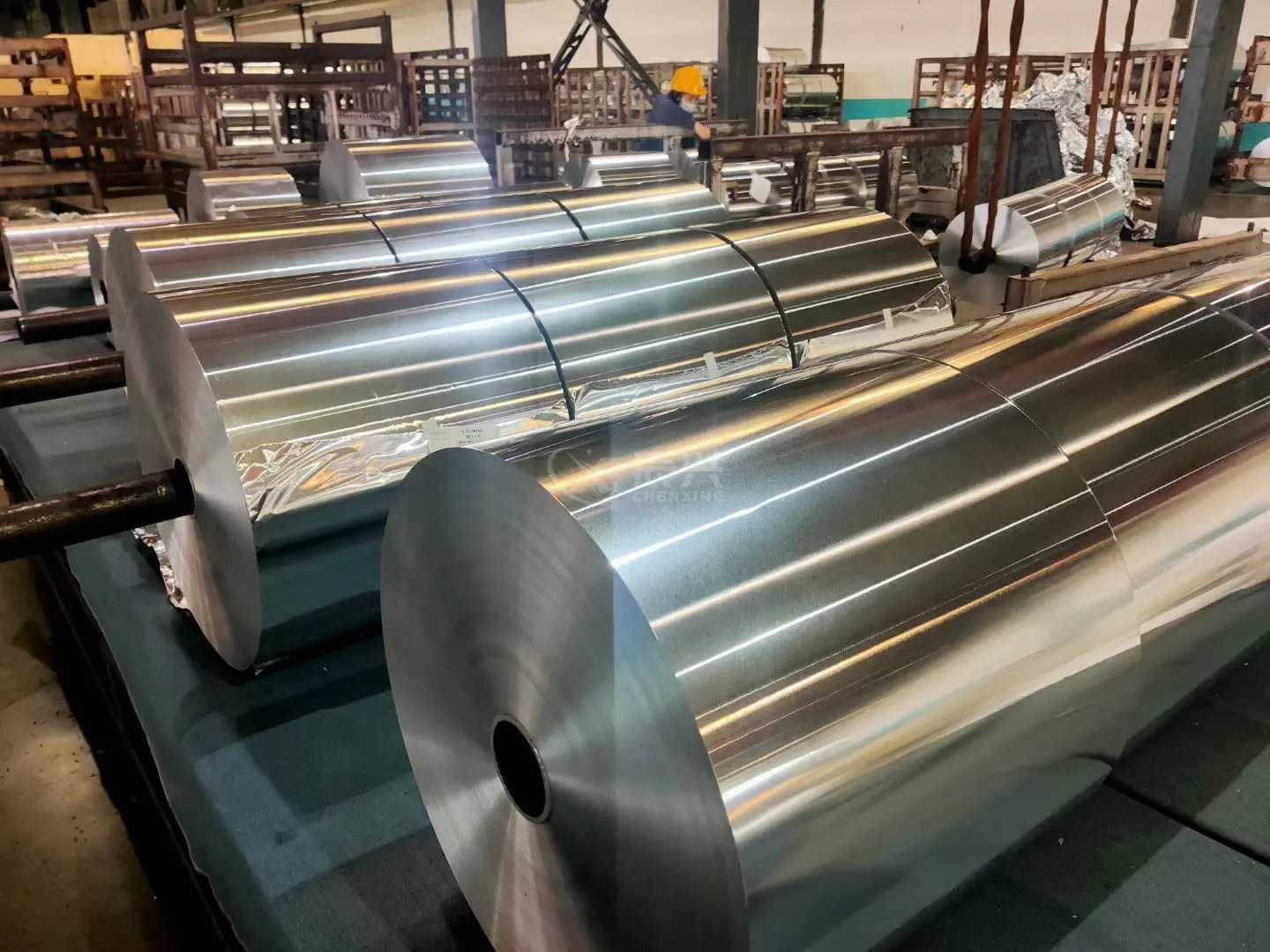
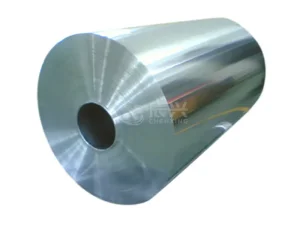
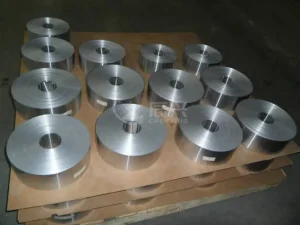
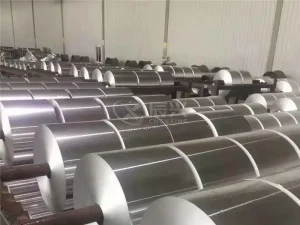
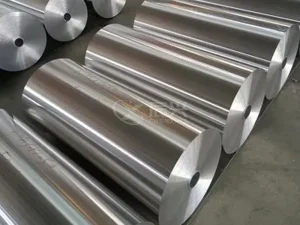
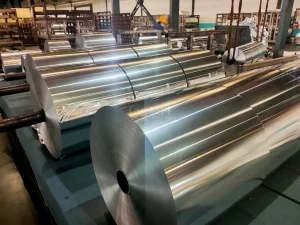
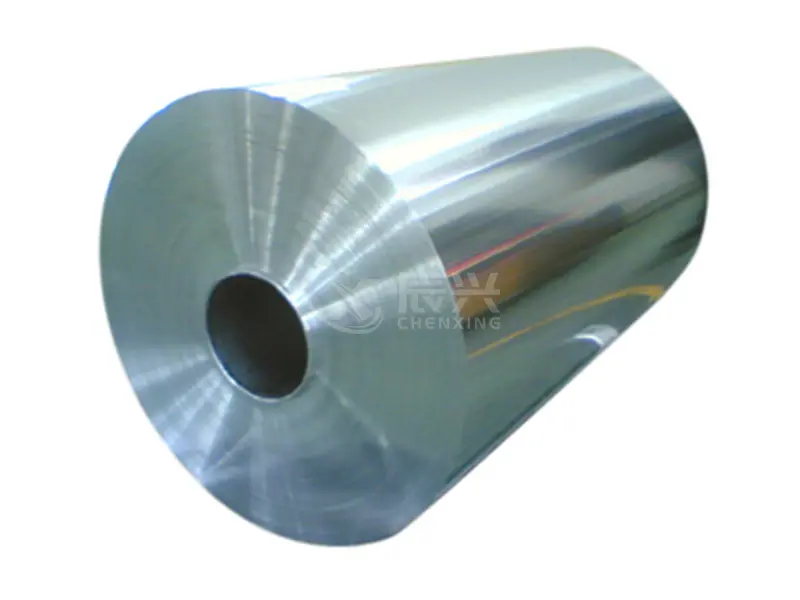
Air Conditioning Aluminum Foil is also known as AC foil, HVAC aluminum foil, heat exchanger aluminum foil, fin stock aluminum foil, condenser aluminum foil.
Main types include plain aluminum foil and hydrophilic aluminum foil, with hydrophilic coated foil being the most widely used for its anti-corrosion and anti-fogging performance. Common colors are silver (original color), blue, light green, yellow and gray, with blue and light green being the most popular due to good hydrophilicity and heat-dissipation appearance.
It is mainly used for air conditioner evaporators, condensers, radiator fins, refrigeration heat exchangers and HVAC cooling components.
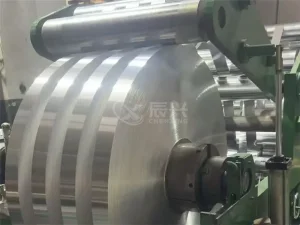
Common thickness ranges from 0.07 mm to 0.15 mm, with standard widths of 100 mm–1200 mm in various coil sizes. For air conditioning systems, 0.09–0.11 mm hydrophilic blue or green foil is the most recommended for stable heat transfer, long service life and cost efficiency.
Global demand for air conditioning aluminum foil is growing steadily at 8% CAGR (2024–2030), driven by HVAC expansion, energy efficiency upgrades, and aluminum-for-copper substitution. AsiaPacific leads, with China growing fastest at 12.3% CAGR.