
China Aluminium Plate Manufacturer, Factories

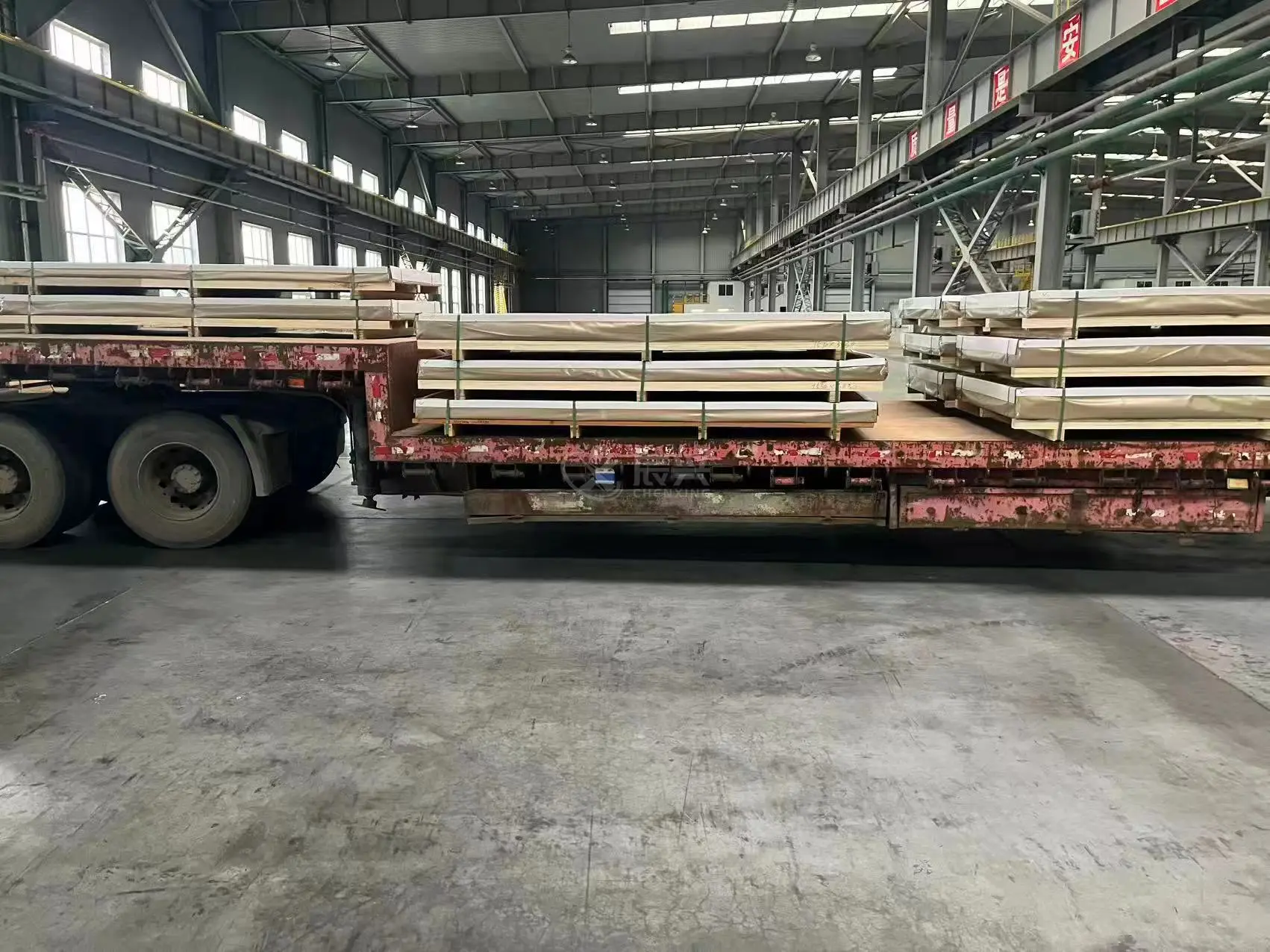
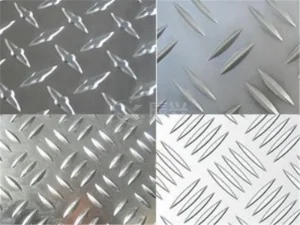
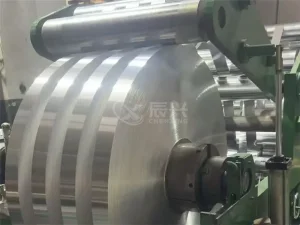
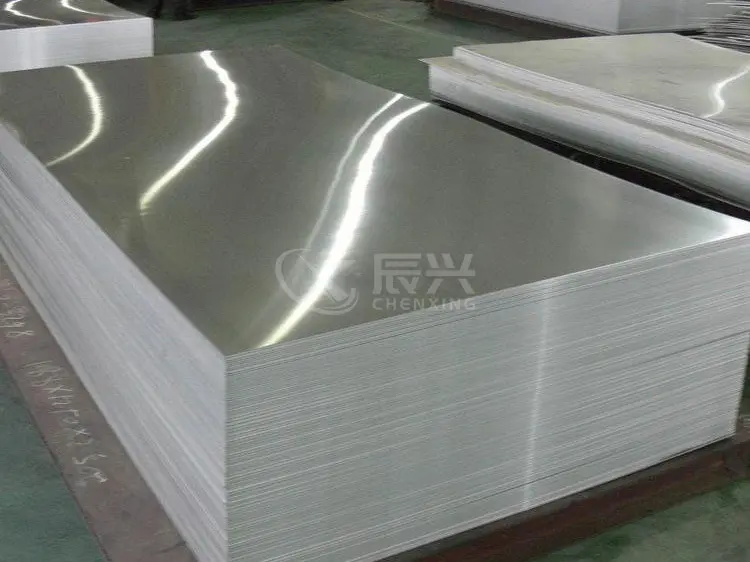
Aluminum Plate refers to a flat, solid sheet product made primarily from aluminum and its alloy compositions, distinguished from aluminum sheets by its greater thickness and higher structural rigidity. It is a highly versatile industrial material widely used across manufacturing, construction, transportation, aerospace, marine engineering, and electrical sectors, valued for its unique combination of physical, mechanical, and chemical properties. Typically defined by a thickness of 6mm and above (thinner flat aluminum products are generally classified as aluminum sheets or foils), aluminum plate is produced through hot rolling, cold rolling, or continuous casting processes, with customizable dimensions, surface treatments, and alloy grades to meet diverse application demands.

Product Description

Core Properties & Advantages

Lightweight & High Strength

Aluminum has a density roughly one-third that of steel, making aluminum plate extremely lightweight while maintaining impressive structural strength, especially alloy-grade plates, which deliver enhanced load-bearing capacity and durability for heavy-duty applications.

Superior Corrosion Resistance

Natural aluminum forms a thin, protective oxide layer on its surface that prevents rust and oxidation; this resistance can be further improved via anodizing, powder coating, or galvanizing treatments, ideal for outdoor, marine, and humid environments.

Excellent Machinability & Formability

Aluminum plate is easy to cut, drill, bend, weld, stamp, and machine into custom shapes and components, supporting high-precision processing without compromising material integrity.

Thermal & Electrical Conductivity

It offers good thermal conductivity for heat dissipation applications and reliable electrical conductivity, suitable for electrical enclosures, heat sinks, and conductive components.

Recyclability & Sustainability

Aluminum plate is 100% recyclable with no loss of material performance, requiring minimal energy for recycling compared to primary aluminum production, aligning with global green manufacturing and environmental protection standards.

Aesthetic Versatility

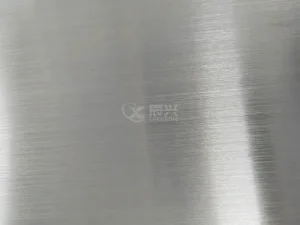
Available in smooth, brushed, polished, or coated finishes, aluminum plate provides a clean, modern appearance and can be customized for both functional and decorative use.

Common Alloy Grades & Typical Uses

Aluminum plate is manufactured in various alloy series, each engineered for specific performance traits:

  • 1000 Series (Pure Aluminum): High purity, excellent corrosion resistance, soft texture; used for decorative panels, electrical insulation, and general-purpose non-structural components.
  • 3000 Series (Al-Mn Alloy): Moderate strength, outstanding corrosion resistance and formability; widely applied in roofing, siding, storage tanks, and automotive parts.
  • 5000 Series (Al-Mg Alloy): High strength, exceptional corrosion resistance, weldable, and fatigue-resistant; ideal for marine vessels, shipbuilding, offshore structures, and pressure vessels.
  • 6000 Series (Al-Mg-Si Alloy): Balanced strength and formability, heat-treatable, good corrosion resistance; the most commonly used grade for construction, aerospace frames, automotive body panels, and industrial machinery.
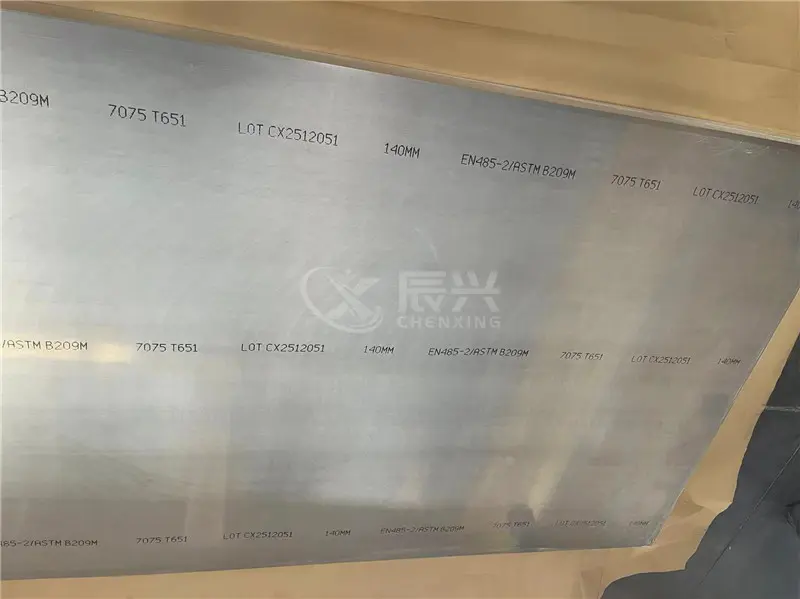
  • 7000 Series (Al-Zn Alloy): Ultra-high strength, heat-treatable; primarily used in high-load aerospace components, military equipment, and heavy-duty structural applications.

Key Applications Across Industries

Aluminum plate serves as a foundational material in countless industries, including commercial building facades and structural supports, aircraft fuselage and wing components, ship hulls and marine decking, automotive chassis and body parts, industrial machinery casings, heat exchange equipment, electrical enclosures, and custom fabricated industrial parts. Its adaptability and reliable performance make it a top choice for projects requiring lightweight durability, corrosion protection, and long service life.
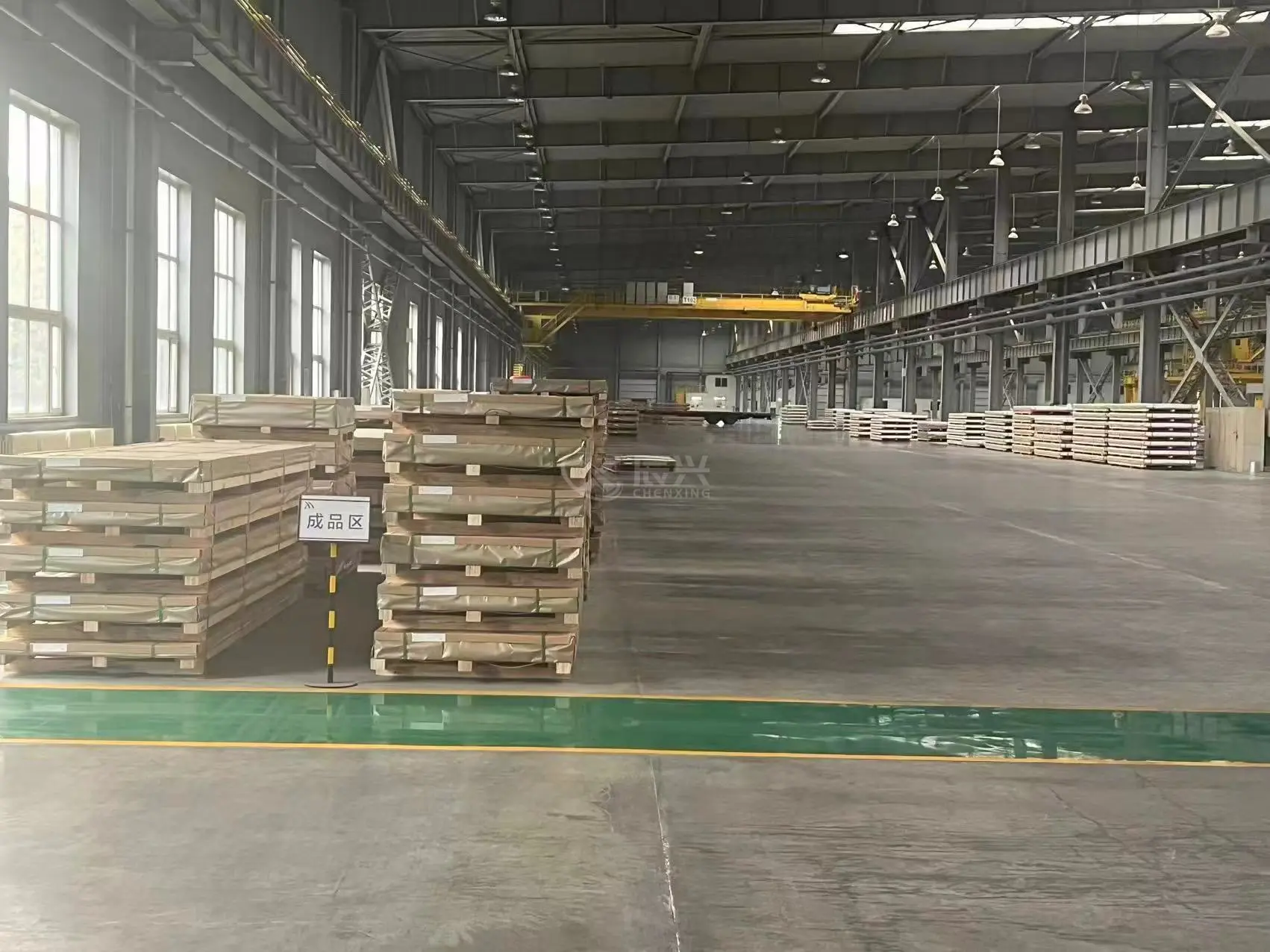
Detail Image

Detail1
Detail 1
Detail 2
Detail 2
Detail 3
Detail 3

Frequently Asked Questions (FAQ)

What are the main advantages of aluminum plates?
Aluminum plates offer a unique combination of lightweight properties (one-third the density of steel), high structural strength, exceptional corrosion resistance, excellent thermal/electrical conductivity, and 100% recyclability.
Which aluminum plate series is best for marine environments?
The 5000 Series (Al-Mg Alloy) is the ideal choice for marine and humid environments. It is highly resistant to saltwater corrosion, offers great weldability, and provides excellent fatigue resistance.
Can aluminum plates be easily customized and formed?
Yes. Aluminum plates have excellent machinability and formability, meaning they can be easily cut, drilled, bent, welded, and stamped into precision shapes without losing their physical integrity.
What is the difference between 6000 and 7000 series aluminum?
The 6000 series (Al-Mg-Si) is a versatile grade offering balanced strength, formability, and corrosion resistance for general construction and automotive panels. The 7000 series (Al-Zn) features ultra-high strength designed specifically for high-load aerospace, structural, and military applications.
How does aluminum contribute to sustainability?
Aluminum is 100% recyclable without any loss in performance. The recycling process requires only a fraction of the energy compared to primary production, making it highly sustainable for green manufacturing.

Related Products