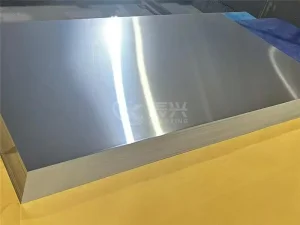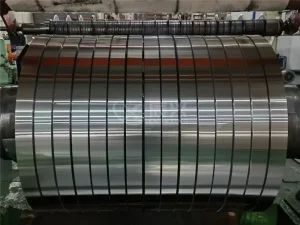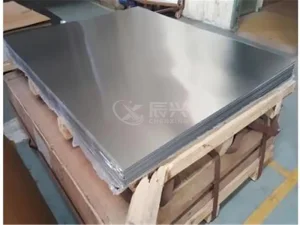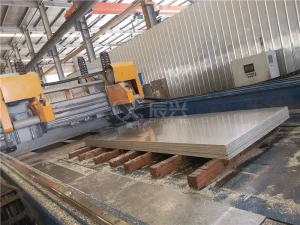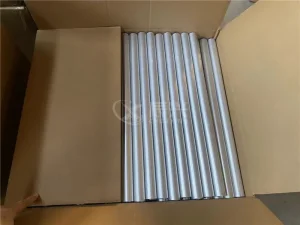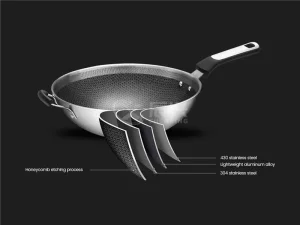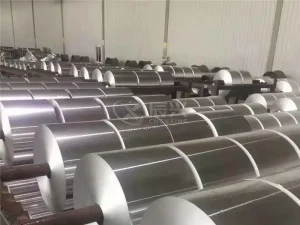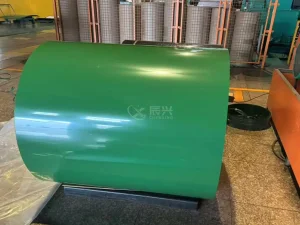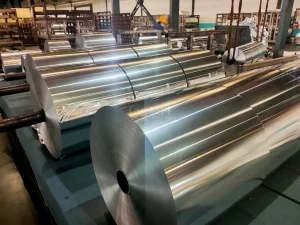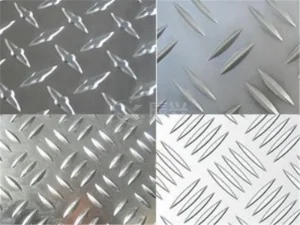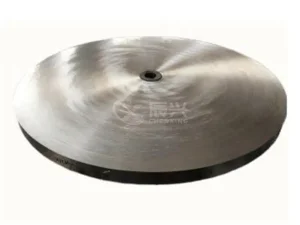
Direct supply from state-of-the-art Chinese rolling factories. Click to view full technical specifications and certifications.
The global demand for high-strength, lightweight materials has propelled rolling aluminium sheets into a strategic position within major manufacturing industries. Aluminum rolling involves passing ingots through hot and cold rolling mills to reduce thickness and control metallurgical properties. As the world's leading manufacturer of rolled aluminum products, China has established highly specialized factories capable of meeting strict tolerances for various industrial sectors.
To understand the dynamics of this sector, global procurement teams must evaluate raw material alloy configurations, rolling processes (hot-rolled vs. cold-rolled), surface finish options, and quality control systems. This document outlines the technological, logistical, and design capabilities of modern Chinese aluminum rolling factories, providing procurement managers with the insights needed to make informed decisions.
The distinction between Hot Rolled (HR) and Cold Rolled (CR) plates is critical. HR plates are ideal for structural components requiring high stress tolerance and elongation, such as marine and aerospace structures. CR sheets, conversely, offer superior surface finishes and precise dimensional accuracy, making them highly suitable for consumer electronics, automotive outer panels, and packaging applications.
Modern Chinese rolling mills operate some of the most technologically advanced facilities in the world, characterized by significant competitive advantages in capacity, equipment, and supply chain integration:
Understanding the microstructural variations among aluminum alloys is essential for selecting the correct material for your applications:
1050/1100 Pure Aluminum Series: Known for extreme purity (≥99.5% for 1050), outstanding ductility, and high electrical and thermal conductivity. These properties make it ideal for heat exchangers, transformer windings, chemical equipment, and cosmetic closures.
3003 Manganese-Alloyed Series: Classified as a non-heat-treatable alloy, the addition of Manganese (Mn) increases the overall tensile strength of 3003 by approximately 20% compared to the 1xxx series while maintaining excellent workability. It is widely used in automotive radiators, battery shells, HVAC systems, and deep-drawn kitchenware.
5083 Magnesium-Alloyed Series: Containing up to 4.9% Magnesium (Mg), 5083 is renowned for maintaining high structural strength, weldability, and resistance to corrosion in marine and chemical environments. It is standard for ship hulls, pressure vessels, and heavy transport vehicles.
Procurement professionals must navigate dynamic market conditions to protect their supply chains. Key risk mitigation strategies include:
Exploring how different grades of rolling aluminum sheets perform in challenging operating environments

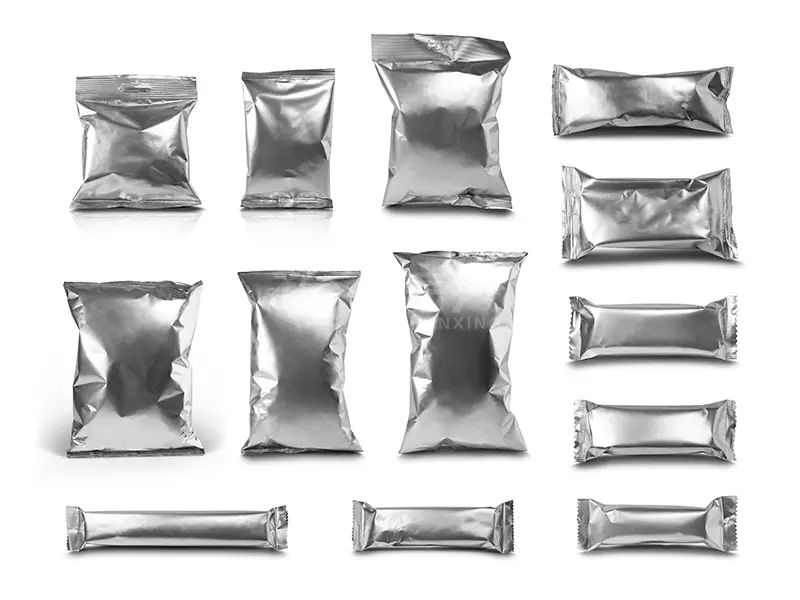


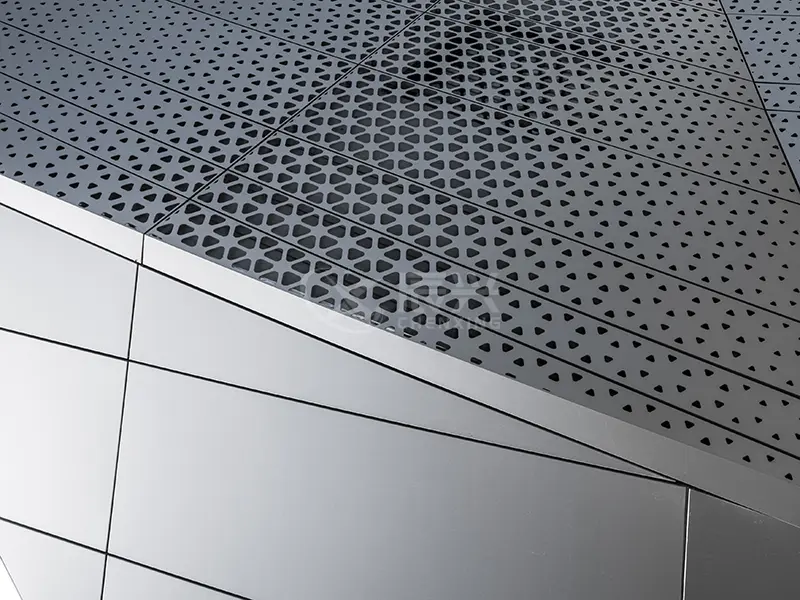

Stay updated with our manufacturing developments, technological innovations, and shifts in the global rolled aluminum market.
Responding to a surge in overseas demand, our factory has initiated a new 2200mm hot rolling mill project to increase capacity for wide-width marine-grade sheets.
Read More →
An in-depth analysis of battery foil requirements, focusing on tensile strength, elongation, and surface dyne levels for lithium-ion battery manufacturing.
Read More →
How the expansion of solar power plants and electric vehicles is driving structural growth in the global rolled aluminum market, with a focus on sustainable manufacturing.
Read More →Technical information and procurement answers regarding rolling aluminum sheet fabrication and supply chain processes
A: Hot-rolled aluminum sheets are rolled at high temperatures (above the recrystallization temperature), which provides superior ductility and makes them ideal for structural fabrication. Cold-rolled sheets are processed at room temperature, which increases their strength through strain hardening and provides precise dimensional tolerances and high surface quality.
A: Top factories use vertical direct chill casting and strict hot-rolling protocols to prevent magnesium segregation. Ultrasonic flaw detection (UT) is conducted in compliance with standards like ASTM B209 and classification societies (e.g., DNV, CCS, ABS) to ensure no internal voids or cracks exist.
A: The key parameters are high tensile strength (often > 200 MPa to withstand high winding speeds), controlled elongation (typically > 2%), precise thickness tolerance (±0.5 μm), and a consistent surface dyne level to ensure adhesion of the active material slurry.
A: Modern factories install online automated optical inspection systems (AOI) on the exit side of rolling mills. These systems use high-speed line-scan cameras and AI algorithms to detect, categorize, and log surface defects like pinholes, roll marks, and oil stains in real time.
A: Export-grade packing uses the "eye-to-wall" or "eye-to-sky" method on fumigated wooden pallets. The coils or sheets are wrapped in plastic film, reinforced with moisture-absorbing silica gel packs, wrapped in heavy-duty kraft paper, and enclosed in a corrugated cardboard or metal shell secured with steel strapping.
Get in touch with our engineering team for customized alloy tempers, precise dimensional cutting, and competitive pricing. We respond with detailed 8D technical reports within 24 hours.
Submit Inquiry NowPremium aluminum coil, structural strips, and custom barrier foils direct from our high-precision rolling facilities.