1 / 1

| Product Name | 1050 Aluminium Sheet / Plate | ||||
| Typical Alloys | Material Status | Thickness (mm) | Diameter (mm) | Type | Typical Products |
| 1050 | O, H12, H14, H16, H18, H22, H24, H26, etc. | 0.2 - 200 | 50 - 1200 | CC & DC |
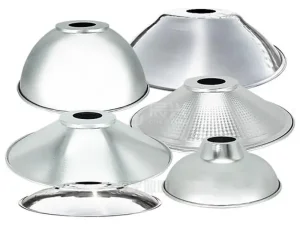
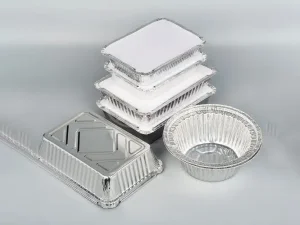
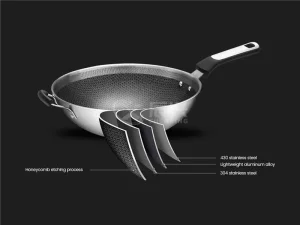
Electrical conductors, transformer windings, and busbars. Heat sinks, cookware, and food-contact components. Decorative trim, signage, and light-duty fabrication parts. |
| Chemical Composition (%) | ||||||||
| Si | Fe | Cu | Mn | Mg | Zn | Ti | Other | Al |
| 0.064 | 0.251 | 0.003 | 0.002 | 0.002 | 0.007 | 0.02 | 0.12 | 99.531 |
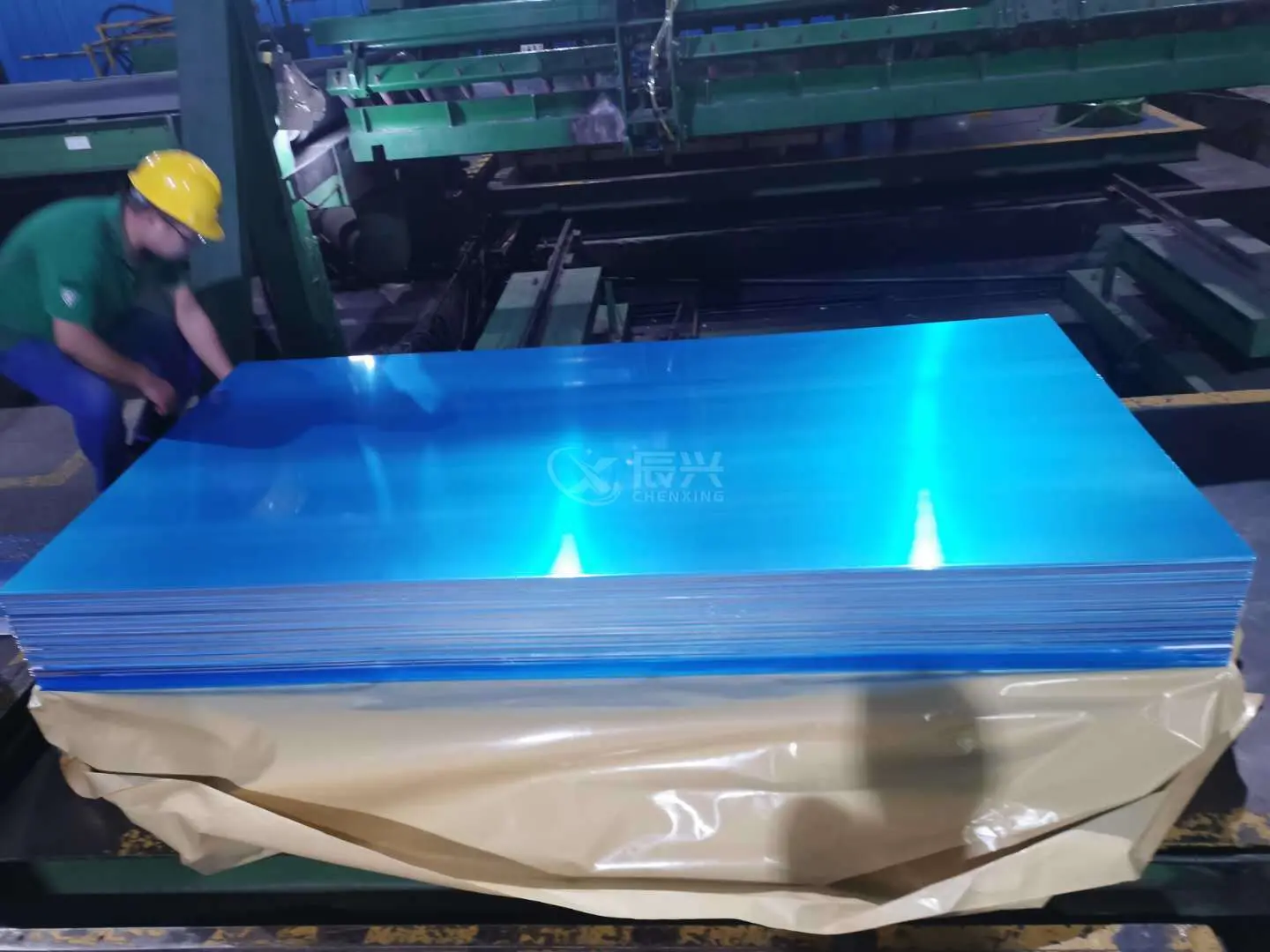
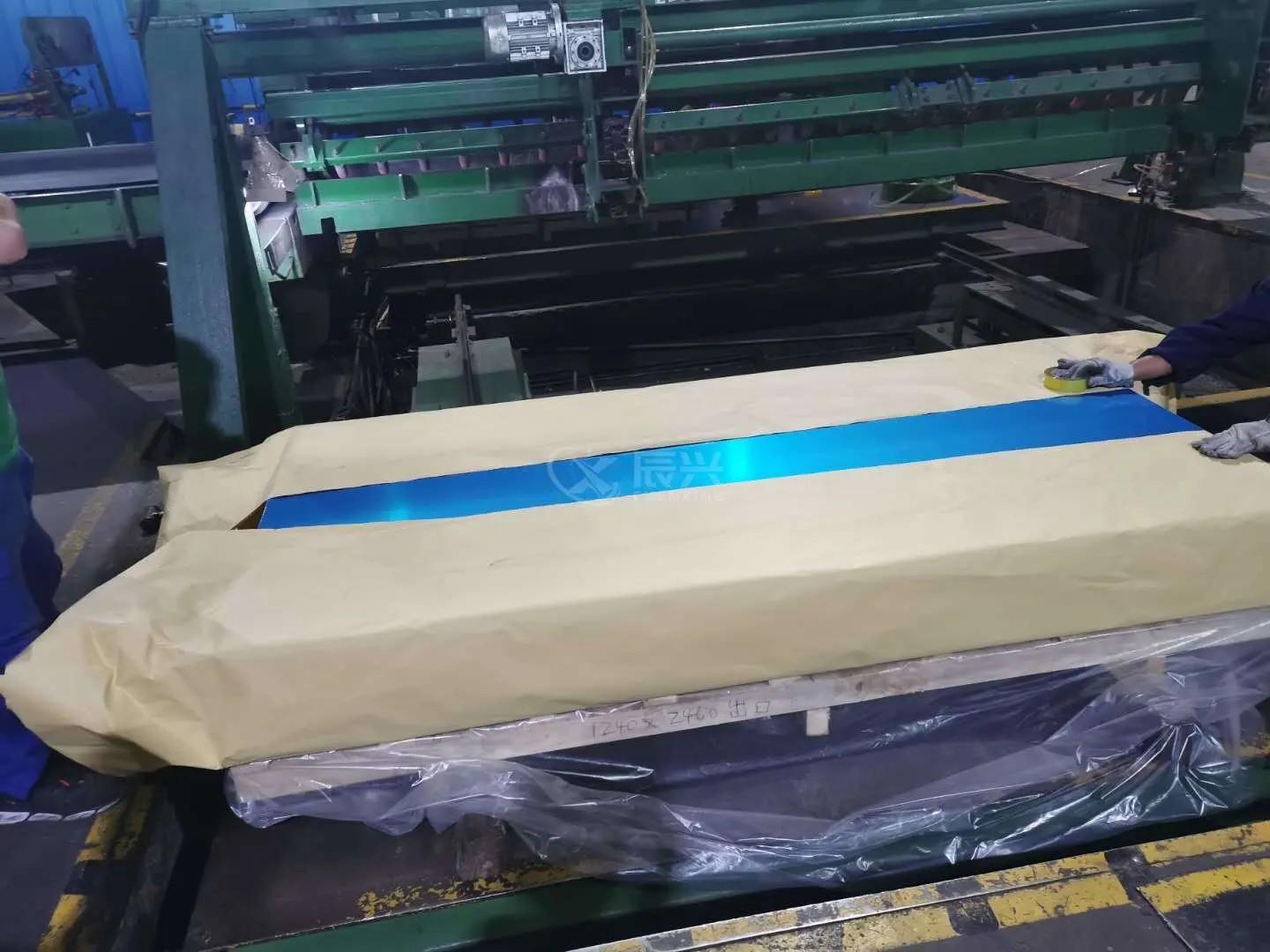
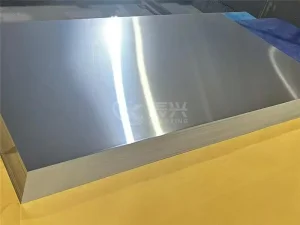
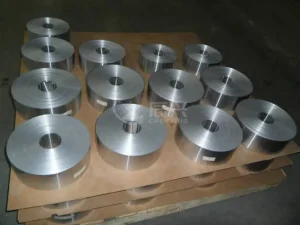
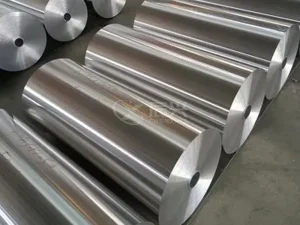
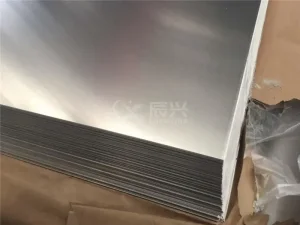
1050 aluminium sheet is also known as EN AW-1050, AA1050, Al99.50, 1050 H14/H24/H18, pure aluminum sheet 1050, and belongs to the 1xxx series commercial pure aluminum.
Compared with 1100 aluminum sheet, 1050 has higher purity (≥99.50% Al), while 1100 is ≥99.00% Al. 1050 features better corrosion resistance, electrical conductivity, and thermal conductivity, whereas 1100 has slightly higher strength and formability for deep drawing. Both are non-heat-treatable and easy to fabricate.
1050's key advantages include excellent corrosion resistance, high electrical and thermal conductivity, outstanding workability, good weldability, and cost efficiency. It is lightweight, durable, and suitable for mass production.
Typical applications include electrical conductors, heat exchangers, lighting reflectors, building facades, signage, cookware, chemical equipment, and general sheet metal parts. It is widely used in construction, electrical engineering, food equipment, and transportation.
With stable performance and competitive pricing, 1050 aluminum sheet is one of the most popular pure aluminum grades for industrial and daily use.
Choose 1050 Aluminium Sheet over 1100 when higher purity, better corrosion resistance, and electrical conductivity are needed. It is preferred for chemical-resistant applications, signage, lighting, and HVAC parts. 1050 also offers superior surface finish and formability for deep drawing and decorative uses, while being cost-efficient for low-stress structural components.