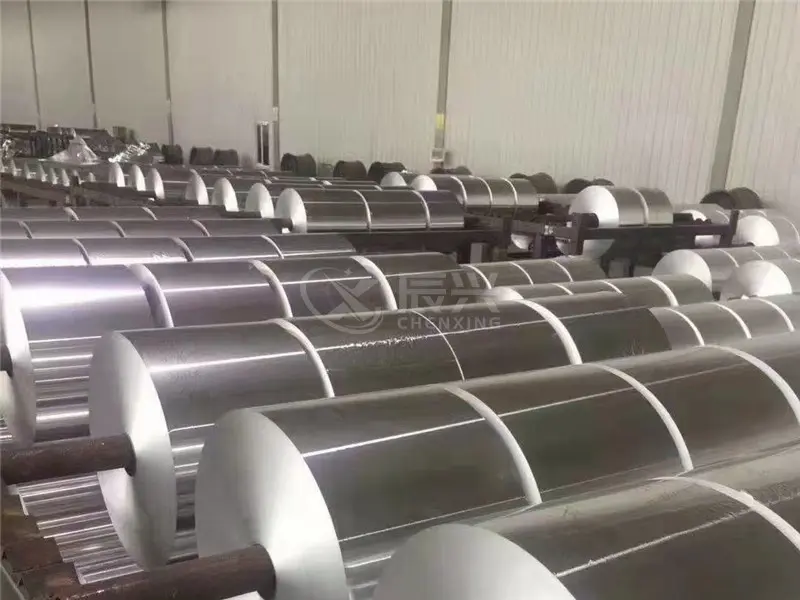
1 / 1

It effectively blocks air, moisture, and light, preventing food from oxidation, dampness, and spoilage. This helps maintain the freshness, flavor, and nutritional value of food for a longer period.
Made of high-purity aluminum, it ensures even heat distribution during cooking. Whether used for baking, grilling, or roasting, it promotes uniform heating of food, resulting in better taste and texture.
It can withstand high temperatures (usually up to 220°C - 250°C, depending on the grade), making it suitable for various cooking methods such as oven baking, broiling, and grill wrapping without melting or releasing harmful substances.
It is easy to cut, fold, and shape according to different needs, tightly wrapping food or covering containers. The enhanced thickness of most large-roll products also improves tear resistance, avoiding breakage during use.
Complies with food-grade safety standards, non-toxic, and odorless. It does not react with acidic, alkaline, or oily foods, ensuring food safety. Additionally, it is disposable (or reusable after proper cleaning) to avoid cross-contamination.
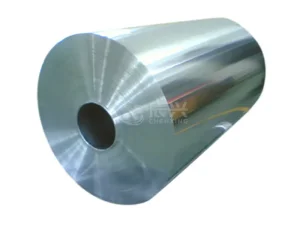
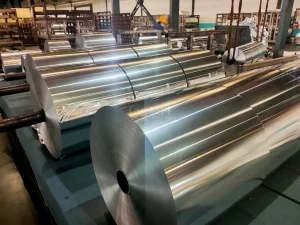
Large-roll household aluminum foil typically has larger dimensions to cater to household demands, with common specifications as follows:
| Parameter | Standard Specifications |
|---|---|
| Thickness | Ranges from 0.01mm to 0.02mm, providing better durability and heat resistance than standard light foil. |
| Width | Common widths include 30cm, 45cm, and 50cm, suitable for wrapping large pieces of food or covering pots and baking trays. |
| Length | Usually 50m, 100m, or even 200m per roll, reducing replacement frequency and offering economy for long-term use. |
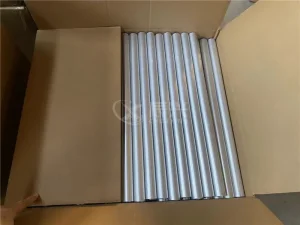
| Roll Core | Equipped with a sturdy paper or plastic roll core, facilitating smooth unwinding and compatibility with most dispensers. |
Wrap ingredients (such as potatoes, fish, and vegetables) for grilling or baking to lock in moisture and flavor, and prevent them from sticking to the grill or baking tray.
Line baking trays or cake molds to simplify cleaning and avoid stubborn food residue from adhering to your cookware.
Wrap leftover food (such as cooked meat, pizza, and pastries) tightly to isolate air and moisture, extending the freshness period in the refrigerator.
Cover open containers (such as bowls of soup, plates of fruit) to replace plastic wrap, offering better barrier performance and avoiding plastic contact with hot food.
Polish silverware, stainless steel utensils, or glassware by crumpling the foil into a ball and wiping gently, as aluminum's chemical reaction can remove tarnish.
Line the bottom of drawers or cabinets to prevent moisture and stains, and it can be easily replaced when dirty.
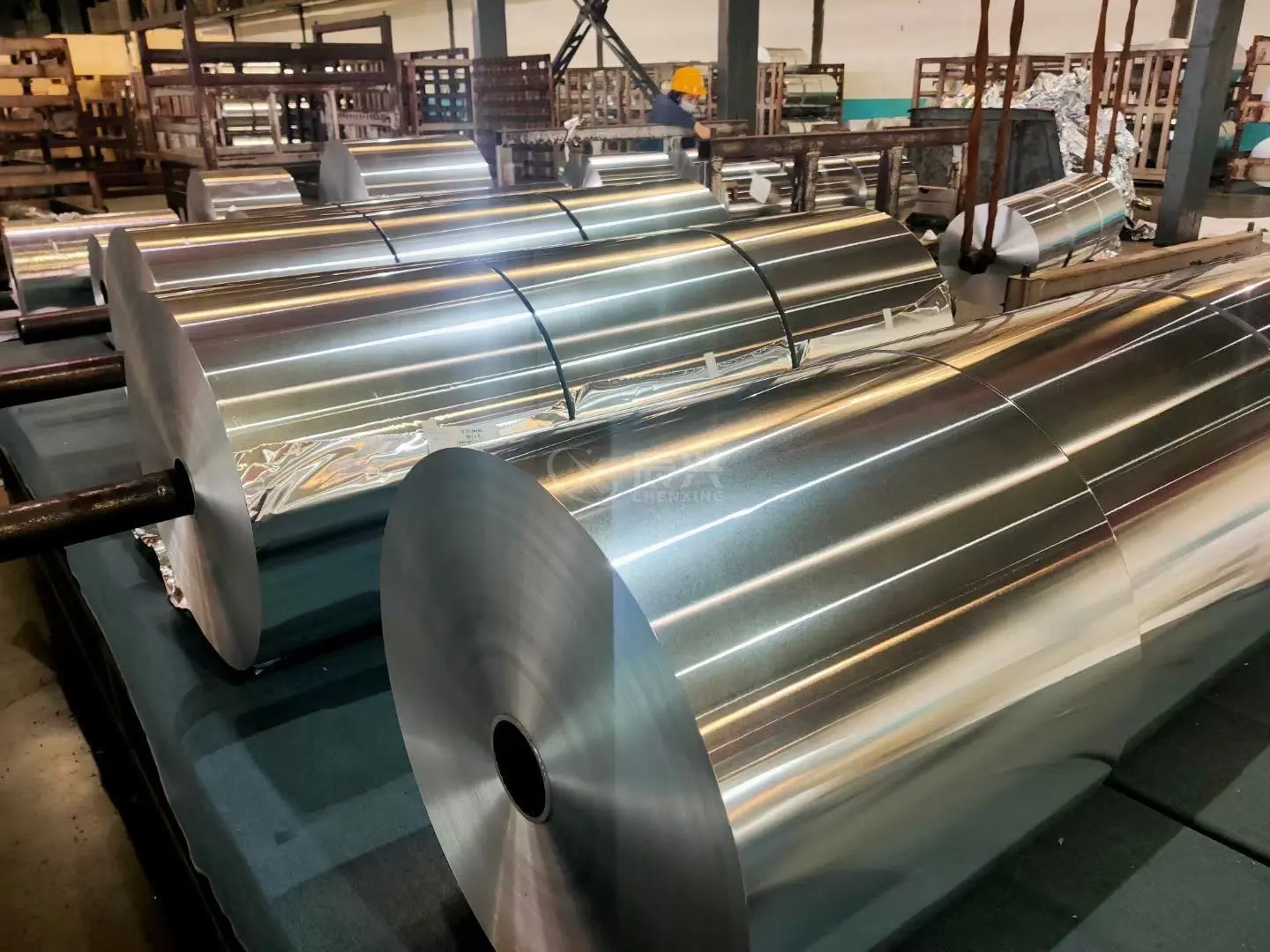
Detail 1
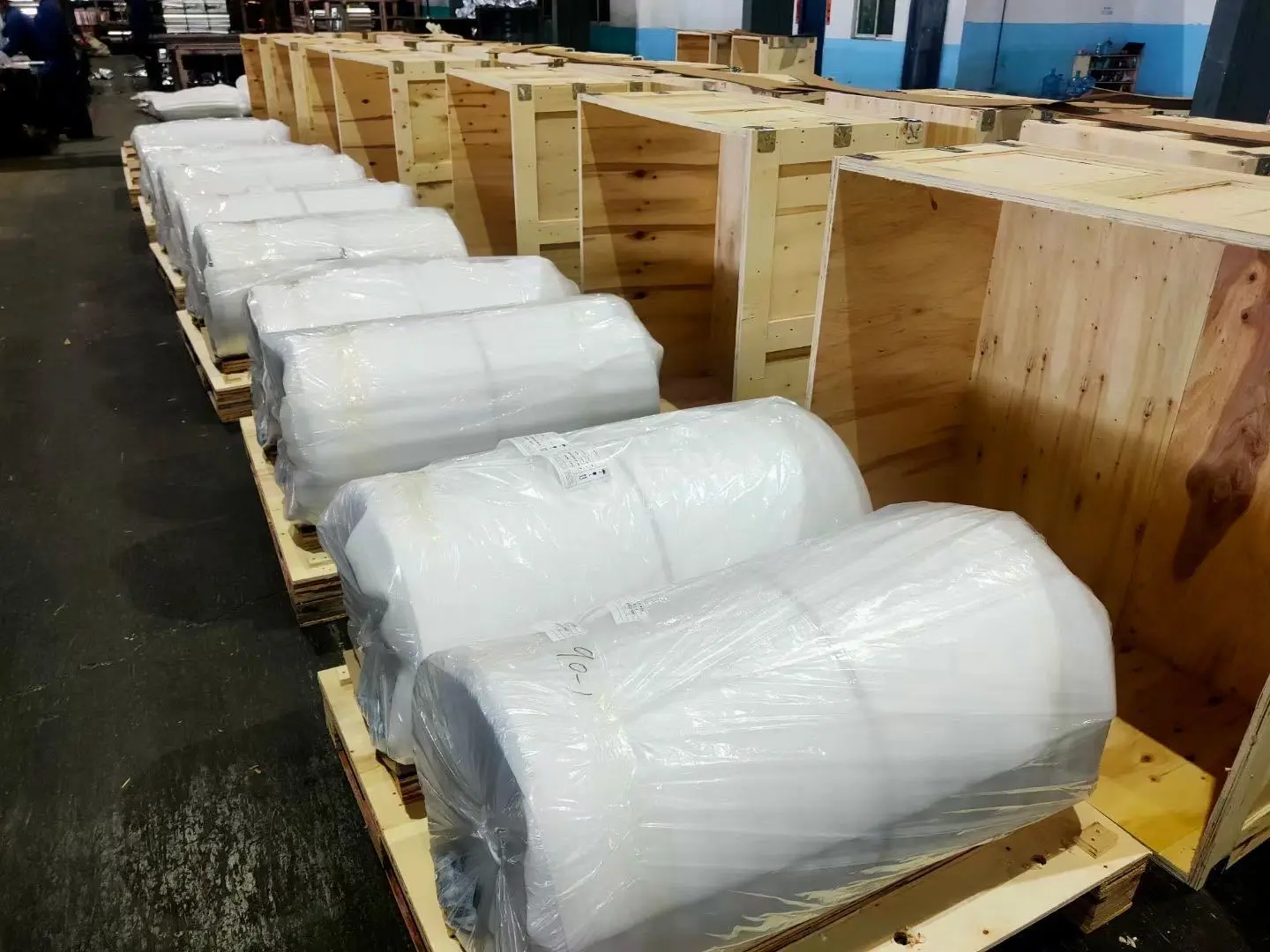
Detail 2
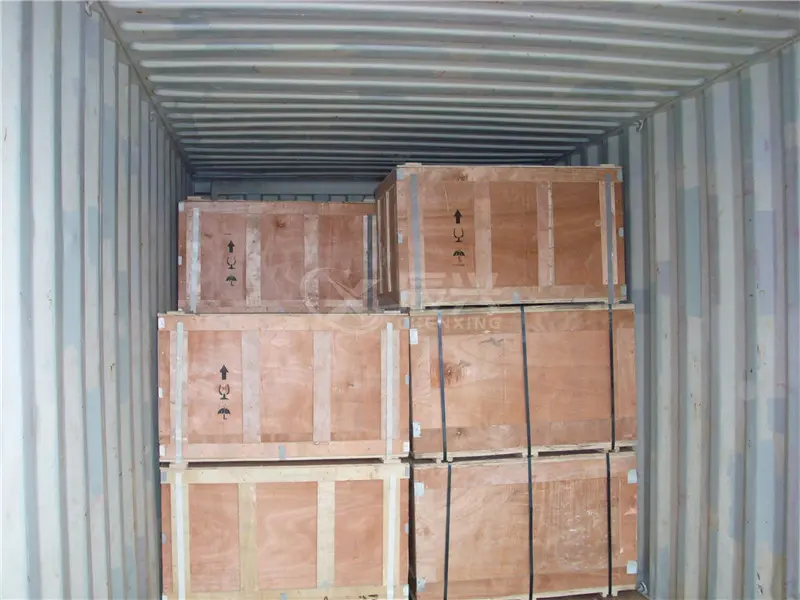
Detail 3
Large-roll aluminum foil features superior heat conductivity for even heat distribution, high temperature resistance (up to 250°C), and excellent ductility, allowing it to easily wrap large portions of food or line baking sheets.
It is recommended to place the shiny side facing inward (against the food). The shiny side reflects heat better, which can help increase heating efficiency during baking or grilling.
While food-grade aluminum foil is highly safe, it is best to avoid long-term contact with highly acidic or salty foods (like tomatoes, lemons, or pickles) to prevent minor chemical reactions that can degrade the foil.
Common specifications include a thickness range of 0.01mm to 0.02mm, widths of 30cm to 50cm for standard tray sizes, and roll lengths varying between 50m, 100m, and 200m for extended usage.
Generally, aluminum foil should not be used in standard microwave ovens as it can reflect microwaves and cause sparks. It is designed for conventional ovens, grills, and standard food preservation.
Keep the roll in a cool, dry environment away from moisture and direct sunlight. Proper storage prevents premature oxidation and maintains the foil's durability and barrier properties.