
China PVDF-Coated Aluminum Coil from China Suppliers - High-Performance Factory Quality for Architectural and Industrial Applications Companies, Factories

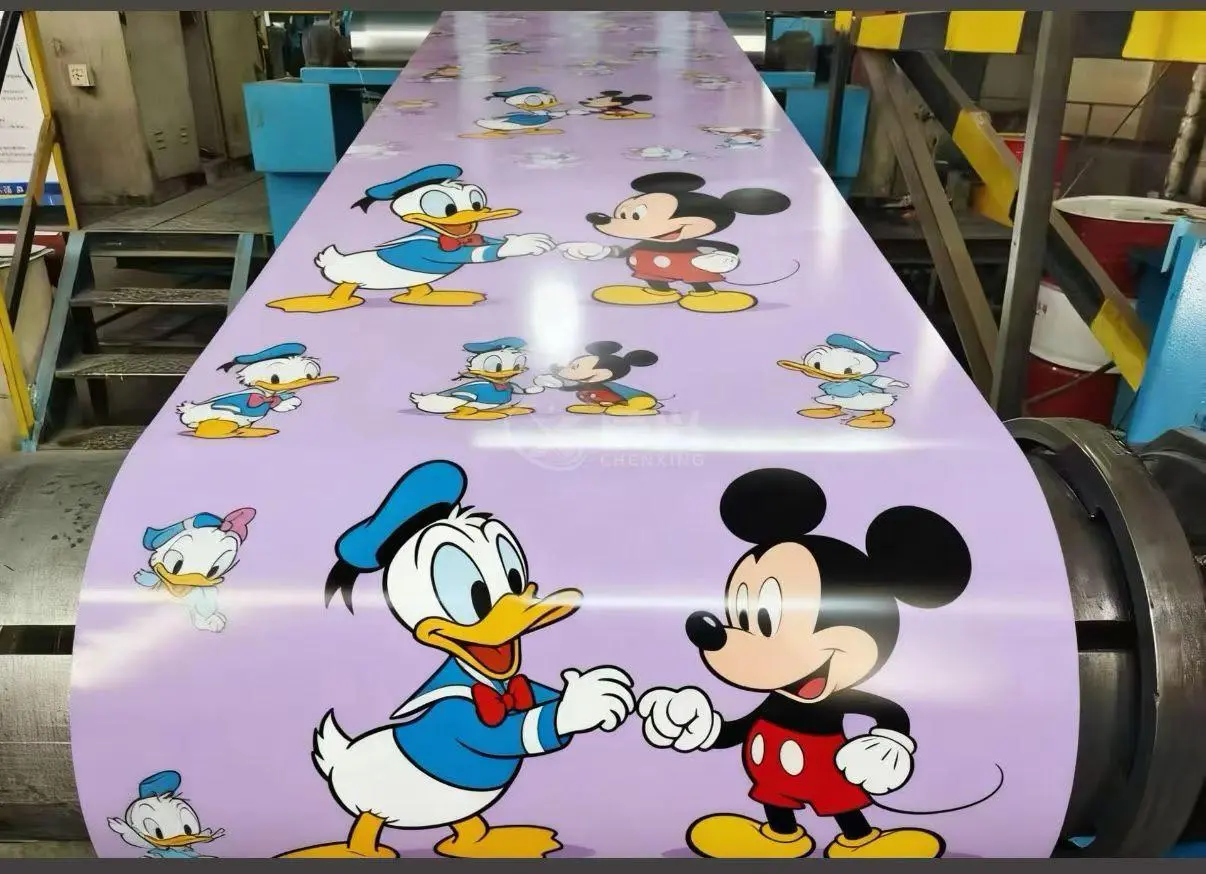
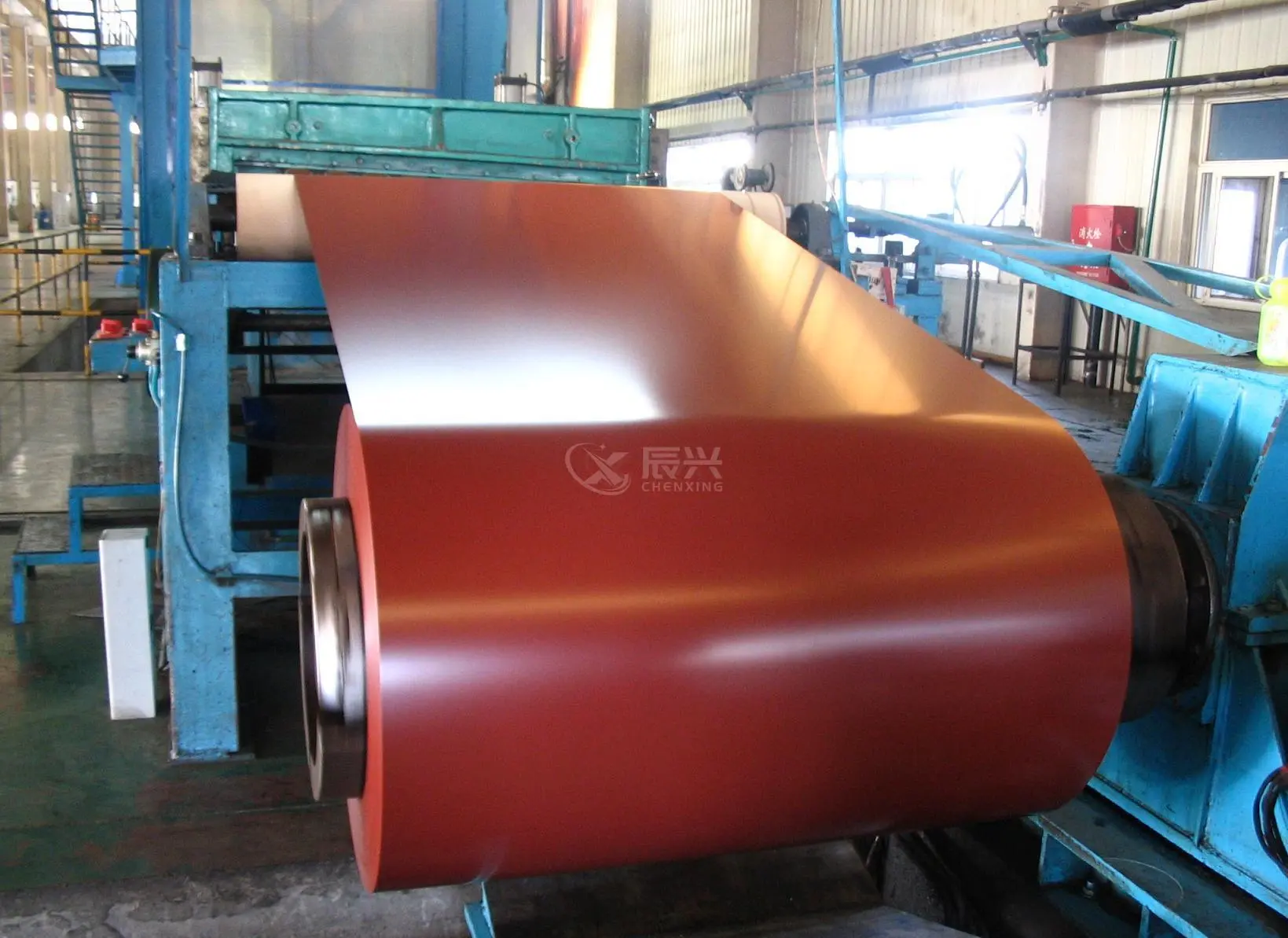
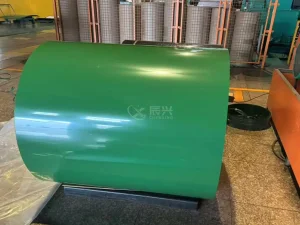
PVDF-coated aluminum coil, also referred to as fluorocarbon aluminum coil, is a top-tier decorative and protective aluminum product widely sought after by suppliers and factories in China. This high-performance material utilizes polyvinylidene fluoride (PVDF) resin as its primary coating, meticulously applied to the aluminum coil through state-of-the-art roller coating technology following rigorous surface pretreatment. It combines the lightweight nature, exceptional formability, and inherent corrosion resistance of aluminum with the superior weather resistance, chemical durability, and long-lasting color retention of PVDF coatings. Renowned as a premium choice in the aluminum coating industry, PVDF-coated aluminum coils are extensively utilized in high-end architectural decoration, challenging environmental applications, and specialized sectors such as transportation and industrial equipment. Choose reliable manufacturers in China for your PVDF-coated aluminum coil needs and experience unparalleled quality and performance

Product Description

Key Manufacturing Process

The production of PVDF-coated aluminum coil has higher technical requirements than ordinary coated aluminum coils, especially in coating formulation and curing process. The main steps are as follows:

  • 1
    High-Quality Substrate Selection

    Select high-purity aluminum coils with excellent surface quality, such as 1060, 3003, 5052, and 6061 alloys. The substrate's surface flatness, thickness uniformity, and impurity content are strictly controlled to avoid affecting the coating adhesion and appearance.

  • 2
    Precision Surface Pretreatment

    This is the basis for ensuring long-term adhesion of PVDF coating, including three key links:

▶ Degreasing & Cleaning: Use alkaline degreasing agents and ultrasonic cleaning technology to completely remove oil, dust, and oxide layers on the aluminum coil surface, ensuring no residual contaminants.
  • 3
    Chemical Conversion Treatment

    Adopt zirconium-based or titanium-based environmental protection conversion agents (replacing traditional chromate conversion) to form a dense, uniform conversion film with a thickness of 0.5–1μm, which enhances the bonding force between the substrate and the coating.

  • 4
    Low-Temperature Drying

    Dry the pretreated aluminum coil at 100–120°C to remove surface moisture, ensuring the conversion film is stable and not damaged.

  • 5
    PVDF Coating Roller Coating

    Use multi-layer roller coating technology, usually including primer, topcoat, and optional backcoat. The PVDF content in the topcoat is ≥70% (meeting AAMA 2605 standard). The coating thickness is precisely controlled: primer 5–10μm, topcoat 20–30μm, backcoat 5–10μm. The roller coating speed and pressure are adjusted in real-time to ensure uniform coating thickness.

  • 6
    High-Temperature Curing

    Send the coated aluminum coil to a high-temperature curing oven with precise temperature control. The curing temperature is 230–250°C, and the curing time is 25–35 minutes. This process promotes the cross-linking polymerization of PVDF resin, forming a dense and stable coating structure.

  • 7
    Strict Quality Inspection

    Conduct comprehensive testing of key indicators, including coating thickness (using a coating thickness gauge), adhesion (cross-cut test ≥5B), pencil hardness (≥3H), color difference (ΔE ≤ 1.0), weather resistance (QUV aging test ≥3000 hours), and corrosion resistance (neutral salt spray test ≥1500 hours). Unqualified products are strictly eliminated.

  • 8
    Slitting & Packaging

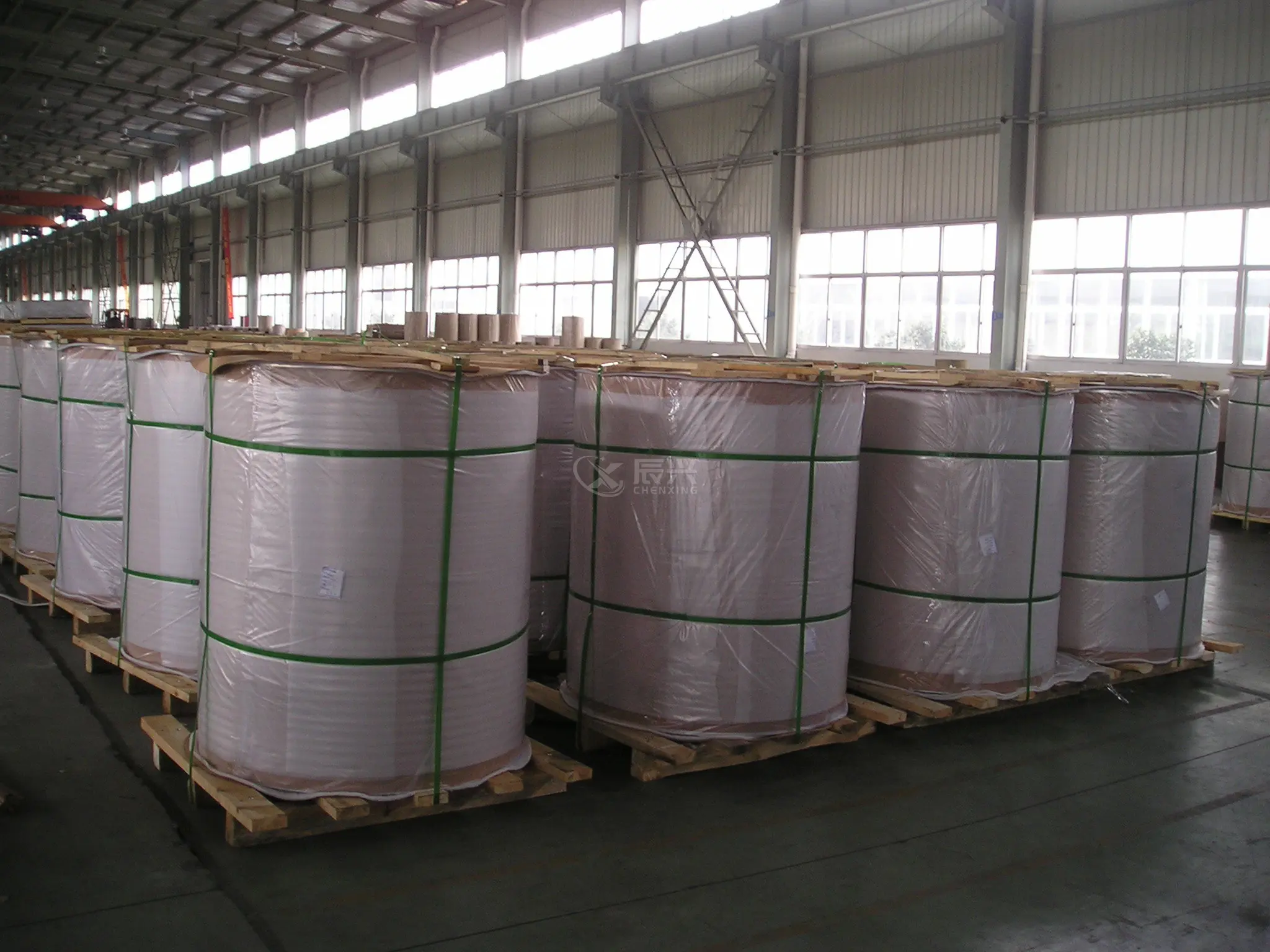
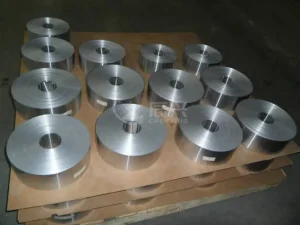
    According to customer needs, slit the qualified PVDF-coated aluminum coil into coils of different widths, and use moisture-proof, scratch-resistant packaging materials (such as PE film, corrugated cardboard, and wooden pallets) for packaging to ensure product integrity during transportation.

Key Specifications

PVDF-coated aluminum coil specifications are customized according to high-end application scenarios and performance requirements. The main specifications are shown in the following table:

Specification Category Detailed Parameters Typical Applications Quality Control Requirements
Substrate Thickness Thin: 0.2mm – 0.5mm High-end home appliance panels (high-end refrigerator doors, air conditioner casings), precision signage Thickness deviation ≤ ±0.02mm, surface roughness Ra ≤ 0.3μm
Medium: 0.5mm – 1.5mm High-end architectural decoration (curtain walls, exterior wall cladding, elevator doors), advertising light boxes for harsh environments Thickness deviation ≤ ±0.03mm, flat surface without waves or scratches
Thick: 1.5mm – 4.0mm Transportation (high-speed rail interior/exterior trim, ship hull cladding), industrial equipment casings Tensile strength ≥ 180MPa, elongation ≥ 5%, good stamping performance
Coating Parameters Standard Coating: Total thickness 30–40μm (primer 5–10μm, topcoat 20–25μm, PVDF content ≥ 70%) High-end architectural curtain walls, coastal building exterior cladding, medium-sized industrial equipment Adhesion ≥ 5B, QUV aging test ≥ 3000h, color difference ΔE ≤ 1.0
Heavy Coating: Total thickness 40–60μm (primer 10μm, topcoat 25–35μm, backcoat 5–10μm, PVDF content ≥ 75%) Harsh environments (offshore platforms, chemical plant walls, desert area buildings) Neutral salt spray test ≥ 3000h, weather resistance test ≥ 5000h, pencil hardness ≥ 3H
Width & Length Standard Width: 1000mm, 1220mm, 1500mm, 1600mm, 1800mm Batch production of high-end architectural materials, home appliances, and transportation parts Width deviation ≤ ±0.5mm, no edge warping or coating accumulation
Custom Width: 600mm – 1800mm; Length: 500–5000kg/roll Special architectural projects (large-span curtain walls), customized industrial equipment Uniform coil tension, no creases, coating thickness variation ≤ ±2μm
Alloy Types 1060 Alloy (≥ 99.6% Al) High-end indoor decoration, precision home appliance panels Excellent ductility, surface flatness ≤ 0.1mm/m
3003 Alloy (Mn 1.0–1.5%) Coastal architectural decoration, industrial equipment casings Enhanced corrosion resistance, tensile strength ≥ 150MPa
5052/6061 Alloy (Mg 2.2–2.8% / Al-Mg-Si alloy) Transportation parts, high-stress architectural components, offshore platforms High strength, good fatigue resistance, marine corrosion resistance
Detail Images
Frequently Asked Questions (FAQ)
Q
What is the minimum PVDF content required in the topcoat to meet AAMA 2605 standard?
The topcoat must contain a minimum of 70% PVDF (polyvinylidene fluoride) resin by weight to comply with the AAMA 2605 standard. For heavy-coating applications in harsh environments such as offshore platforms or desert buildings, the PVDF content is increased to ≥ 75% to deliver superior weather resistance and durability.
Q
What alloy grades are available for PVDF-coated aluminum coil, and how do I choose the right one?
Available alloy grades include 1060 (≥ 99.6% Al) for indoor decoration and appliance panels, 3003 (Mn 1.0–1.5%) for coastal architectural applications requiring enhanced corrosion resistance, and 5052/6061 (Al-Mg or Al-Mg-Si alloy) for high-stress structural uses such as transportation components and offshore platforms. Your choice should be based on the mechanical strength, corrosion resistance, and formability requirements of your specific application.
Q
What quality tests are performed on PVDF-coated aluminum coils before shipment?
Each batch undergoes comprehensive quality inspection, including: coating thickness measurement (using a precision thickness gauge), adhesion testing (cross-cut test ≥ 5B), pencil hardness (≥ 3H), color consistency (ΔE ≤ 1.0), weather resistance (QUV aging test ≥ 3000 hours for standard coating; ≥ 5000 hours for heavy coating), and corrosion resistance (neutral salt spray test ≥ 1500 hours for standard; ≥ 3000 hours for heavy coating). Only products that pass all tests are approved for shipment.
Q
Can the width and thickness of PVDF-coated aluminum coils be customized?
Yes. Standard widths include 1000mm, 1220mm, 1500mm, 1600mm, and 1800mm. Custom widths ranging from 600mm to 1800mm are available upon request. Substrate thickness ranges from 0.2mm to 4.0mm depending on the application – from thin panels for home appliances to thick structural sheets for transportation and industrial equipment. Coil weight can be supplied from 500 to 5000kg per roll.
Q
Why is the surface pretreatment step critical in the PVDF coating process?
Surface pretreatment is the foundation for long-term coating adhesion and performance. It involves thorough degreasing and ultrasonic cleaning to eliminate all contaminants, followed by a chemical conversion treatment using zirconium-based or titanium-based agents to form a dense conversion film (0.5–1μm thick). This film significantly improves bonding between the aluminum substrate and the PVDF coating. Skipping or inadequately performing this step can lead to coating delamination, blistering, or premature failure.
Q
What packaging methods are used to protect PVDF-coated aluminum coils during transportation?
To ensure the product arrives in perfect condition, PVDF-coated aluminum coils are packaged using moisture-proof and scratch-resistant materials, including PE (polyethylene) protective film, corrugated cardboard interleaving, and sturdy wooden pallets. This multi-layer packaging system protects against surface scratches, moisture ingress, and mechanical damage throughout the entire shipping and handling process.

Related Products