1 / 1

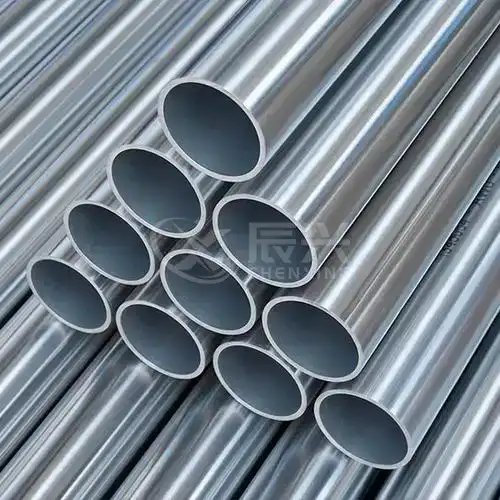
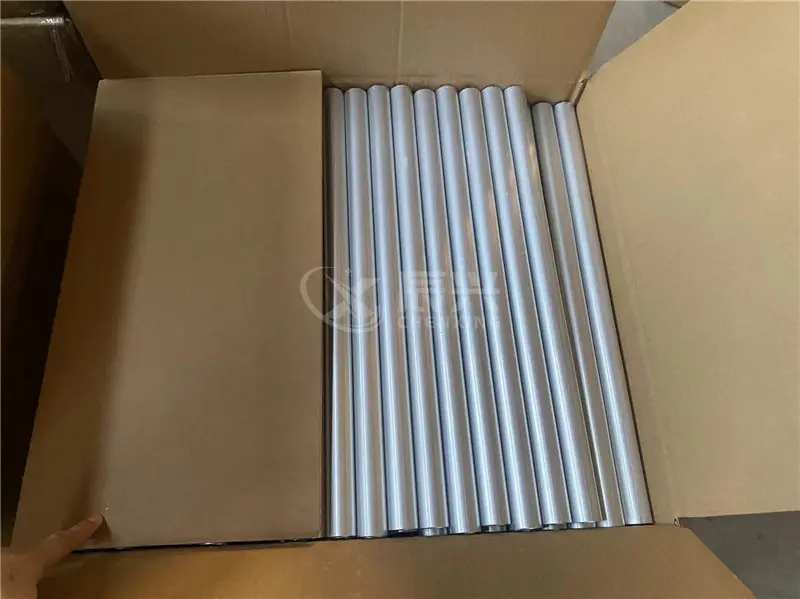
Round aluminum tube specifications are customized based on application scenarios, with alloy type, diameter, wall thickness, and precision being core parameters:
| Specification Category | Detailed Parameters | Typical Alloys | Typical Applications | Quality Control Requirements |
|---|---|---|---|---|
| Outer Diameter (OD) | Small: ≤ 20mm | 1060, 3003, 6061 | Electrical conductors, medical instruments, small heat exchangers | Tolerance ±0.05mm, no surface scratches |
| Medium: 20mm – 200mm | 3003, 5052, 6061, 6063 | Architectural handrails, furniture frames, automotive parts, hydraulic tubes | Tolerance ±0.1mm, straightness ≤ 0.5mm/m | |
| Large: ≥ 200mm | 5083, 6061, 7075 | Industrial pipelines, marine structures, architectural columns | Tolerance ±0.2mm, wall thickness uniformity ≤ 5% | |
| Wall Thickness (WT) | Thin: ≤ 1mm | 1060, 3003 | Heat exchange fins, decorative tubes, small containers | Thickness tolerance ±0.03mm, no pinholes |
| Medium: 1mm – 10mm | 3003, 5052, 6061 | Handrails, automotive exhaust pipes, furniture, general machinery | Thickness tolerance ±0.05mm, weld strength ≥ 80% of base metal (for welded tubes) | |
| Thick: ≥ 10mm | 5083, 6061, 7075 | Load-bearing structures, marine components, high-pressure pipelines | Tensile strength ≥ 250MPa, impact toughness ≥ 20 J/cm² | |
| Alloy Types | Pure Aluminum (1xxx Series) | 1060, 1100 (99.6%/99.0% Al) | Electrical conductors, heat exchangers, decorative applications | High conductivity, good corrosion resistance, low strength |
| Non-Heat-Treatable Alloys (3xxx, 5xxx) | 3003 (Mn), 5052 (Mg), 5083 (Mg-Mn) | Marine parts, chemical pipelines, architectural structures | Excellent corrosion resistance, good weldability | |
| Heat-Treatable Alloys (6xxx, 7xxx) | 6061 (Al-Mg-Si), 6063 (Al-Mg-Si), 7075 (Al-Zn-Mg-Cu) | Aerospace components, automotive parts, high-load structures | High strength after heat treatment, good machinability |
Round aluminum tube's versatility makes it a staple in multiple industries, driven by its unique combination of strength, weight, and functionality:
Used for handrails, balustrades, curtain wall supports, ceiling frames, and decorative columns. Its lightweight reduces structural load, while anodized or coated surfaces enhance aesthetics and durability.
Applied in automotive (exhaust pipes, fuel lines, frame components), aerospace (hydraulic tubes, structural parts), marine (hull supports, piping systems), and railway (interior trim, cooling tubes). Its light weight improves fuel efficiency.
Used in heat exchangers (air conditioners, refrigerators, industrial coolers), hydraulic and pneumatic pipelines, conveyor rollers, and machine frames. Its thermal conductivity and corrosion resistance ensure reliable performance.
Used as electrical conductors (power transmission lines, bus bars), heat sinks for electronic devices, and casings for electrical equipment. Its conductivity and lightweight meet efficiency requirements.
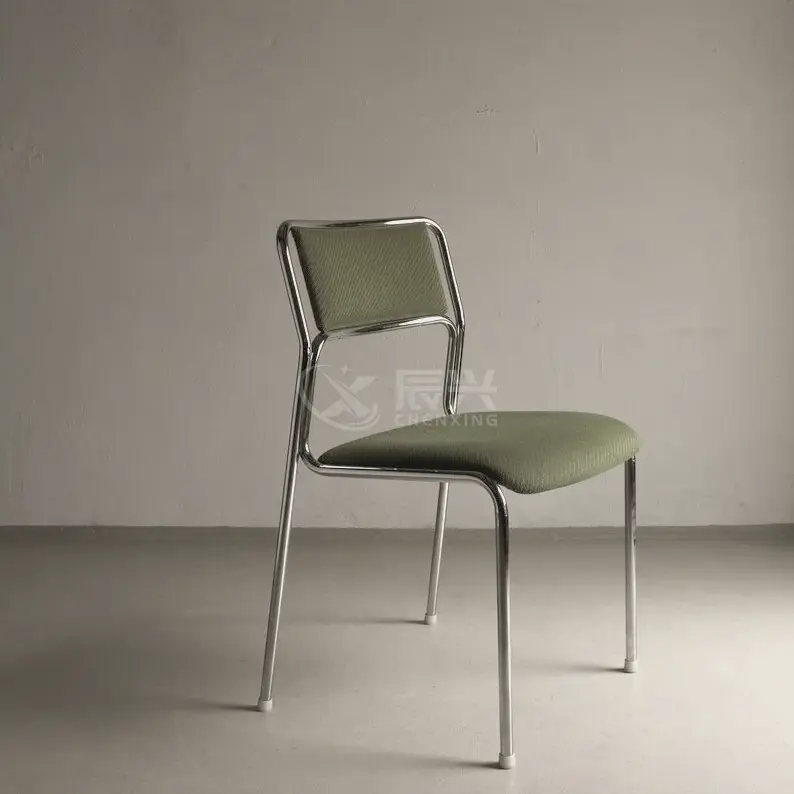
Found in furniture (chair frames, table legs), sports equipment (bicycle frames, tent poles), kitchenware (cookware handles, ventilation tubes), and decorative items. Its formability and aesthetics cater to diverse design needs.
Used in medical instruments (surgical tools, diagnostic equipment components) and pharmaceutical pipelines. Its corrosion resistance and easy sterilization meet hygiene standards.
Compared with traditional materials like steel, copper, and plastic tubes, round aluminum tube offers distinct competitive advantages:
| Alternative Material | Advantages of Round Aluminum Tube | Key Reason |
|---|---|---|
| Steel Tube | Lighter (1/3 weight), better corrosion resistance (no rust without coating), higher thermal conductivity, easier processing | Steel is prone to rust and heavier; aluminum's natural oxide film and low density reduce maintenance and transportation costs. |
| Copper Tube | Lower cost (1/2 – 1/3 of copper), lighter weight, more abundant resources, better formability for complex shapes | Copper is expensive and scarce; aluminum meets most conductivity/thermal requirements at a lower cost. |
| Plastic Tube | Higher strength, better heat resistance (withstands -40°C to 150°C vs. plastic's 60°C – 100°C), non-toxic (no chemical leaching), recyclable | Plastic is brittle at low temperatures, degrades at high temperatures, and is non-recyclable in many cases. |
| Brass Tube | Lighter, lower cost, better corrosion resistance in marine environments, easier to recycle | Brass is heavy, contains lead (environmentally hazardous), and has higher production costs. |