1 / 1

Aluminum profiles are categorized based on cross-sectional shape, processing method, alloy series, and application scenarios, which directly determine their performance and use cases. Detailed classifications are shown in the following table:
| Classification Criterion | Specific Types | Core Characteristics | Typical Applications |
|---|---|---|---|
| Cross-Section Shape | Solid Solid Profiles (Rods, Bars, Flat Bars) |
No hollow structure, high structural stability, uniform stress | Mechanical shafts, fasteners, machining blanks, decorative trims |
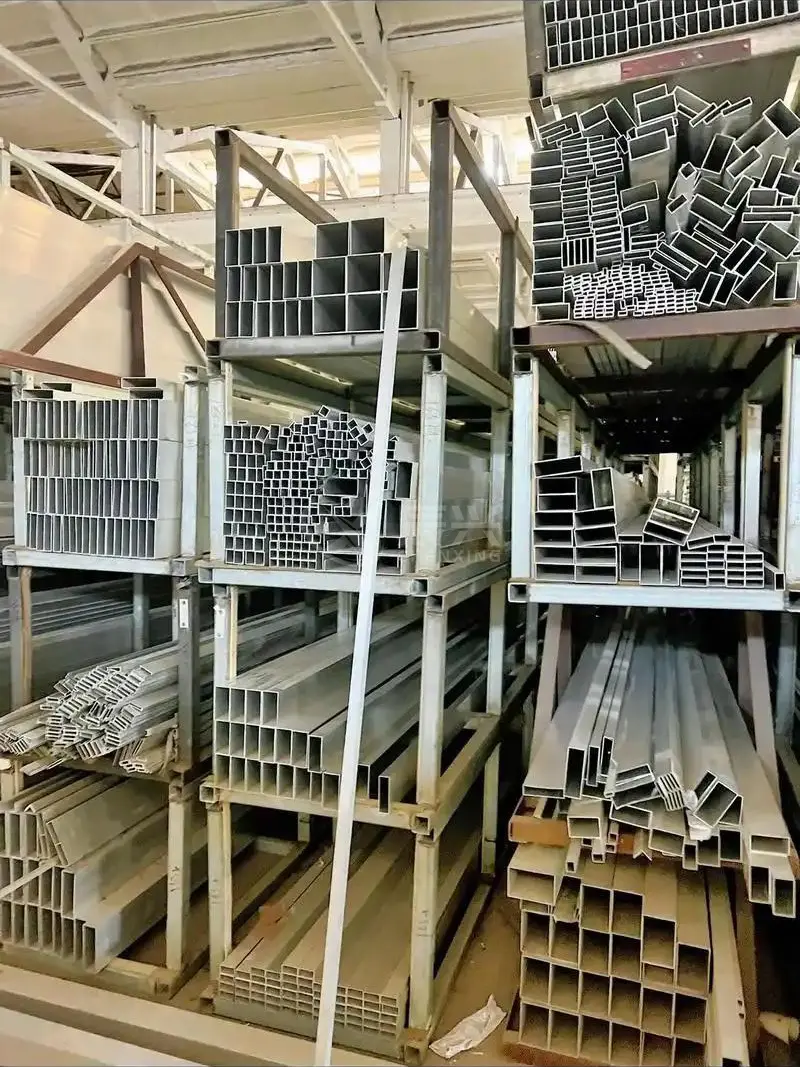
| Hollow Hollow Profiles (Tubes, Pipes) |
Light weight, high strength-to-weight ratio, material-saving | Architectural handrails, heat exchangers, furniture frames, hydraulic pipelines | |
| Standard Standard Shaped Profiles (Angle, Channel, T-Shape, U-Shape) |
Standardized cross-sections, easy assembly, good load-bearing | Structural supports, frame connectors, shelf brackets, construction beams | |
| Custom Custom Special-Shaped Profiles |
Tailored cross-sections, integrated functions, high design flexibility | Automotive parts, curtain wall connectors, electronic enclosures, industrial equipment components | |
| Processing Method | Extruded Extruded Profiles |
High production efficiency, diverse shapes (solid/hollow/special-shaped), cost-effective | Architectural frames, door/window profiles, consumer product shells | Drawn Drawn Profiles |
High dimensional precision (tolerance ±0.01mm), smooth surface | Precision components, medical instruments, hydraulic tubes |
| Rolled Rolled Profiles |
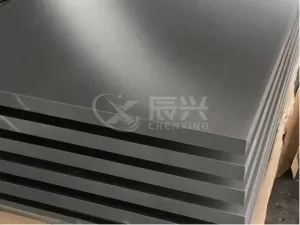
Suitable for simple shapes, large batch production, uniform thickness | Flat bars, angle bars, wide plates for construction | |
| Alloy Series | 1xxx 1xxx Series (Pure Aluminum) |
High corrosion resistance, good conductivity/thermal conductivity, low strength | Heat sinks, decorative profiles, electrical conductors |
| 3xxx 3xxx Series (Al-Mn Alloy) |
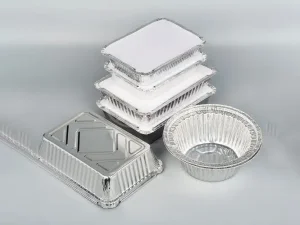
Enhanced strength vs. pure aluminum, excellent weldability | Architectural handrails, food packaging frames, heat exchange profiles | |
| 5xxx 5xxx Series (Al-Mg Alloy) |
Superior corrosion resistance (marine-grade), good ductility | Marine structures, offshore pipelines, automotive body parts | |
| 6xxx 6xxx Series (Al-Mg-Si Alloy) |
Heat-treatable, high strength, excellent formability | Architectural frames, automotive components, structural supports | |
| 7xxx 7xxx Series (Al-Zn-Mg-Cu Alloy) |
Ultra-high strength, good fatigue resistance | Aerospace components, high-load structural parts, sports equipment | |
| Application Scenario | Architectural Architectural Profiles |
Aesthetic appearance, corrosion resistance, easy installation | Door/window frames, curtain walls, handrails, ceiling grids |
| Industrial Industrial Profiles |
High strength, good machinability, functional integration | Machinery frames, conveyor components, heat exchanger cores | |
| Transport Transportation Profiles |
Light weight, high strength, fatigue resistance | Automotive frames, railway interior trim, ship hull components, aerospace parts | |
| Consumer Consumer Product Profiles |
Aesthetic design, formability, light weight | Furniture frames, sports equipment (bicycle frames), electronic device casings |