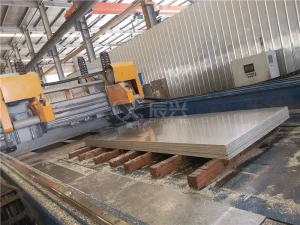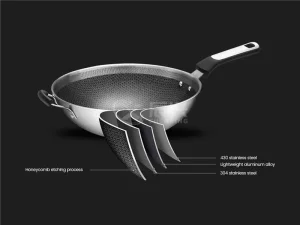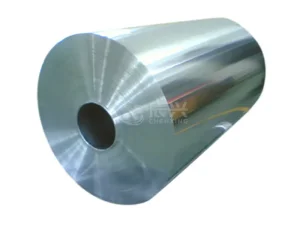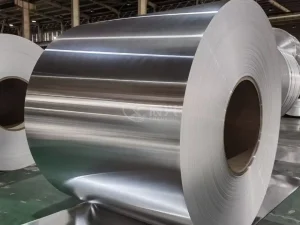
Explore our premium-grade aluminum alloys, engineered for superior tensile strength, thermal properties, and high formability across diverse industrial ecosystems.
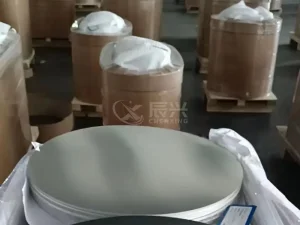
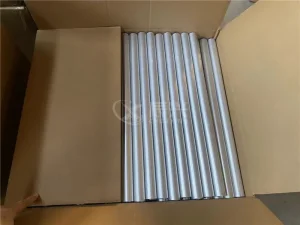
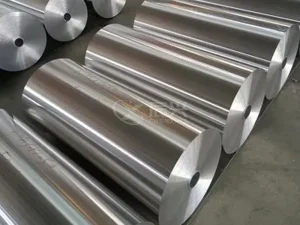
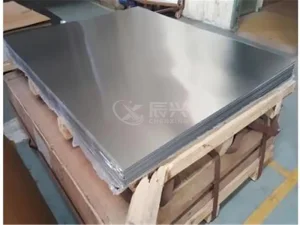
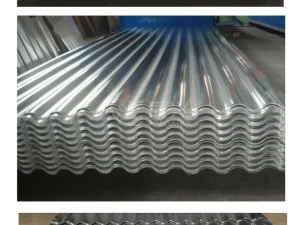
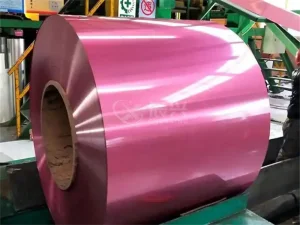
The global demand for high-strength, lightweight materials has positioned aluminum coils as the cornerstone of structural and energy-efficient design. From heavy automotive stampings to micrometer-level packaging foils, the processing stability of modern aluminum alloy sheets determines overall cost efficiency and mechanical integrity in downstream manufacturing. China, representing more than 55% of the world's primary aluminum smelting and precision rolling capacity, operates at the absolute cutting edge of this value chain.
In response to international regulatory mandates such as the EU's Carbon Border Adjustment Mechanism (CBAM) and corporate decarbonization targets, Chinese factories are integrating low-carbon smelting processes—often powered by regional hydropower systems in Southwestern China—with state-of-the-art cold and hot rolling mills. This technological transformation ensures that commercial aluminum coils deliver not only unparalleled dimensional precision and surface finishes but also a significantly reduced cradle-to-gate carbon footprint.
Aluminum coil distribution channels depend on localized regulatory alignments, logistical proximity, and strict metallurgical verification. Companies in North America and Western Europe demand compliance with ASTM and EN standards, which enforce tight chemical composition limits and precise mechanical property ranges. In emerging industrial hubs across Southeast Asia and Latin America, the focus centers on high-volume consistency, fast lead times, and flexible customization of surface coatings (such as PVDF and PE prepainted finishes) to withstand harsh tropical humidity profiles.
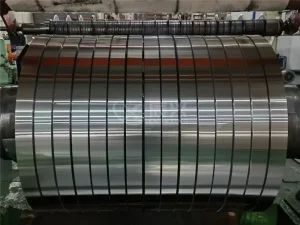
To navigate these diverse requirements, premium Chinese factories utilize automated tension-leveling lines and localized metallurgical testing labs. This scientific rigor prevents typical shipping degradation anomalies, such as inter-coil slippage, oil stains, and edge waviness, guaranteeing that rolls arrive ready for high-speed continuous feeding lines.
| Alloy Series | Primary Elements | Tensile Strength (MPa) | Yield Strength (MPa) | Elongation (%) | Core Application Domain |
|---|---|---|---|---|---|
| 1xxx (e.g., 1050, 1060) | Al ≥ 99.5% / 99.6% | 60 - 100 | ≥ 30 | 25 - 35 | Electrical conductors, heat exchangers, reflective sheets, battery foils. |
| 3xxx (e.g., 3003, 3105) | Al-Mn (Manganese) | 110 - 170 | ≥ 40 | 20 - 30 | Cookware deep drawing, HVAC fins, prepainted building cladding. |
| 5xxx (e.g., 5052, 5083) | Al-Mg (Magnesium) | 190 - 350 | ≥ 80 | 12 - 25 | Marine vessels, chemical tankers, structural EV battery enclosures. |
| 8xxx (e.g., 8011, 8021) | Al-Fe-Si (Iron/Silicon) | 80 - 130 | ≥ 40 | ≥ 20 | High-barrier pharmaceutical packaging, technical insulation foils. |
The manufacturing blueprint for modern high-performance aluminum coils has shifted from simple mechanical gauge reduction to the nano-structural manipulation of intermetallic phases. By managing reheating curves, continuous cast-rolling ratios, and annealing cycles, technicians lock in specific grain distributions. This precise thermodynamic path determines whether an alloy will resist crack propagation during severe deep-drawing or remain structural stable when subjected to high thermal exposure.
Focus on down-gauging ultra-thin foils (e.g., to 0.006mm) to maximize yield-per-ton metrics without pinhole formation.
Introduction of micro-alloyed manganese-magnesium formulas to achieve higher strength-to-weight performance during cold forming.
Integration of IoT tracking from raw liquid aluminum state to final coil slitting, detailing certified carbon footprints for each batch.
Our manufacturing framework is engineered to eliminate supply chain volatility and quality variations. We back every global shipment with audited technical data and transparent quality management.


Our engineered aluminum coils and sheets serve as key components across major global industries.
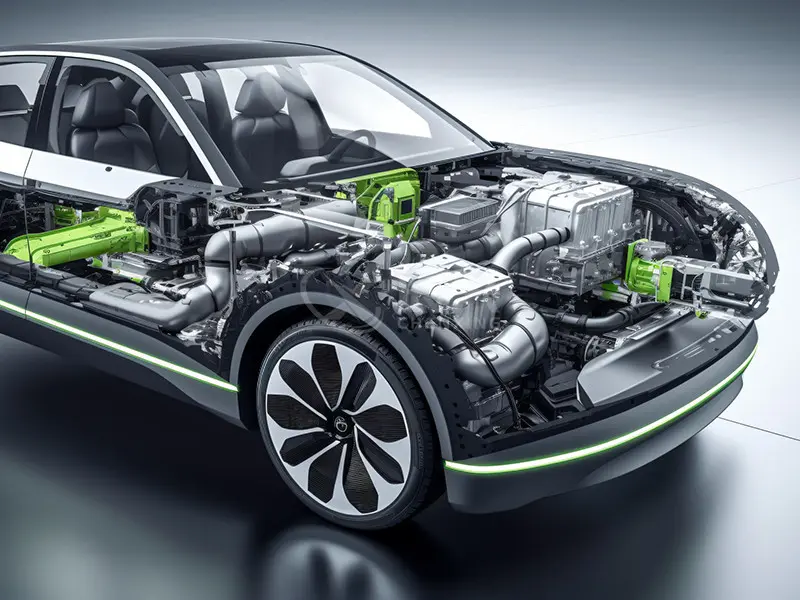
High-formability 5xxx series alloys (such as 5052 and 5083) form the structural backbone of electric vehicle battery enclosures, marine hulls, and fuel tankers, delivering excellent weldability and corrosion resistance.
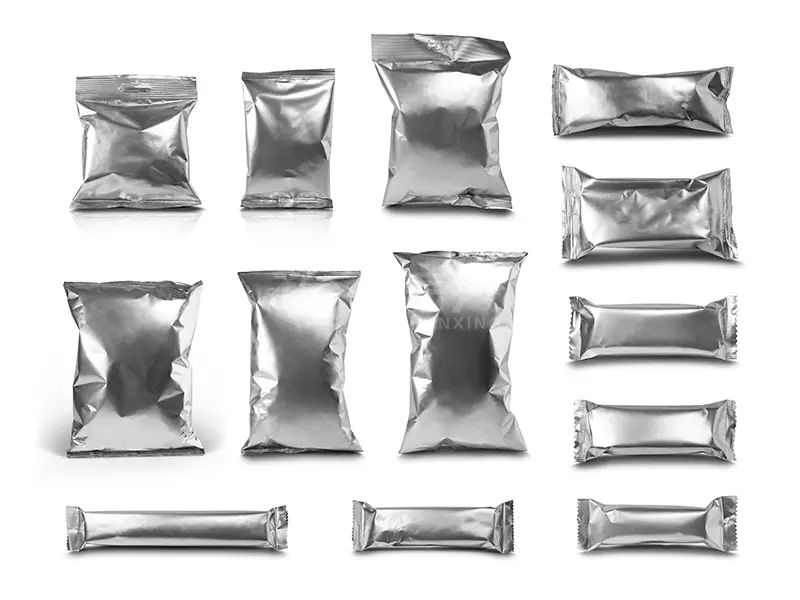
Ultra-thin 8011 and 8021 aluminum foils provide zero-porosity barrier protection against oxygen, light, and moisture, preserving pharmaceutical blisters and food-grade packaging containers.

High-purity 1xxx series alloys are optimized for electrical conductivity, serving as critical materials in battery anodes, capacitors, and complex electronic heat sinks.

Premium structural alloys tailored for extreme environments. These alloys combine high fatigue resistance with excellent strength-to-weight ratios to withstand extreme changes in pressure.
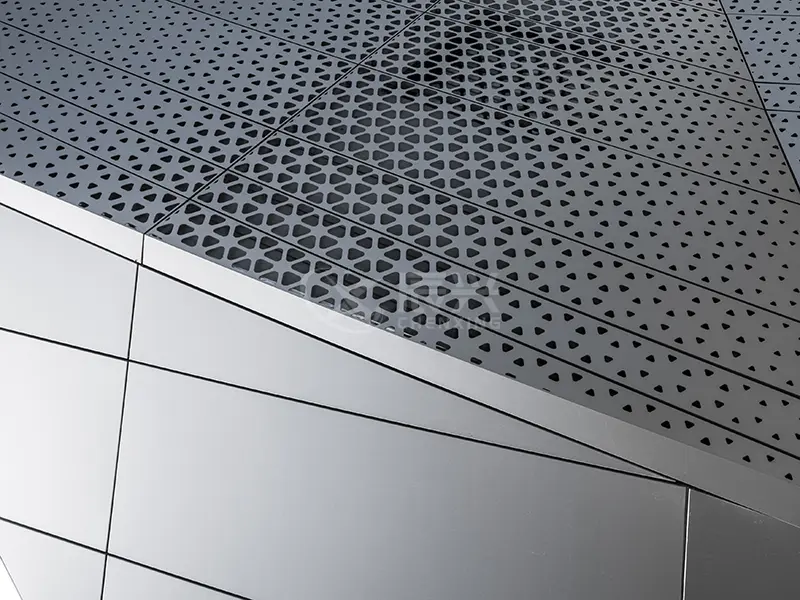
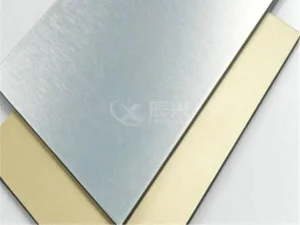
Durable, weather-resistant prepainted and anodized aluminum panels resist environmental degradation, providing long-lasting facades, gutters, and corrugated roofing systems.

Hydrophilic aluminum foil used in air conditioner heat exchangers boosts heat-transfer efficiency, while decorative brushed and mirror-finish sheets elevate appliance aesthetics.
Request chemical composition datasheets, physical sample runs, or customized pricing profiles. Our metallurgical engineers respond within 24 hours.
Submit Inquiry NowKeep pace with global macroeconomic shifts, regulatory modifications, and structural technological updates shaping the worldwide aluminum market.
B2B procurement patterns are shifting toward verified, factory-direct suppliers to bypass volatile distribution costs. Learn how we are scaling our processing mills to meet this surge.
Read Full Report →
The global expansion of electric vehicles is driving demand for ultra-thin 1235 and 1060 battery-grade anode current collector foils with zero surface contamination.
Read Full Report →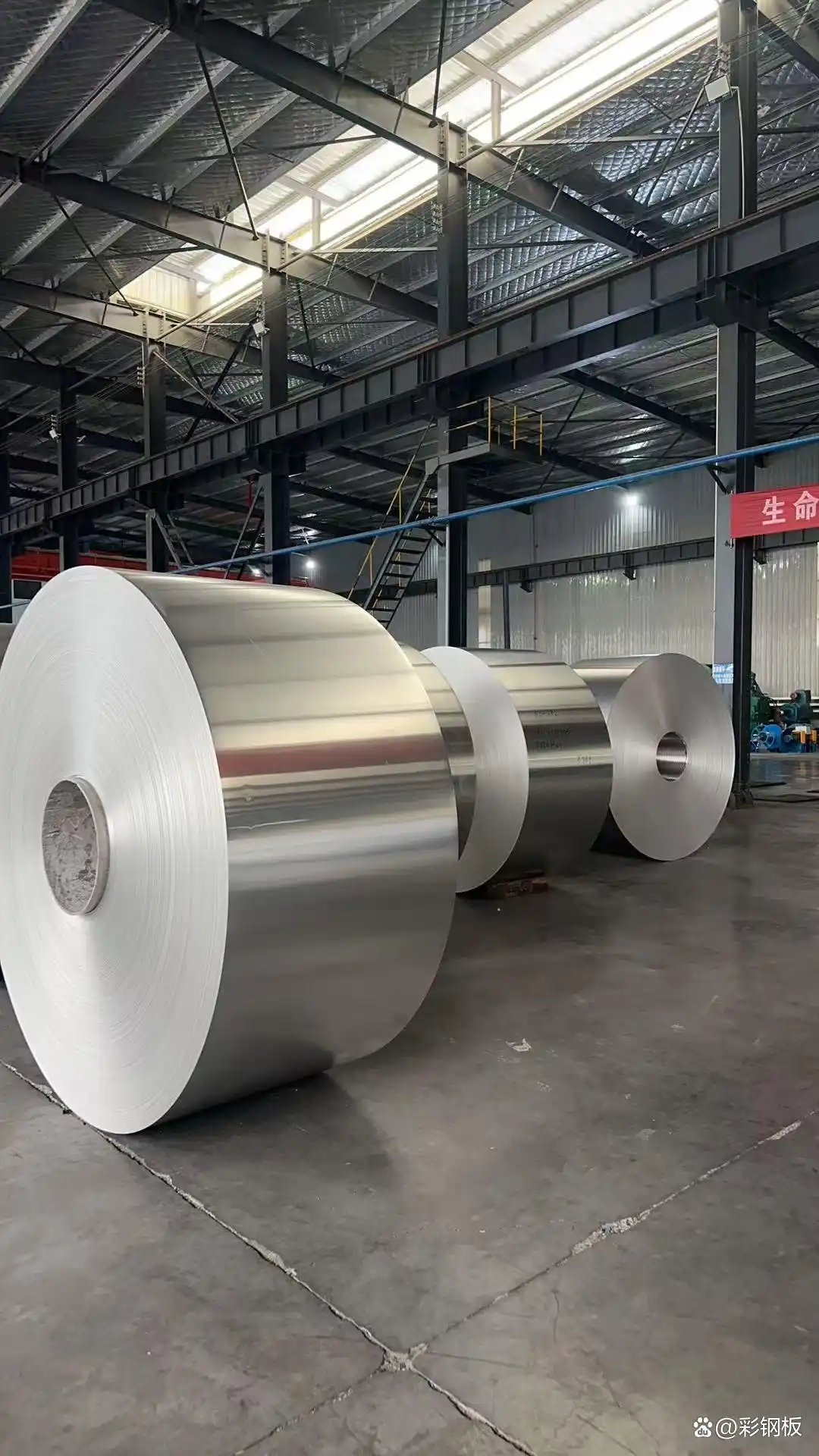
Architects and developers are increasingly utilizing recyclable prepainted aluminum alloys to achieve LEED and BREEAM green building certifications.
Read Full Report →Clear, technical answers to critical procurement questions regarding specification standards, international shipping, quality controls, and custom production.
Explore our advanced catalog of specialty alloys, marine plates, heat exchanger foils, and precision structural strips.