
Explore our core selection of heavy-duty large sheets, precision-engineered coils, and industrial-grade foils optimized for global supply chain requirements.
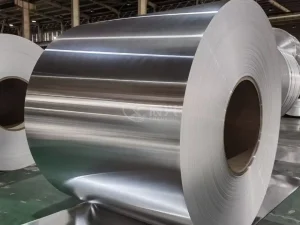
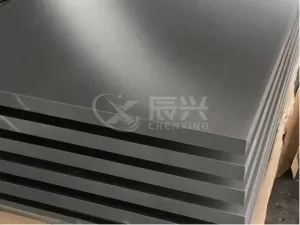
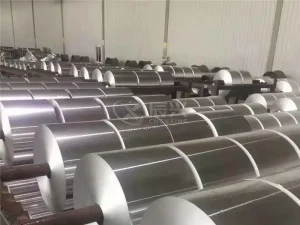
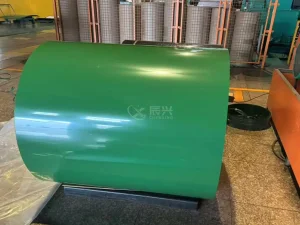
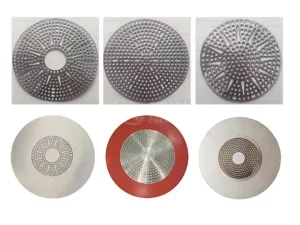
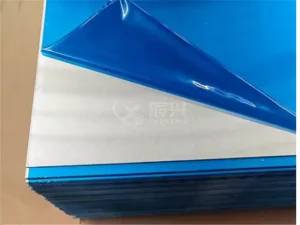
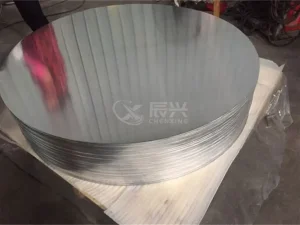
Modern industrial engineering demands materials that deliver exceptional strength-to-weight ratios, reliable corrosion resistance, and structural homogeneity. Large-format aluminum sheets—typically defined as plates exceeding 2000mm in width and up to 12000mm in length—constitute the backbone of heavy industries. These span from cryogenic LNG tank insulation panels to aerospace wing skin plates and high-speed rail chassis. The selection of alloy, temper, and rolling mill capabilities is a critical task for procurement and engineering teams globally.
The performance of large aluminum sheets is deeply determined by their alloying elements. Manufacturers classify these into series, targeting specific performance vectors:
How we guarantee reliability, precision, and global logistics efficiency for complex alloy supply chains.
Over two decades of mastery in refining hot-rolling processes, optimizing chemical compositions, and developing custom structural tempers.
Delivering high-precision large aluminum sheets globally with full compliance under standard international shipping codes.

Real-time ultrasonic defect detection (UT) and mechanical property profiling to guarantee zero-defect shipments.

24-hour dedicated customer support paired with rigorous 8D structural problem-solving protocols to safeguard your production timelines.
The global industrial landscape is undergoing a structural transition characterized by carbon-neutral goals, automation, and localization of supply chains. China's aluminum rolling sector has established itself as the global epicenter for precision sheet manufacturing due to several distinct advantages:
Modern Chinese factories utilize large-scale hot-rolling mills, such as 1+4 hot tandem rolling lines and 3300mm-wide heavy-plate mills. This heavy infrastructure permits the production of ultra-wide sheets (up to 3100mm) without welding lines, which drastically reduces structural vulnerability in aerospace components and marine vessels.
The close geographical integration of primary electrolytic aluminum smelters, modern rolling mills, and surface treatment facilities within major Chinese hubs like Henan and Shandong allows factories to control thermal history at every stage. This level of process control ensures consistent grain structure and minimizes mechanical anisotropy across the length of the sheet.
Driven by carbon neutrality targets, leading Chinese factories are shifting power sources toward hydropower and photovoltaic sources. In addition, closed-loop scrap recycling systems reduce the carbon footprint of structural plate production, making Chinese-fabricated aluminum a viable, green-compliant option for Western developers facing strict ESG reporting mandates.
Discover how our specialized large-format aluminum alloys solve structural engineering challenges across diverse sectors.

High-speed passenger trains (EMU body sides), heavy commercial trucks (fuel tanks and sidewalls), and automotive chassis rely on large 5xxx and 6xxx series plates for dynamic weight reduction and high fatigue resistance.
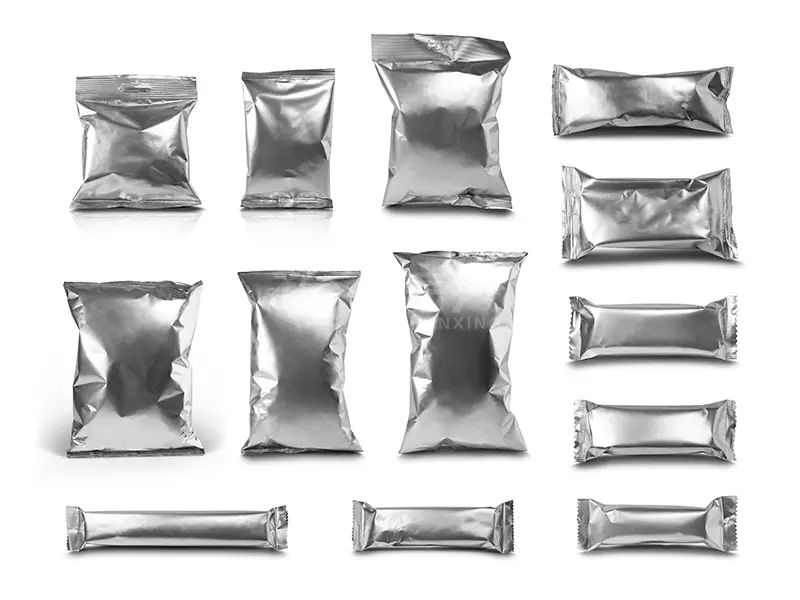
Precision-rolled foils and sheets for complex multi-layer food coatings, deep-drawn container lids, and protective blister packs requiring pristine surface finishes and strict chemical composition control.

Highly conductive 1xxx and 3xxx series alloys customized for thermal sinks, shielding cases, and capacitor shells, guaranteeing efficient heat dissipation in high-frequency data environments.

Ultra-thick, stress-relieved 7075 and 2024 plates. Specially heat-treated to resist intergranular corrosion, exfoliation, and structural fatigue under structural loads.
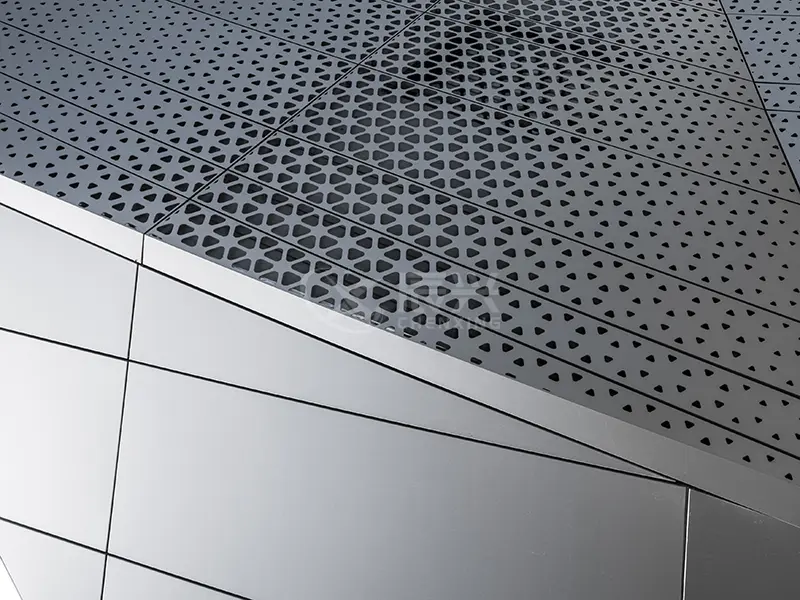
Curtain wall claddings, structural ceiling panels, and anti-corrosive roofing sheets. Utilizing PVDF and anodized coatings for long-term resistance to atmospheric weathering.

Aesthetic surface-treated sheets (mirror, brushed, textured) for modern refrigerator panels, oven doors, and cooking hardware requiring heat resistance and stain-free cleaning properties.
Industrial procurement of large-format aluminum sheets involves rigorous technical alignment. To ensure high production yields and structural safety, global buyers should implement the following engineering parameters during the RFQ (Request for Quote) phase:
Standard commercial tolerances (e.g., ASTM B209 or EN 485) are often insufficient for high-precision components. CNC machining centers require extreme flatness (typically ≤ 1.5mm deflection per linear meter) to prevent tool chatter and depth-of-cut variations. Requesting additional roller levelling or tension-stretching processes (T651 temper) is standard for all structural parts.
For applications subjected to dynamic fatigue—such as aerospace spars, high-pressure vessels, and maritime hulls—internal voids or inclusions are inadmissible. Procurement specifications should mandate ultrasonic testing in accordance with ASTM B594 or EN 10228-4, defining the required quality levels (Class A or Class AA) to prevent structural failures.
During oceanic shipping, aluminum is highly vulnerable to moisture oxidation (white rust). Ensure your manufacturing partner uses neutral pH interleaving paper or protective PE/Laser film coatings, coupled with heavy-duty wooden crates containing active silica-gel desiccants.
Stay updated with global production trends, metal market movements, and technical innovations from our rolling mills.
A comprehensive analysis of recent trends in custom-wide aluminum plates, highlighting export growth driven by transportation sectors and clean energy investments.
The emergence of electric vehicles (EVs) has catalyzed battery-grade foil demand. We outline the technical micro-surface requirements for cathode collectors.
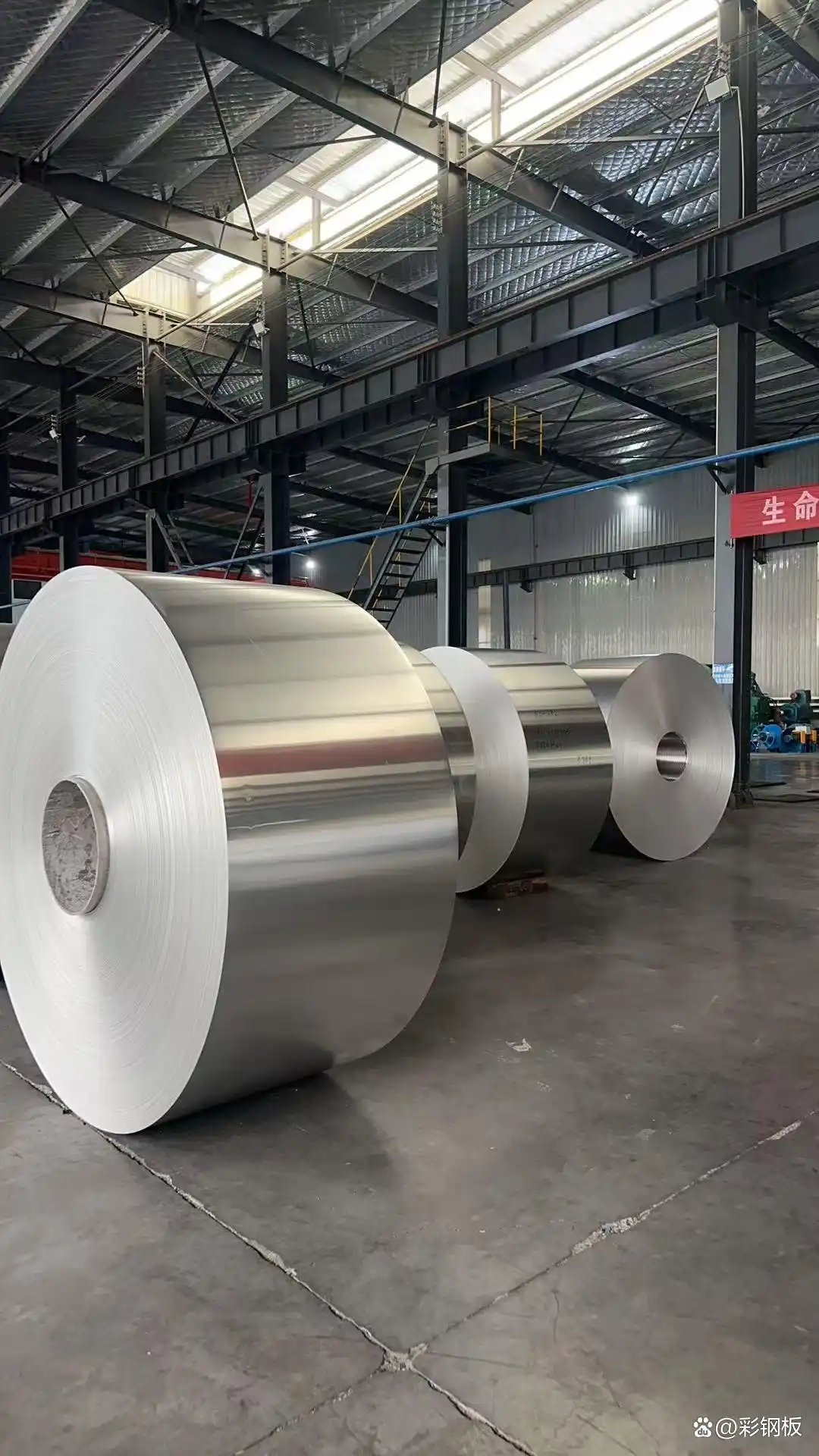
Investigating how global updates in structural codes for commercial facades are expanding the market share of PVDF-coated coils over traditional steel panels.
Addressing the complex technical and commercial inquiries commonly raised by lead design and procurement engineers.
A1: For extensive CNC machining, we advise utilizing the T651 temper (stress-relieved by stretching). Standard T6 tempers contain high residual quenching stresses that trigger severe bending or warping during structural machining. T651 material goes through controlled stretching to neutralize these internal stress planes, ensuring dimensional stability.
A2: Our state-of-the-art hot tandem rolling lines can deliver customized widths up to 3100mm, and lengths up to 12000mm. This ultra-wide capacity eliminates the need for middle welds in marine hulls or storage tanks, enhancing structural integrity and corrosion resistance.
A3: Every batch is dispatched with a formal Material Test Report (MTR) according to EN 10204 3.1. This certificate details the exact chemical composition (Spectrochemical Analysis), tensile strength ($R_m$), yield strength ($R_{p0.2}$), elongation ($A_{50}$), and non-destructive ultrasonic test results.
A4: While both are corrosion-resistant 5xxx series alloys, 5083 possesses higher magnesium content, providing superior tensile strength and weld joint efficiency, making it the standard for structural hull plating. 5052 offers better cold formability and is typically used for internal fuel tanks, marine components, and secondary structures.
Access our industrial-grade catalog supporting global manufacturing lines and processing applications.
Request quotes, verify lead times, or ask for customized physical/chemical property adjustments from our engineering office. Response guaranteed within 24 hours.