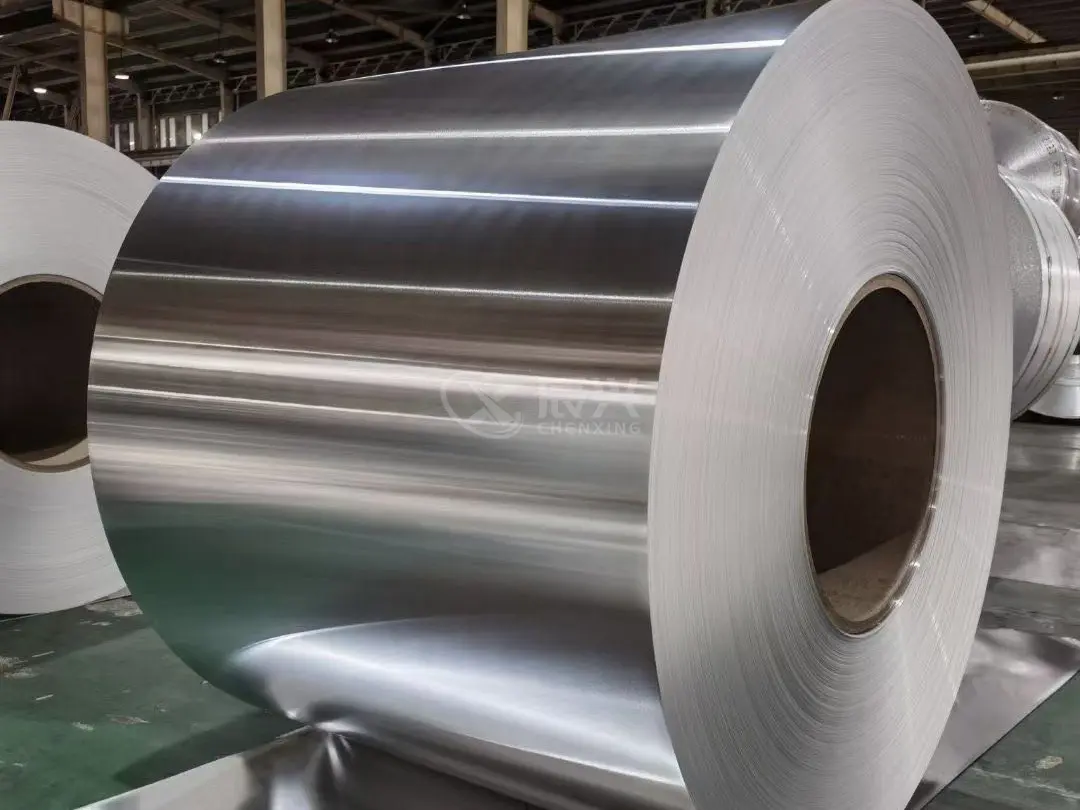

China Aluminum Coil Suppliers - High-Quality Factory Rolls for Various Industries

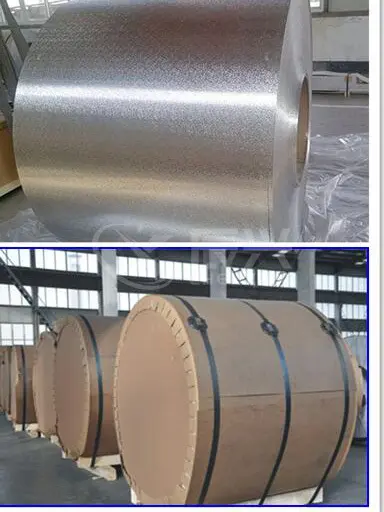
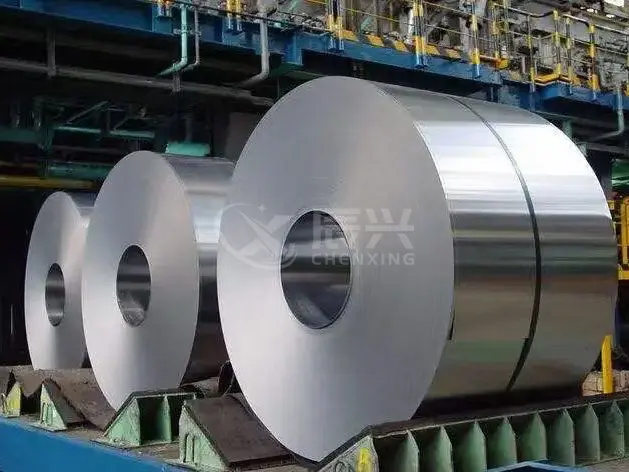
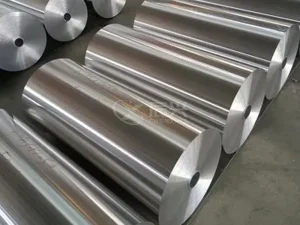
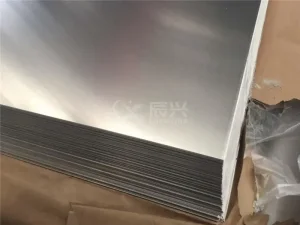
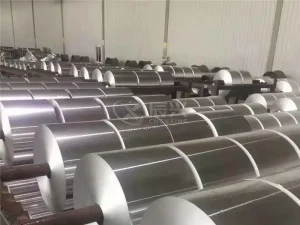
Aluminum Coil is a versatile, continuous rolled aluminum product shaped into coils, renowned for its essential role across multiple industries. This foundational material, produced by leading suppliers in China, boasts superior processing capabilities and outstanding material properties, making it highly adaptable for various applications. Aluminum Coil serves as the primary raw material for manufacturing aluminum sheets, foils, profiles, and numerous stamped or formed parts. Its irreplaceable applications span construction, packaging, automotive, electronics, and more. As a trusted factory, we ensure top-quality Aluminum Coils to meet diverse industry needs efficiently

Product Description

Classification by Alloy Series

Aluminum Coils are categorized into different types based on the alloy composition, each with distinct properties tailored to specific application scenarios. The most commonly used alloy series include:

Alloy Series Key Alloying Elements Core Properties Typical Applications
1000 Series (Pure Aluminum, 1100, 1050, 1060, 1070) Aluminum ≥ 99.0% Excellent corrosion resistance, high thermal/electrical conductivity, good ductility Food packaging, heat exchangers, decorative materials
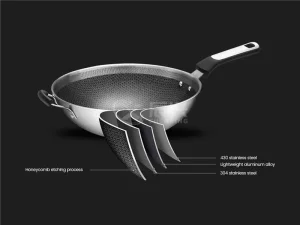
3000 Series (Al-Mn Alloy, 3003, 3004, 3104, 3105) Manganese (1.0%–1.5%) Balanced strength and formability, enhanced corrosion resistance vs pure aluminum Kitchenware, automotive parts, construction panels
5000 Series (Al-Mg Alloy, 5005, 5052, 5754, 5182, 5083) Magnesium (1.0%–5.0%) High strength, superior corrosion resistance (especially seawater), weldable Marine components, pressure vessels, architectural cladding
8000 Series (Al-Li Alloy, 8011, 8006, 8021) Lithium, trace elements Lightweight, high strength-to-weight ratio Aerospace components, high-end automotive parts

Our Specifications

Aluminum Coil specifications are defined by thickness, width, coil weight, and inner diameter, with a wide range of options to meet industrial production needs. The following are typical specification ranges:

  • 📐
    Thickness 0.2mm – 10.0mm (thinner coils ≤ 0.2mm are often called "foil coils")
  • Width 800mm – 2500mm (custom widths available via slitting)
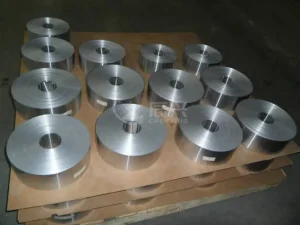
  • Coil Weight 500kg – 5000kg (varies by thickness and width to facilitate handling)
  • Inner Diameter 505mm usual (standard sizes for compatibility with rolling and processing equipment)

Mechanical Properties (Typical Alloy: 3003 Aluminum Coil)

Mechanical properties of Aluminum Coil are significantly influenced by processing temper (heat treatment or cold working state). Taking 3003 alloy (the most widely used aluminum coil material) as an example, its key mechanical indicators are shown in the table below:

Temper Tensile Strength (σb, MPa) Yield Strength (σ0.2, MPa) Elongation (δ, %) Application Note
O (Annealed) 90 – 130 ≤ 40 ≥ 25 Complex forming (deep drawing, stamping)
H14 (Semi-Hard) 130 – 180 110 – 150 ≥ 5 Structural parts with moderate strength
H18 (Full Hard) ≥ 180 ≥ 160 ≥ 3 Load-bearing components without secondary forming

Core Characteristics

⚙️
Efficient Processing The coil form allows continuous production processes such as slitting, stamping, and rolling, reducing material waste and improving production efficiency compared to discrete sheet materials.
🪶
Lightweight Advantage With a density of approximately 2.7g/cm³ (about 1/3 of steel), it reduces the weight of end products, crucial for automotive lightweighting and architectural load reduction.
🛡️
Superior Corrosion Resistance Aluminum naturally forms a dense oxide film on the surface, preventing further oxidation. Alloying elements (e.g., manganese, magnesium) further enhance corrosion resistance for harsh environments.
🔥
Excellent Thermal & Electrical Conductivity Superior to most metals except copper, making it ideal for heat exchangers, radiators, and electrical conductors.
🎨
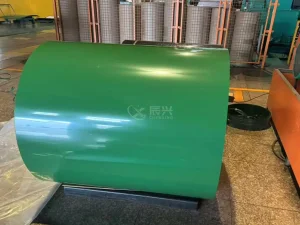
Strong Surface Treatment Adaptability Compatible with anodizing, powder coating, electrophoresis, polishing, and printing, meeting both decorative and functional requirements (e.g., wear resistance, insulation).

Key Application Fields

Industry Specific Applications Preferred Alloy Series
🏗️ Construction Roofing, wall cladding, ceiling panels, decorative strips, window frames 3000 Series, 5000 Series
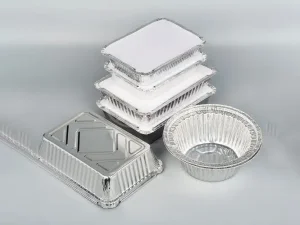
📦 Packaging Food cans, beverage cans, foil containers, flexible packaging (aluminum-plastic composite) 1000 Series, 3000 Series
🚗 Automotive Body panels, heat shields, radiators, interior decorative parts 3000 Series, 5000 Series, 8000 Series
💻 Electronics Heat sinks for electronic devices, capacitor casings, cable sheaths 1000 Series, 3000 Series
🏭 Industrial Equipment Heat exchanger fins, chemical storage tank liners, conveyor belts 3000 Series, 5000 Series

Quality Control & Storage Notes

  • Quality Control Indicators Thickness tolerance (±0.02mm for precision coils), surface quality (no scratches, oil stains, or oxidation spots), flatness (to avoid warping during processing), and mechanical property consistency (batch sampling inspection).
  • 🏛️
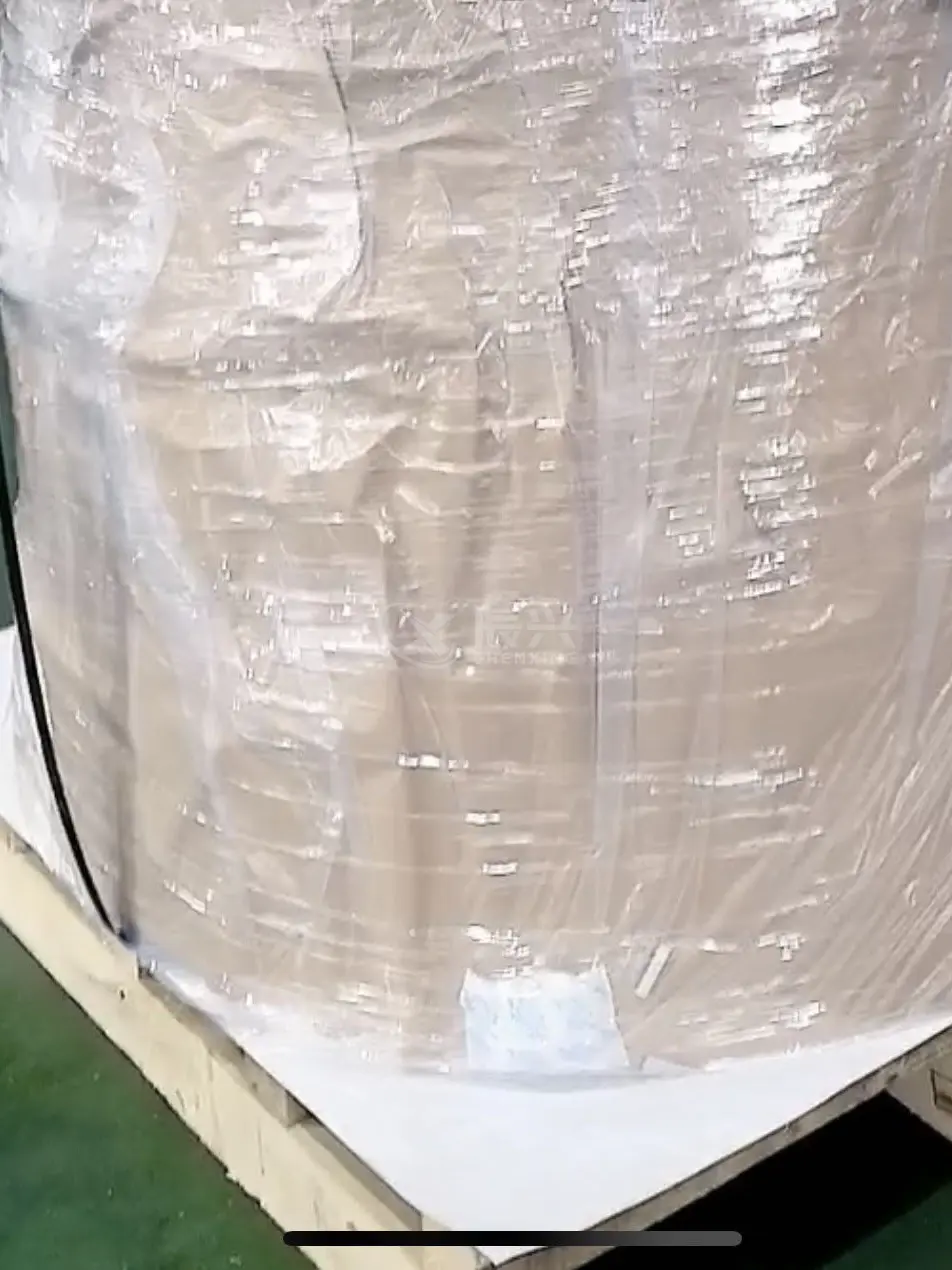
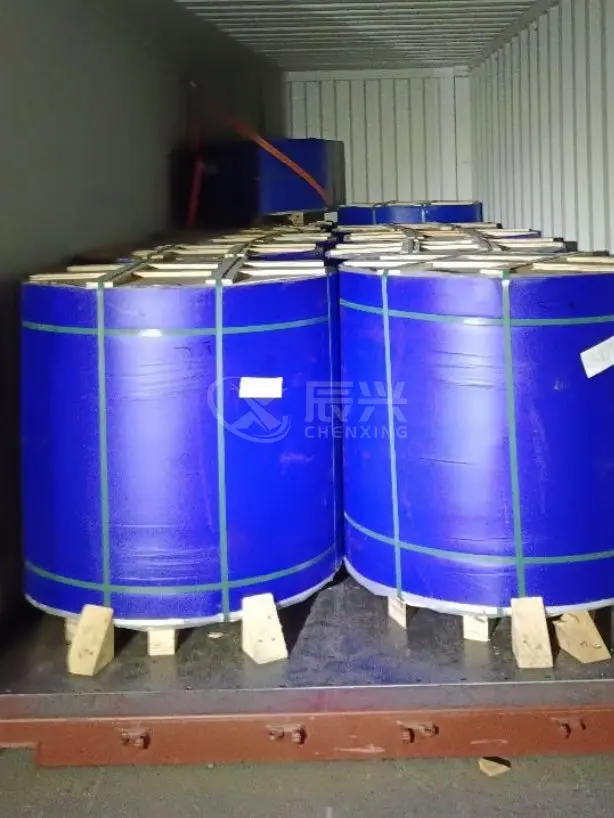
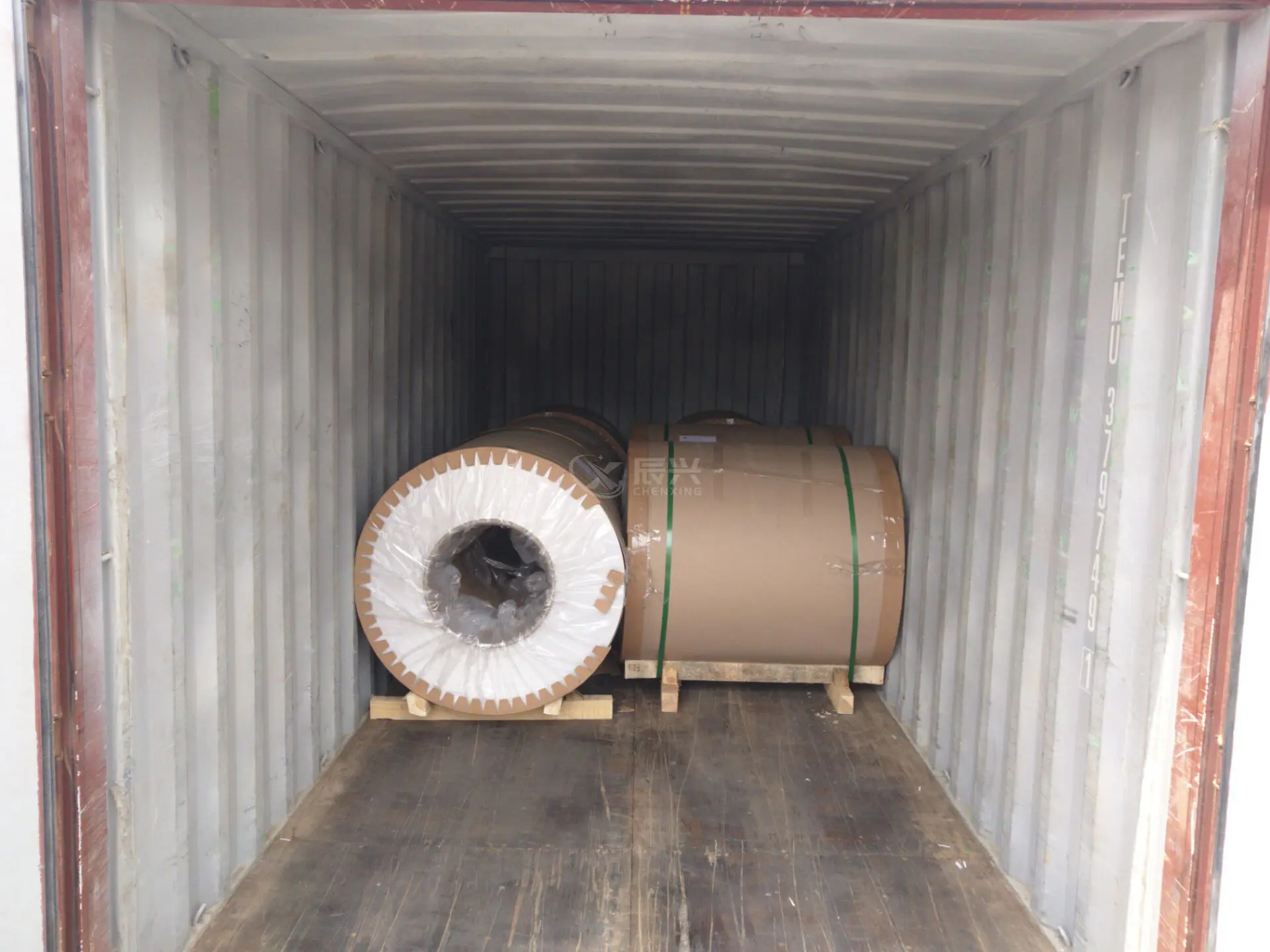
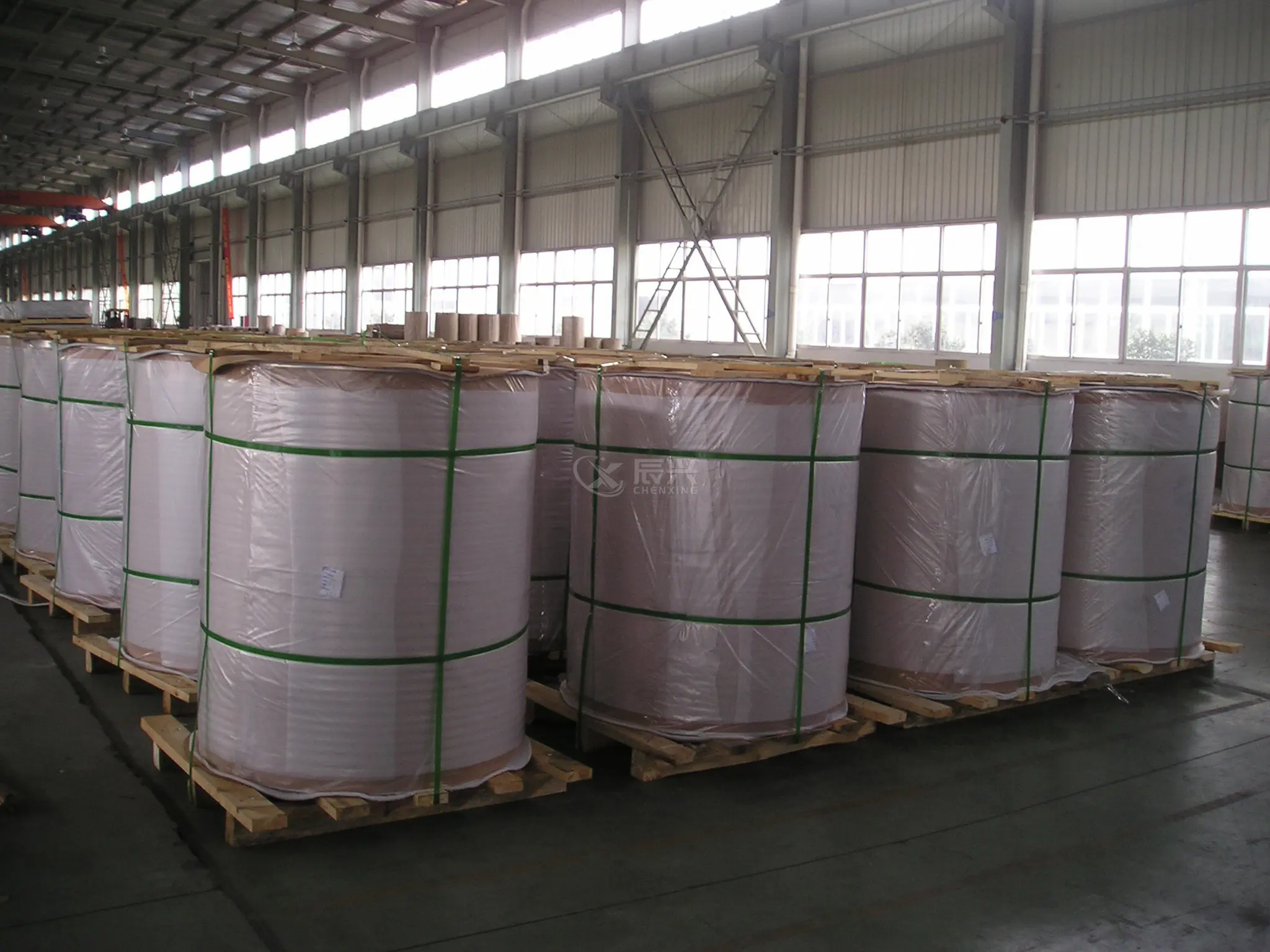
    Storage Recommendations Store in a dry, well-ventilated warehouse to prevent moisture-induced oxidation; place coils on dedicated supports to avoid deformation; avoid direct contact with corrosive substances; cover with waterproof and dustproof materials if stored outdoors temporarily.

Detail Images

Aluminum Coil Detail 1
Detail 1
Aluminum Coil Detail 2
Detail 2
Aluminum Coil Detail 3
Detail 3
Aluminum Coil Detail 4
Detail 4
Aluminum Coil Detail 5
Detail 5
Aluminum Coil Detail 6
Detail 6

Frequently Asked Questions (FAQ)

Q What is the difference between 1000 series and 3000 series aluminum coils?
1000 series aluminum coils are made from pure aluminum (≥ 99.0%) and offer the highest corrosion resistance and electrical/thermal conductivity, making them ideal for food packaging and electrical applications. 3000 series coils contain manganese (1.0%–1.5%), which enhances strength and formability while maintaining good corrosion resistance — better suited for kitchenware, automotive parts, and construction panels.
Q What thickness range is available for aluminum coils?
Our aluminum coils are available in thicknesses ranging from 0.2mm to 10.0mm. Coils with a thickness of 0.2mm or less are typically referred to as "foil coils." Custom thicknesses can be produced based on specific project requirements.
Q Which aluminum coil alloy is best for marine or outdoor environments?
For marine and harsh outdoor environments, 5000 series aluminum coils (e.g., 5052, 5083, 5754) are highly recommended. They contain magnesium (1.0%–5.0%), which provides superior corrosion resistance — especially against seawater — along with high strength and excellent weldability, making them ideal for marine components, pressure vessels, and architectural cladding.
Q What do the temper designations O, H14, and H18 mean for aluminum coils?
These designations refer to the processing state of the aluminum coil: O (Annealed) means fully softened through heat treatment, offering maximum ductility for deep drawing and stamping. H14 (Semi-Hard) is strain-hardened to approximately half the maximum hardness, balancing strength and formability for structural parts. H18 (Full Hard) is fully strain-hardened, providing the highest strength for load-bearing applications that do not require further forming.
Q What surface treatments are available for aluminum coils?
Aluminum coils are compatible with a wide range of surface treatments, including anodizing, powder coating, electrophoresis, mirror polishing, and color printing. These treatments enhance both aesthetic appeal and functional performance — such as improved wear resistance, UV protection, and electrical insulation — making them suitable for architectural, automotive, and electronics applications.
Q How should aluminum coils be stored to maintain quality?
Aluminum coils should be stored in a dry, well-ventilated warehouse to prevent moisture-induced oxidation. They should be placed on dedicated supports to avoid deformation, kept away from direct contact with corrosive substances, and covered with waterproof and dustproof materials if stored outdoors temporarily. Proper storage ensures the coils maintain their surface quality and mechanical properties until use.

Related Products