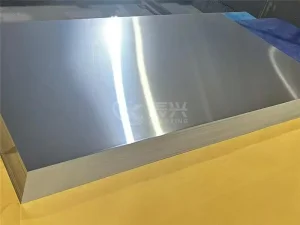
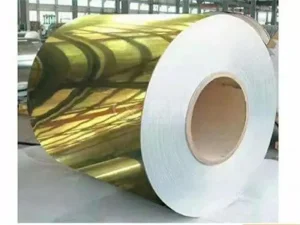
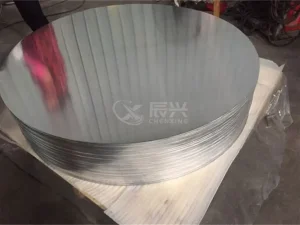
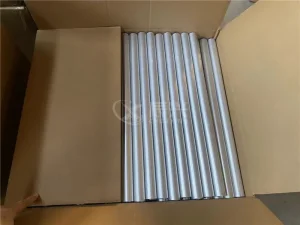
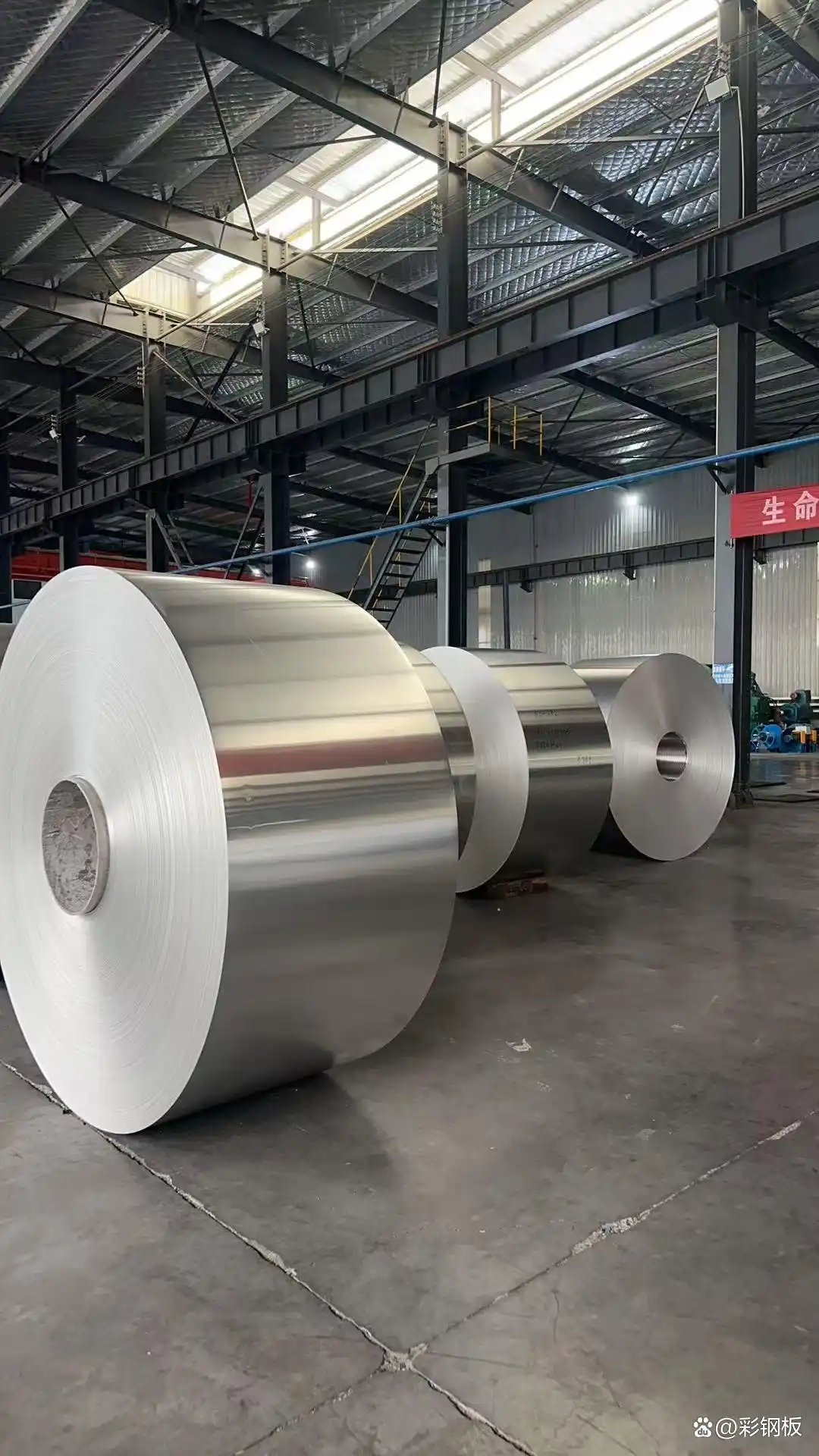
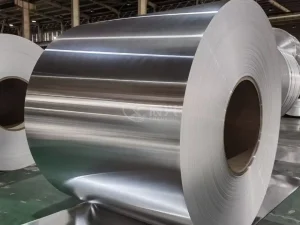
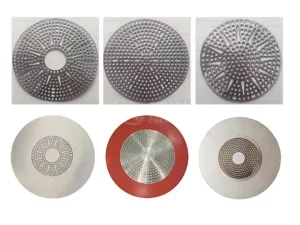
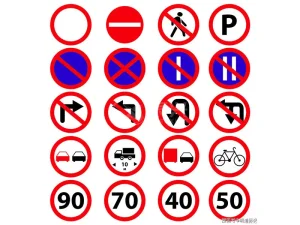
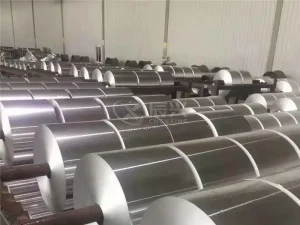
Explore industrial-grade raw aluminum sheets, precision coils, extruded structural components, and high-purity circles. Engineered to meet strict ASTM B209 and EN 485 specifications.
We bridge the gap between metallurgical excellence and global logistics. Benefit from 20+ years of large-scale industrial output and zero-defect quality systems.


The global aluminum flat sheet metal industry is undergoing a structural transition. Sourcing organizations are shifting from transactional spot buying to long-term partnerships with tech-enabled mills. This trend is driven by three main factors: lightweighting in electric vehicles (EVs), decarbonization mandates, and supply chain diversification. As clean energy sectors expand, demand for structural sheet metal (specifically 5xxx and 6xxx series alloys) has surged, creating localized supply challenges and price volatility on the London Metal Exchange (LME).
Industrial procurement managers must look beyond unit price to calculate the Total Cost of Ownership (TCO). Factors such as geometric thickness tolerance (e.g., meeting ±0.02mm tolerances), yield strength consistency, and localized warehousing are critical to avoiding manufacturing downtime. Strategic buyers are partnering with manufacturers that utilize digital thickness monitoring (Automatic Gauge Control - AGC) and offer surface finishes like PE/PVDF coatings or anodization. This level of control reduces scrap rates during high-speed stamping and roll-forming processes.
"Sourcing aluminum flat sheets in today's market requires deep metallurgical alignment. Selecting the right supplier is no longer just about chemistry; it is about verifying their rolling mill technology, quality assurance protocols, and compliance with ASTM and EN standards."
In addition, the implementation of the EU's Carbon Border Adjustment Mechanism (CBAM) and clean manufacturing regulations in the Americas are forcing buyers to verify the carbon footprint of their suppliers. Modern mills are adapting by using renewable energy sources (like hydro-powered smelting) and increasing the ratio of recycled post-industrial scrap. This transition to "Green Aluminum" helps global corporations meet Scope 3 emissions targets while ensuring long-term tariff compliance.
Select the precise metallurgical configuration for your application. Different alloys are designed to balance strength, weight, corrosion resistance, and formability.
| Alloy Series | Key Elements | Tensile Strength (MPa) | Yield Strength (MPa) | Elongation (%) | Key Technical Characteristics & B2B Uses |
|---|---|---|---|---|---|
| 1050 / 1100 | Al ≥ 99.5% / 99.0% | 75 - 115 | 35 - 90 | 20 - 35 | High thermal/electrical conductivity, excellent ductility, and chemical corrosion resistance. Best for cookware, chemical vessels, and reflectors. |
| 3003 | Al-Mn (Manganese) | 110 - 190 | 40 - 145 | 10 - 30 | Moderate strength, excellent formability, and deep drawing capabilities. Widely used for heat exchangers, HVAC systems, and appliance panels. |
| 5052 / 5754 | Al-Mg (Magnesium) | 190 - 290 | 80 - 200 | 12 - 25 | High fatigue strength, weldable, and highly resistant to saltwater corrosion. Standard for marine platforms, fuel tanks, and transport equipment. |
| 6061-T6 | Al-Mg-Si (Silicon) | 290 - 310 | 240 - 275 | 8 - 15 | Heat-treatable structural alloy with high strength-to-weight ratio. Used for heavy structural frames, aerospace panels, and marine components. |
| 8011 | Al-Fe-Si | 80 - 130 | 40 - 100 | 15 - 30 | Excellent barrier properties, formability, and temperature resistance. Standard for pharmaceutical, HVAC ducting, and food packaging. |
China's industrial landscape has transitioned from high-volume assembly to smart, automated factories. Advanced mills are implementing Industry 4.0 paradigms, combining Internet of Things (IoT) sensors, automated guided vehicles (AGVs), and machine-learning feedback loops. These technologies monitor the temperature, speed, and roll-force of rolling mills in real time. This automated control maintains consistent strip profiles across large production batches, directly addressing issues like edge-drop and center-buckle.
Supply chain resilience relies on raw material integration and logistics optimization. Advanced factories combine casting, hot rolling, cold rolling, and surface treatment into a single continuous workflow. This structural integration eliminates intermediate transit and cooling phases, reducing production lead times by up to 30% compared to traditional mills. In addition, integration with deep-water ports like Shanghai, Ningbo, and Qingdao guarantees smooth international transit with real-time customs clearance.
Advanced inspection systems scan metal surfaces at speeds up to 1,200 meters per minute. Using neural networks, these scanners identify and flag micro-defects, pinholes, roll marks, and color variances. This ensures only prime-grade material is packaged for export.
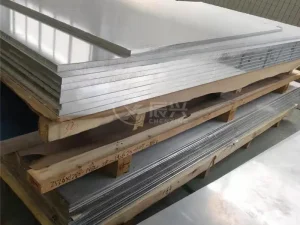
International shipping requires robust protective packaging. Products are wrapped in vapor-corrosion-inhibiting (VCI) film, secured with high-tensile steel straps, and mounted on heat-treated IPPC wooden pallets to prevent oxidation and transport damage.
Our aluminum products are engineered to support demanding structural and commercial applications across diverse industries.

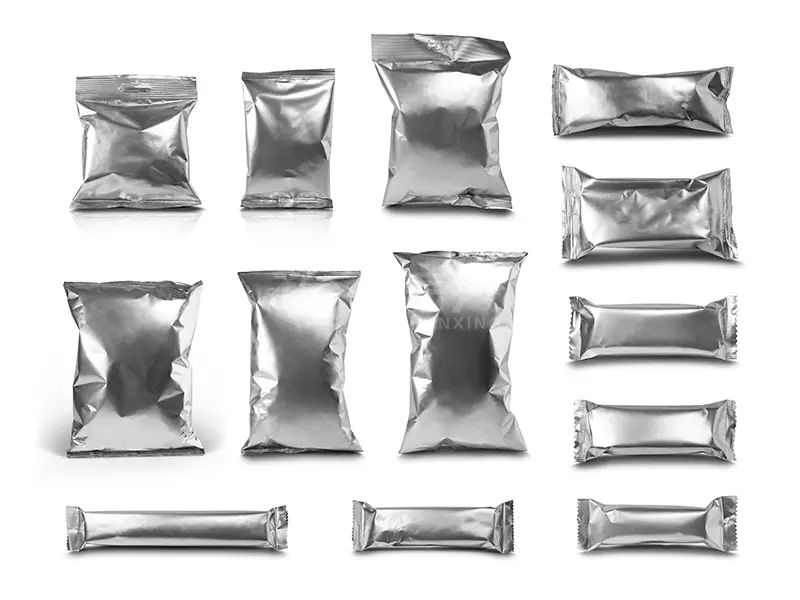


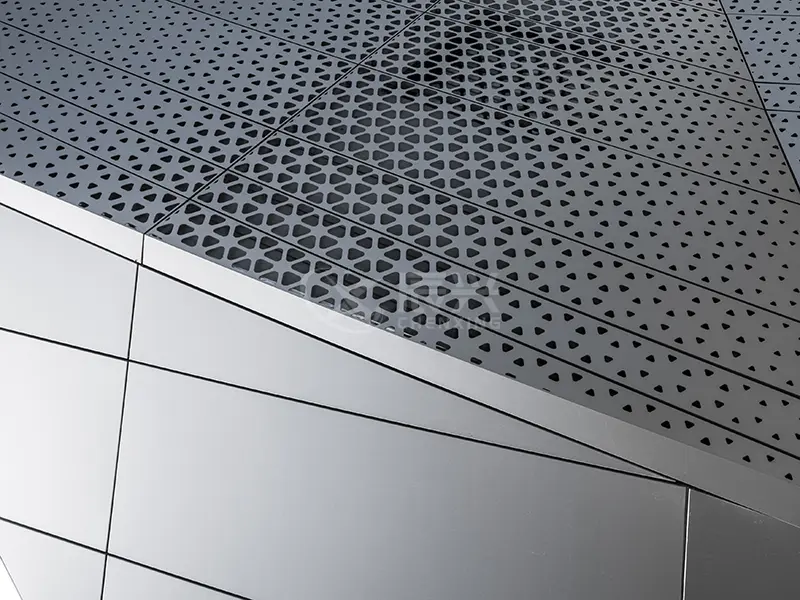

Submit your project specifications, required alloy grades, dimensional tolerances, and estimated order volumes. Our engineering and sales teams will respond with a detailed technical quote within 24 hours.
Stay informed on export shifts, supply chain conditions, energy tariffs, and technical innovations in non-ferrous metallurgy.
Expert answers to critical metallurgical, logistics, and quality assurance questions.
Standard cold-rolled aluminum sheets can retain internal stresses, which may lead to warping, bowing, or twisting during laser cutting, stamping, or machining. Tension-leveling pulls the material beyond its yield limit while under tension, correcting shape defects and leveling the sheet. This process yields a flat, stress-relieved sheet suitable for high-precision CNC routing and architectural fabrication.
High humidity and salt-laden marine air can cause rapid oxidation, resulting in white rust on raw aluminum. To prevent this, our export packing process uses vapor-corrosion-inhibiting (VCI) plastic wrap, desiccant bags, and heavy-duty, waterproof kraft paper. The packaging is secured to IPPC-certified, heat-treated wooden pallets. For mirror or brushed finishes, we apply a protective PE film (ranging from 50 to 100 microns) to shield the surface during transit and handling.
Higher purity alloys like the 1xxx series yield transparent, highly reflective anodized layers due to their low concentration of secondary phases. The 5xxx series (Al-Mg) anodizes well, providing a clear finish and excellent corrosion protection. However, secondary phases can limit optical clarity. 3xxx series alloys containing manganese can develop a yellowish or grayish tint after anodizing, making them more suitable for structural or color-coated applications rather than clear decorative finishes.
Our standard sheets comply with ASTM B209 and EN 485 thickness tolerances. For hot-rolled plates, thickness tolerances typically range between ±0.1mm and ±0.3mm. For cold-rolled sheets, the thickness tolerance is held within ±0.02mm to ±0.05mm. Custom tolerances can be specified at the time of inquiry to ensure compatibility with automatic stamping machines.
Maximize purchasing efficiency by combining shipping containers. Discover our structural profiles, thin-gauge industrial packaging, and processing foils.