China Brushed Aluminum Coil Company, Factories

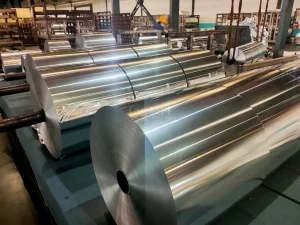
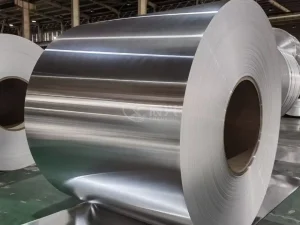
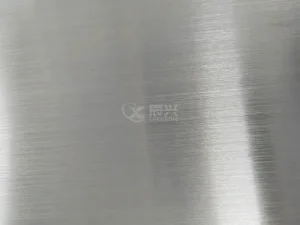
Brushed aluminum coil is a versatile aluminum product crafted by subjecting aluminum coils to a mechanical brushing process, which creates fine, parallel linear textures on the surface. This process not only enhances the aesthetic appeal by eliminating surface defects like scratches and oxidation spots but also improves the material's wear resistance and fingerprint resistance. As a coil-shaped product, it offers continuous length, facilitating efficient processing and large-scale applications. It is widely used in architectural decoration, household appliances, furniture manufacturing, electronic products, and automotive interiors due to its sleek appearance, excellent processability, and cost-effectiveness.

Product Description

Common Types by Brushing Process & Texture

Type Characteristics Typical Applications
Longitudinal Brushing Brush lines run parallel to the length of the coil, uniform and neat, with strong directional sense Household appliance panels, architectural decoration strips, furniture edges
Transverse Brushing Brush lines are perpendicular to the length of the coil, creating a unique visual layering Wall claddings, ceiling panels, decorative screens
Cross Brushing Combination of longitudinal and transverse brushing, forming a fine grid-like texture, strong three-dimensional sense Electronic product casings, high-end furniture panels, decorative signs
Ball-Burnished Brushing Using spherical abrasive tools for brushing, creating a soft, hazy texture with low reflectivity Automotive interiors, lighting fixtures, high-end daily necessities

Key Application Scenarios

Architectural Decoration

Indoor: Wall claddings, ceiling panels, door and window frames, handrails, floor trims, and decorative partitions. The sleek texture enhances the modern sense of space.

Outdoor: Lightweight decorative components, such as building facade trims, canopy edges, and signboard substrates. After anti-corrosion treatment, it can withstand general outdoor environments.

Household Appliances

Panels for refrigerators, air conditioners, washing machines, ovens, and microwave ovens. The fingerprint-resistant and wear-resistant surface is suitable for frequent use.

Inner liners and decorative parts of kitchen appliances (such as range hoods and dishwashers) due to its easy-to-clean property.

Electronics & Communication

Casings and frames for smartphones, tablets, laptops, and audio equipment. The high-end texture improves the product's market competitiveness.

Panels for printers, scanners, and other office equipment, combining aesthetics and durability.

Furniture & Daily Necessities

Furniture components: Table tops, cabinet doors, drawer fronts, and chair frames. The brushed texture adds a sense of quality.

Daily necessities: Cosmetic packaging, gift boxes, lamp shades, and bathroom accessories. The sleek appearance meets consumer aesthetic needs.

Automotive & Transportation

Automotive interiors: Door panels, instrument panel trims, seat rails, and center console decorative parts. Lightweight and wear-resistant.

Interior decoration of trains, ships, and aircraft, where aesthetic appearance and weight reduction are required.

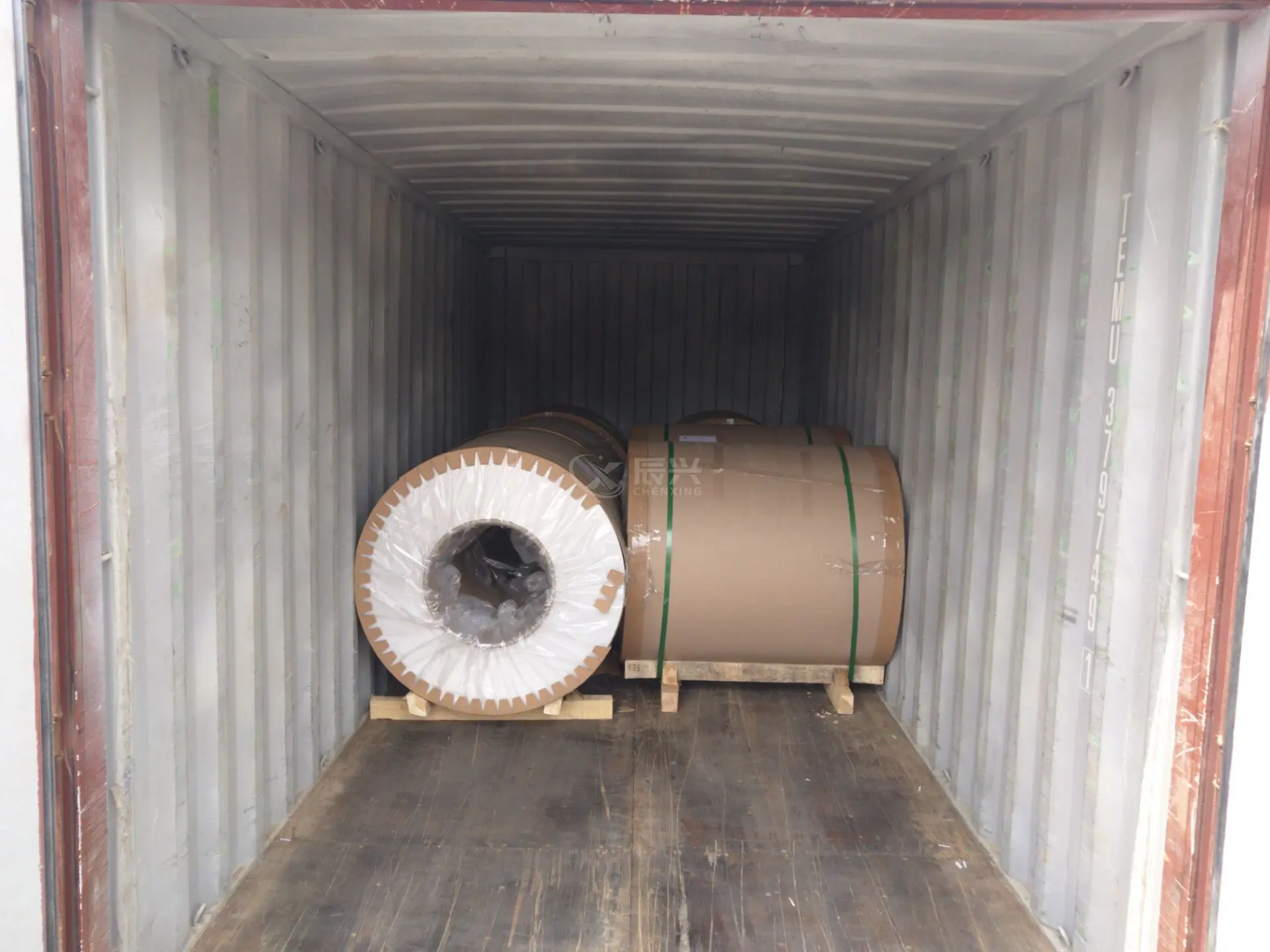
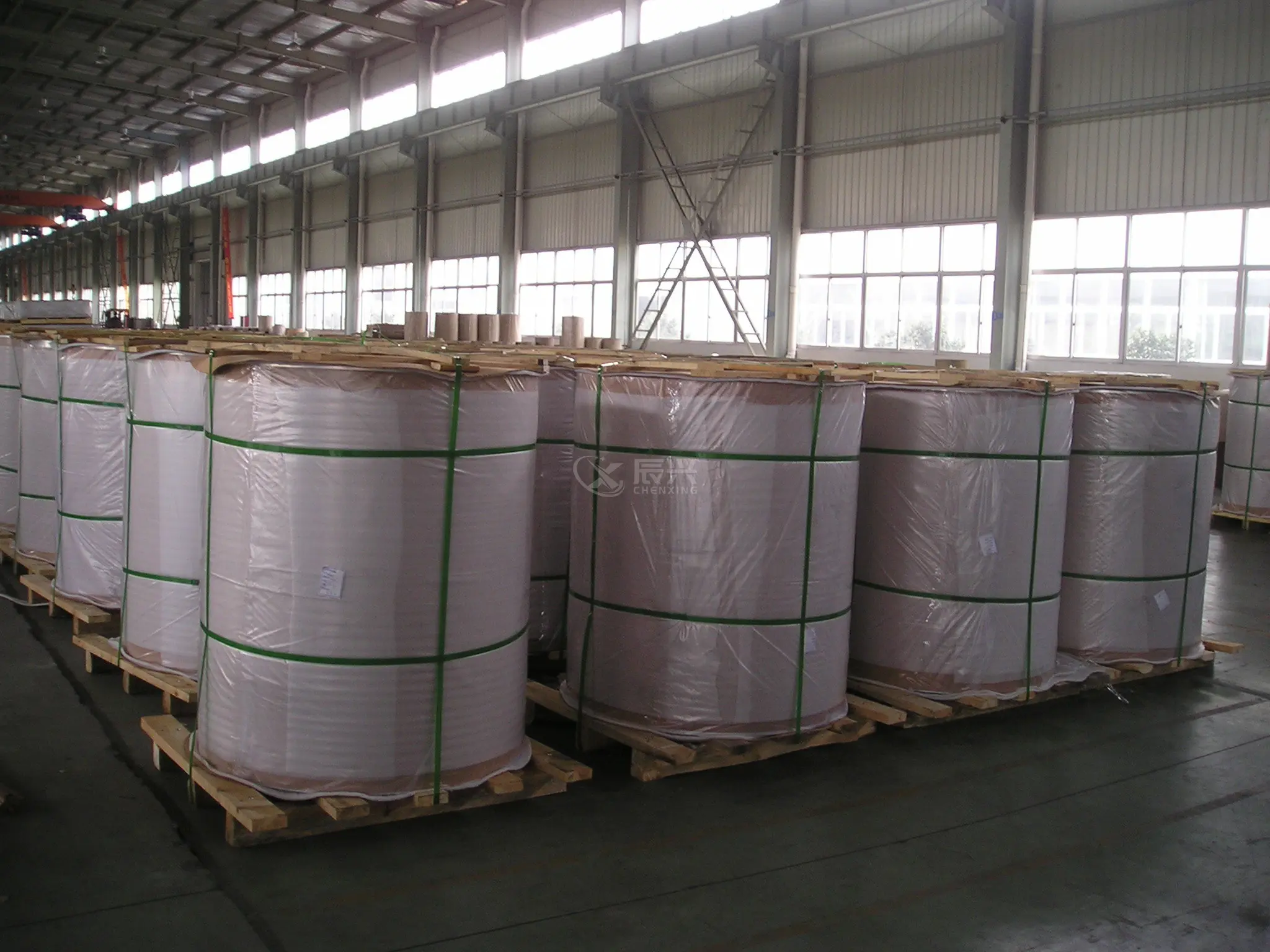
Detail Image

Detail Gallery

Frequently Asked Questions

Q: What is the main purpose of the brushing process on metal surfaces?

The brushing process creates a directional satin texture, reduces reflectivity, covers surface imperfections, and significantly improves the modern aesthetic appeal of the metal panels.

Q: Are brushed metal sheets suitable for outdoor applications?

Yes, but they require appropriate surface treatments, such as anti-corrosion coatings or protective layers, to withstand weather elements in outdoor architectural decoration.

Q: Which brushing style is most popular for consumer electronics?

Cross brushing and longitudinal brushing are highly popular for high-end electronics like phone casings and laptops because of their fine, uniform, and premium three-dimensional appearance.

Q: Are brushed finishes easy to clean?

Yes. Brushed textures, especially those treated with fingerprint-resistant coatings, hide smudge marks and are very easy to wipe down, making them ideal for kitchen appliance panels.

Q: How does longitudinal brushing differ from transverse brushing?

Longitudinal brushing has lines running parallel to the panel length for a sleek, directional look. Transverse brushing lines run perpendicular to the length, creating unique horizontal visual layering.

Q: Does the brushing process affect the material's weight or structural strength?

No, the brushing process only changes the surface texture and appearance. The overall weight, thickness, and inherent mechanical strength of the panel remain intact.
Related Products