
China Aluminum Profiles Supplier - Quality Manufacturing from Experienced Factory for Versatile Applications

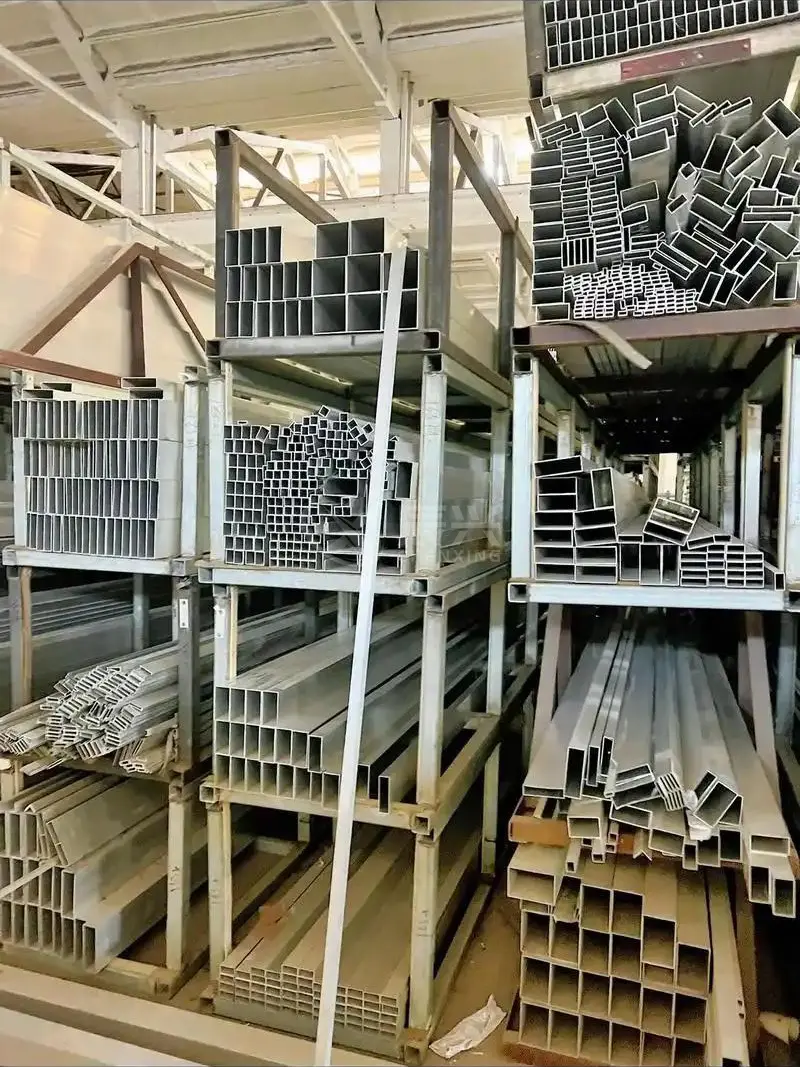
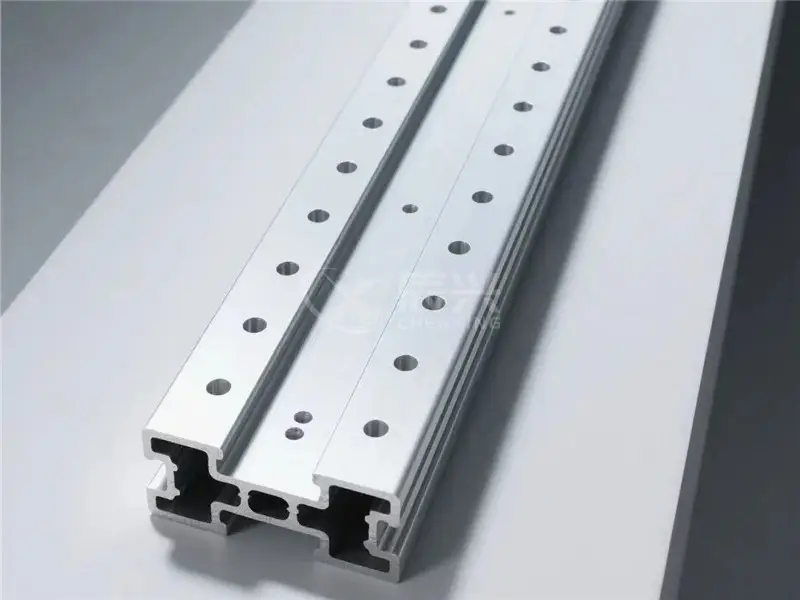
Aluminum profiles are semi-finished products manufactured through the extrusion, drawing, or rolling of aluminum billets, which can be made from pure aluminum or aluminum alloys. These profiles feature fixed cross-sectional shapes and leverage the remarkable properties of aluminum, including its lightweight nature, corrosion resistance, excellent formability, and recyclability. As a key material in contemporary industry and construction, aluminum profiles find extensive applications across various sectors, such as architecture, transportation, machinery manufacturing, electronics, and consumer products. Our factory in China specializes in producing high-quality aluminum profiles, making us one of the leading suppliers in the industry. Whether you need custom shapes tailored to specific applications or standard profiles for your projects, we are committed to delivering exceptional products that meet your requirements

Product Description

📦 Key Specifications

Aluminum profiles are categorized based on cross-sectional shape, processing method, alloy series, and application scenarios, which directly determine their performance and use cases. Detailed classifications are shown in the following table:

Classification Criterion Specific Types Core Characteristics Typical Applications
Cross-Section Shape Solid Profiles (Rods, Bars, Flat Bars) No hollow structure, high structural stability, uniform stress Mechanical shafts, fasteners, machining blanks, decorative trims
Hollow Profiles (Tubes, Pipes) Light weight, high strength-to-weight ratio, material-saving Architectural handrails, heat exchangers, furniture frames, hydraulic pipelines
Standard Shaped Profiles (Angle, Channel, T-Shape, U-Shape) Standardized cross-sections, easy assembly, good load-bearing Structural supports, frame connectors, shelf brackets, construction beams
Custom Special-Shaped Profiles Tailored cross-sections, integrated functions, high design flexibility Automotive parts, curtain wall connectors, electronic enclosures, industrial equipment components
Processing Method Extruded Profiles High production efficiency, diverse shapes (solid/hollow/special-shaped), cost-effective Architectural frames, door/window profiles, consumer product shells
Drawn Profiles High dimensional precision (tolerance ±0.01mm), smooth surface Precision components, medical instruments, hydraulic tubes
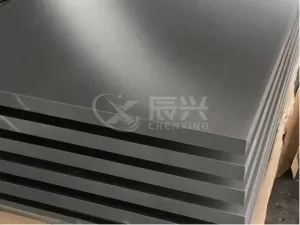
Rolled Profiles Suitable for simple shapes, large batch production, uniform thickness Flat bars, angle bars, wide plates for construction
Alloy Series 1xxx Series (Pure Aluminum) High corrosion resistance, good conductivity/thermal conductivity, low strength Heat sinks, decorative profiles, electrical conductors
3xxx Series (Al-Mn Alloy) Enhanced strength vs. pure aluminum, excellent weldability Architectural handrails, food packaging frames, heat exchange profiles
5xxx Series (Al-Mg Alloy) Superior corrosion resistance (marine-grade), good ductility Marine structures, offshore pipelines, automotive body parts
6xxx Series (Al-Mg-Si Alloy) Heat-treatable, high strength, excellent formability Architectural frames, automotive components, structural supports
7xxx Series (Al-Zn-Mg-Cu Alloy) Ultra-high strength, good fatigue resistance Aerospace components, high-load structural parts, sports equipment
Application Scenario Architectural Profiles Aesthetic appearance, corrosion resistance, easy installation Door/window frames, curtain walls, handrails, ceiling grids
Industrial Profiles High strength, good machinability, functional integration Machinery frames, conveyor components, heat exchanger cores
Transportation Profiles Light weight, high strength, fatigue resistance Automotive frames, railway interior trim, ship hull components, aerospace parts
Consumer Product Profiles Aesthetic design, formability, light weight Furniture frames, sports equipment (bicycle frames), electronic device casings
Frequently Asked Questions
💬 What is the most commonly used aluminum alloy series for architectural profiles?
The 6xxx series (Al-Mg-Si alloy) is the most widely used for architectural applications. It offers an excellent combination of high strength, good formability, and heat-treatability, making it ideal for door/window frames, curtain walls, and structural supports.
💬 What is the difference between extruded and drawn aluminum profiles?
Extruded profiles are produced by pushing heated aluminum billets through a die, allowing for diverse cross-sectional shapes at a lower cost — ideal for architectural frames and consumer products. Drawn profiles are pulled through a die at room temperature, achieving much tighter dimensional tolerances (±0.01mm) and smoother surfaces, making them suitable for precision components and medical instruments.
💬 Which aluminum alloy series is best for marine or offshore environments?
The 5xxx series (Al-Mg alloy) is the top choice for marine and offshore environments due to its superior corrosion resistance, often referred to as "marine-grade" aluminum. It also offers good ductility, making it suitable for ship hulls, offshore pipelines, and automotive body parts exposed to harsh conditions.
💬 Can aluminum profiles be customized into special shapes?
Yes. Custom special-shaped profiles can be manufactured with tailored cross-sections to meet specific design and functional requirements. These profiles offer high design flexibility and are commonly used in automotive parts, curtain wall connectors, electronic enclosures, and industrial equipment components.
💬 What makes 7xxx series aluminum profiles suitable for aerospace applications?
The 7xxx series (Al-Zn-Mg-Cu alloy) delivers ultra-high strength and good fatigue resistance, which are critical requirements for aerospace and high-load structural applications. Despite their high strength, these profiles maintain a relatively low weight, making them ideal for aerospace components and sports equipment.
💬 How do I choose the right aluminum profile type for my project?
Selecting the right aluminum profile depends on four key factors: the required cross-sectional shape (solid, hollow, or special-shaped), the preferred processing method (extruded, drawn, or rolled), the alloy series based on strength and corrosion needs, and the application scenario (architectural, industrial, transportation, or consumer products). Consulting with a professional supplier can help match the optimal profile to your specific requirements.

Related Products