
Access elite raw materials directly from optimized mills, meeting all dimensional tolerances and structural standards.
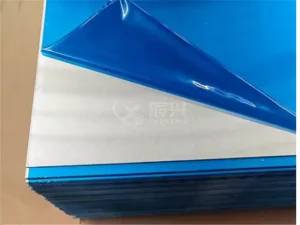
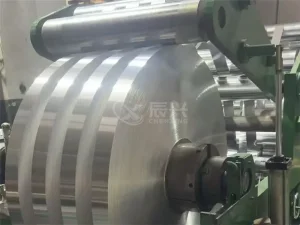
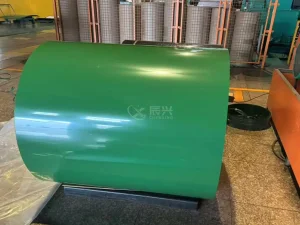
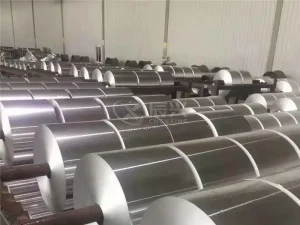
Unifying strict quality management, scale manufacturing capabilities, and responsive logistics frameworks.


Aluminum is one of the most critical structural metals in modern manufacturing, enabling growth in fields from sustainable electric vehicle platforms to aerospace systems. However, global procurement teams face significant volatility in pricing. Understanding the complexities of material cost breakdowns, production processes, and supply chain strategies is essential for building a reliable, cost-effective source of high-quality aluminum sheets.
Aluminum sheet pricing is not a single, flat rate. It is a dynamic system shaped by base metal index fluctuations, fabrication premiums, alloy configuration surcharges, and logistics costs. Sourcing managers must understand these separate factors to properly evaluate quotes from global factories.
Pricing Equation: Final Cost = (LME/SHFE Base Metal Index + Regional Premium) + Fabrication Processing Fee (Rolling/Anodizing/Slitting) + Alloy Chemistry Surcharge + Packing/Shipping Premium.
Chinese factories are a major force in the global aluminum processing market, producing more than half of the world's flat-rolled products. This leadership is built on advanced technology, highly integrated supply chains, and optimized production scales.
Top-tier Chinese factories operate in specialized industrial zones alongside raw bauxite refiners, smelting plants, rolling mills, and surface treatment facilities. This close proximity reduces local shipping costs and shortens production lead times.
By moving from traditional Direct Chill (DC) casting to high-efficiency Continuous Casting (CC), modern mills bypass reheat steps, reducing energy consumption by up to 35%. This process produces high-quality sheets suitable for deep drawing, anodizing, and structural fabrication.
Leading Chinese mills use automated thickness systems (AGC) and online shape-meters to maintain precise dimensional tolerances (+/-0.02mm). Backed by ISO 9001 and IATF 16949 certifications, these factories provide full tracing reports and resolve quality issues using the structured 8D response framework.
Selecting the correct alloy chemical composition and heat treatment is essential to avoid structural failures and control costs. Below are the key characteristics of widely used industrial alloys:
Made of 99% or higher pure aluminum, these alloys offer excellent electrical and thermal conductivity, high corrosion resistance, and easy workability. They are commonly used in heat exchangers, chemical storage systems, and electrical busbars.
The addition of manganese increases strength by about 20% over 1xxx alloys while maintaining excellent workability. These alloys are highly suited for deep-drawing, making them the standard choice for cookware, HVAC systems, and vehicle heat shields.
Adding magnesium makes these alloys strong and highly resistant to saltwater corrosion. They are widely used in marine decks, pressure vessels, and automotive body panels.
These structural alloys are heat-treatable, easy to weld, and offer excellent mechanical strength. They are commonly used in structural frames, heavy machinery, and architectural profiles.
The global aluminum industry is shifting toward more sustainable and digitized production methods. Procurement teams must adapt to these changes to keep their supply chains resilient and compliant with new environmental policies.
How our customized aluminum alloys serve key global industries.

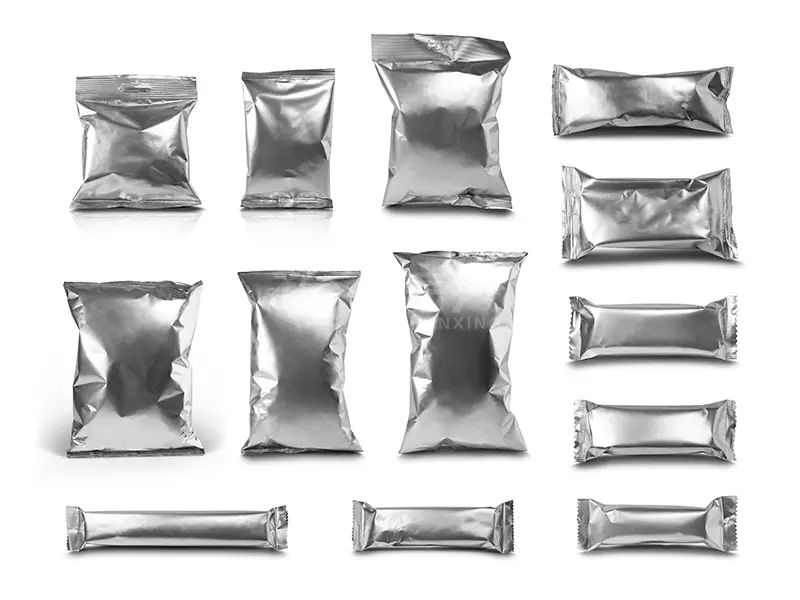


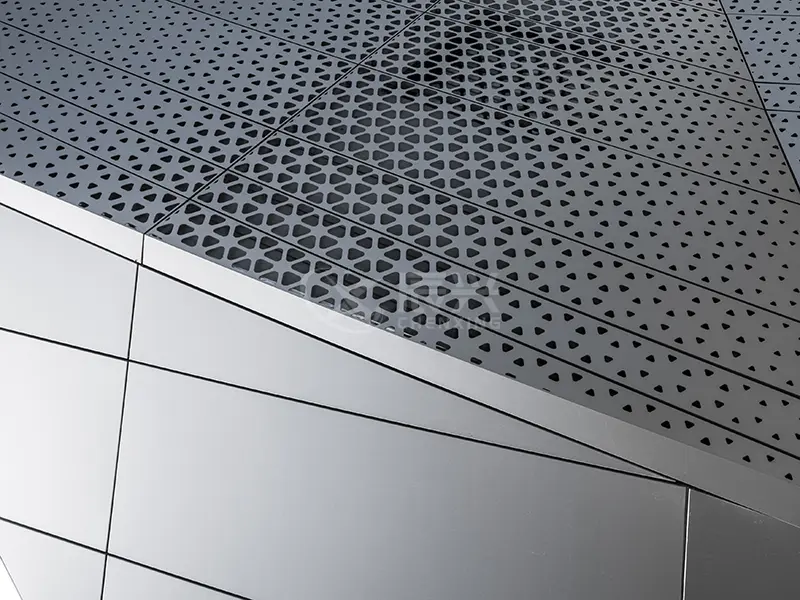

Explore our specialized alloys, coils, and panels optimized for demanding structural environments.


For inquiries about our specialized industrial alloys, thickness tolerances, customized slitting, or volume-tiered pricelists, please connect with our technical engineers. We will provide a formal response within 24 hours.
Get Quote NowAnalyzing direct metallurgical intelligence, market forecasts, and technology upgrades.
Clear answers to common questions about technical sourcing, pricing structures, and order logistics.
For standard specifications (like 1xxx, 3xxx, or 5xxx alloys in common tempers), lead times range from 15 to 25 days. Customized dimensions, surface treatments like anodizing, or specialized aerospace grades typically require 30 to 45 days for production, quality testing, and packing.
We use advanced rolling mills equipped with Automatic Gauge Control (AGC) systems and online flatness measuring devices. These systems allow us to maintain precise tolerances within +/-0.02mm for cold-rolled sheets, meeting standards like ASTM B209 and EN 485.
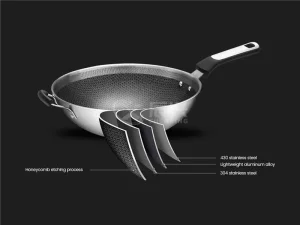
Alloy 3003 (specifically in tempers like O or H14) is the industry standard for deep-drawing due to its excellent ductility, strength, and resistance to corrosion. For high-end cookware, we also produce 3-ply clad sheets that combine aluminum with stainless steel for optimized induction heating.
We offer flexible trade terms, including FOB, CIF, CFR, and DDP. Standard payment options include Letter of Credit (L/C) at sight or T/T with a deposit, and we provide clear price transparency based on real-time LME indexes.