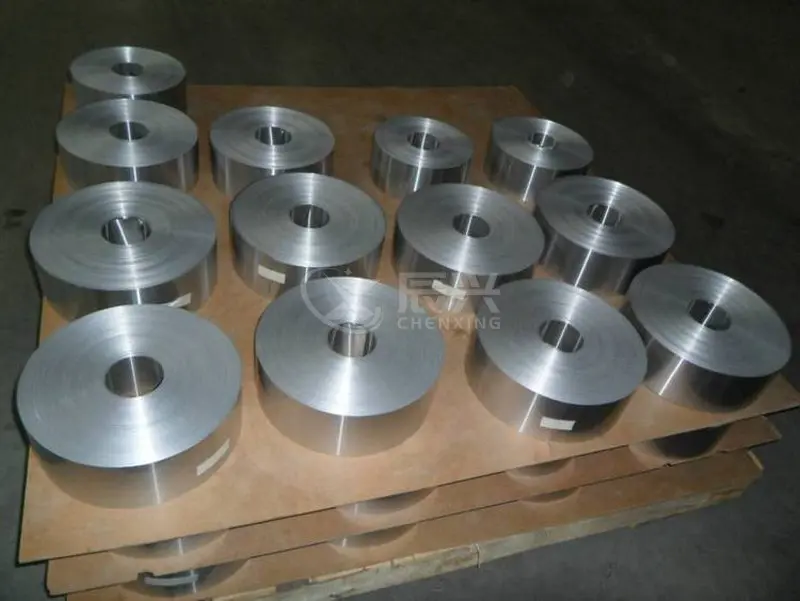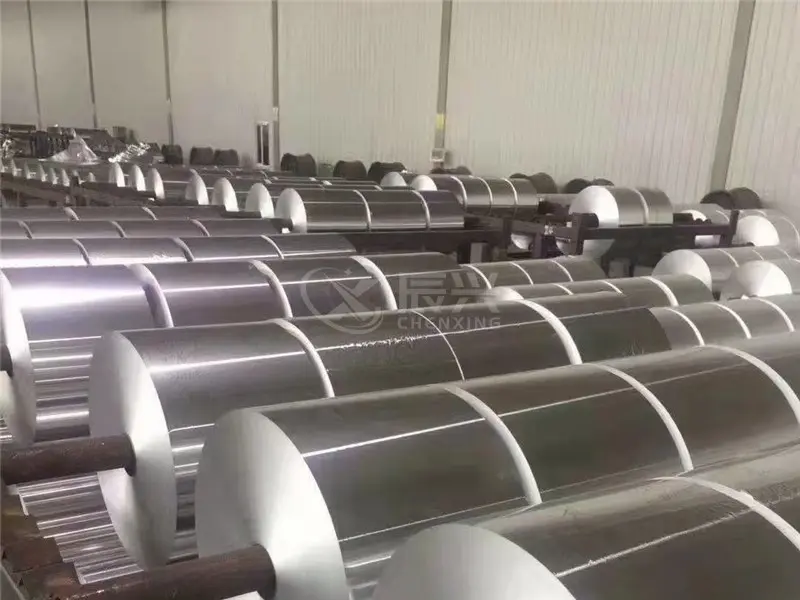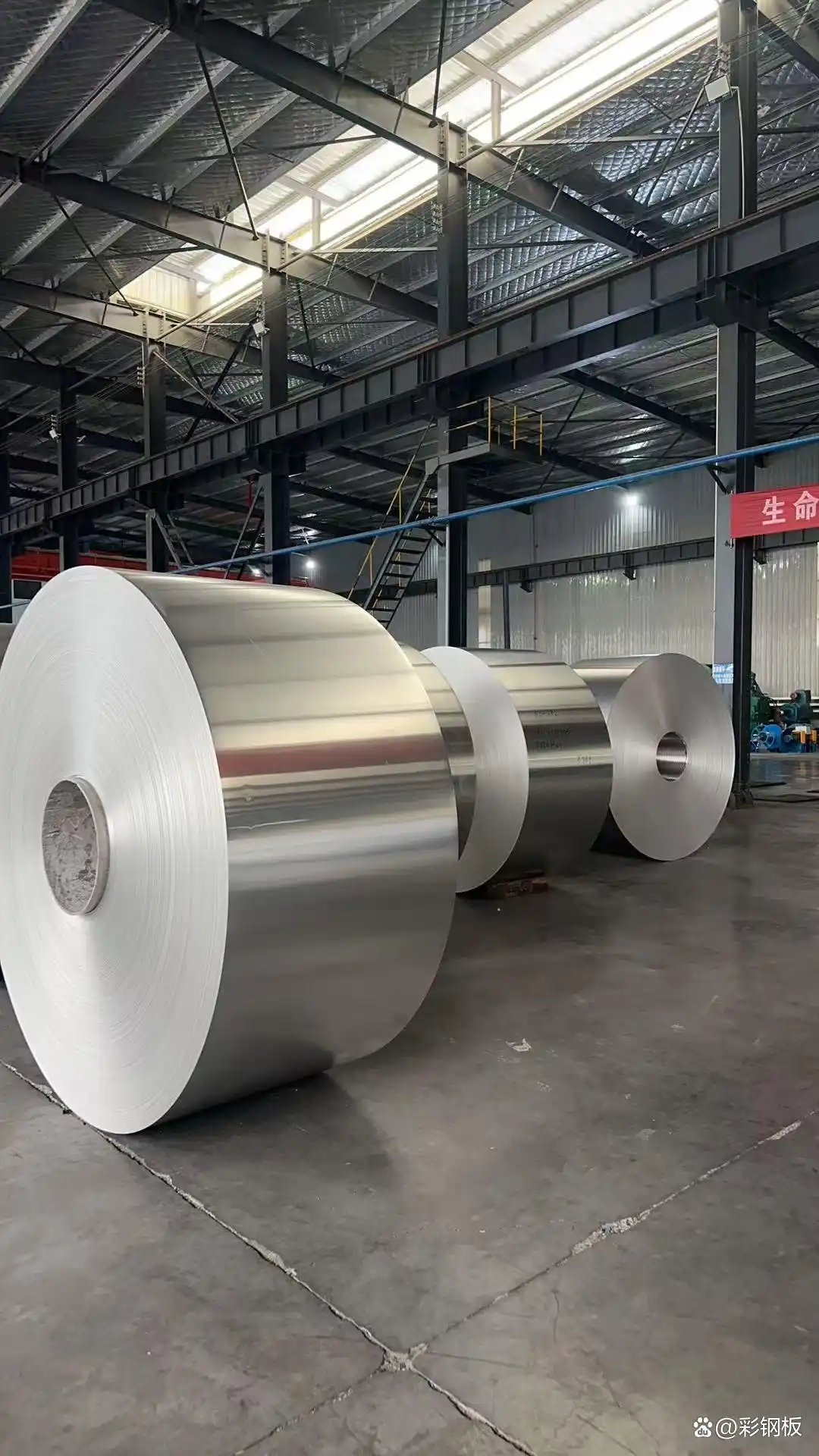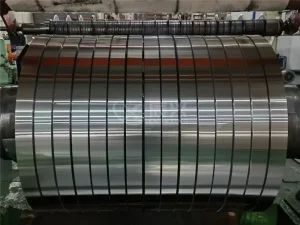
Direct factory supply with strict quality assurance, high surface finish, and precision tolerance calibration.
Backed by two decades of excellence, our precision mills serve top-tier global supply chains with uncompromised quality.
Continuous refinement of rolling mill procedures, heat treatment processes, and quality control systems.
Serving global markets including North America, Europe, Southeast Asia, and the Middle East with certified logistics.

Real-time mechanical verification and spectral material analysis for complete batch traceability.

Instant structural engineering consulting and fast resolution processes aligned with global standard operating procedures.
The global aluminum trade is undergoing a paradigm shift towards low-carbon footprints, higher precision requirements, and vertical supply chain integration. Sourcing from top-tier aluminum factories requires a comprehensive understanding of alloy specifications, mechanical attributes, and post-rolling surface modifications. This guide compiles vital procurement considerations to optimize the purchasing cycle for industrial buyers looking to work directly with major aluminum plants.
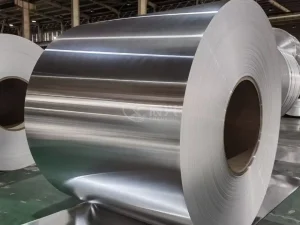
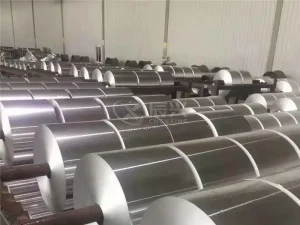
Strategic purchasing of raw aluminum (ranging from high-purity ingots to engineered coils and sheets) relies on regional manufacturing clusters. The largest modern rolling mills specialize in custom chemical composition limits (Fe, Si, Cu, Mn, Mg, Cr, and Zn distribution) to target specific structural temper states (O, H14, H24, H32, T6, T651). By purchasing directly from leading hubs, buyers gain access to advanced equipment like 4-High reversing cold rolling mills, tension-leveling lines, and automated continuous coating ovens.
Typical catalog lists lack the metallurgical depth required for modern aerospace, automotive battery, and building construction compliance. This whitepaper incorporates actual industry specifications, mechanical property considerations, and dynamic logistics guidelines to ensure procurement managers make data-backed sourcing decisions.
| Alloy Series | Primary Temper Options | Common Applications | Tensile Strength (MPa) |
|---|---|---|---|
| 1xxx (e.g., 1050, 1060) | O, H14, H18, H24 | Power transformers, deep drawing utensils, foils | 60 - 150 |
| 3xxx (e.g., 3003, 3105) | O, H14, H24 | Coated color coils, heat exchangers, AC ducting | 110 - 200 |
| 5xxx (e.g., 5052, 5083) | O, H32, H112, H116 | Marine decking, pressure vessels, fuel tanks | 190 - 340 |
| 6xxx (e.g., 6061, 6082) | T4, T6, T651 | Aerospace structures, vehicle frames, CNC components | 260 - 310 |
| 8xxx (e.g., 8011, 8021) | O, H18 | Lithium battery current collectors, pharma packaging | 80 - 160 |
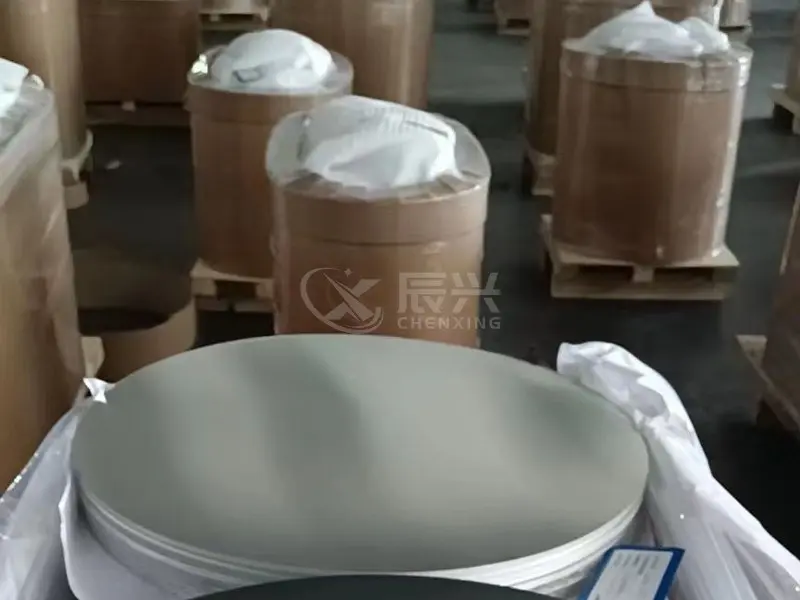
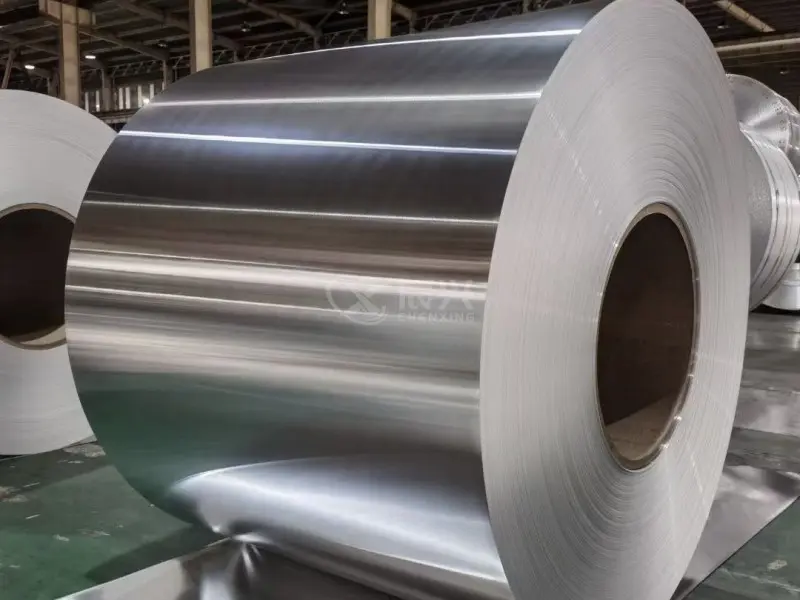
Explore our full line of non-ferrous rolled, drawn, and coated products designed to satisfy precise mechanical demands.
How our advanced aluminum configurations meet the mechanical stress, environmental, and thermal needs of global sectors.
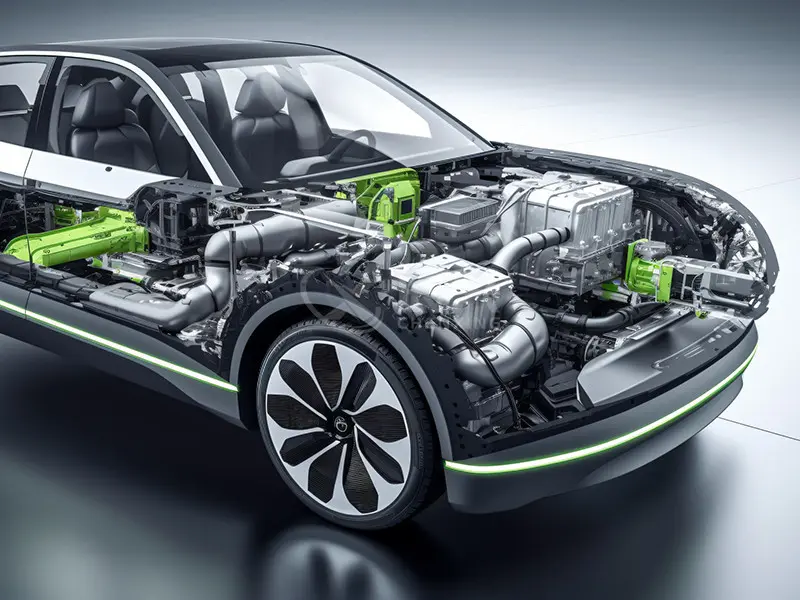
Providing high-strength 5083 H116 sheets and extruded profiles for marine hulls, lightweight trailer structures, and railway transport modules. Optimizes fuel economy and prevents saline corrosion.
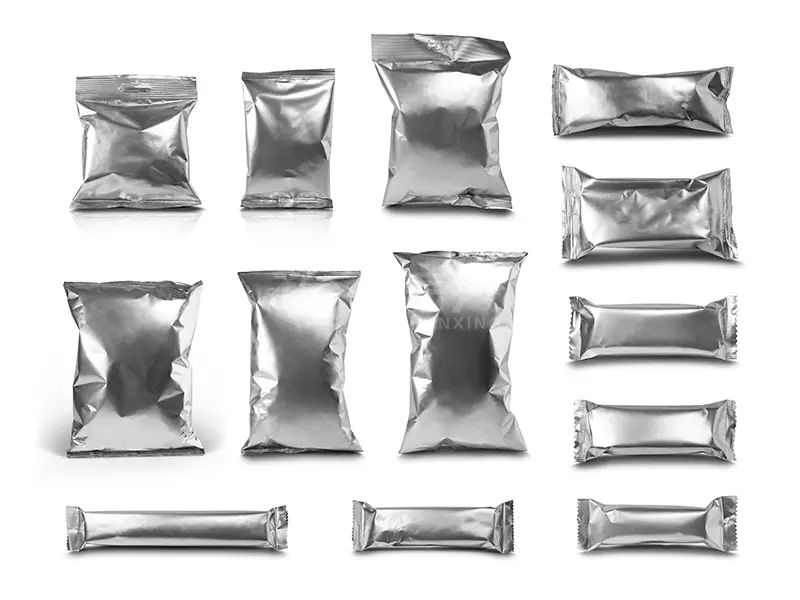
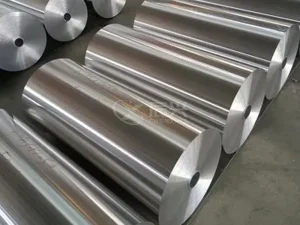
Sterile 8011 blister packaging foil, high-barrier pouch laminates, and food-grade containers. Delivers robust gas, light, and moisture barrier properties to extend product shelf life.

Ultra-thin current collector foil for EV lithium-ion batteries. Engineered with optimized surface roughness and tensile properties to withstand rapid charge-discharge stresses.

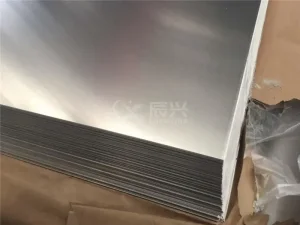
High-strength 2xxx and 7xxx series plate supply. Advanced heat treatments prevent micro-crack propagation under cryogenic conditions and cyclic structural stresses.
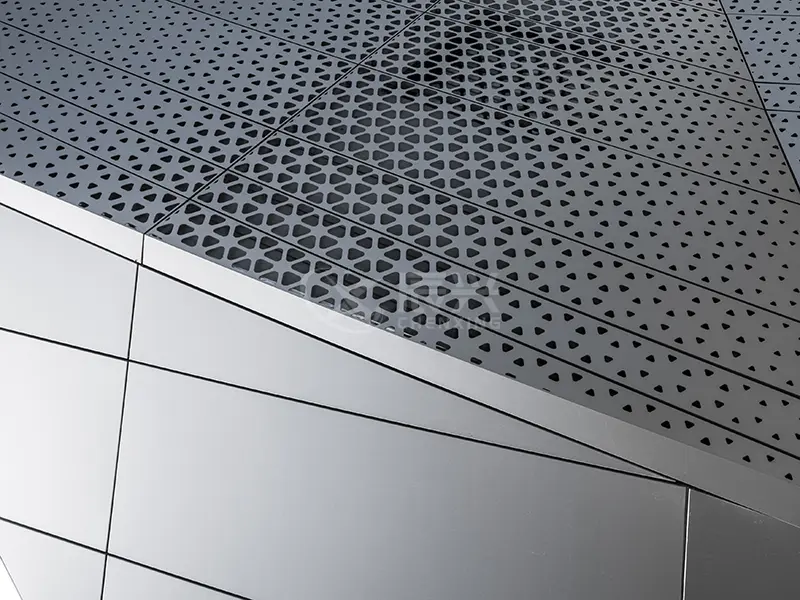
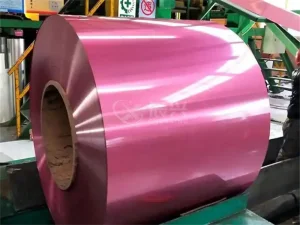
Polyester-coated and PVDF-painted aluminum coils for architectural cladding, roofing panels, and corner bead reinforcements. Resists heavy weather degradation and UV exposure.

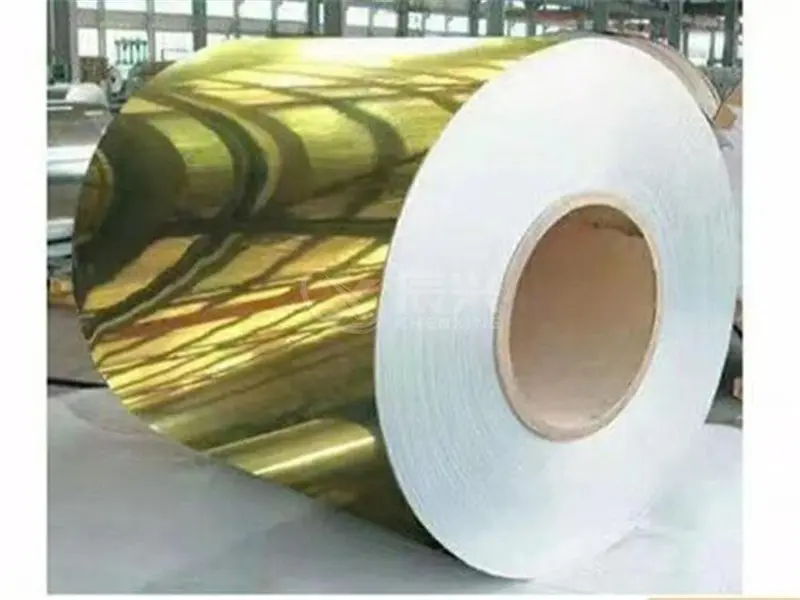
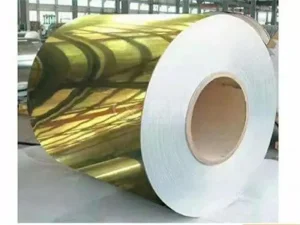
High-reflectivity mirror coils and brushed panels. Perfectly combines clean aesthetics with thermal dispersion efficiency for consumer cooling systems and lighting reflectors.
The global transition to a low-carbon economy forces manufacturers to re-evaluate their supply chains. Leading factories have invested extensively in reducing carbon intensity and refining cold-rolling performance. Here is a breakdown of our current technological development trajectory and the future prospects of aluminum processing:
Deploying inert anode technology and running smelters on hydropower reduces the scope 1 and 2 carbon emissions of virgin aluminum ingots from a global average of 16t CO2/t Al down to less than 4t CO2/t Al. This carbon intensity reduction is vital for European and North American buyers managing CBAM compliance and Scope 3 supply chain declarations.
Maintaining gauge precision of +/- 1% across high-width runs requires modern flat-rolled equipment. Applying automatic gauge control (AGC) and automatic flatness control (AFC) systems ensures thickness variations on thin-gauge battery foil (as thin as 9 micrometers) remain within minimal tolerances.
Advanced roll-coating lines allow factories to apply PVDF (polyvinylidene fluoride) and FEVE coatings online. These coatings provide decades of UV and corrosion protection for outdoor facades. In automotive applications, chrome-free chemical pretreatment lines prepare structural alloy sheets for adhesive bonding and paint systems.
Our raw material sourcing and manufacturing parameters are strictly aligned with international testing bodies, including EN 485 (Europe), ASTM B209 (United States), and JIS H4000 (Japan). Certified QA systems guarantee consistent yield-to-tensile ratios across all shipped lots.
Get answers to the most common metallurgical, logistics, and quality questions from industrial sourcing managers.
For inquiries about our products, global supply chain capabilities, or custom pricing, please contact us. Our technical support team will reply within 24 hours.
Submit Inquiry NowKeep up to date with the latest technological developments and structural shifts in global aluminum manufacturing.
Precision-manufactured products compliant with global structural and industrial requirements.