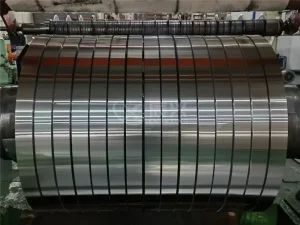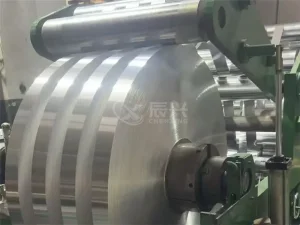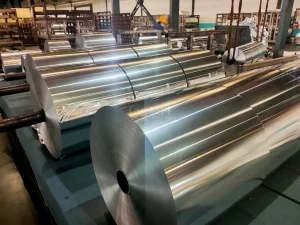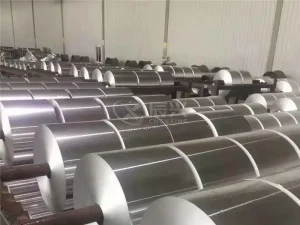
Discover our primary selection of precision-slit aluminum strips, designed for mechanical durability, surface aesthetics, and structural integrity across New York commercial projects.
Decades of manufacturing expertise backed by strict quality controls and global logistical support to serve regional distributors and fabrication facilities in New York.


New York is a critical hub for high-technology engineering, dynamic construction, aerospace development, and electronics manufacturing. Across upstate manufacturing corridors in Rochester, Syracuse, and Buffalo, to the massive structural facades designed in metropolitan Long Island and Manhattan, high-quality non-ferrous metals are indispensable. Aluminum strips, known for their outstanding strength-to-weight ratio, structural formability, and superior electrical conductivity, represent a critical commodity for these industries.
In municipal developments, structural requirements demand compliance with tight structural tolerances and localized safety codes. As New York moves toward sustainable construction and energy-efficient building regulations under the Climate Leadership and Community Protection Act (CLCPA), engineers are shifting to highly recyclable aluminum components. The structural integrity of building envelopes, heating ventilation and air conditioning (HVAC) systems, and electrical busbars depend on reliable aluminum slitting services that deliver consistent mechanical attributes batch after batch.
"Through deep collaborations with local architectural fabricators and tier-one infrastructure suppliers, we align our metallurgical processes with ASTM standards to assure that our shipments to New York ports undergo extensive testing for tensile strength, elongation, and grain refinement."
Global procurement directors face the continuous challenge of balancing supply security with price efficiency. Sourcing directly from advanced Chinese production facilities presents unmatched economies of scale, state-of-the-art cold-rolling machinery, and comprehensive alloy ranges. Our manufacturing plants possess advanced tension-leveling and slitting equipment capable of producing burr-free edges down to tight millimeter tolerances.
To integrate this direct-from-factory pricing with local operations, we maintain streamlined logistics frameworks. Standard shipments enter the United States through major North American gateways, including the Port of New York and New Jersey, with local drayage and customs clearance executed efficiently. This dual-supply chain system ensures that New York distributors benefit from factory-direct cost structures while maintaining predictable inventory levels, supported by local warehouses for Just-In-Time (JIT) manufacturing.
We supply a diverse range of aluminum alloys custom-tailored for specific mechanical and structural environments in New York's primary industrial sectors:
| Alloy Series | Common Tempers | Thickness (mm) | Width Range (mm) | Primary Applications in NY Industries |
|---|---|---|---|---|
| 1000 Series (1050, 1060, 1100) | O, H14, H18, H24 | 0.10 - 3.00 | 8.0 - 1250 | Transformer windings, HVAC fins, lighting reflectors, chemical containers. |
| 3000 Series (3003, 3004, 3105) | O, H14, H24, H16 | 0.15 - 3.50 | 10.0 - 1300 | Heat exchangers, piping insulation wrap, structural panels, automotive components. |
| 5000 Series (5052, 5754, 5083) | O, H32, H34, H111 | 0.20 - 4.00 | 15.0 - 1350 | Marine environments (Hudson River/Atlantic shipyards), chemical process piping, structural sheets. |
| 6000 Series (6061, 6063, 6082) | T4, T6, T651 | 0.50 - 6.00 | 20.0 - 1400 | Architectural frames, load-bearing infrastructure, aerospace bracket components. |
| 7000 Series (7075, 7475) | T6, T651 | 1.00 - 8.00 | 30.0 - 1200 | High-stress aerospace structures, mold manufacture, military-grade hardware. |
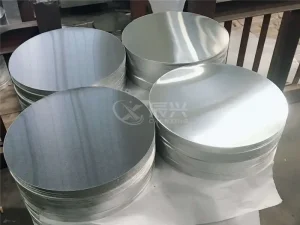
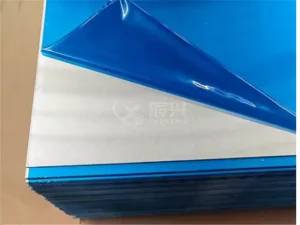
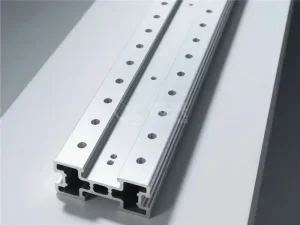
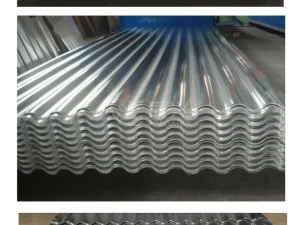
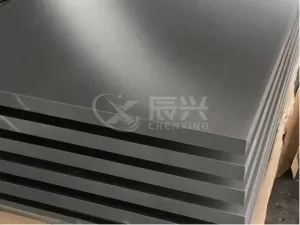
We maintain diverse production lines for specific architectural extrusions and heavy structural sheets to provide complete material solutions.
Providing reliable material performance across diverse application scenarios from consumer packaging to structural aerospace frames.

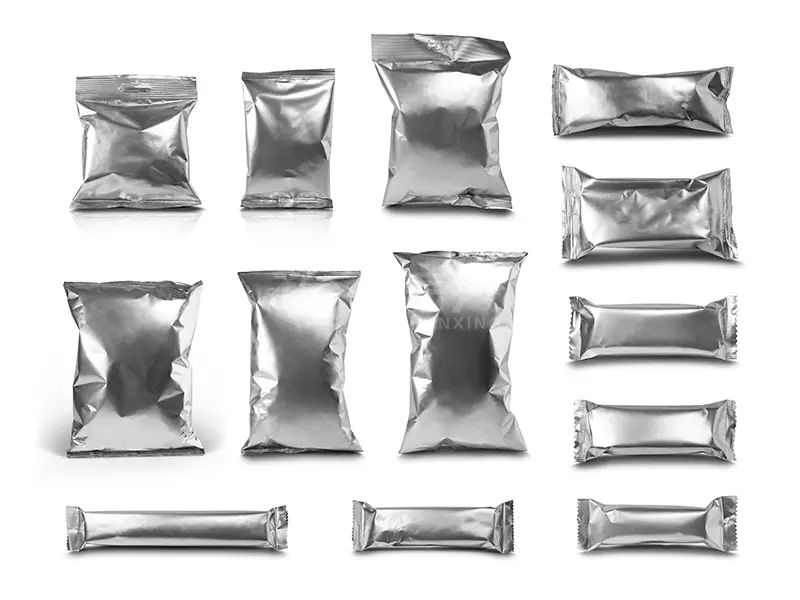


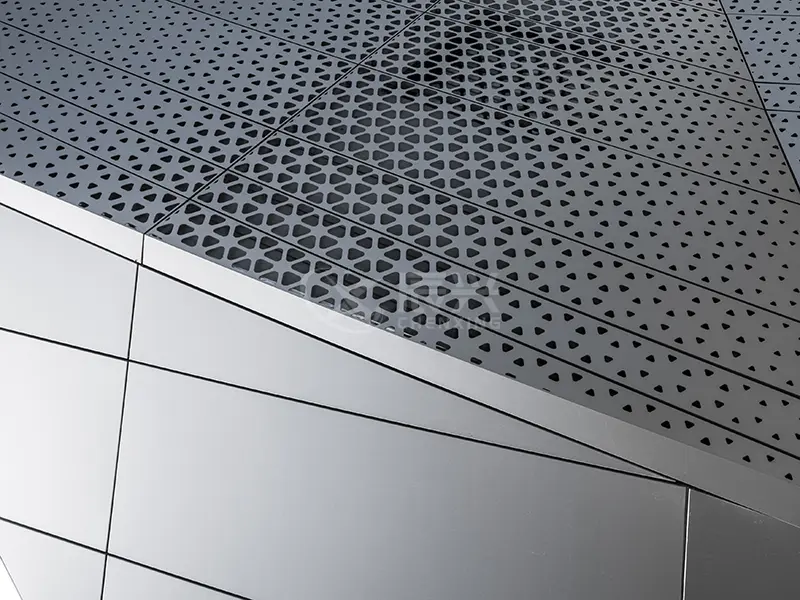

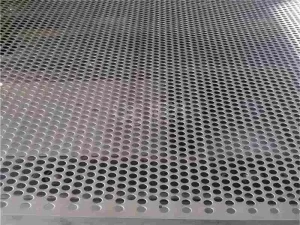
Engineered options including food-grade protective foils, architectural roofing plates, and custom perforated industrial coils.
Stay updated with market dynamics, global pricing shifts, and technological updates from our advanced aluminum rolling mills.
Global demand drives factory updates to improve output and accuracy...
More news →
As EV ecosystems grow, precision conductive foils play a key role...
More news →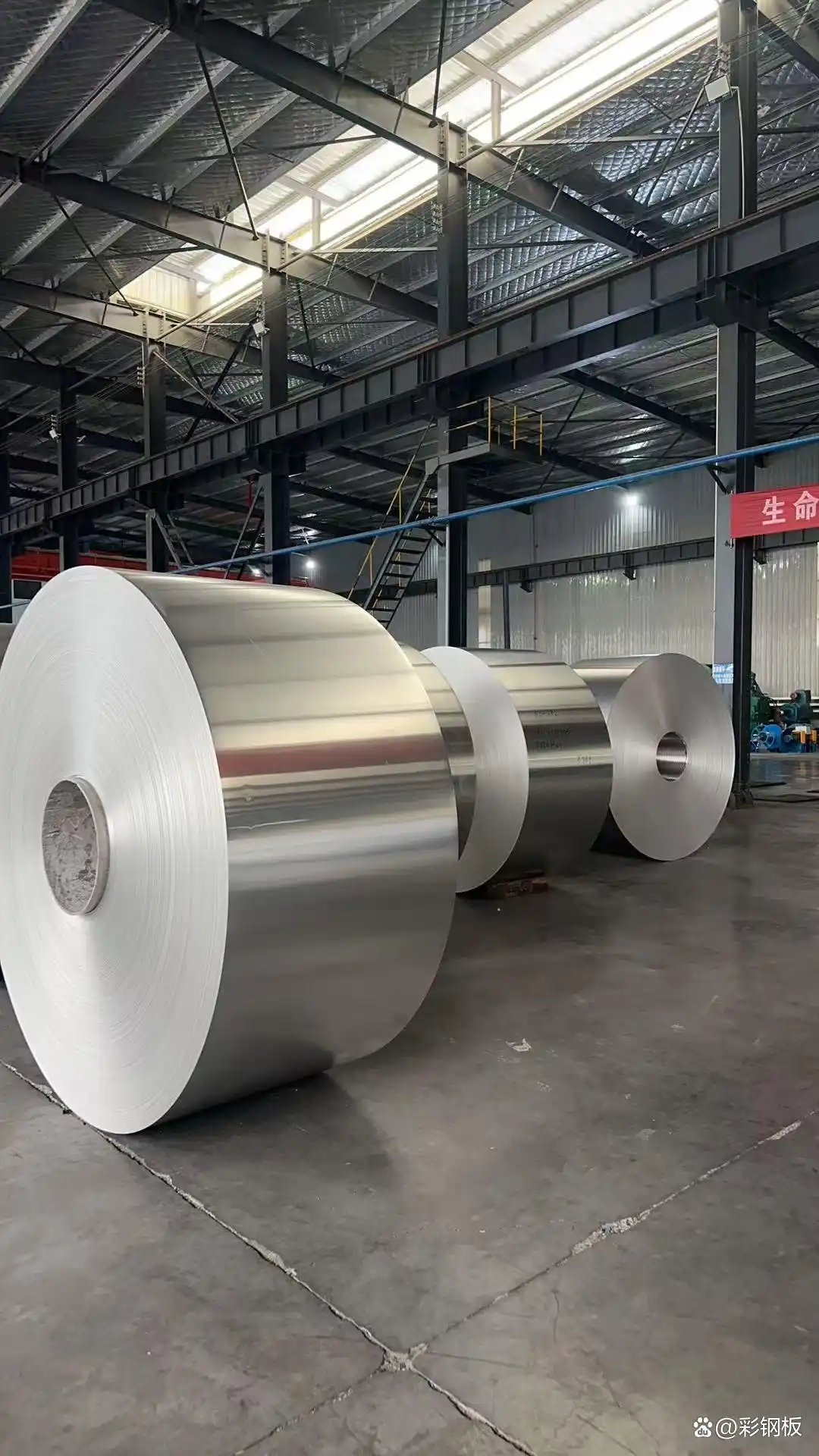
Rising adoption of sustainable metal envelopes shapes global manufacturing standards...
More news →Request metallurgical certificates, chemical test reports, pricing quotes, or direct consultations with our engineers. We provide prompt 8D support responses within 24 hours.
Technical explanations regarding alloy selection, thickness limits, and importing processes for New York industrial partners.
For electrical transformer windings, 1050 and 1060 alloy strips in annealed (O) temper are the industry standard. They possess an electrical conductivity rating of over 61% IACS (International Annealed Copper Standard). This temper guarantees optimal ductility and soft-handling capabilities required to wind dense core structures without work-hardening or cracking.
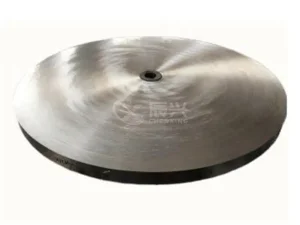
We utilize precision rotary slitting knives combined with tension-leveling lines. Regular blade maintenance and adjustment of horizontal/vertical clearance between blades minimize edge deformation. The resulting slit strips have minimal edge burrs (under 10% of the material thickness), protecting insulation papers in electrical windings and preventing injury during handling.
All materials are shipped with a comprehensive Mill Test Certificate (MTC) conforming to EN 10204 3.1. These documents detail the chemical composition breakdown, mechanical properties (yield strength, tensile strength, elongation), and compliance with international standards such as ASTM B209/B209M and EN 485.
Yes. We offer customized surface finishing options, including clear or color anodizing, and PVDF or PE powder-coated finishes. These coatings protect the core alloy (typically 3003 or 5052 series) against coastal humidity and urban environment exposure, enhancing the longevity of New York commercial facades and flashing components.
5052 aluminum alloy is alloyed with magnesium, which provides superior corrosion resistance in saltwater or brackish environments compared to manganese-alloyed 3003. It also has higher structural strength (approximate tensile strength of 210-260 MPa in H32 temper compared to 3003-H14's 140-180 MPa), making 5052 the preferred choice for marine structural components and heavy-duty industrial equipment.
Production typically takes 15 to 25 days depending on the size and customization requirements. Marine transit from our port facility to New York ports (such as Port Newark) takes roughly 30 to 35 days. For rush orders or urgent prototype projects, air freight options via JFK International Airport are available for smaller, high-priority cargo.