1 / 1

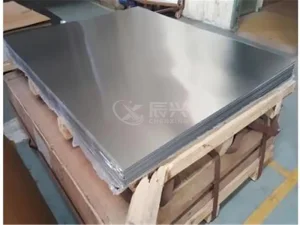
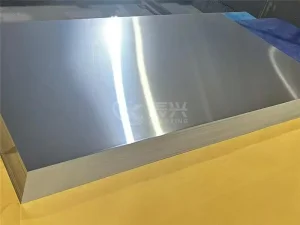
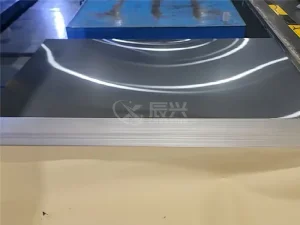
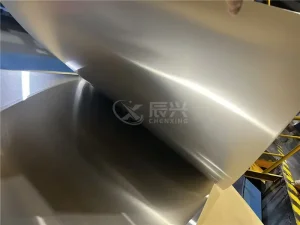
| Product Name | 7075 Aluminium (Alloy) Sheet/Plate | ||||||||||||||||||||||||||||||||||
|---|---|---|---|---|---|---|---|---|---|---|---|---|---|---|---|---|---|---|---|---|---|---|---|---|---|---|---|---|---|---|---|---|---|---|---|
| Typical Alloys | Material Status | Thickness (mm) | Diameter (mm) | Type | Application Fields | ||||||||||||||||||||||||||||||
| 7075 | T3, T4, T6, T651, T73, T451, T351, T851, T7351 | 1.0-600 | 50-1200 | DC |
Aerospace: Aircraft fuselage frames, wing spars, landing gear components, satellite structural parts. Industrial machinery: High-load mechanical parts, mold bases, precision tooling, hydraulic components. Sports equipment: High-end bicycle frames, climbing gear, golf club shafts, racing car parts. Defense & automotive: Military vehicle armor plates, high-performance car chassis components, drone frames. Electronic equipment: High-strength casings for precision instruments, battery brackets for special equipment. |
||||||||||||||||||||||||||||||
|
|||||||||||||||||||||||||||||||||||
Leading producers: Alcoa, Kaiser Aluminum, Novelis, Constellium, Norsk Hydro; Chinese leaders include Chalco. Major buyers: Boeing, Airbus, Lockheed Martin, SpaceX (aerospace); General Dynamics, Northrop Grumman (defense); and high-end manufacturers in automotive, mold, and precision machinery sectors. All demand high-strength 7075 for critical structural components.
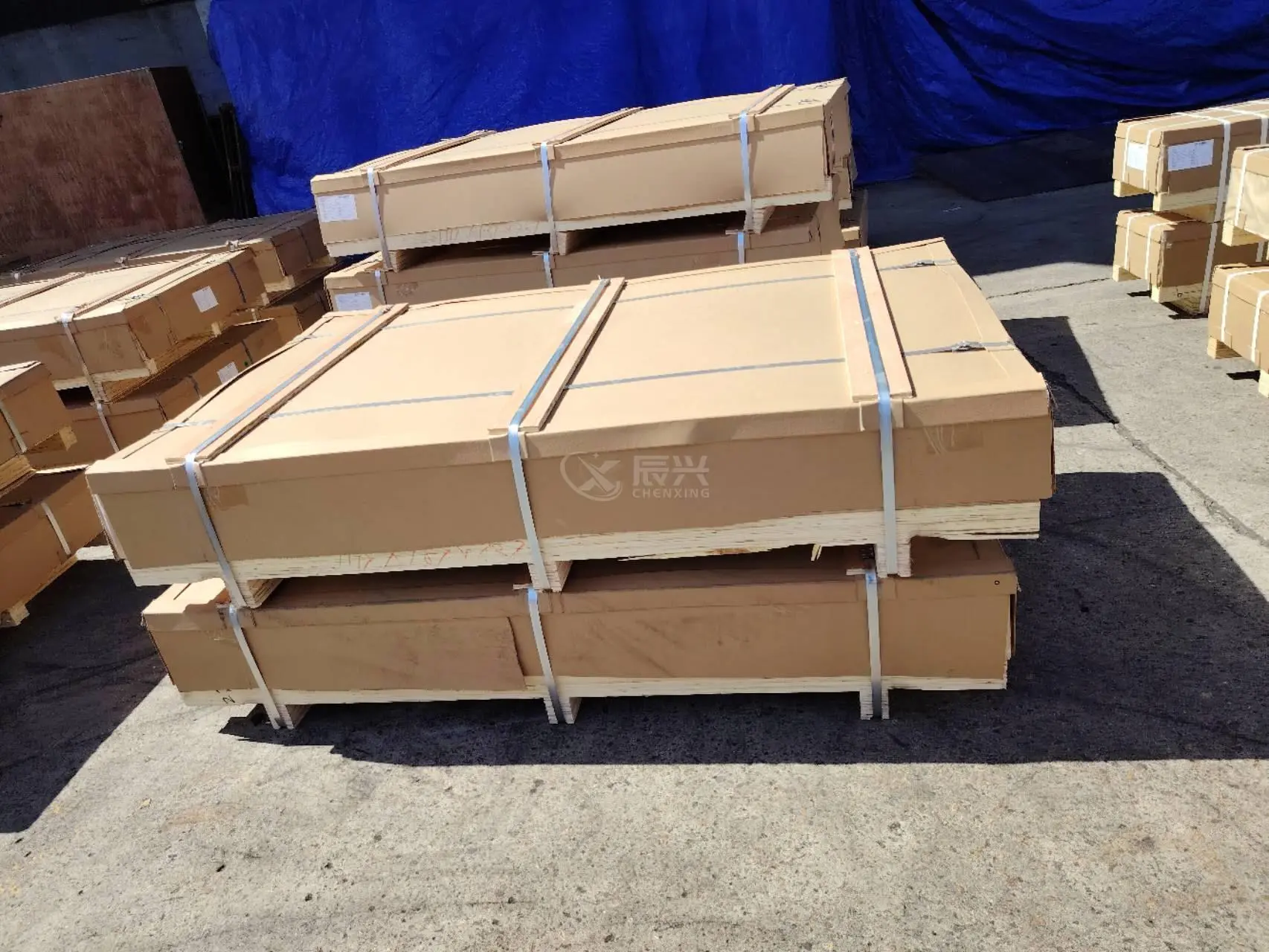
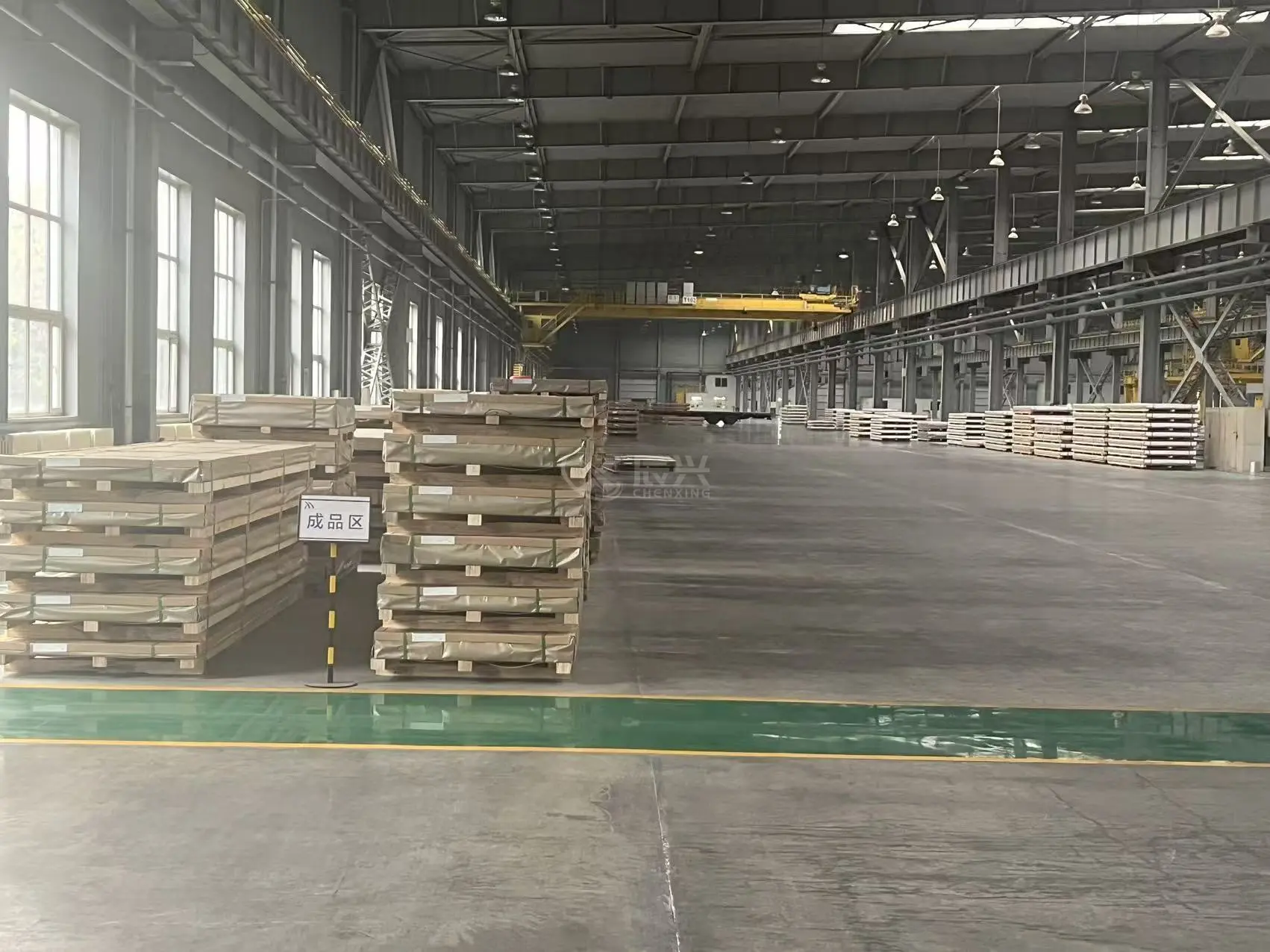
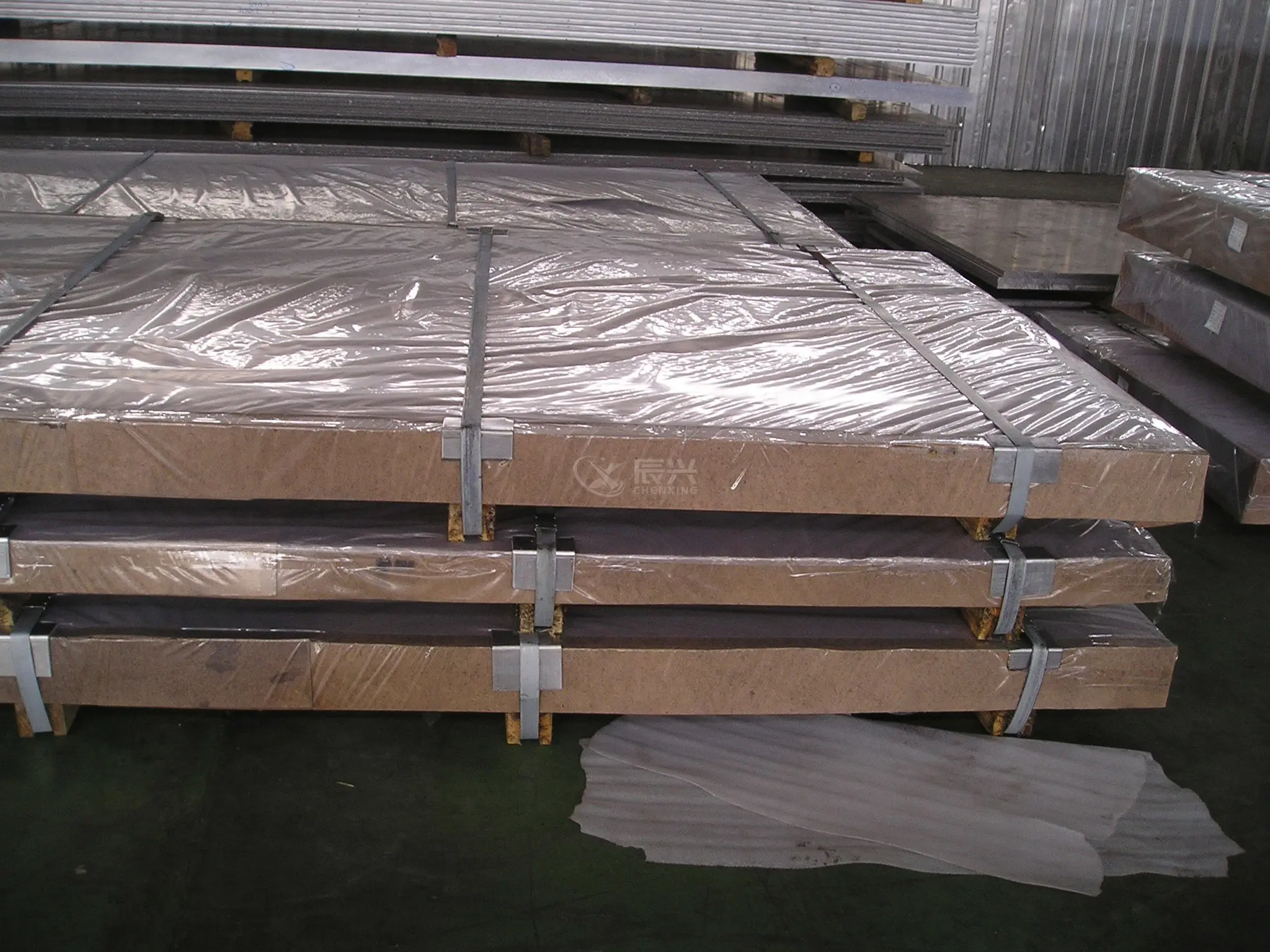
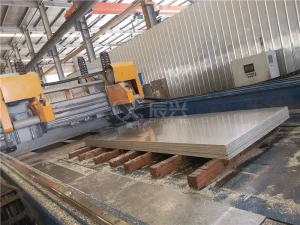
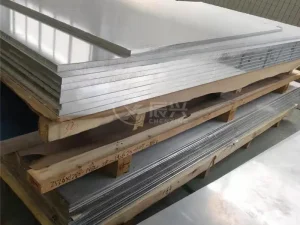
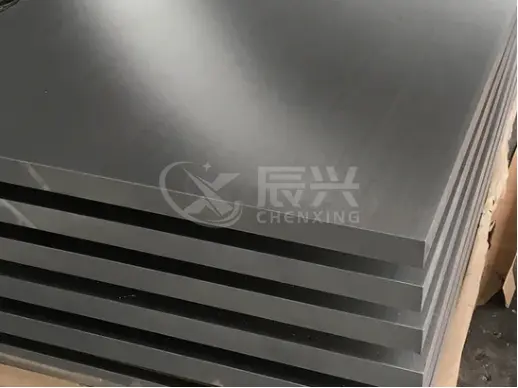
Due to its high strength-to-weight ratio, 7075 aluminum sheet is widely used in aerospace applications (such as aircraft structural components and wings), military defense, precision mold making, high-end sports equipment (like bicycle frames), and automotive chassis components.
The T6 temper indicates solution heat-treated and artificially aged state, offering maximum strength. T651 indicates that the material has been stress-relieved by stretching, which reduces internal stresses and prevents distortion during subsequent machining.
7075 is an aluminum-zinc alloy. Its chemical makeup primarily includes Zinc (5.1-6.1%), Magnesium (2.1-2.9%), Copper (1.2-2.0%), and minor amounts of Iron, Silicon, Manganese, Chromium, and Titanium, with Aluminum making up the remainder.
7075 aluminum offers significantly higher strength than 6061, making it suitable for high-stress aerospace and military applications. However, 6061 is easier to weld, has better corrosion resistance, and is more cost-effective for general structural projects.
7075 aluminum is generally considered to have poor weldability using traditional methods because of its susceptibility to micro-cracking during cooling. It is typically joined using mechanical fasteners, adhesives, or specialized friction stir welding.