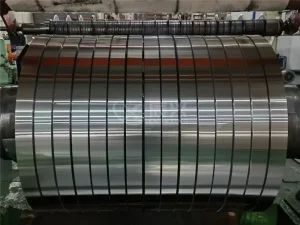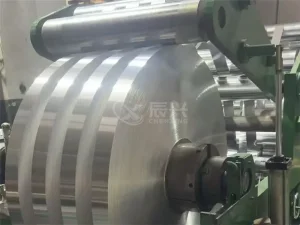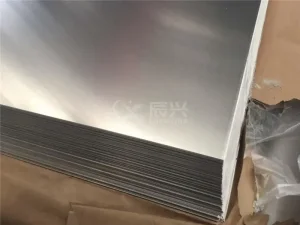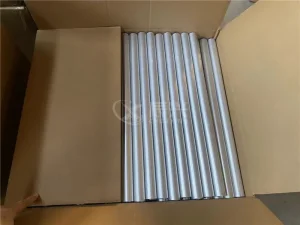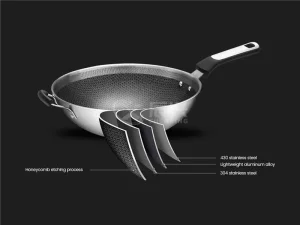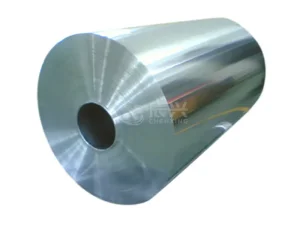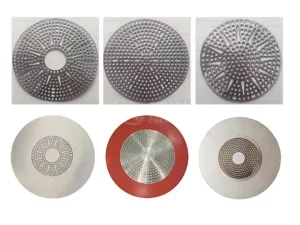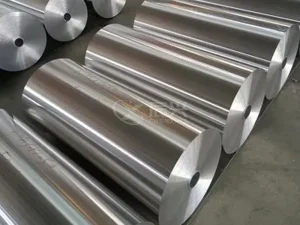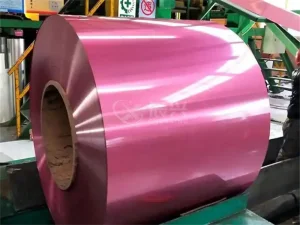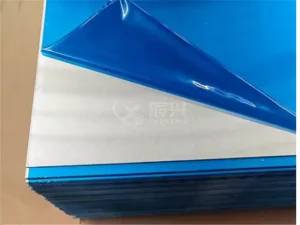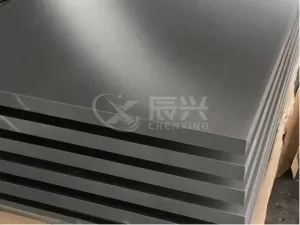
Antwerp stands as the second-largest port in Europe and hosts one of the largest integrated chemical clusters globally. In this highly demanding, saline, and corrosive environment, the selection of raw materials is not just a matter of purchasing; it is a critical engineering decision. Aluminum strips, coils, and sheets are structural backbones across multiple Antwerp supply networks—ranging from maritime transportation, harbor infrastructure, chemical piping, to energy storage systems.
As a premier global manufacturer, our technical routes are engineered specifically to combat the challenges faced by Belgian industrial operators. Marine atmospheric environments require specialized aluminum alloys (primarily 5xxx and 6xxx series) containing precise levels of Magnesium and Manganese to secure structural longevity. This whitepaper details our metallurgical solutions, global positioning, compliance metrics, and localized services tailored for buyers in the Antwerp metropolitan area and the wider Flanders region.
Antwerp Industrial Insight: The Port of Antwerp-Bruges handles over 289 million tonnes of maritime traffic annually. Structural components must satisfy European EN 485 standards, guaranteeing excellent tensile strength, deep-drawing capabilities, and micro-flatness tolerances to ensure seamless integration into automated production lines.
The global aluminum market is witnessing rapid structural change driven by lightweighting directives, sustainability goals, and stricter European environmental controls (including the Carbon Border Adjustment Mechanism - CBAM). Our manufacturing lines produce high-quality aluminum strips that support these macro trends. By leveraging precision hot-rolling and cold-rolling mills with integrated Automatic Gauge Control (AGC) systems, we secure thickness tolerances within +/- 0.02 mm.
For Antwerp's technical buyers, choosing the appropriate alloy grade is key. The table below represents our standard manufacturing range:
| Alloy Grade | Temper Options | Tensile Strength (MPa) | Elongation (%) | Primary Industrial Applications |
|---|---|---|---|---|
| 1050 / 1060 | O, H14, H24 | 60 - 145 | ≥ 20% | Electrical busbars, transformer windings, chemical vessels |
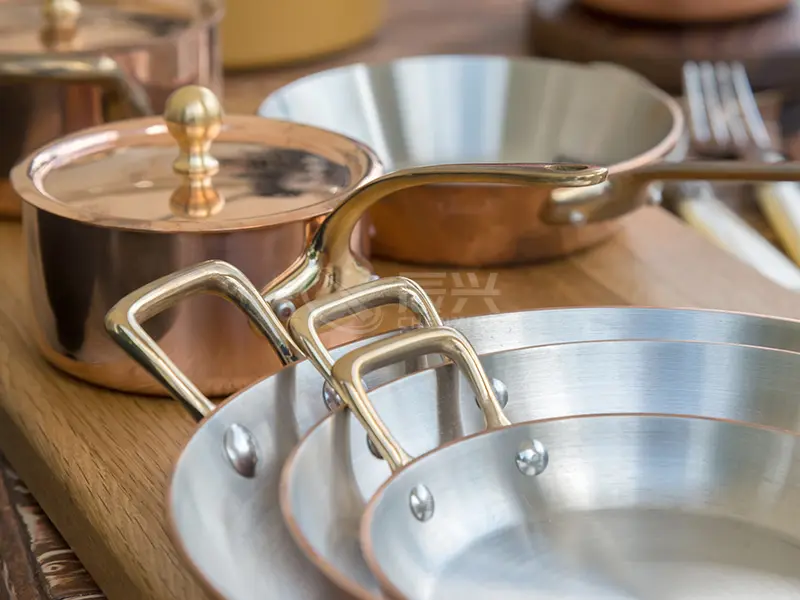
| 3003 | O, H14, H24 | 95 - 200 | ≥ 12% | Heat exchangers, chemical piping, cladding, and cookware |
| 5052 | O, H32, H34 | 170 - 260 | ≥ 15% | Marine structures, saline environment cladding, fuel tanks |
| 6082 / 6061 | T6, T4, T651 | ≥ 290 | ≥ 10% | Heavy-duty structural frames, transport vehicles, gangways |
| 7075 | T6 | ≥ 540 | ≥ 7% | High-stress tooling, aerospace parts, structural clamps |

The European Green Deal and the Carbon Border Adjustment Mechanism (CBAM) require Antwerp manufacturers to verify the carbon footprint of their raw materials. Our factory remains committed to integrating secondary aluminum materials, drastically reducing our embedded carbon emissions. By utilizing clean energy in our smelting and extrusion systems, we help our partners minimize Scope 3 emissions.
All shipments entering Belgium comply with the following regulatory structures:
Our mills optimize supply lines to the Port of Antwerp-Bruges, reducing lead times to Western Europe.
Read More News
With massive investments in local gigafactories, battery aluminum foil demand reaches unprecedented highs.
Read More News
Architects in Antwerp increasingly request certified low-carbon coils to secure BREEAM green ratings.
Read More News