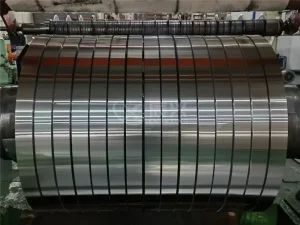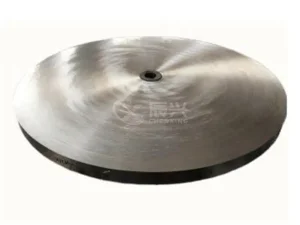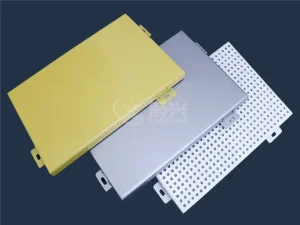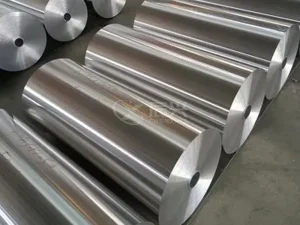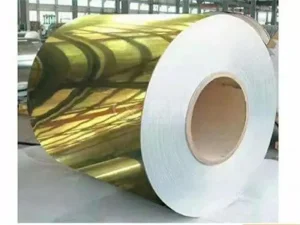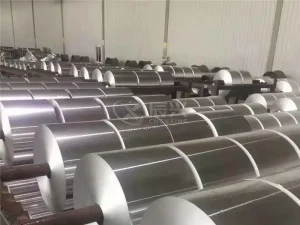
Engineered to meet rigorous tolerances, these initial four core products provide the mechanical baseline for modern architectural cladding, composite pipe lining, and metal fabrication.
The Chicago Metropolitan Area (commonly known as Chicagoland) remains a cornerstone of the North American manufacturing and metal fabrication supply chains. Blessed with unparalleled transportation infrastructure—including the Class I rail lines radiating from the Corwith and CenterPoint Intermodal yards, the Interstate highways of I-80, I-90, and I-94, and direct maritime logistics access through the Port of Chicago and Great Lakes freight pathways—the region acts as a premier transit and processing hub for raw aluminum coils and specialized slit strips.
For local industrial buyers, sourcing high-quality aluminum strips requires navigating the complexities of domestic metal slitting facilities, regional inventory management, and material compliance. Localized application demands in the Midwest are heavy; from heavy-duty machinery assembly plants in Peoria to automotive battery packaging projects in Northern Illinois, the request for precision metal widths with zero edge-burr has never been higher. Sourcing from a factory that understands both local logistical parameters and global raw material fluctuations gives Chicago buyers a massive edge.
Request Midwest Logistics InfoWe utilize the extensive highway networks surrounding Chicago to offer Just-In-Time (JIT) delivery systems, keeping storage footprints light and material rotation cycles rapid for local plants.
Our associated slitting centers operating in proximity to Chicago-based transport nodes can slit aluminum coils down to a tolerance of +/- 0.05 mm, ensuring perfect integration into automatic feed lines.
Connecting worldwide manufacturing shifts with localized material procurement protocols.
As carbon intensity tracking becomes mandatory under global guidelines like the European Union's Carbon Border Adjustment Mechanism (CBAM) and North American ESG reporting frameworks, aluminum strip manufacturing processes are transforming. Using hydro-powered or solar-powered primary smelters reduces the embedded carbon footprint of our aluminum alloys by up to 70% compared to standard coal-powered production models.
Tariff structures, anti-dumping duties, and trade policy adjustments mean sourcing aluminum demands a strategic, multi-origin approach. By partnering with factories across key global production zones, our clients in the Chicago market insulate themselves against single-point tariff shocks while keeping a steady flow of high-conductivity 1050/1060 series and specialized structural alloys.
Engineers are increasingly specifying aluminum strip over copper in applications like electrical transformers, busbars, and heating elements. This shift is driven by both the raw density savings of aluminum and the lower commodity price volatility, offering predictable project costing models over multi-year capital programs.


How aluminum strip alloys are utilized across major commercial sectors, from aviation to modern green infrastructure projects.

Automotive chassis profiles, structural panels, busbar connections, and battery pack casing systems designed to lower curb weight and improve thermal performance.
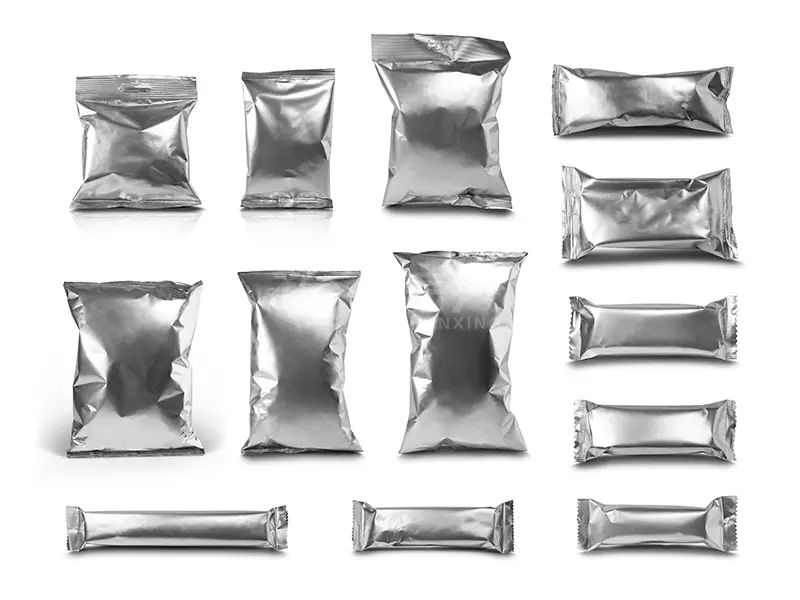
Food-grade safe foils, composite cans, caps, and easy-open lids offering robust barrier protection with full recycling capability.

Shielding elements for power cables, capacitor casings, heat-sink fins, and high-purity electrical conductor strips.

High-strength aircraft structural components, wingspan support materials, and space vehicle components using 5xxx and 7xxx series alloys.
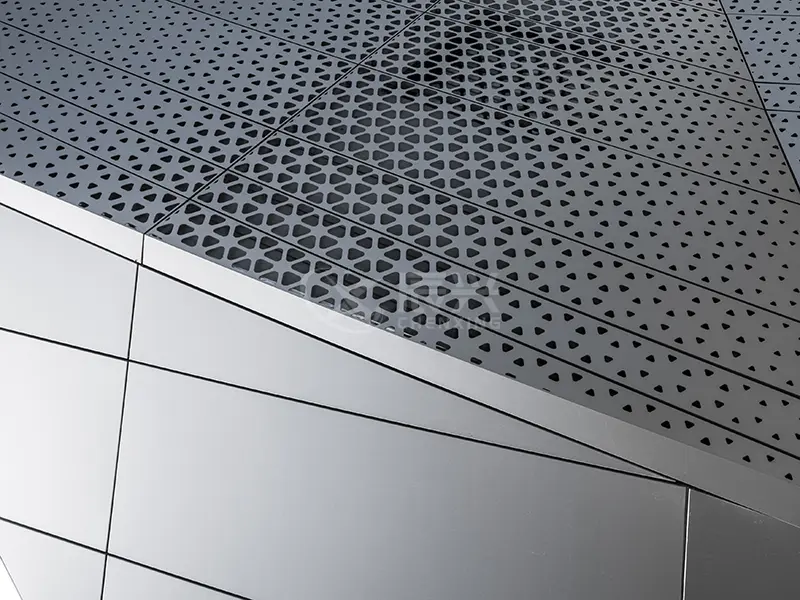
Architectural facades, interior wall corners, window and door frames, rain gutters, and roof edging systems built to last.

Refrigerator evaporators, air conditioner heat exchangers, microwave components, and culinary cookware base materials.
Selecting the optimal aluminum strip alloy based on mechanical demand, formability, and surface finishing protocols.
| Alloy Grade | Common Tempers | Tensile Strength (MPa) | Elongation (%) | Primary Industrial Applications |
|---|---|---|---|---|
| 1050 / 1060 | O, H14, H24 | 60 - 130 | ≥ 15% | Electrical transformers, capacitor shells, automotive heat shields, decorative trim. |
| 3003 | O, H14, H24, H18 | 120 - 200 | ≥ 8% | HVAC evaporator fins, PEX composite plumbing tubes, radiator headers, fuel tanks. |
| 5052 | H32, H34, O | 190 - 260 | ≥ 10% | Marine fittings, electronic enclosures, high-fatigue structural brackets, aerospace casing. |
| 8011 | O, H18, H22 | 80 - 150 | ≥ 20% | Cable shielding, building insulation backing, flexible ducts, pharmaceutical packaging. |
*Note on mechanical properties: Tensile strength and elongation metrics are configured to comply with ASTM B209 and EN 485 specifications. Exact measurements can vary depending on final slitting widths, oil lubrication selections, and structural surface processing.
Industrial operations in the Chicago market cannot afford shutdown times. Our structural solutions are designed around three primary tenets: raw material traceability, advanced packaging options (horizontal eye-to-sky vs. vertical eye-to-wall), and tension leveling. Tension leveling is crucial; it ensures zero edge-wave across the slit strip, allowing stamping and roll-forming equipment to operate at maximum speed without seizing.
Furthermore, for companies handling sensitive electrical assemblies, we provide custom degreasing options. The residual rolling oil used during strip production can degrade electrical contacts or impair welding prep. Our online heat treatment and chemical washing blocks guarantee chemical surface cleanliness ready for anodizing, lamination, or high-performance coating.
Request Technical SupportBrowse our core structural alloys, mirror sheets, and high-performance foil products specified for demanding global and local applications.
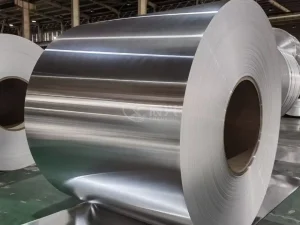
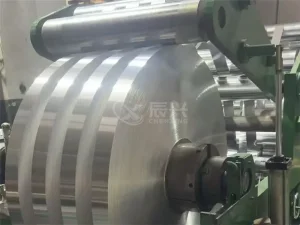
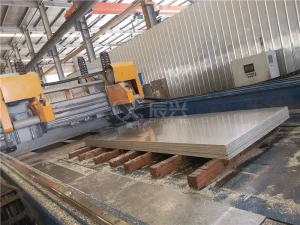
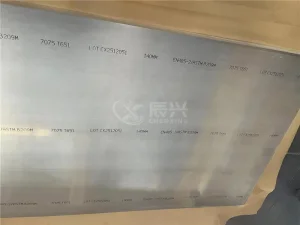
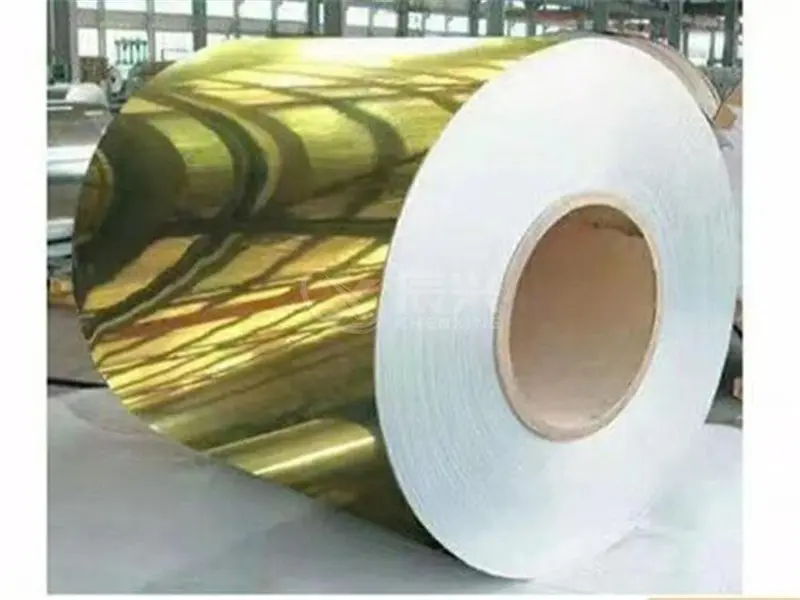
Additional profiles, structural blanks, and packaging foils designed to complete advanced product specifications.
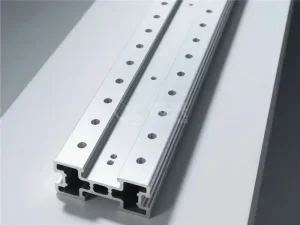
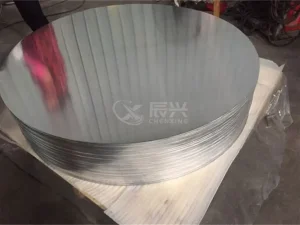
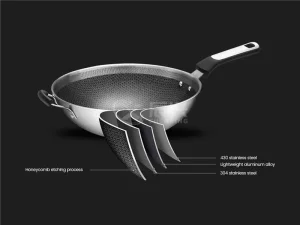
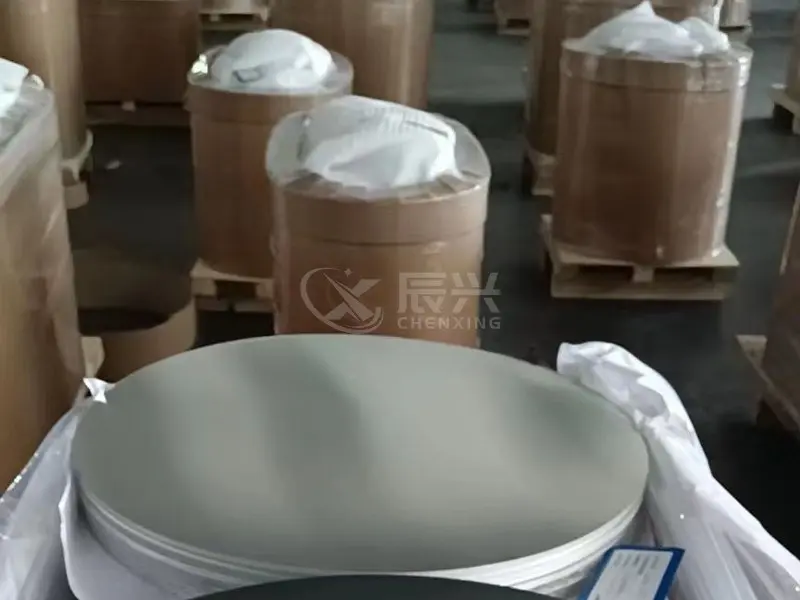
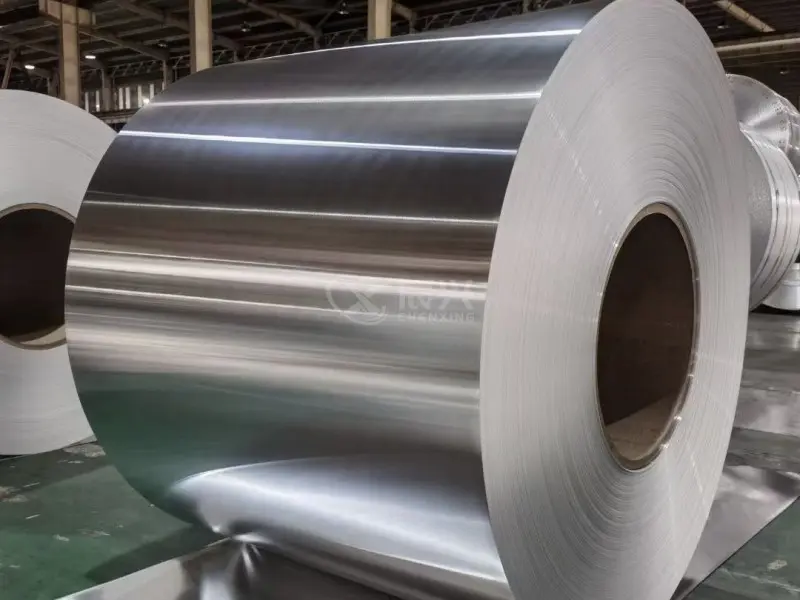
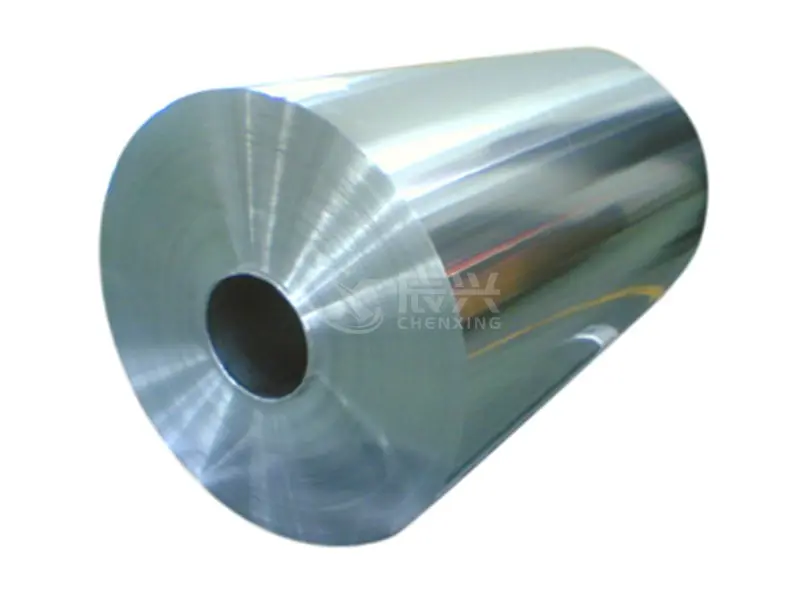
Direct supply line of circular blanks, high-strength rolled coils, and specialized micro-foils.
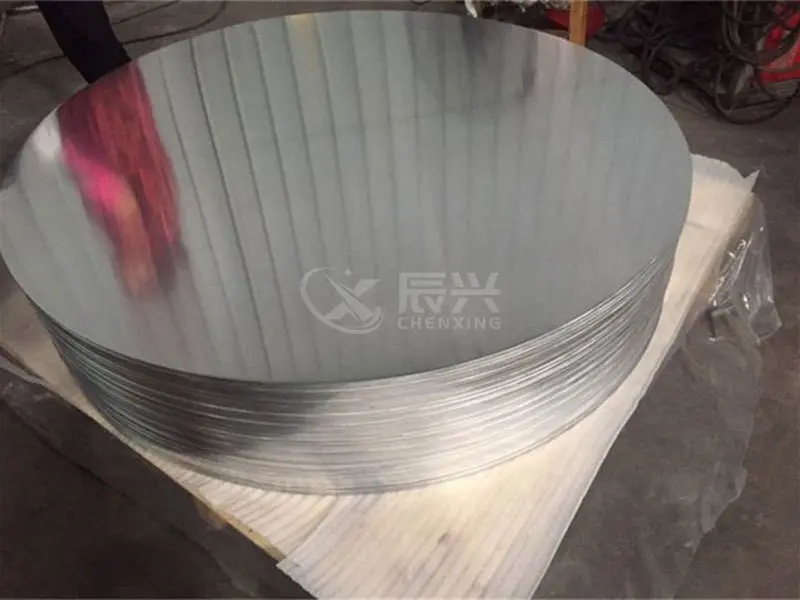
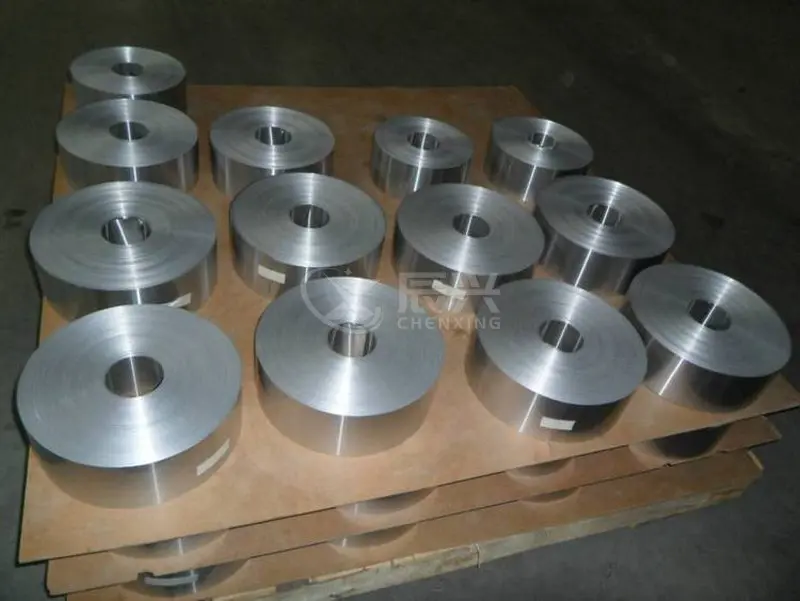
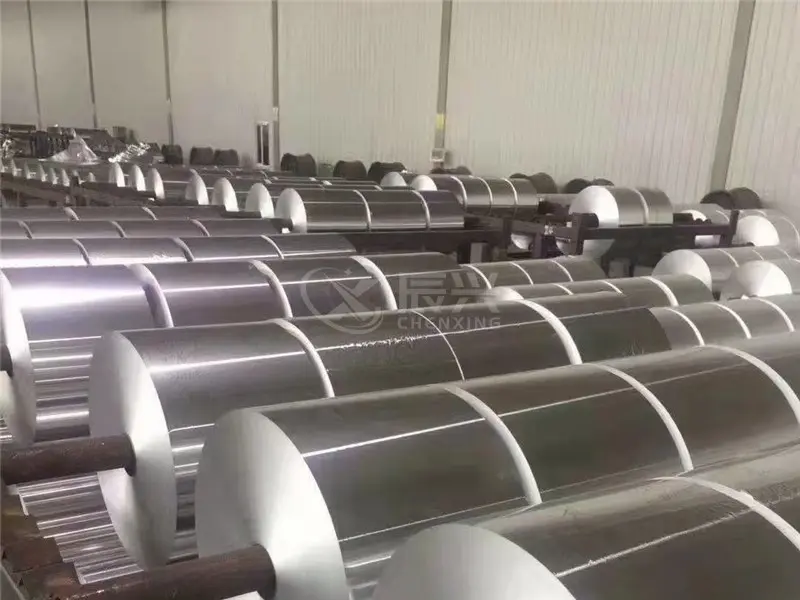
Keep up-to-date with changing metallurgical markets, export growth updates, and energy transition solutions.
Global export statistics confirm a massive shift toward lightweight structural alloys. Factories are adapting quickly by implementing advanced quality protocols to meet foreign delivery demands.
Read Full News Article
EV battery production lines demand thin, high-tensile current collector foils. High-purity alloys are required to minimize electrical resistance and optimize total pack lifecycle performance.
Read Full News Article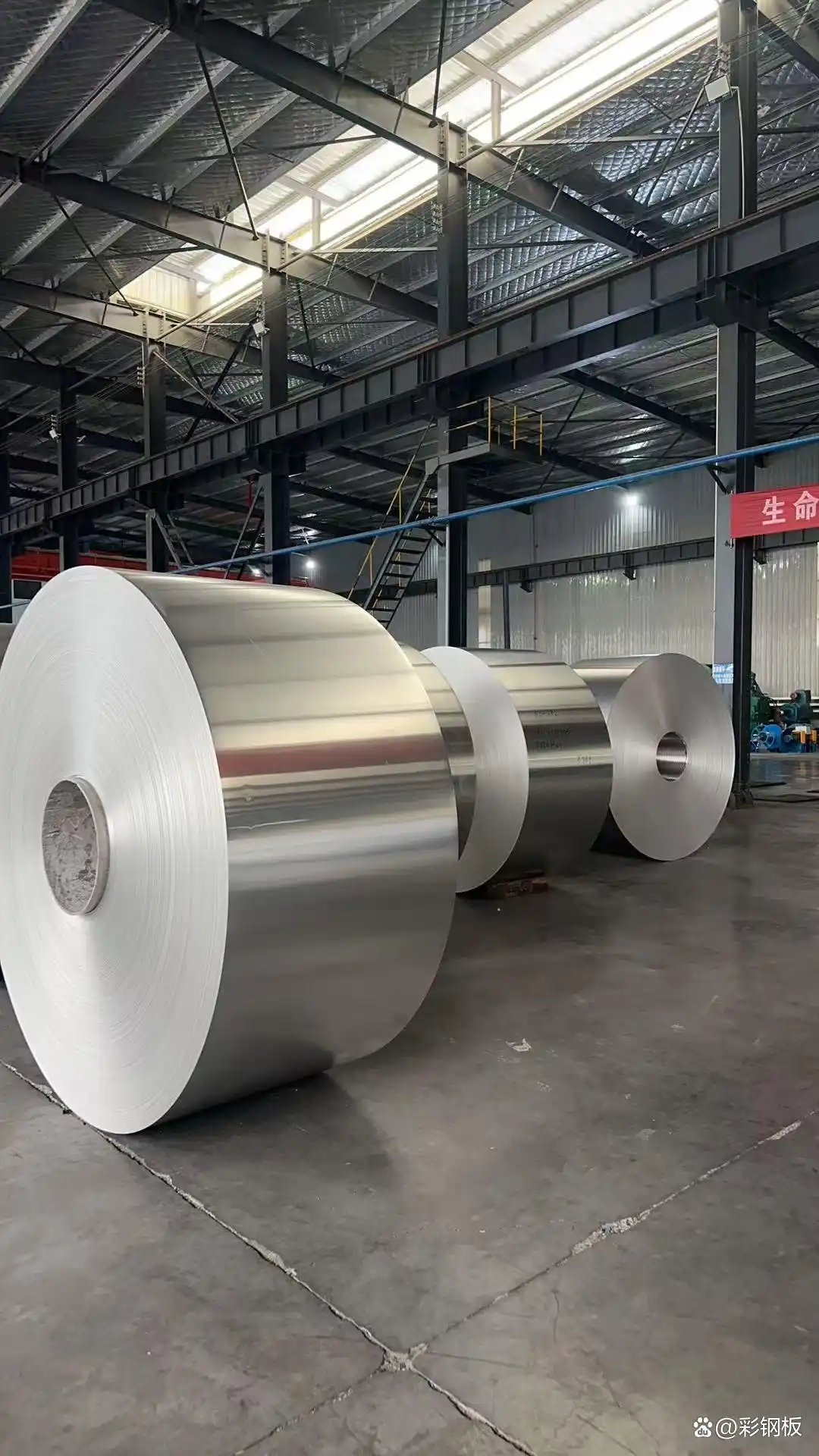
Green construction parameters are driving structural coil demand globally. Dynamic supply strategies ensure manufacturers maintain stable materials despite changing economic conditions.
Read Full News ArticleExpert answers regarding chemical selection, mechanical properties, and Midwest logistical routing guidelines.