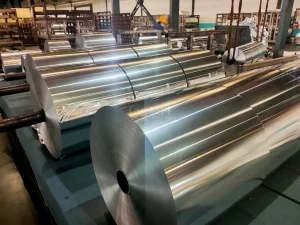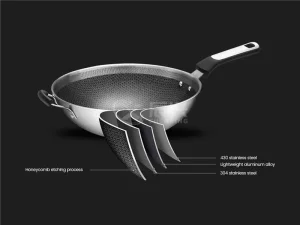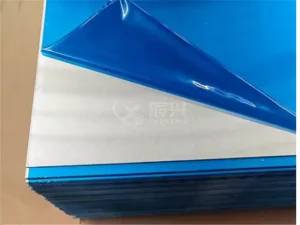
Engineered high-performance metal sheets and foils manufactured in state-of-the-art facilities following strict international certification standards.
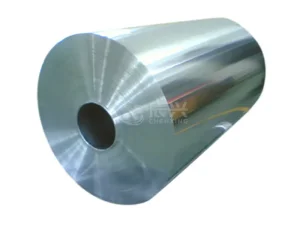
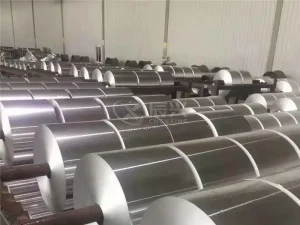
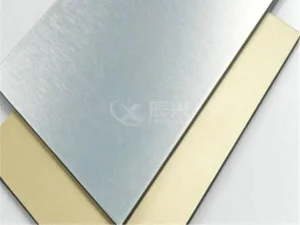
Marine-grade aluminum is the bedrock of modern high-speed vessels and offshore structures.
Marine environments impose some of the most aggressive physical and chemical stresses on engineering materials. When global marine procurement officers evaluate China Marine Aluminium Sheet Manufacturers, they look far beyond raw dimension specifications. The core procurement criteria revolve around corrosion resilience, yield-to-tensile ratio, weld zone strength retention, and, most importantly, international classification society certification.
No aluminum plate can be integrated into ship hull fabrication without verification. Material classification guarantees compliance with structural rules designed to prevent catastrophic structural failure at sea. Manufacturers must secure type approval certificates from major classification organizations, including:
Marine structures primarily leverage the 5xxx series aluminum-magnesium alloys due to their exceptional weldability and natural anti-corrosion behaviors. Let's break down the metallic choices:
How high-grade marine aluminum sheets are shaping the future of global maritime logistics and engineering.
Alloy 5083-O temper plays a critical role in liquefaction and storage systems. Because aluminium does not undergo ductile-to-brittle transition at cryogenic temperatures, it remains highly tough and crack-resistant down to -163°C.
Weight reduction is directly proportional to speed, range, and fuel economy. Transitioning ship superstructures from heavy carbon steel to marine-grade aluminium sheets cuts structural weight by up to 50%, enabling tactical superiority.
With wind energy moving into deep water zones, floating platforms and access stairways must survive constant salt spray and high physical fatigue. Marine aluminum reduces maintenance costs and extends platform design life to 30+ years.
An unmatched legacy of precision metallurgy, direct export reliability, and engineering support.


Select from our certified industrial portfolios optimized for structural stability and precision tolerances.
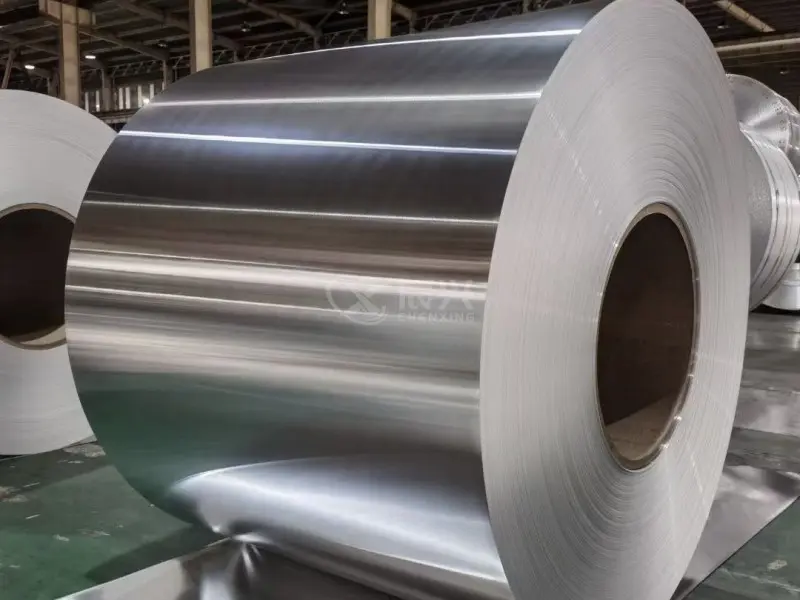
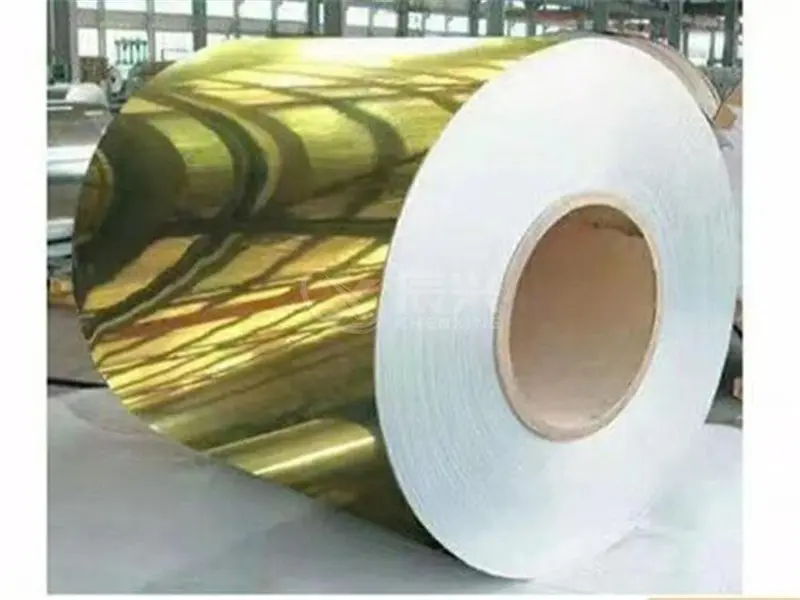
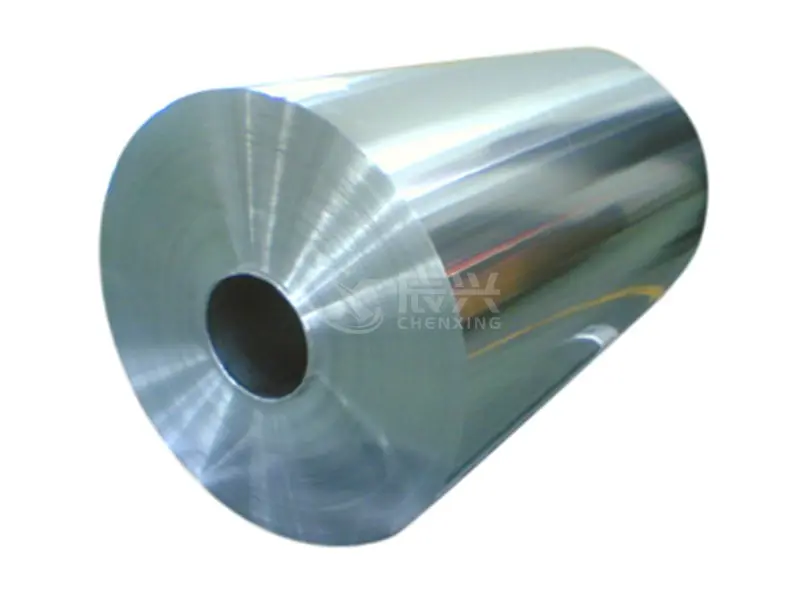
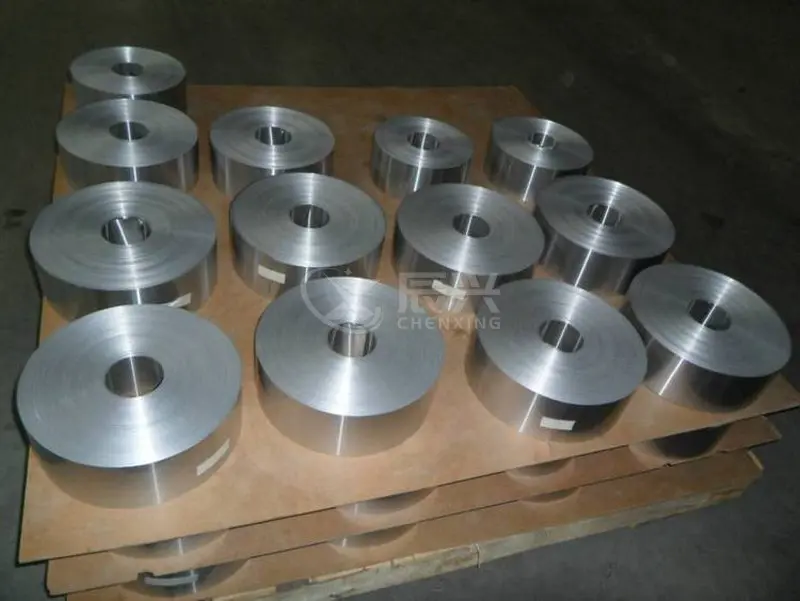
Driving the next generation of marine alloys with advanced microstructural engineering.
To retain our leadership position as a premier China Marine Aluminium Sheet Manufacturer, our research and development labs continuously push the limits of alloy metallurgy. Future ship hull designs demand plates that are not only lighter but also exhibit higher crack resistance under extreme hydro-mechanical loading. Here is how our technical roadmap addresses these needs:
Adding trace amounts of Scandium (Sc) to 5083/5086 alloys creates highly stable Al3Sc dispersoids. This dramatically blocks recrystallization during hot rolling and welding processes, refining the grain structure. The result is a 25% to 40% increase in yield strength within heat-affected weld zones while maintaining the alloy's natural stress-corrosion immunity.
Under long-term exposure to temperatures above 65°C, magnesium can precipitate at grain boundaries as beta-phase (Mg2Al3), rendering the sheet susceptible to exfoliation corrosion. Our proprietary thermal stabilization processes ensure that magnesium remains locked uniformly within the solid solution matrix, preserving ASTM B928 compliance under all maritime conditions.
Conventional arc welding heats the material to its melting point, which degrades the mechanical properties of the weld seam. We are actively partnering with global shipbuilders to optimize our marine plates for Friction Stir Welding (FSW), a solid-state joining technology. FSW joints retain up to 95% of the parent material's strength, reducing the thickness margins required during structural engineering calculations.
From deep space to deep ocean, our products power global technological infrastructure.




In the wake of shifting geopolitical dynamics, shipping corridors and maritime trade routes are experiencing structural evolutions. Purchasing managers must mitigate supply chain disruption risks, fluctuating port tariffs, and regional anti-dumping investigations (such as those from the EU or USA regarding raw aluminum profiles).
To bypass these logistical vulnerabilities, our commercial model provides dual-layered trade safety:
We believe that high-quality material is only half the equation. Our global client support structure features field metallurgical engineers who visit shipyards to consult on plate cutting, forming limits, and welding parameter qualification records (WPQR). This local presence minimizes design errors and speeds up vessel construction approvals.
For inquiries about our products or pricelists, please leave us a message. Our technical sales engineers will respond within 24 hours with custom quotes and mill test report (MTR) samples.
Stay updated with structural developments in global metal markets, green aluminum processing, and shipping news.
Detailed answers to structural and procurement questions regarding marine alloys.
Both tempers are designed to prevent intergranular corrosion in marine environments. H116 is work-hardened and requires no special stabilization, showing excellent resistance to exfoliation corrosion. H321 is work-hardened and stabilized by low-temperature heating to prevent continuous magnesium precipitation at the grain boundaries. Both tempers meet the rigorous ASTM B928 standards for marine service, and choosing between them often depends on shipyard preference or classification requirements.
While 6061-T6 offers high mechanical strength, it is a heat-treatable alloy that loses up to 30-40% of its strength in the heat-affected zones (HAZ) after welding. In contrast, 5083 is a non-heat-treatable alloy that relies on work hardening and retains much of its original strength after welding. Additionally, 5083 offers superior corrosion resistance in high-salinity marine environments.
To sell aluminum sheets for commercial or naval ship building, the manufacturing mill must hold Type Approval Certifications from internationally recognized classification societies, such as DNV, ABS, Lloyd's Register (LR), RINA, or CCS. They should also supply EN 10204 3.2 material test reports (MTR) upon request.
Every production batch destined for marine applications undergoes corrosion testing in accordance with ASTM G66 (ASSET test for exfoliation corrosion susceptibility) and ASTM G67 (Nitric Acid Mass Loss Test - NAMLT for intergranular corrosion). Shipments are only approved for transport if the mass loss remains below the strict limits defined by global standards.
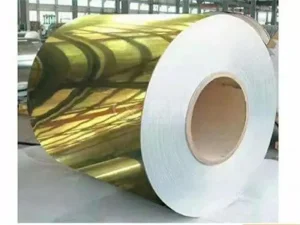
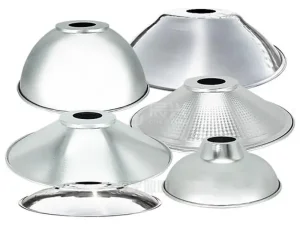
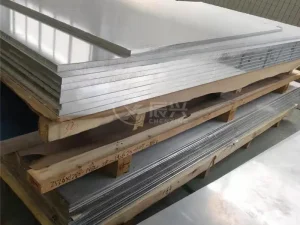
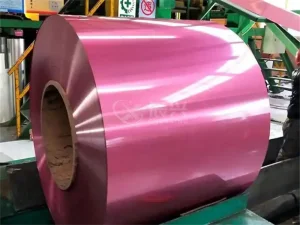
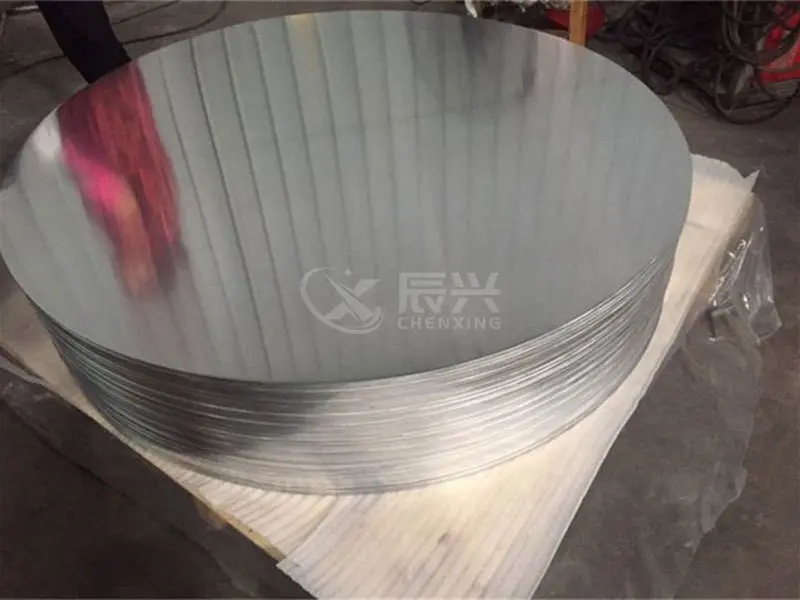
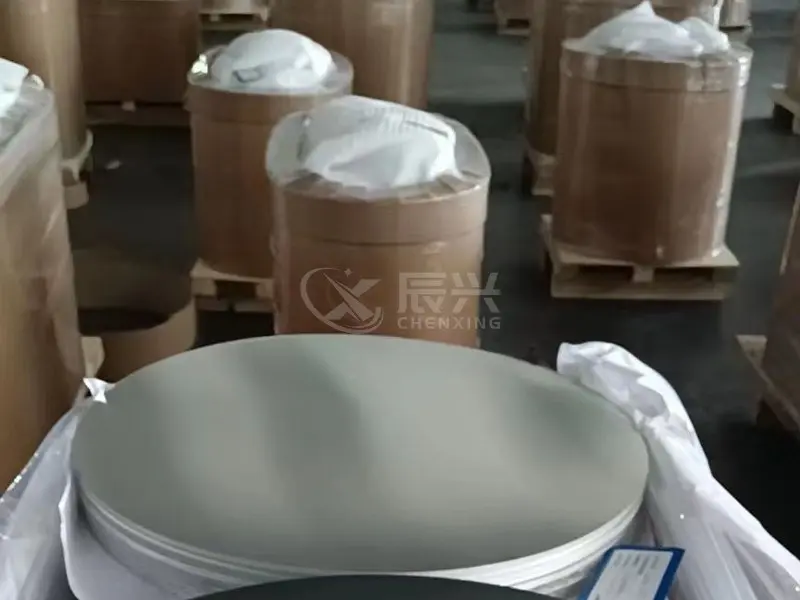
A complete selection of coils, circles, and foils engineered for global shipping, industrial packaging, and heat exchanger systems.