Q1
What is pharmaceutical aluminum foil and what makes it different from regular aluminum foil?
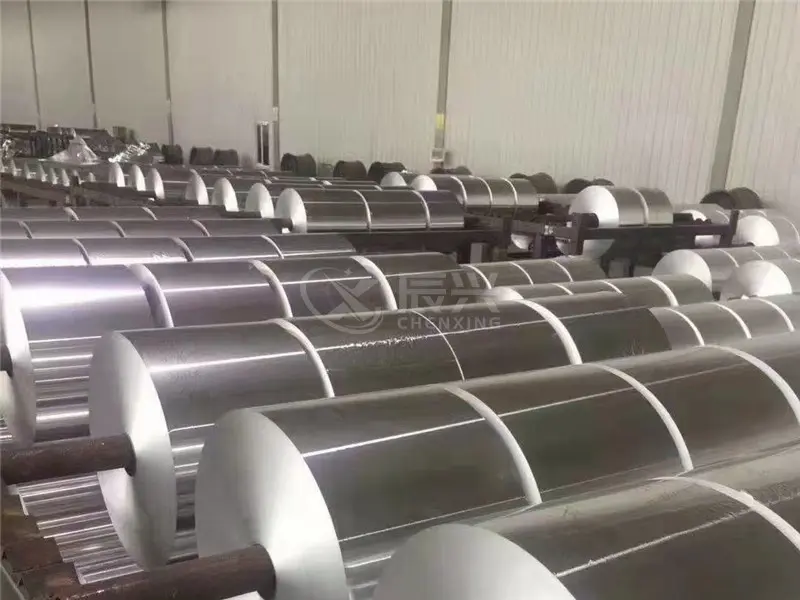
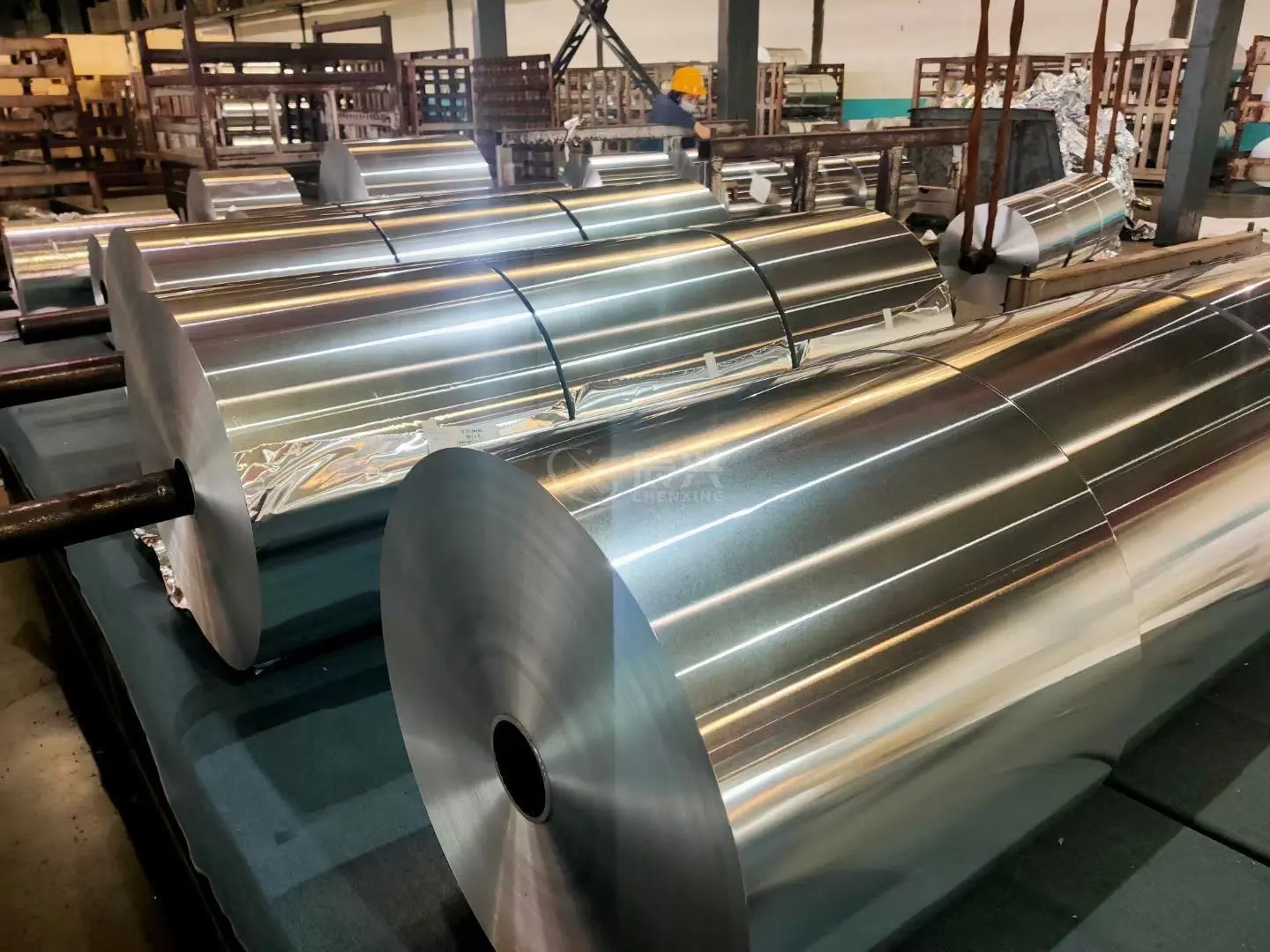
Pharmaceutical aluminum foil is manufactured under strict quality standards specifically for drug packaging. Unlike regular aluminum foil, it features pharmaceutical-grade coatings, adhesives, and protective layers that ensure compliance with hygiene and safety regulations, superior barrier properties, and compatibility with printing and sealing processes used in the pharmaceutical industry.
Q2
What are the main types of pharmaceutical aluminum foil available?
The three main types are: single-layer pharmaceutical aluminum foil (pure aluminum, used for simple sealing or as a base material), composite pharmaceutical aluminum foil (combined with plastic films such as PVC or PE, widely used in blister packaging), and coated pharmaceutical aluminum foil (surface-coated with pharmaceutical-grade adhesives to improve sealing and printing performance).
Q3
What is PTP aluminum foil and where is it commonly used?
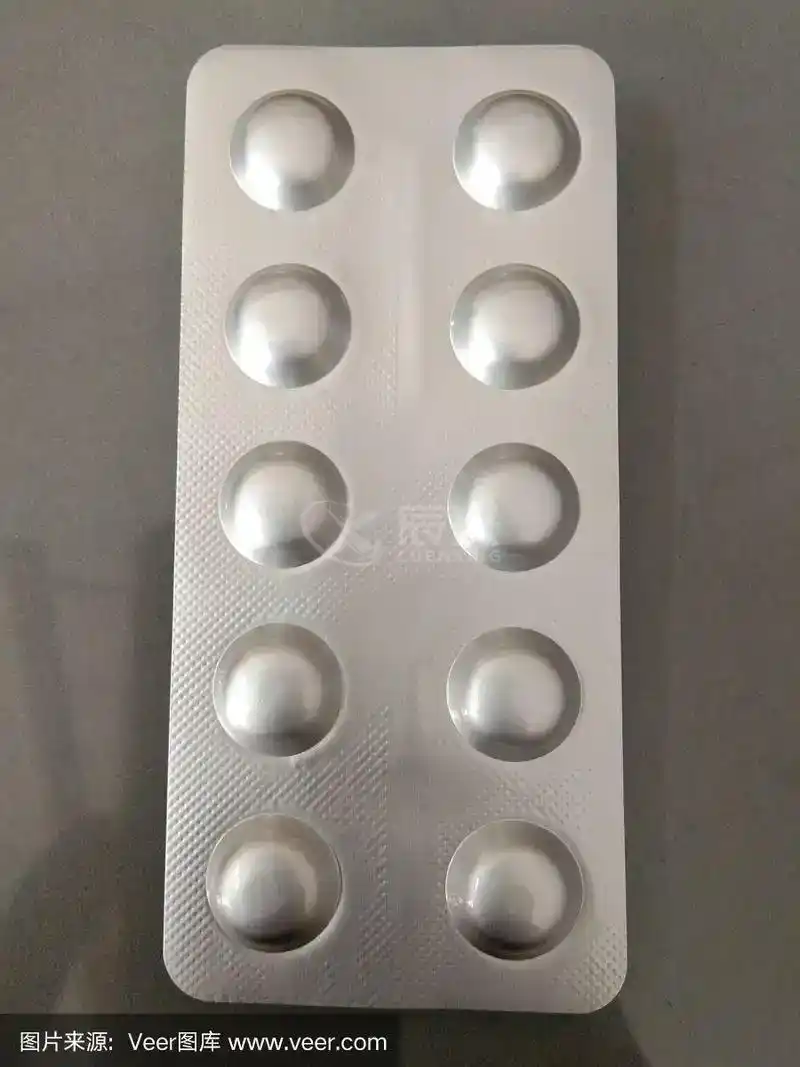
PTP (Press Through Packaging) aluminum foil is a type of composite pharmaceutical aluminum foil that works together with plastic blisters to individually seal tablets and capsules. It is the most widely used form of pharmaceutical aluminum foil, offering easy push-through access, excellent moisture and oxygen barrier, and clear printing for product identification.
Q4
How does pharmaceutical aluminum foil protect drug quality?
Pharmaceutical aluminum foil provides an excellent barrier against moisture, oxygen, light, and contaminants. This protects drugs from dampening, oxidation, and deterioration, significantly extending shelf life and maintaining the efficacy and safety of the medication throughout its intended storage period.
Q5
Can pharmaceutical aluminum foil be used for both solid and powder drug packaging?
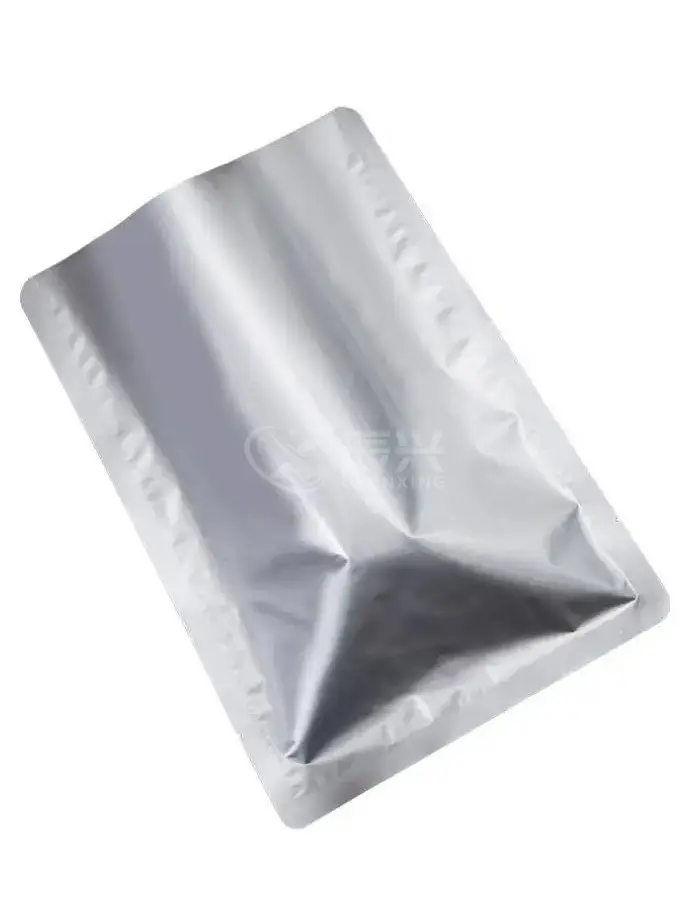
Yes. Pharmaceutical aluminum foil is versatile and suitable for multiple drug forms. It is used in blister packaging for solid tablets and capsules, as the inner barrier layer in composite pouches for granular preparations and powders, and as foil gaskets for medicine bottle caps to ensure an airtight seal.
Q6
What should be considered when choosing the right pharmaceutical aluminum foil for a specific application?
Key factors include the type of drug and its sensitivity to moisture, oxygen, and light; the required packaging format (blister, pouch, or bottle cap seal); compatibility with sealing and printing equipment; regulatory compliance requirements; and whether composite or coated variants are needed to meet specific barrier or flexibility performance targets.