Engineered to withstand extreme environments, physical impact, and corrosive stress
20+ years of manufacturing leadership and cross-border project delivery


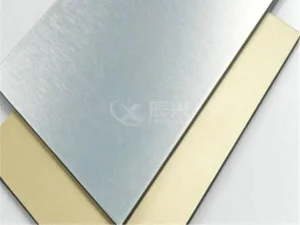
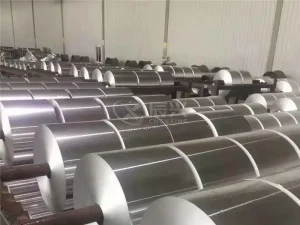
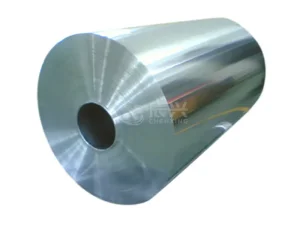
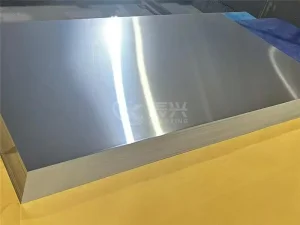
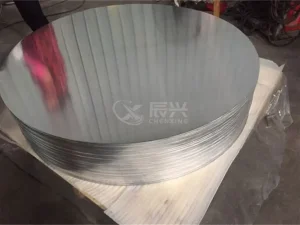
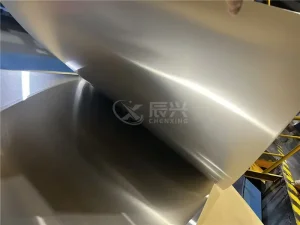
In large-scale industrial plants, thermal management, physical piping safety, and ambient moisture control are paramount. Insulation Aluminium Sheets (commonly referred to as aluminum cladding or jacketing) serve as the vital protective layer shielding sensitive insulation materials (such as mineral wool, polyisocyanurate, or calcium silicate) from the elements. This document explores the technical mechanics, metal alloys, and application designs that make our insulation products the first choice for engineers globally.
The core objective of structural insulation in petrochemical plants, refineries, and power generation installations is thermal efficiency. However, the insulation material itself is highly vulnerable to moisture entry and mechanical damage. When water compromises insulation, the thermal conductivity rises dramatically, leading to significant heat losses and initiating CUI (Corrosion Under Insulation).
Aluminum exhibits a low emissivity rating of approximately 0.05 to 0.09. By keeping radiative heat emission to a minimum, our aluminum sheets work as a heat shield, retaining thermal energy inside the piping systems while protecting workers from high contact temperatures.
By specifying aluminum jacketing, engineers add a highly durable barrier that prevents ambient moisture, wind-driven rain, and UV radiation from destroying the insulating core. Our specialized production lines roll out aluminum sheets with integrated moisture barriers (Polysurlyn and Polykraft) that physically decouple the metal sheet from the insulation material. This prevents electrochemical reactions that cause pinhole corrosion from the inside out.
Choosing the correct aluminum alloy depends on chemical exposure, mechanical loads, wind loads, and geographical climate. The table below provides a quick reference for the primary alloys used in current construction pipelines:
| Alloy Series | Chemical Composition Features | Mechanical Strength | Corrosion Resistance | Typical Applications |
|---|---|---|---|---|
| 1000 Series (1100, 1050, 1060) | 99.0%+ Pure Aluminum. Excellent ductility. | Low to Moderate (60-100 MPa) | High (especially in rural/neutral atmospheres) | Standard piping insulation, HVAC duct jacketing, tank covers. |
| 3000 Series (3003, 3104) | Alloyed with Manganese (1.0-1.5%). | Moderate to High (110-160 MPa) | Very High (suitable for moderate marine & industrial zones) | Chemical plants, storage tank insulation jacketing, heavy wind load areas. |
| 5000 Series (5005) | Alloyed with Magnesium (0.5-1.1%). | High (140-200 MPa) | Excellent (outstanding resistance to marine salt air) | Offshore oil rigs, coastal refineries, marine transport vessels. |
To eliminate the risk of galvanic and chemical corrosion beneath the metal jacket, we laminate a protective barrier directly to the inner surface of the insulation sheet. This is crucial when the sheet contacts damp or alkaline insulating materials:
Our tailored cladding and sheet products deployed across diverse global sectors

Thermal lining and barrier jackets for cargo tankers, railcars, and marine dry-docks.
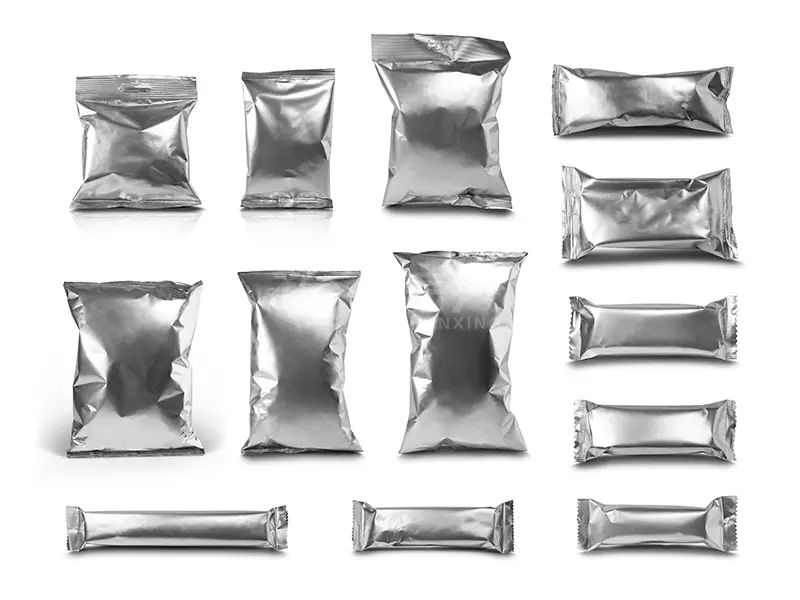
Foil roll-stock and barriers for heavy food grade, thermal preservation, and pharmaceutical use.

Ultra-thin foil shields, heat sinks, and thermal dissipation components for modern tech boards.

Aeronautical skin materials and high-strength heat shields requiring strict alloy certification.
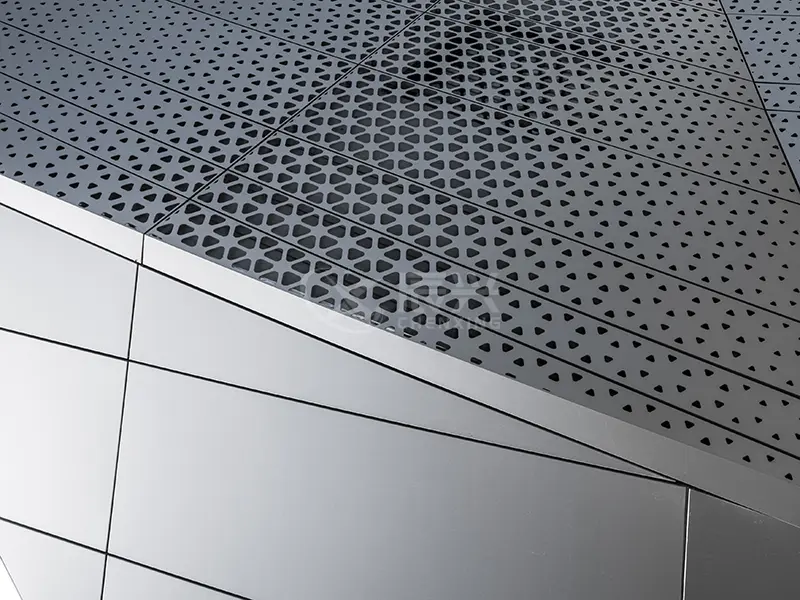
HVAC insulation cladding, exterior building envelopes, and durable wall panelling.

Refrigeration heat reflection wraps, evaporator panels, and acoustic insulation panels.
We produce insulation aluminum sheets strictly adhering to internationally recognized standards, including ASTM B209 (Standard Specification for Aluminum and Aluminum-Alloy Sheet and Plate) and ASTM C1729 (Standard Specification for Aluminum Jacketing for Insulation). These standards govern parameters like tensile strength, yield limits, dimensional tolerances, and coating thickness.
Our localized services provide direct engineering support for major industrial regions:
As carbon emissions and environmental footprinting become key factors in supplier selection, our factory is migrating toward energy-efficient manufacturing processes:
Sourcing raw aluminum ingots from smelters utilizing hydroelectric power generation to lower initial carbon footprint by 40%.
Integrating up to 75% recycled aluminum content back into the production loops without compromising ductility and corrosion ratings.
Developing chrome-free eco-friendly passivation layers that prevent white rust under harsh coastal weather profiles.
Direct technical answers from our senior metallurgical engineering department
Insights on the global supply chain, metallurgical breakthroughs, and material demands

Analyzing export spikes driven by construction demand and infrastructure investment in major global economies.

Technological breakdown of carbon-coated battery aluminum foil in EV and grid-energy storage units.

How shifting environmental regulations are impacting global production costs and material selections.
For custom dimensions, high-performance alloy selection, or pricing matrices, reach out to our team of experts. We provide full project quotations within 24 hours.
Send Inquiry NowSupporting critical industry infrastructure with deep metallurgical precision