
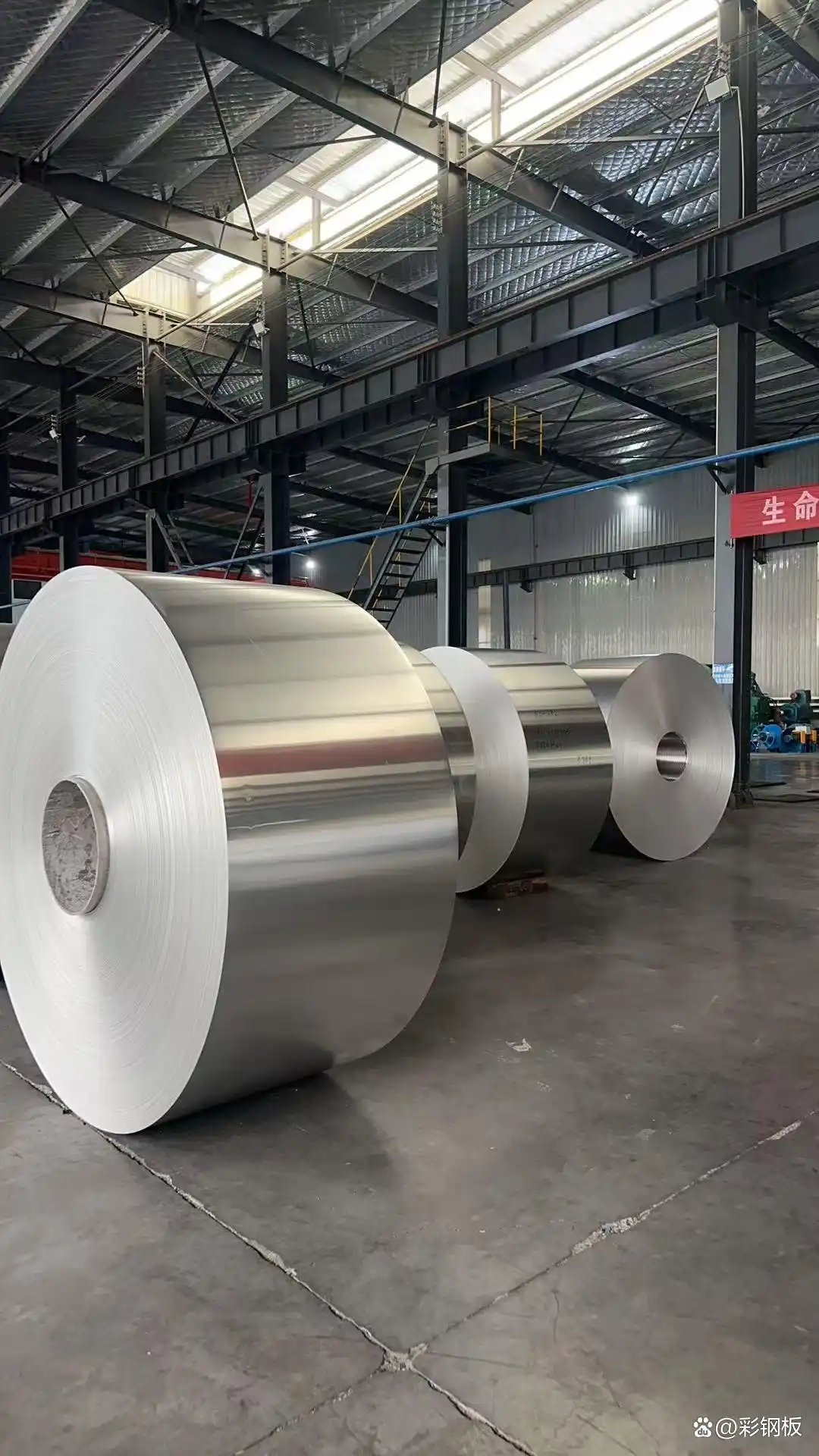
Explore our foundational range of engineered aluminum products, designed for high durability and performance
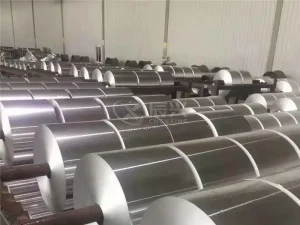
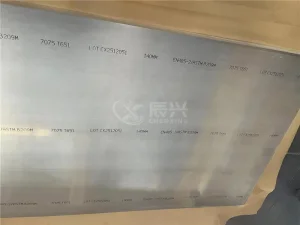
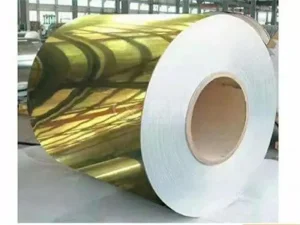
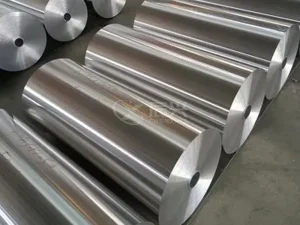
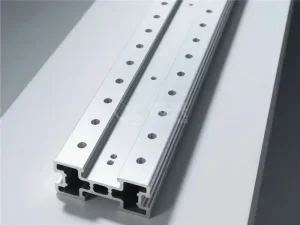
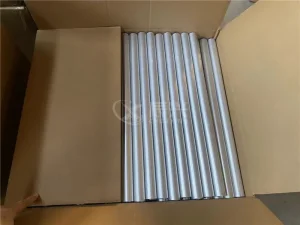
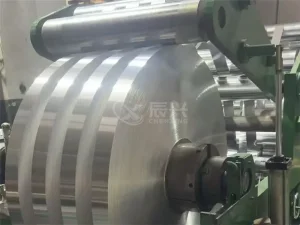
The pricing mechanism of industrial aluminum is a complex matrix governed by primary ingot costs (quoted by global benchmark platforms like the London Metal Exchange - LME, and the Shanghai Futures Exchange - SHFE) blended with localized fabrication premiums, commonly termed the Aluminium Processing Rate. In current markets, purchasing managers must look beyond basic spot rates. A combination of factors, such as raw ingot quality, chemical alloying precision, metallurgical processing difficulty, and local export rebates, influences the actual transactional value of semi-finished aluminum products.
Chinese factories have optimized this cost-structure paradigm. By establishing vertically integrated production complexes in industrial hubs—coupling energy production with upstream smelting and downstream precision rolling—Chinese fabricators provide competitive conversion rates. This allows global manufacturers to mitigate raw material price volatility, maintaining resilient commercial procurement strategies despite fluctuating energy and trade policy markets.
Key Formula for Strategic Sourcing: Delivered Price = [Base Metal Index (LME/SHFE) + Factory Conversion Rate (Fabrication Fee)] * Thickness/Width Complexity Multiplier + Packaging & Freight Surcharges.
Verified operational indicators validating our global supply authority and quality control infrastructure.


How specific alloy chemical formulations behave and yield optimal results in key industrial environments.

Utilizing high-tensile 5xxx and 6xxx series alloys to fabricate body-in-white (BIW) structures, side panels, and cargo containers, reducing vehicle weight while improving overall fuel efficiency and load capacities.
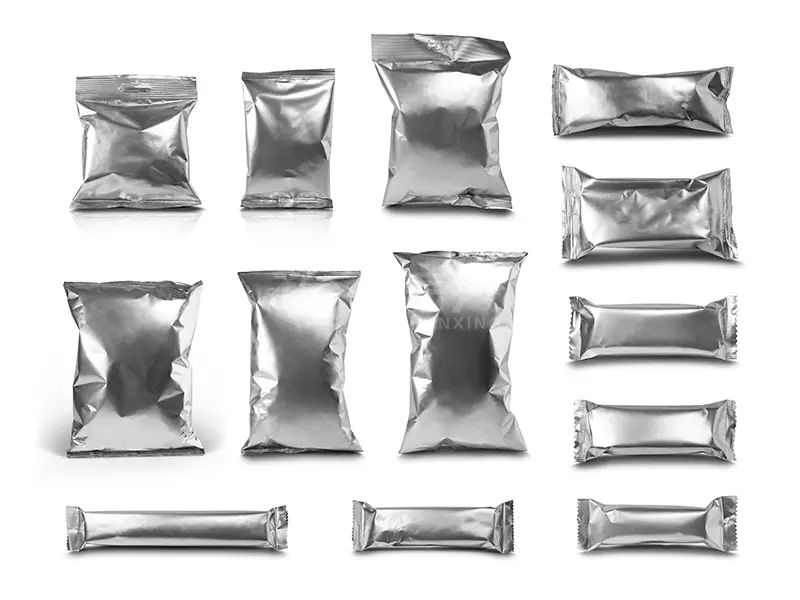
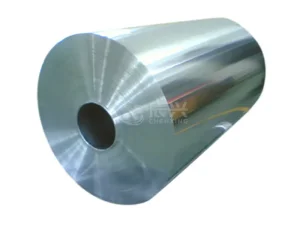
Deploying ultra-thin 8011 and 8079 temper foils for sterile blister packs, food wraps, and flexible barrier films, guaranteeing superior puncture resistance, oxygen blockades, and moisture protection.

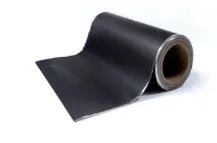
Sourcing precision 1235 and 1060 battery foils alongside brushed sheets for modern lithium-ion capacitor casings, thermal heat sinks, and decorative, wear-resistant smartphone and laptop shells.

Advanced structural supply of 2024, 7075, and 6061 alloy configurations. These materials offer optimal fatigue resistance and exceptional strength-to-weight ratios for wing spars, structural components, and high-altitude frames.
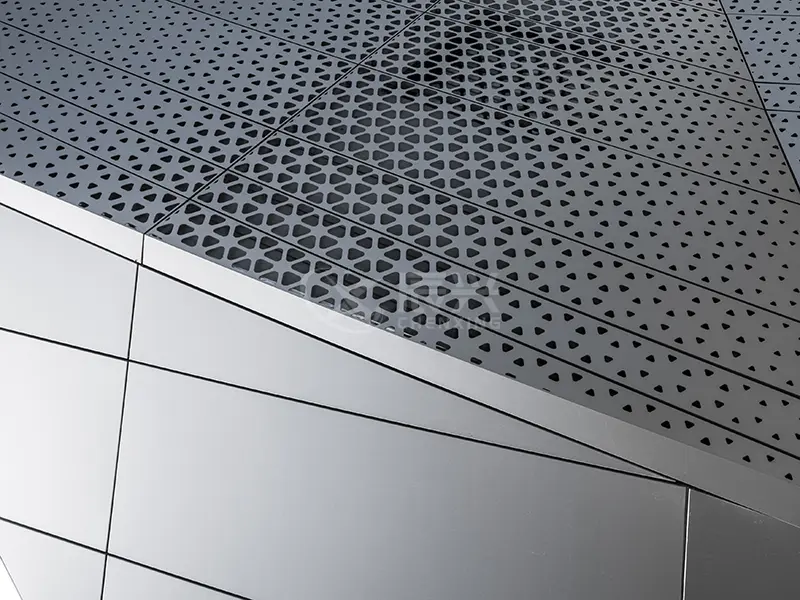
Architectural PVDF color-coated coils and durable panels designed for modern exterior cladding, structural curtain walls, window profiles, and roofing elements with high UV and corrosion resistance.

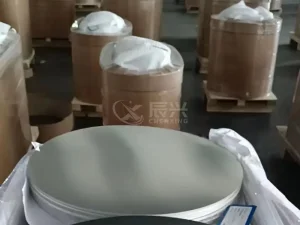
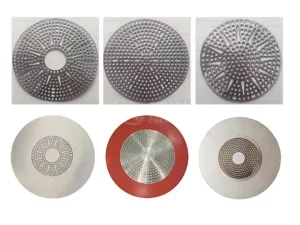
Utilizing high-grade deep-drawing circles and decorative coils for refrigerator linings, heating elements, microwave frames, and induction cookers, assuring clean surface finishes and heat transfer properties.
China’s dominant position in the global aluminum supply chain rests on three key pillars: complete industrial clustering, massive domestic smelting capacity, and advanced logistical networks. In manufacturing regions such as Henan, Shandong, and Guangdong, factories operate adjacent to bauxite refineries, carbon anode plants, and cold-rolling mills. This localized integration eliminates cross-provincial transport delays and minimizes thermal energy loss, keeping processing rates predictable and insulated from external shocks.
Furthermore, Chinese ports are optimized for bulk metal logistics. Modern container freight stations, coupled with automated customs clearing systems, ensure that products move smoothly from the factory floor to global sea lanes. This infrastructure helps stabilize production and distribution, ensuring reliable delivery even during periods of global supply chain volatility.
The aluminum sector is undergoing a massive shift driven by decarbonization policies and automated quality control demands. Leading-edge factories are transitioning from conventional gas-fired melting furnaces to smart induction heating lines and integrated casting systems. Our technical roadmap highlights key advancements aimed at maximizing sustainability and material precision:
Phasing in inert anode technology and hydropower-derived primary ingots to reduce the scope 1 and 2 carbon footprint of finished coils by 45%.
Integrating online thickness and flatness laser gauges to maintain mechanical tolerances within ±0.005mm across multi-kilometer runs.
Deploying high-speed AI optical cameras along tension-leveling lines to detect pinholes, oil spots, and scratches in real time, preventing defective material from shipping.
Collaborating with global clients to reclaim and refine clean manufacturing scrap, maintaining equivalent tensile performance with 90% less process energy.
Discover our high-precision materials, including battery-grade foils and specialized alloy sheets
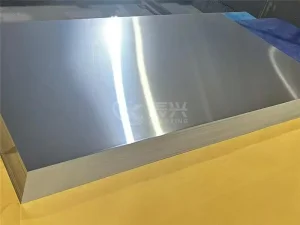
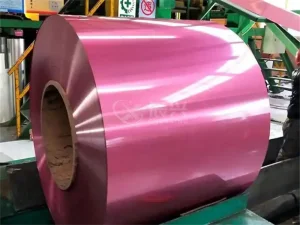
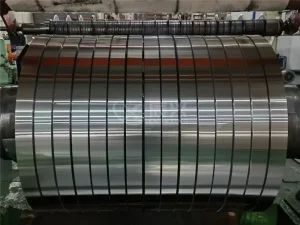
Navigating international trade laws and technical standards requires rigorous certification and compliance protocols. Our manufacturing facilities operate under strict quality management systems, including ISO 9001:2015, IATF 16949 (for automotive safety components), and ISO 14001 environmental frameworks. All materials are tested to ensure compliance with ASTM, EN, and JIS standards.
Furthermore, we supply full technical documentation for global regulatory compliance, including REACH SVHC declarations, RoHS directives, FDA food-contact certifications, and SGS test reports. Our sales and engineering teams assist global buyers in selecting the correct customs tariff codes (HS Codes), evaluating antidumping duties, and optimizing shipping routes. This helps reduce port clearance times, ensuring a smoother supply chain from end to end.
Keep pace with dynamic movements across global shipping corridors, environmental policies, and alloy developments.
Clear, direct answers addressing key sourcing questions, tolerance levels, and ordering processes.
The pricing is calculated using a transparent formula: [Base Metal Price (determined by current LME or SHFE spot prices) + Fabrication Fee (the processing rate)]. The fabrication fee covers the cost of alloy casting, rolling, heat treatment, and slitting. Depending on thickness tolerances and surface finishing requirements, processing rates will adjust accordingly.
Standard industrial specifications for coils and sheets (such as alloys 1050, 3003, and 6061) generally require an MOQ of 3 to 5 metric tons per specification. This aligns with standard rolling mill casting volumes. Highly specialized runs, including battery-grade ultra-thin foil, may carry custom MOQ requirements depending on manufacturing limits.
To prevent oxidation during maritime transport, all aluminum products are packed using seaworthy export standards. Coils are wrapped in plastic film, padded with high-density foam protectors, enclosed in waterproof kraft paper, and secured on fumigated wooden pallets. Desiccant packs are inserted to control moisture within the packaging.
Our factory uses the 8D (Eight Disciplines) problem-solving methodology. Once a quality inquiry is submitted, we acknowledge receipt and initiate containment within 24 hours. A complete root-cause analysis report, including corrective actions, is typically delivered within 3 business days.
Get in touch with our technical sales team. We will review your requirements and provide a detailed price breakdown and processing quote within 24 hours.