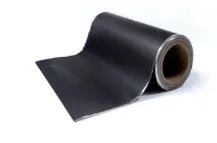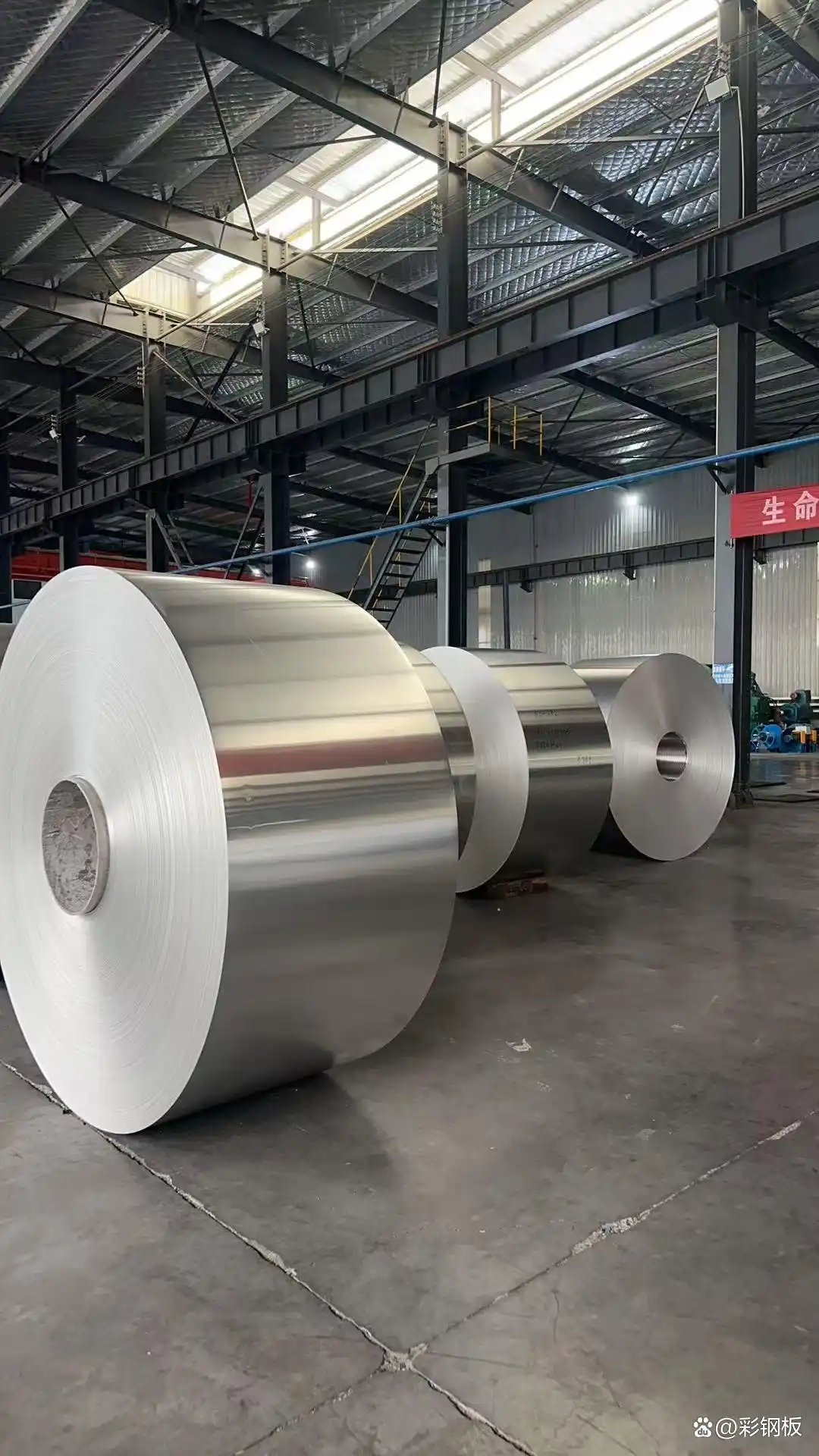
Engineered to meet demanding aerospace, marine, structural, and precision engineering criteria.
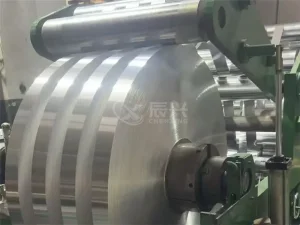
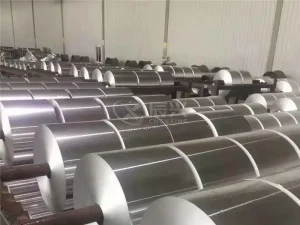
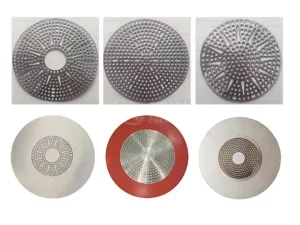
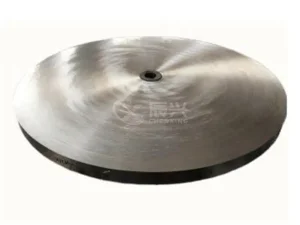
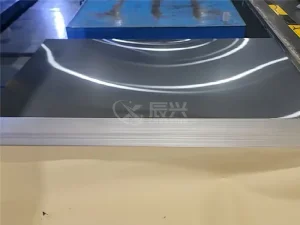
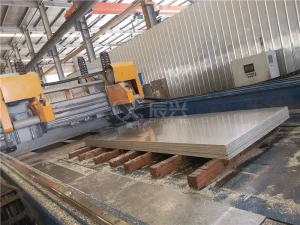
Global standards, precision tracking, and unmatched quality control in industrial aluminum production.


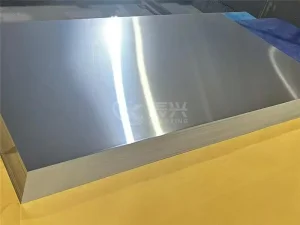
The request for heavy-gauge aluminum plates—specifically thick slabs measuring 8 inches (~203.2 mm) and above—is a critical metric for global heavy industrial health. These plates are not standard consumer goods; they represent the structural backbone of deep-cavity tooling, semiconductor chamber manufacturing, aerospace structural components, and high-pressure marine barriers.
Globally, the supply chain for thick aluminum plates relies heavily on direct-chill (DC) casting facilities coupled with massive hot rolling mills capable of applying thousands of tons of rolling pressure. China has transitioned from a high-volume exporter of commercial sheet to the global epicenter of precision, thick-gauge plate technology. This shift is driven by deep capital investments in continuous casting modernization, multi-axis roller levelers, and vacuum degassing equipment that removes micro-porosity in thick-section pours.
"Industrial 8-inch plates demand internal stress relief. Without specialized thermal processing (such as the T651 stretching process), deep machining of an 8-inch plate will release residual stresses, leading to severe geometric distortion."
A major challenge in manufacturing an 8-inch aluminum plate is ensuring consistent chemical composition, grain structure, and mechanical properties from the outer surface to the core of the plate. At 200mm+ thicknesses, solidification cooling rates in the center of the ingot are slower, which can cause alloy segregation and porosity.
Our mills mitigate this by utilizing high-purity aluminum ingots, advanced electromagnetic stirring during the pour, and ultrasonic testing (UT) in accordance with ASTM B594 or EN 485 specifications. This guarantees the absence of internal voids, inclusions, or density drops in the center plane.
| Alloy Group | Common Tempers | Core Tensile Strength (MPa) | Key Applications | Internal Defect Standard |
|---|---|---|---|---|
| 5083 Series | O, H111, H112 | 270 - 310 | Marine hulls, pressure vessels, cryogenic tanks | ASTM B594 Class A |
| 6082 / 6061 | T6, T651 | 290 - 330 | Structural frameworks, precision machinery tables | ASTM B594 Class A |
| 7075 Series | T6, T651, T73 | 480 - 540 | Aerospace ribs, injection molds, tooling blocks | AMS-STD-2154 Class A |
Processing 8-inch thick plates requires precise adherence to a specialized thermo-mechanical processing path:
Molten aluminum is refined using inline degassers and ceramic foam filters, then cast into thick rectangular ingots.
Ingots are heated at high temperatures for extended periods to dissolve secondary phases and relieve casting stresses.
Massive break-down mills roll the ingot into the final 8-inch thickness, refining the grain structure.
Post-rolling, the plate undergoes a critical stretching phase on a hydraulic plate stretcher (up to 2-3% permanent set). This process distributes residual cooling stresses evenly, ensuring the plate remains flat during subsequent high-speed milling operations.
As global industrial manufacturers focus on sustainability, the aluminum industry is shifting toward low-carbon processes. This includes utilizing hydroelectric or solar energy for primary smelting, and incorporating certified post-industrial recycled scrap into alloys without compromising high-purity limits.
Concurrently, digital tracking (e.g., QR-coded material test reports linked to specific batches) ensures complete transparency from raw ingot to delivered plate. This level of traceability is essential for critical applications in aerospace and nuclear engineering.
Explore our core selection of industrial aluminum coils, foils, and circles.
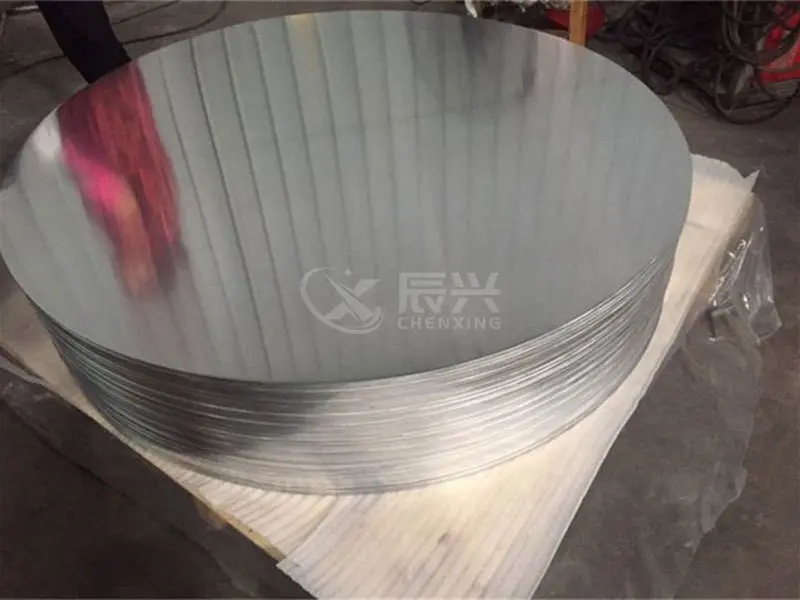
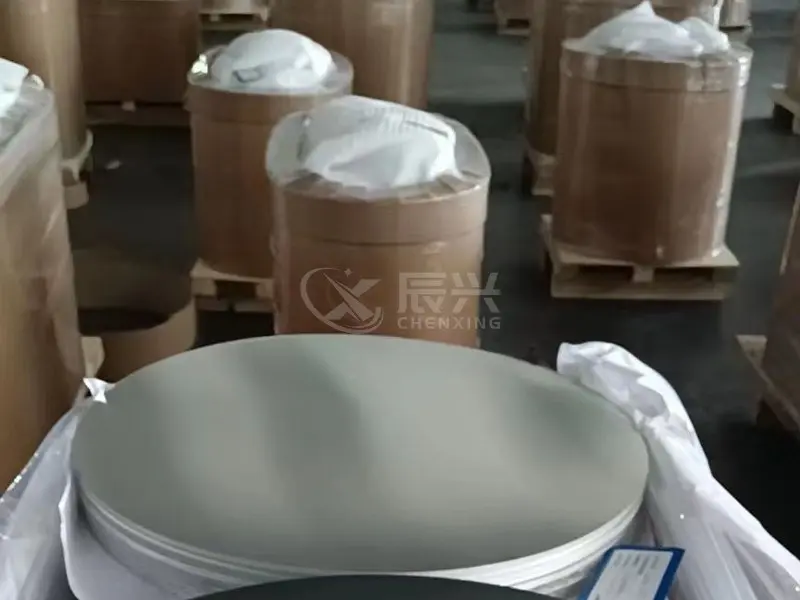
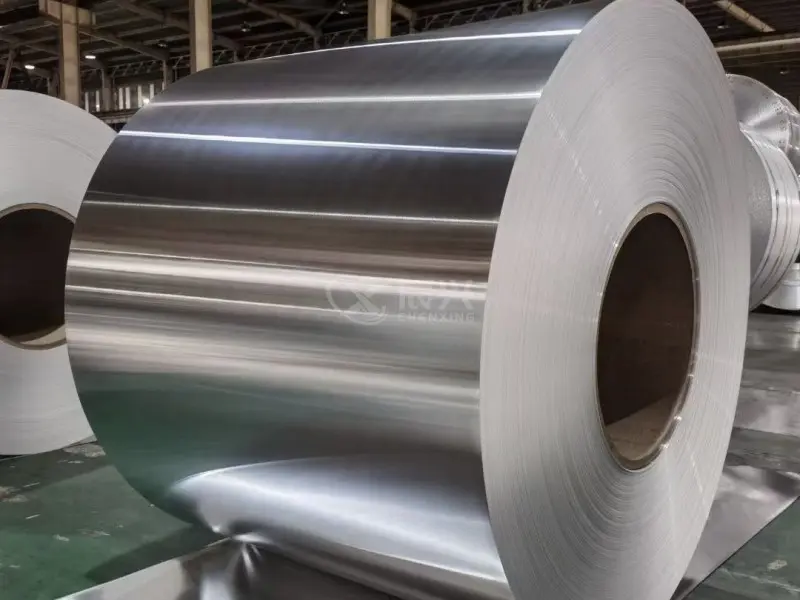
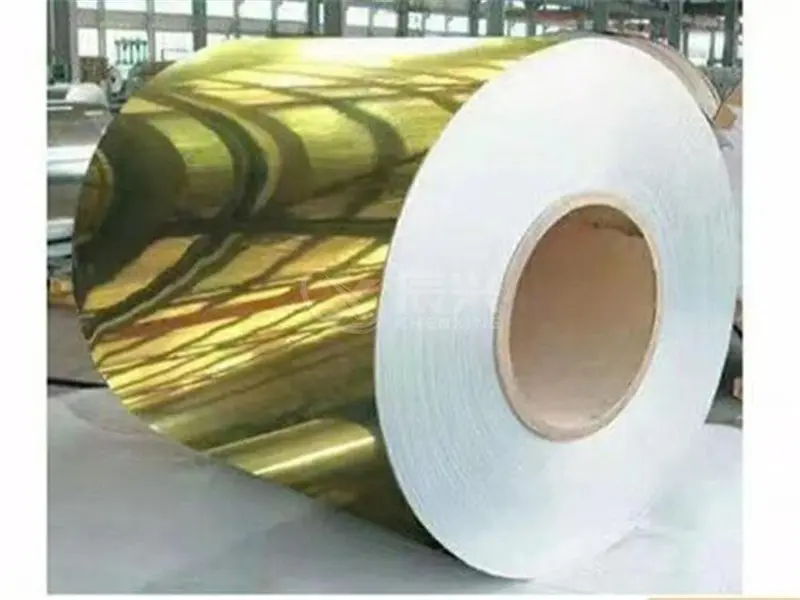
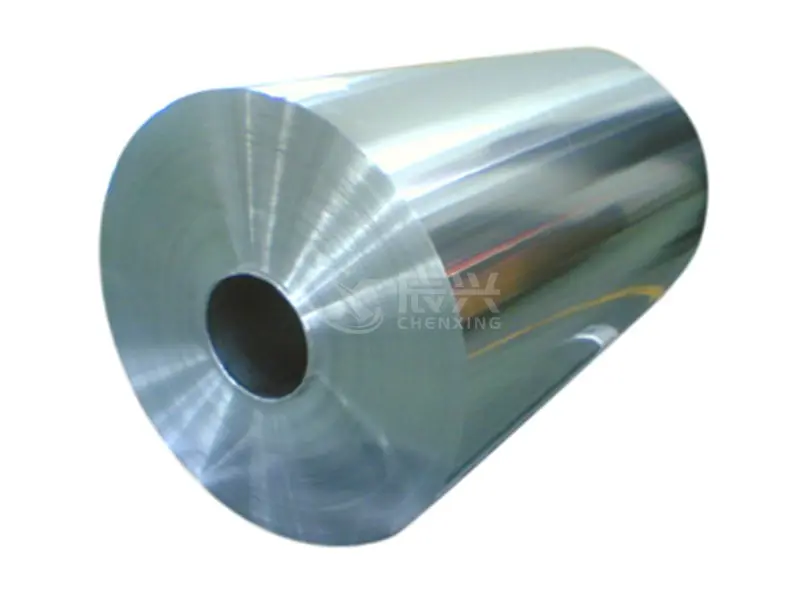
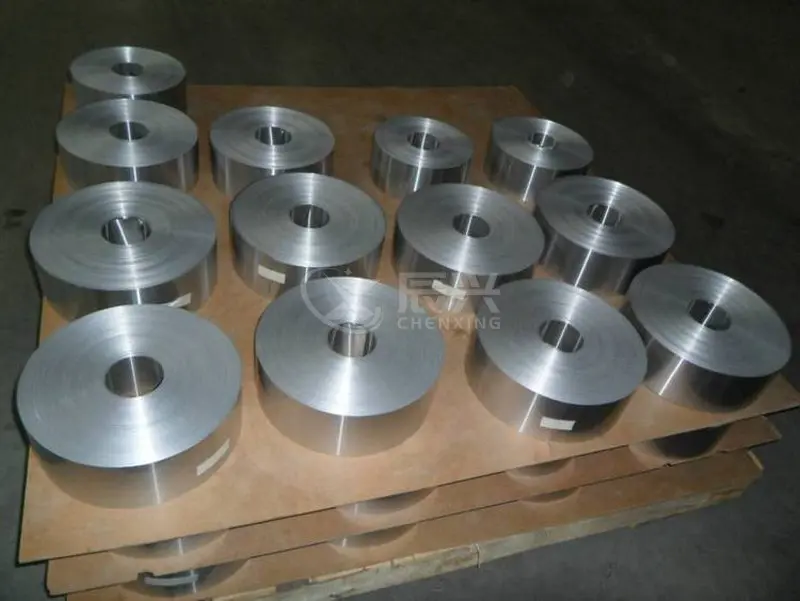
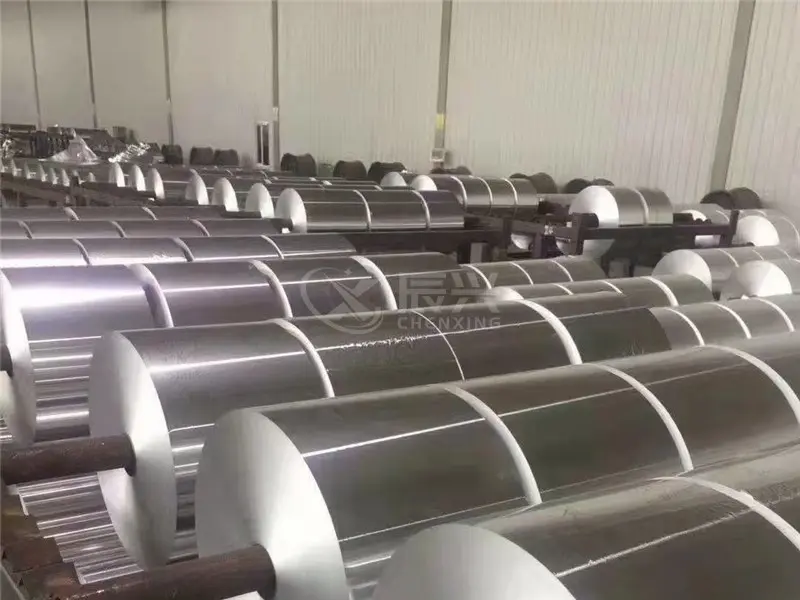
Precision-engineered aluminum solutions for diverse industries.

High-strength sheets and plates used in automotive bodies, high-speed rail frames, and marine hull construction.
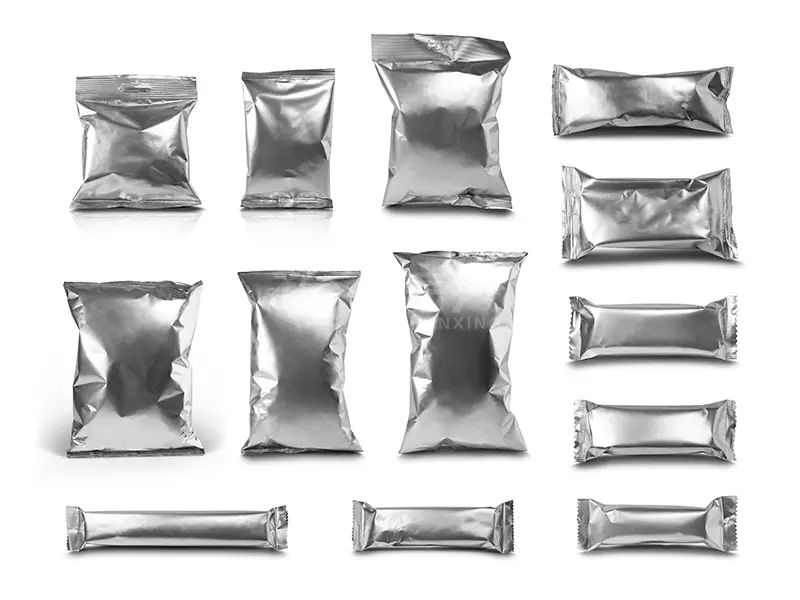
High-barrier materials for the pharmaceutical, food, beverage, and sterile medical packaging markets.

Semiconductor chamber processing plates, heat sinks, and casing components with precise flatness tolerances.

High-tensile structural components, fuselage bulkheads, and wing ribs made from advanced alloy tempers.
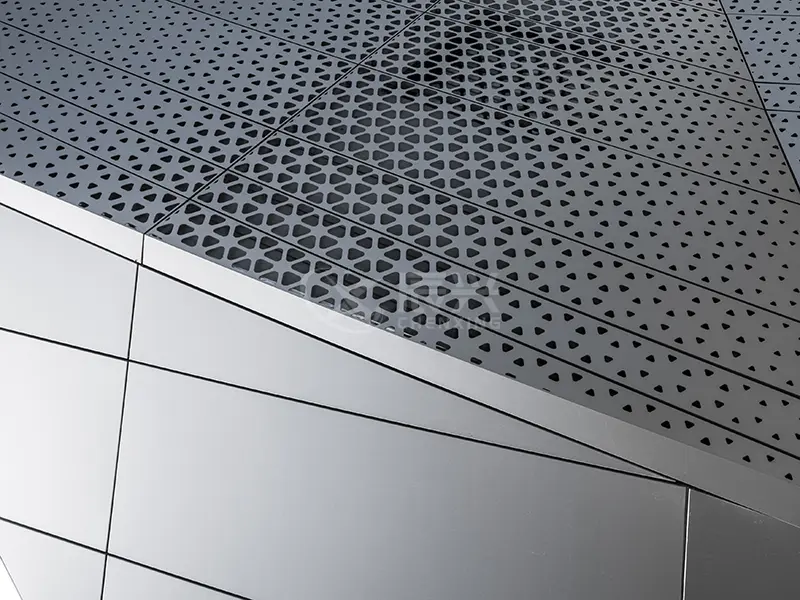
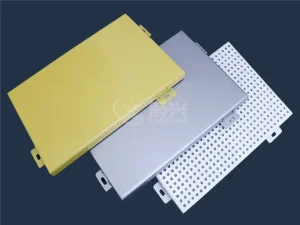
Durable architectural panels, wall corners, facades, and light structural framing alloys.

Aesthetic surface sheets, heating elements, and lightweight parts for home electronics.
Key technical insights for procurement managers and design engineers.
An 8-inch (approx. 200mm) plate provides the mechanical integrity needed for heavy load-bearing and deep-cavity tooling applications. It offers uniform strength across its profile when properly stretched (such as T651), ensuring minimal distortion during complex CNC machining processes.
We employ advanced Ultrasonic Testing (UT) in accordance with ASTM B594 or AMS-STD-2154 standards. Every thick plate is scanned to verify internal grain uniformity and confirm the absence of hydrogen porosity or inclusions.
Standard T6 quenching introduces significant thermal stress. The T651 temper includes a mechanical stretching step (typically 1.5% to 3% permanent set) after solution heat treatment, which redistributes and relieves internal residual stresses. This prevents the plate from warping when machined.
Aluminum 5083 is the preferred alloy for marine environments. It offers excellent resistance to saltwater corrosion, high weldability, and maintains good structural strength at cryogenic temperatures.
For inquiries about our products or custom price lists, please contact us. Our engineering team will respond within 24 hours.
Insights from global logistics, battery foil development, and industrial manufacturing trends.
Premium grade industrial materials sourced directly from our manufacturing facility.